
The transition from a quiet weekend to the high-stakes environment of a Monday morning opening bell is one of the most scrutinized periods in the financial world. For investors, traders, and portfolio managers, the question of what the stock market will do on Monday is not merely a matter of curiosity; it is a critical component of risk management and strategic positioning. While no one possesses a crystal ball, understanding the variables that influence Monday’s performance—ranging from futures markets and geopolitical shifts to technical setups and investor psychology—can provide a significant edge.

The Foundations of Monday’s Market Movement
To understand what the stock market might do on any given Monday, one must first look at the “Weekend Effect.” Historically, the stock market has shown a tendency to follow specific patterns on the first trading day of the week. This phenomenon is driven by the accumulation of news and data over the 48-hour period when the primary exchanges are closed. Unlike mid-week trading, where the market reacts to real-time data, Monday is the grand synthesis of everything that transpired while the ticker was silent.
The Influence of Futures Markets
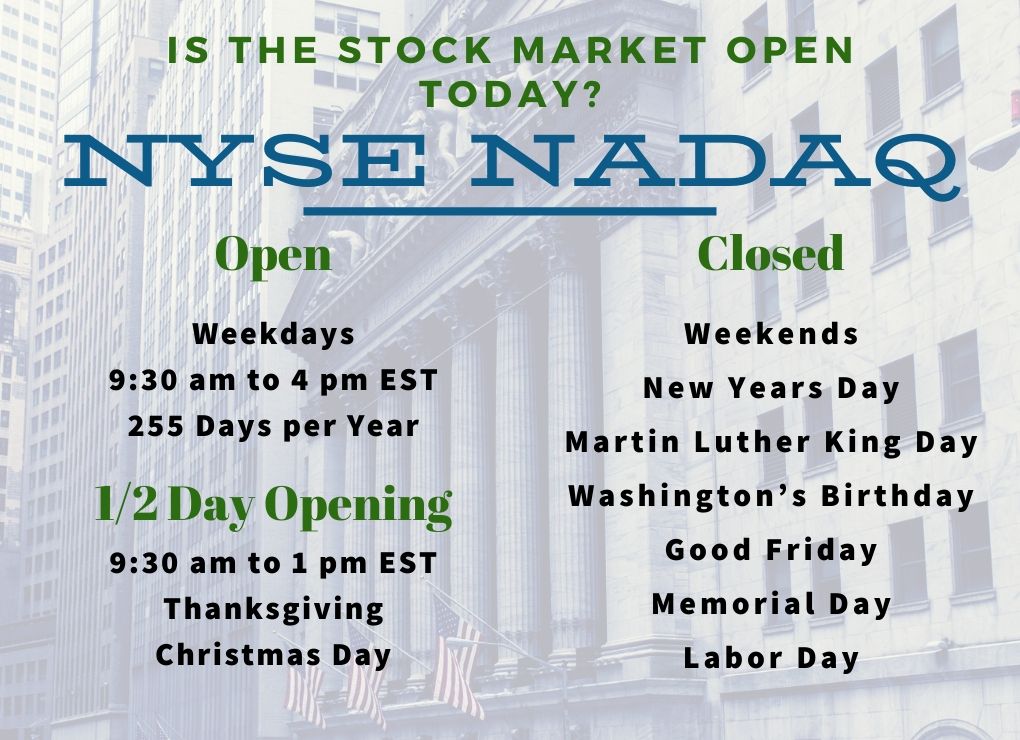
The first real indicator of Monday’s direction arrives long before the New York Stock Exchange (NYSE) opens at 9:30 AM Eastern Time. Equity futures, such as the S&P 500 (ES), Nasdaq 100 (NQ), and Dow Jones (YM) futures, begin trading on Sunday evening. These contracts serve as a barometer for global sentiment.
If futures are trading significantly higher on Sunday night, it suggests that global investors have processed weekend news positively. Conversely, a “gap down” in futures often signals that an event—perhaps a geopolitical flare-up or a negative economic announcement from an overseas central bank—has spooked the market. Investors looking to gauge Monday’s opening should monitor these futures closely, as they reflect the liquidity and conviction of institutional players before the retail market even wakes up.
Global Market Carryover
The U.S. stock market does not operate in a vacuum. By the time Monday morning arrives in New York, the Asian markets (Nikkei, Hang Seng, Shanghai Composite) and European markets (FTSE 100, DAX, CAC 40) have already completed part or all of their trading sessions.
Strong performance in Tokyo or London often provides a “tailpuff” for U.S. equities, suggesting a global appetite for risk. However, if European markets are selling off due to regional economic concerns or currency fluctuations, the U.S. market often opens under pressure as domestic traders brace for contagion. Analyzing the closing prices of these international indices is a prerequisite for predicting Monday’s domestic behavior.
Technical Analysis and the “Gap” Phenomenon
From a technical perspective, Monday is unique because of the physical gap that often appears on a price chart between Friday’s close and Monday’s open. This gap represents a disconnect between supply and demand that occurred over the weekend.
Understanding Gap Ups and Gap Downs
When a stock or an index opens at a price significantly different from its previous close, it creates a “gap.” A gap up on Monday often indicates strong buying pressure, but it also creates a technical vacuum. Professional traders often look for “gap fills,” where the price returns to Friday’s closing level before continuing its trend.
If the market gaps up on Monday and holds its gains through the first hour of trading—often referred to as the “amateur hour”—it suggests that institutional “smart money” is supporting the move. If the market gaps up but quickly reverses, it may indicate a “bull trap,” where early buyers are caught in a sell-off as larger players take profits on the weekend news.
Key Support and Resistance Levels
Technical traders enter Monday with a list of key price levels. These include:
-
The 50-Day and 200-Day Moving Averages: If an index is hovering just above these levels on Friday, Monday’s open will determine if they hold as support or break as resistance.
-
Pivot Points: These are calculated based on the previous week’s high, low, and close. Monday often tests these weekly pivot points to establish the trend for the next five days.
-
The RSI (Relative Strength Index): If the market ended Friday in “overbought” territory (RSI above 70), Monday may see a corrective pullback regardless of the news, as the market seeks a healthy equilibrium.
Macroeconomic Drivers and the Weekly Calendar

Monday’s performance is frequently a “wait-and-see” game dictated by the scheduled economic calendar for the coming week. Investors are forward-looking, and their actions on Monday are often a hedge against what they expect to happen on Wednesday or Friday.
Central Bank Communications and Interest Rates
One of the most potent drivers of Monday market volatility is the anticipation of Federal Reserve activity. If a “Fed Blackout” period has ended or if a high-ranking official is scheduled to speak on Monday or Tuesday, the market may trade tentatively. In an environment where interest rates are a primary concern, the 10-Year Treasury Yield often dictates the direction of equities. If yields spike on Monday morning, tech stocks and other growth-oriented sectors often face immediate selling pressure due to their sensitivity to borrowing costs.
The Impact of Economic Data Releases
While major reports like Non-Farm Payrolls (NFP) or Consumer Price Index (CPI) data are usually released later in the week, Monday acts as the staging ground. If a major inflation report is due on Tuesday, Monday’s volume might be lower than average as institutional investors stay on the sidelines. This lack of liquidity can actually lead to higher volatility, as smaller trades have a disproportionate impact on price movement.
Corporate Earnings Momentum
During earnings season, Monday takes on a different character. If several blue-chip companies reported impressive numbers late Friday afternoon, that momentum carries over. Conversely, if a “market darling” in the tech sector issues a profit warning over the weekend, the entire sector may drag the broader indices down on Monday morning. Investors must look at the “earnings weight” of the companies reporting that week to see if Monday will be used as a day to position for those announcements.
The Psychology of the Monday Trader
The human element of trading cannot be ignored. The “Monday Effect” is largely a psychological phenomenon. After two days away from the screens, traders return with either renewed optimism or heightened anxiety.
Processing the “Sunday Scaries”
Professional money managers spend their weekends reviewing portfolios and reading research reports. If the consensus over the weekend turns bearish, there is often a rush to sell at the Monday open. This creates a “liquidity event” where a large volume of orders hits the tape simultaneously.
On the other hand, if a quiet weekend has allowed tensions to simmer down, Monday can represent a “relief rally.” This is common after a volatile Friday; if the world didn’t end over the Saturday/Sunday break, buyers who were scared off on Friday afternoon return to the market on Monday morning to hunt for bargains.
Retail vs. Institutional Flow
Monday mornings often see a surge in retail trading activity. Individual investors who spent their weekend catching up on financial news or YouTube market commentary often place “market on open” orders. Institutional traders, aware of this retail flow, often wait until 10:30 AM or 11:00 AM to execute their larger blocks. This is why the first 60 to 90 minutes of Monday trading can be incredibly deceptive; the “true” direction of the market for the week is often not established until the mid-day session when the initial retail enthusiasm or panic has subsided.
Strategic Positioning for the Week Ahead
Predicting what the stock market will do on Monday is less about guessing the closing price and more about preparing for various scenarios. A disciplined investor uses Monday to set the tone for their weekly capital allocation.
Defensive vs. Aggressive Posturing
If Monday opens with high volatility and a break of key technical support levels, a defensive posture is warranted. This might involve increasing cash positions, buying put options as insurance, or moving capital into defensive sectors like Utilities or Consumer Staples.
Conversely, a “strong Monday”—one characterized by high volume, positive breadth (more advancing stocks than declining ones), and a close near the daily highs—is a classic bullish signal. Many quantitative strategies use Monday’s close relative to its open as a “trend-following” signal for the remainder of the week.
Risk Management Protocols
Because Mondays are prone to gaps and high volatility, risk management is paramount. Setting “stop-loss” orders is a common practice, but on Monday, these can be dangerous if the market gaps past the stop price. Experienced investors often prefer to wait for the market to “settle” on Monday before entering new large positions. They use the day to observe which sectors are leading and which are lagging, providing a roadmap for where the money will likely flow on Tuesday and Wednesday.
In conclusion, what the stock market does on Monday is a complex interaction of global sentiment, technical levels, and upcoming economic hurdles. By monitoring Sunday night futures, observing international market closings, and respecting the technical “gaps,” an investor can transform Monday from a day of uncertainty into a day of strategic opportunity. Whether the market rises or falls, the information gathered during the Monday session is often the most valuable data point for the entire trading week.
aViewFromTheCave is a participant in the Amazon Services LLC Associates Program, an affiliate advertising program designed to provide a means for sites to earn advertising fees by advertising and linking to Amazon.com. Amazon, the Amazon logo, AmazonSupply, and the AmazonSupply logo are trademarks of Amazon.com, Inc. or its affiliates. As an Amazon Associate we earn affiliate commissions from qualifying purchases.