
The world of finance can often appear complex, shrouded in jargon and intricate mechanisms. Yet, at its core lies a remarkably simple concept that has driven economic growth and personal wealth creation for centuries: stocks. Far from being mere pieces of paper or digital entries, stocks represent fundamental units of ownership in a company. Understanding what stocks are is the foundational step for anyone looking to navigate the investment landscape, whether to grow personal wealth, plan for retirement, or simply comprehend the broader financial markets.
This comprehensive guide aims to demystify stocks, exploring their definition, purpose, mechanics, and the pivotal role they play for both companies seeking capital and individuals aspiring to financial freedom. We will delve into the types of stocks, the reasons companies issue them, why investors buy them, and how they are traded, providing a clear and insightful perspective on this cornerstone of the modern financial system. By the end, you will possess a robust understanding of what makes stocks a powerful engine of capital formation and a compelling avenue for wealth accumulation.
The Essence of Stock Ownership: More Than Just a Piece of Paper
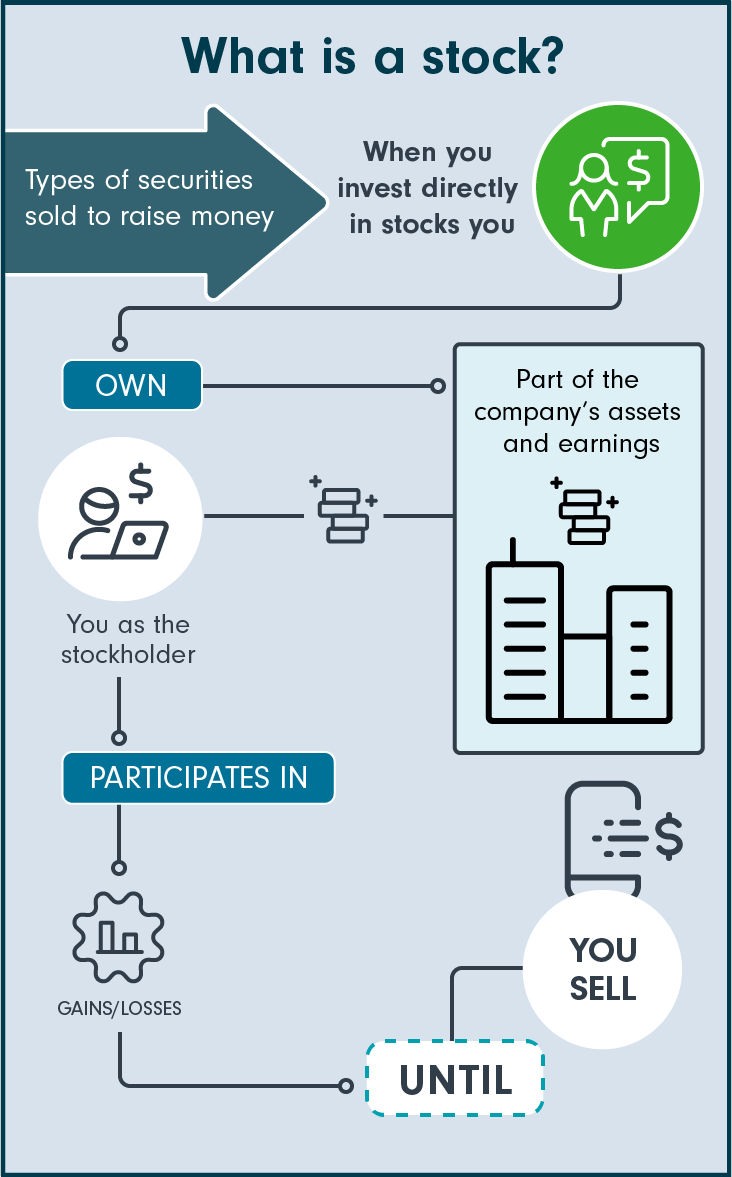
At its most fundamental level, a stock is a security that represents ownership in a corporation. When you own a stock, you own a tiny slice—a share—of the company that issued it. This ownership comes with certain rights and responsibilities, varying slightly depending on the type of stock you hold. It’s a direct connection to the business, its success, and its future prospects, far beyond a simple transactional exchange.
Defining a Stock: A Slice of Company Ownership
Imagine a successful business with many assets, employees, and operations. Instead of just one owner, this business decides to divide its total value into millions or billions of tiny, equally sized units. Each of these units is called a “share” of stock. By purchasing these shares, individuals or institutions become part-owners of the company. This ownership stake, however small, confers a proportional claim on the company’s assets and earnings. For example, if a company has 10 million shares outstanding and you own 1,000 shares, you own 0.01% of that company. This percentage reflects your portion of the company’s profits, losses, and, in many cases, voting rights on corporate matters.
The Dual Role of Stocks: Capital for Companies, Opportunity for Investors
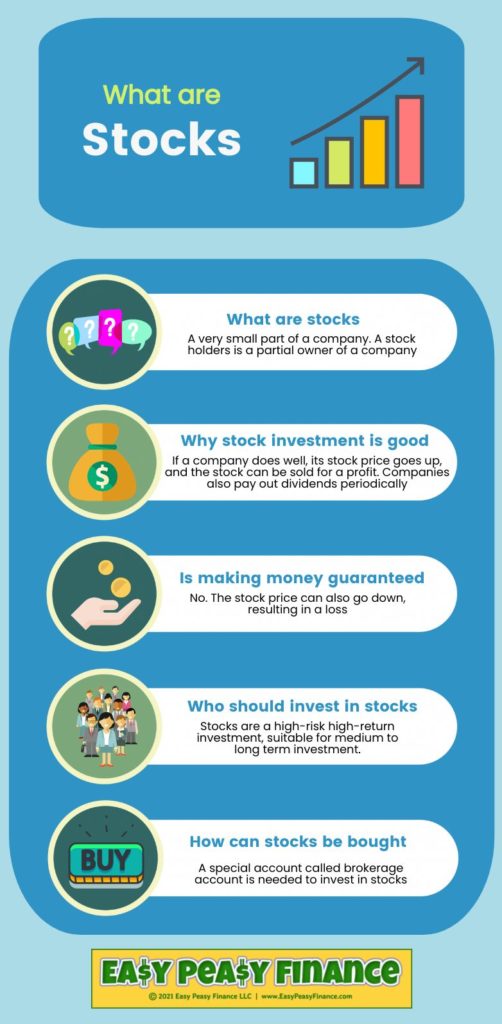
Stocks serve a crucial dual function within the economy. For companies, issuing stocks is a primary method of raising capital. Instead of borrowing money from a bank (which incurs interest payments and debt obligations), a company can sell ownership stakes to the public. This equity financing provides funds that the company can use for expansion, research and development, debt reduction, or other strategic investments. For investors, stocks offer an opportunity to participate in the growth and profitability of a company. By buying shares, investors hope to see the value of their investment increase over time (capital appreciation) and potentially receive a portion of the company’s profits in the form of dividends. This symbiotic relationship between companies and investors fuels innovation, job creation, and economic progress.
Common vs. Preferred Stock: Understanding the Differences
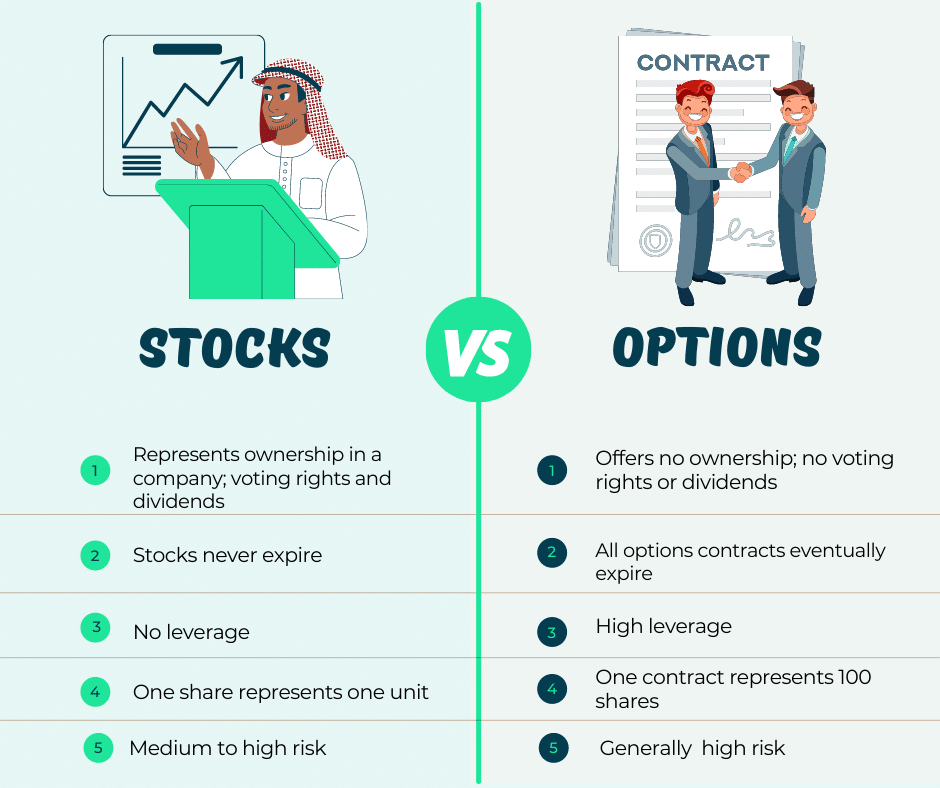
While all stocks represent ownership, there are primarily two main types: common stock and preferred stock, each with distinct characteristics. Common stock is what most people refer to when they talk about “stocks.” It typically grants shareholders voting rights on corporate policies and the election of the board of directors. Common shareholders have a residual claim on assets, meaning they are paid after bondholders and preferred shareholders in the event of liquidation. However, common stock also offers the greatest potential for capital appreciation if the company performs well.
Preferred stock, on the other hand, usually does not carry voting rights but offers other advantages. Preferred shareholders typically receive fixed dividend payments before common shareholders do, and these dividends are often cumulative (meaning any missed payments must be paid later). In the event of liquidation, preferred shareholders have a higher claim on the company’s assets than common shareholders, but still after bondholders. Because of their fixed dividends and priority in claims, preferred stocks often exhibit less price volatility than common stocks, appealing to investors seeking income and stability rather than aggressive growth.
Why Companies Issue Stocks: Fueling Growth and Innovation
The decision for a private company to “go public” and issue shares of stock to the general public is a monumental step, driven by a powerful imperative: the need for capital. While private funding rounds and bank loans can support initial stages of growth, the scale of capital required for significant expansion, market dominance, or ambitious projects often necessitates tapping into a broader pool of investors.
Raising Capital: The Primary Motivation
The foremost reason companies issue stock is to raise substantial amounts of capital. When a company sells shares, it receives money from investors in exchange for an ownership stake. Unlike debt financing, where the company incurs interest payments and a principal repayment obligation, equity financing does not require repayment of the initial capital. This means the company can use the funds to invest in long-term projects without the immediate burden of debt servicing, providing greater financial flexibility. This capital can be deployed for various strategic purposes: funding research and development for new products, expanding into new markets, acquiring other businesses, paying off existing debts, or upgrading infrastructure and facilities. For many fast-growing companies, especially in capital-intensive sectors, public markets offer the only viable path to secure the necessary funds for their ambitious plans.
Initial Public Offerings (IPOs) and Secondary Markets
The first time a private company sells its shares to the public is known as an Initial Public Offering (IPO). This process is complex, involving investment banks that underwrite the offering, help price the shares, and facilitate their sale. Once the IPO is complete, the company’s shares begin trading on a stock exchange (e.g., the New York Stock Exchange or Nasdaq). This is known as the secondary market. In the secondary market, investors trade shares among themselves; the company itself does not directly receive money from these subsequent trades. However, the activity and price movements in the secondary market are crucial for the company. A healthy, liquid secondary market ensures that existing shareholders can easily buy and sell their shares, making the stock more attractive to potential investors and supporting its valuation. It also sets the market price, which is vital for future equity raises and provides a valuation benchmark for the company.
Enhancing Company Visibility and Reputation
Beyond capital, issuing stock publicly can significantly enhance a company’s visibility and reputation. A public listing often elevates a company’s profile, bringing it under greater scrutiny from analysts, financial media, and the public. This increased transparency, while demanding, can build trust and credibility, making it easier to attract top talent, forge strategic partnerships, and even secure better terms from suppliers and creditors. Being a publicly traded company can be seen as a mark of success and stability, signaling to the world that the company has met stringent regulatory requirements and proven its viability. While there are costs associated with going public, including regulatory compliance and public disclosure, the benefits often outweigh these challenges, positioning the company for long-term growth and market leadership.
Why Investors Buy Stocks: Pathways to Wealth Creation
For individuals and institutions alike, investing in stocks represents a fundamental strategy for wealth creation and financial planning. The allure of the stock market stems from its potential to generate significant returns, often outpacing other traditional investment vehicles over the long term. However, this potential comes with inherent risks, making an informed approach crucial.
Capital Appreciation: Profiting from Price Growth
The most common reason investors buy stocks is to benefit from capital appreciation. This occurs when the market price of a stock rises above the price at which it was purchased. The expectation is that as a company grows, becomes more profitable, or develops innovative products, its underlying value will increase, and this increase will be reflected in a higher stock price. Investors can then sell their shares for a profit. For example, if you buy 100 shares of a company at $50 per share and later sell them at $75 per share, you realize a capital gain of $25 per share, or $2,500 in total (minus any trading fees). Capital appreciation is often the primary driver for growth-oriented investors and forms a significant component of long-term wealth accumulation, especially in industries experiencing rapid innovation.
Dividends: Sharing in Company Profits
Another attractive aspect of stock ownership, particularly for income-focused investors, is the potential to receive dividends. Dividends are distributions of a company’s earnings to its shareholders. Not all companies pay dividends; typically, more mature, stable, and profitable companies that may not need to reinvest all their earnings back into the business choose to share profits with their shareholders. Dividends are usually paid quarterly, either as a fixed amount per share or as a percentage of the stock price. For example, if a company declares a dividend of $0.50 per share and you own 100 shares, you would receive $50. Dividends can provide a steady stream of income, making dividend-paying stocks popular among retirees or those seeking supplemental income. Furthermore, dividend reinvestment plans (DRIPs) allow investors to automatically use their dividends to purchase more shares of the same stock, leveraging the power of compounding.
Portfolio Diversification: Spreading Risk
For sophisticated investors, stocks are also a critical component of a diversified investment portfolio. Diversification involves spreading investments across various asset classes, industries, and geographies to reduce overall risk. By including stocks from different sectors (e.g., technology, healthcare, consumer goods), investors can mitigate the impact of poor performance in any single company or industry. For instance, if one sector experiences a downturn, gains in another might offset those losses. Stocks, with their inherent volatility and growth potential, complement other asset classes like bonds (which offer stability) and real estate (which provides tangible assets and income). A well-diversified stock portfolio can smooth out returns over time and help investors achieve their long-term financial goals with a more manageable risk profile.
The Power of Compounding: Long-Term Growth Potential
Perhaps the most compelling reason to invest in stocks for the long term is the power of compounding. Compounding refers to the process where the returns generated from an investment are reinvested, subsequently earning their own returns. Over extended periods, this snowball effect can lead to exponential growth in wealth. For example, if your stock portfolio grows by an average of 8% per year, and you reinvest those gains, your initial investment will grow significantly faster than if you simply earned 8% on your initial capital each year. Albert Einstein reportedly called compounding the “eighth wonder of the world,” and for good reason. Patience and consistent investment in the stock market, combined with the magic of compounding, are often cited as key ingredients for substantial long-term wealth accumulation.
Understanding Stock Market Dynamics: How Stocks Are Traded
The journey of a stock, from its initial offering to its daily fluctuations, takes place within a dynamic and intricate ecosystem known as the stock market. This market is far more than just a place; it’s a complex network of exchanges, brokers, regulations, and participants all interacting to determine the fair value of publicly traded companies. Understanding these dynamics is essential for any investor.
Stock Exchanges: The Marketplace for Equities
Stock exchanges are organized marketplaces where stocks and other securities are bought and sold. They provide the infrastructure and rules for trading, ensuring fairness, transparency, and liquidity. The most well-known examples include the New York Stock Exchange (NYSE), the Nasdaq Stock Market, the London Stock Exchange (LSE), and the Tokyo Stock Exchange (TSE). Each exchange has specific listing requirements that companies must meet to have their shares traded there. When you buy or sell a stock, the transaction typically happens electronically through one of these exchanges, which act as intermediaries matching buyers with sellers. These exchanges are vital for capital formation, allowing companies to raise money and investors to access investment opportunities efficiently.
Supply and Demand: Driving Stock Prices
The price of a stock on the secondary market is primarily determined by the fundamental economic principles of supply and demand. If there is high demand for a particular stock (meaning many investors want to buy it) and limited supply (meaning few want to sell), the stock price will tend to rise. Conversely, if there is high supply (many sellers) and low demand (few buyers), the stock price will fall. This dynamic is influenced by a multitude of factors, including:
-
Company performance: Strong earnings, positive growth forecasts, and successful product launches increase demand.
-
Economic outlook: A strong economy generally boosts investor confidence and demand for stocks.
-
Industry trends: Growth in a particular sector can drive up stock prices for companies within that sector.
-
Investor sentiment: Hype, fear, news events, and speculative trading can significantly impact demand.
-
Interest rates: Lower interest rates can make stocks more attractive compared to fixed-income investments.
These factors constantly interact, causing stock prices to fluctuate minute by minute, day by day.
Key Market Indicators: Tracking Performance
To gauge the overall health and direction of the stock market, investors and analysts rely on various market indicators and indices. A stock market index is a hypothetical portfolio of stocks representing a specific market or segment. Prominent examples include:
-
Dow Jones Industrial Average (DJIA): Tracks 30 large, publicly owned companies based in the United States.
-
S&P 500: Represents 500 of the largest U.S. publicly traded companies, widely regarded as the best gauge of large-cap U.S. equities.
-
Nasdaq Composite: Heavily weighted towards technology and growth companies, reflecting the performance of stocks listed on the Nasdaq exchange.
These indices provide snapshots of market performance, helping investors understand broad trends and compare the performance of their portfolios against the overall market. Other indicators, like trading volume, volatility indices (e.g., VIX), and economic data releases, also offer valuable insights into market sentiment and potential future movements.
The Role of Brokers and Trading Platforms
Individual investors typically access the stock market through brokers or online trading platforms. A broker is a licensed financial professional or firm that executes buy and sell orders on behalf of clients. In today’s digital age, online trading platforms have democratized access to the stock market, allowing individuals to open accounts, conduct research, and place trades with relative ease and often lower fees. These platforms provide tools, charts, and educational resources to help investors make informed decisions. When an investor places an order (e.g., to buy 100 shares of a specific stock), the platform routes the order to the relevant exchange, where it is matched with a corresponding sell order. This seamless process facilitates the continuous flow of capital and ensures that buyers and sellers can transact efficiently, making the stock market accessible to millions worldwide.
Risks and Rewards: Navigating the Stock Market Landscape
Investing in stocks offers undeniable potential for substantial financial rewards, but it is equally important to acknowledge and understand the inherent risks. The stock market is not a guaranteed path to riches; rather, it is a dynamic environment where fortunes can be made or lost. A balanced perspective on both the upside potential and the downside volatility is crucial for any prudent investor.
Inherent Risks: Volatility, Market Crashes, and Company-Specific Challenges
The primary risk associated with stocks is market volatility. Stock prices can fluctuate dramatically over short periods, sometimes influenced by company news, economic data, political events, or even broad market sentiment. What goes up can come down, and vice versa. Beyond everyday volatility, the market can experience more severe downturns, commonly known as market corrections (a decline of 10-20% from recent highs) or market crashes (a decline of 20% or more, often associated with panic selling). Events like the Dot-com bubble burst, the 2008 financial crisis, or the COVID-19 pandemic-induced crash serve as stark reminders of this risk.
Furthermore, investors face company-specific risks. A company’s stock price can decline due to poor management decisions, competitive pressures, technological obsolescence, product failures, legal issues, or even fraud. A once-dominant company can lose its market position and see its stock value plummet. There’s also the risk of liquidity, especially with smaller-cap stocks, where it might be difficult to sell shares quickly without impacting the price. Understanding that capital invested in stocks is always at risk of partial or total loss is the first step towards responsible investing.
Mitigating Risk: Research, Diversification, and Long-Term Perspective
While risks cannot be entirely eliminated, they can be significantly managed through strategic approaches. Thorough research is paramount. Before investing, understanding a company’s business model, financial health, management team, competitive landscape, and growth prospects is essential. Don’t invest in what you don’t understand.
Diversification is arguably the most critical risk management tool. By spreading investments across various companies, industries, and geographical regions, investors reduce their exposure to the poor performance of any single asset. A diversified portfolio acts as a buffer, where losses in one area can be offset by gains in another. This principle applies not only within stocks but also across different asset classes (e.g., stocks, bonds, real estate).
Finally, adopting a long-term perspective is vital for stock market investing. Historically, despite numerous short-term downturns, the stock market has trended upwards over extended periods. Short-term fluctuations are often noise, whereas long-term trends reflect economic growth and corporate profitability. Investors who panic sell during market downturns often lock in losses, missing out on subsequent recoveries. A long-term horizon allows compounding to work its magic and provides time for temporary setbacks to be overcome.
The Importance of Due Diligence: Informed Investment Decisions
Due diligence refers to the process of conducting a thorough investigation and analysis of an investment opportunity before making a decision. For stock investors, this means delving into a company’s financial statements (income statements, balance sheets, cash flow statements), reading annual reports (10-K filings in the U.S.), analyzing industry trends, assessing management quality, and understanding competitive advantages. This proactive research helps investors identify fundamentally strong companies with sustainable growth potential and avoid those with hidden risks or inflated valuations. It’s about moving beyond headlines and hype to make decisions based on solid data and reasoned analysis.
Regulatory Frameworks: Protecting Investors
To foster trust and stability in financial markets, governments and regulatory bodies establish comprehensive frameworks designed to protect investors and ensure fair practices. In the United States, the Securities and Exchange Commission (SEC) plays a crucial role in overseeing public companies, stock exchanges, and brokerage firms. Its mandate includes requiring public companies to disclose material information, enforcing rules against insider trading and market manipulation, and ensuring that investment advisors act in their clients’ best interests. Similar regulatory bodies exist worldwide. These regulations aim to promote transparency, prevent fraud, and maintain orderly markets, providing a layer of protection that, while not guaranteeing profits, helps level the playing field for all participants.
Conclusion
Stocks, at their essence, are far more than just financial instruments; they are the lifeblood of capitalism, representing ownership in the engines of our economy. For companies, they are a vital source of capital, fueling innovation, expansion, and job creation. For investors, they offer a powerful avenue for wealth building through capital appreciation, dividends, and the compounding effect over time.
While the stock market presents undeniable opportunities for growth, it also carries inherent risks, including volatility and the potential for loss. Success in this arena hinges on a clear understanding of these dynamics, diligent research, the strategic application of diversification, and a steadfast, long-term perspective. Navigating the stock market effectively requires not only financial literacy but also patience, discipline, and a commitment to continuous learning.
By understanding “what stocks are” – from their fundamental nature as ownership stakes to their role in complex market dynamics – individuals are empowered to make informed decisions, build resilient portfolios, and participate actively in the journey towards their financial goals. As you embark on or continue your investment journey, remember that knowledge is your most valuable asset, transforming perceived complexity into actionable insight and laying the groundwork for a more secure financial future.
aViewFromTheCave is a participant in the Amazon Services LLC Associates Program, an affiliate advertising program designed to provide a means for sites to earn advertising fees by advertising and linking to Amazon.com. Amazon, the Amazon logo, AmazonSupply, and the AmazonSupply logo are trademarks of Amazon.com, Inc. or its affiliates. As an Amazon Associate we earn affiliate commissions from qualifying purchases.