
The question of “what are the companies” often serves as the starting point for anyone entering the world of personal finance and investing. While the term “company” is a broad legal and economic designation, in the context of the global financial market, it refers to the engines of wealth creation that drive stock indices, retirement funds, and innovation. Understanding which companies hold the most influence—and why—is essential for building a robust investment strategy and understanding the flow of global capital.
To understand the modern corporate landscape, one must look beyond simple brand recognition. We must categorize these entities by their market influence, their sector-specific roles, and their ability to generate long-term value for shareholders. From the massive technology conglomerates that dominate the S&P 500 to the essential “blue-chip” firms that provide the backbone of our daily infrastructure, the corporate world is a complex hierarchy of value and risk.

The Titans of Market Capitalization: The Magnificent Seven
In the current financial era, any discussion about the “companies” that matter must begin with the “Magnificent Seven.” This group of high-performing technology and growth stocks has significantly outperformed the broader market over the last decade, becoming the primary drivers of wealth for index fund investors. These companies include Apple, Microsoft, Alphabet (Google), Amazon, Nvidia, Meta (Facebook), and Tesla.
Why These Seven Matter to Your Portfolio
The influence of these companies is disproportionate to their number. Because major indices like the S&P 500 and the Nasdaq-100 are market-cap weighted, these seven firms account for a massive percentage of the total index value. When you invest in a “total market” fund, a significant portion of every dollar goes directly into these entities. They represent a convergence of software dominance, hardware innovation, and massive cash reserves, making them both high-growth vehicles and, increasingly, defensive plays during market volatility.
From Consumer Goods to AI Infrastructure
What distinguishes these companies is their evolution from niche product providers to essential infrastructure. Microsoft is no longer just a software company; it is the backbone of enterprise cloud computing. Nvidia is no longer just a gaming hardware firm; it provides the silicon “brains” for the entire artificial intelligence revolution. Understanding these companies requires recognizing that they own the digital “land” upon which the modern economy is built. Their dominance creates a “moat”—a competitive advantage that makes it incredibly difficult for newcomers to disrupt their market share.
The Bedrock of Stability: Blue-Chip and Dividend Aristocrats
While the tech titans grab the headlines for their growth, a different category of companies provides the stability required for long-term wealth preservation: the Blue-Chips. These are well-established, financially sound companies that have operated for decades, often through multiple economic cycles. Within this group are the “Dividend Aristocrats”—companies that have not only paid but increased their base dividends every year for at least 25 consecutive years.
Consumer Staples and Essential Services
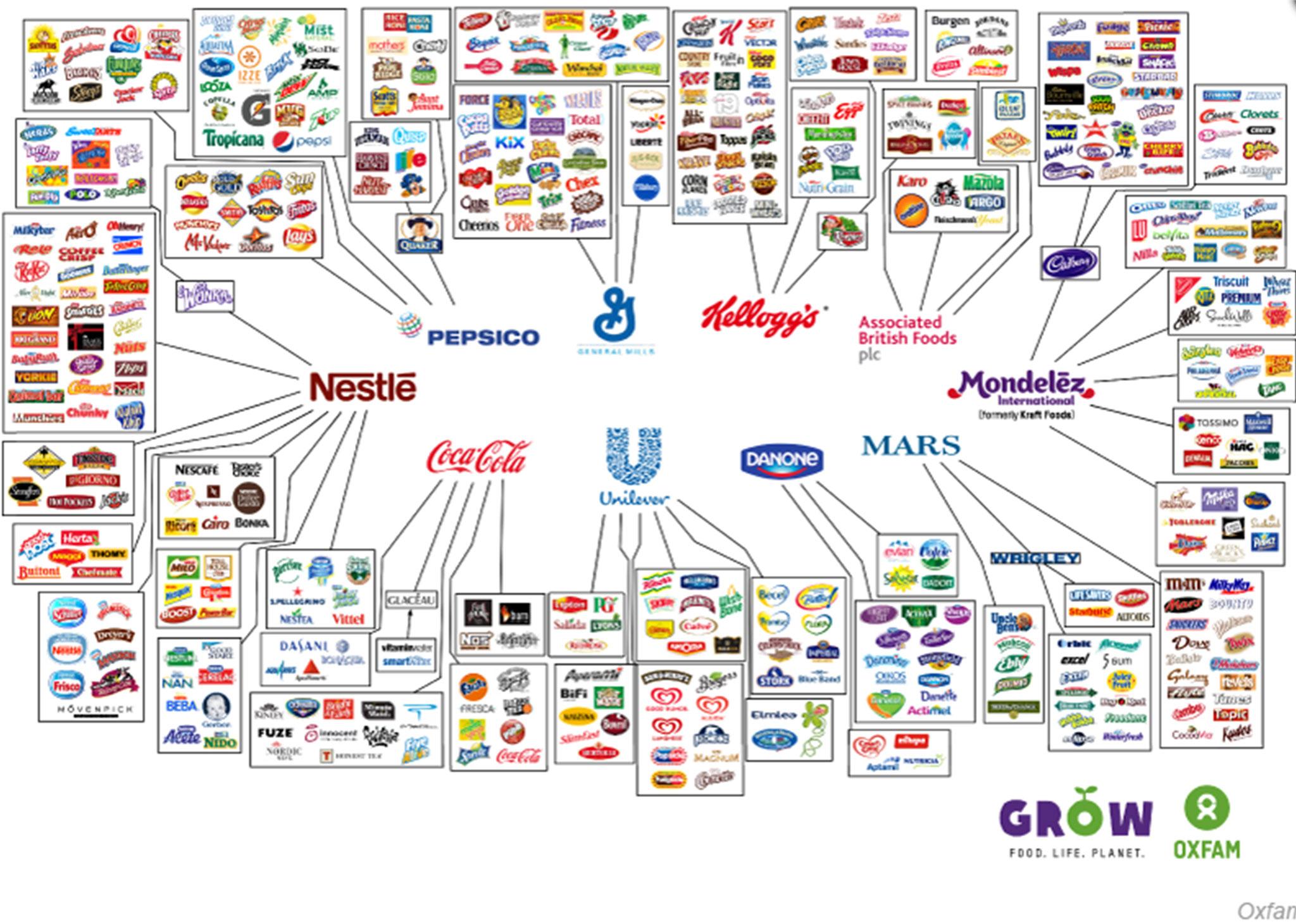
Companies like Procter & Gamble, Coca-Cola, and Johnson & Johnson are the quintessential examples of this category. These firms produce products that consumers need regardless of the state of the economy. Whether there is a recession or a boom, people still buy toothpaste, beverages, and medical supplies. For the investor, these companies represent a lower-volatility option that provides a steady stream of passive income through dividends, which can be reinvested to accelerate compound interest.
Industrial Giants and Global Infrastructure
Beyond consumer goods, the industrial and financial sectors house companies that facilitate global trade. Firms like Caterpillar, 3M, and JPMorgan Chase represent the physical and financial infrastructure of the world. Caterpillar’s machinery builds the roads and mines of the developing world, while JPMorgan Chase manages the capital that funds these massive projects. These companies are deeply cyclical, meaning their performance often reflects the health of the global economy, making them vital barometers for financial analysts.
Emerging Disruptors: Companies Redefining Business Models
The landscape of “what companies” exist is never static. Every decade, a new wave of disruptors emerges to challenge the status quo, often utilizing new technologies to capture market share from legacy players. For the modern investor, identifying these companies early—during their mid-cap or early large-cap stages—is the key to “alpha,” or market-beating returns.
The Rise of Fintech and Neobanks
One of the most significant shifts in the last ten years has been the rise of financial technology (Fintech) companies. Entities like Block (formerly Square), PayPal, and SoFi have challenged traditional banking by offering digital-first experiences. These companies are not just apps; they are full-scale financial ecosystems that handle lending, payments, and investing. They represent a move away from the “brick-and-mortar” banking model toward a decentralized, high-efficiency financial future.
Renewable Energy and the Green Transition
As global policy shifts toward sustainability, a new class of “energy companies” is emerging. While the 20th century was dominated by oil giants like ExxonMobil and Chevron, the 21st century is seeing the rise of firms focused on the energy transition. This includes companies involved in solar technology (Enphase Energy), wind power (NextEra Energy), and the critical minerals supply chain for electric vehicle batteries. These companies represent a high-stakes sector where government subsidies, technological breakthroughs, and environmental mandates create a volatile but potentially lucrative investment landscape.
How to Evaluate Companies for Investment Success
Knowing which companies exist is only the first step; the second is knowing how to value them. In personal finance, the goal is to buy companies when they are undervalued relative to their future earnings potential. This requires a transition from being a consumer of a brand to being an analyst of its business model.
Fundamental Analysis: Beyond the Ticker Symbol
To understand a company’s worth, an investor must look at its balance sheet, income statement, and cash flow statement. Key metrics include:
-
Price-to-Earnings (P/E) Ratio: How much you are paying for each dollar of profit the company generates.
-
Debt-to-Equity Ratio: A measure of how much the company is financed by debt versus its own internal funds.
-
Free Cash Flow: The actual cash a company generates after accounting for capital expenditures; this is the “lifeblood” that funds dividends and stock buybacks.
A “great company” is not always a “great investment” if the price is too high. Successful investing involves finding high-quality companies at a “fair price,” a philosophy popularized by investors like Warren Buffett.
Understanding Competitive Moats
The concept of the “moat” is perhaps the most important qualitative factor in identifying world-class companies. A moat is a structural advantage that protects a company from competitors. This could be a brand (like Apple), a network effect (like Meta’s social platforms), or cost leadership (like Walmart’s massive supply chain). When asking “what are the companies” worth owning, the answer usually lies with those that have the widest and deepest moats, as they are the most likely to maintain their profitability over decades.
The Role of Small-Cap and Private Companies
While the household names dominate the news, the vast majority of companies are actually small-cap or private entities. Small-cap companies (those with a market value between $300 million and $2 billion) often offer the highest growth potential because they have more room to expand. However, they come with significantly higher risk, as they lack the cash reserves and diversified revenue streams of their larger counterparts.
Furthermore, we are seeing a trend where companies stay private longer. Firms like SpaceX or Stripe remain privately held for years, allowing them to grow away from the scrutiny of quarterly earnings reports. For the average investor, accessing these companies usually requires specialized venture capital or private equity funds, highlighting the divide between public market availability and private market growth.
In conclusion, the companies that define our world are more than just logos on a screen or products on a shelf. They are complex financial structures designed to capture value, drive innovation, and return capital to those who provide it. By categorizing the corporate world into tech leaders, blue-chip anchors, and emerging disruptors, an individual can move from a passive observer of the economy to an active participant in global wealth creation. Whether you are looking for the explosive growth of an AI pioneer or the steady income of a dividend aristocrat, understanding the nuances of these companies is the foundation of financial literacy and long-term prosperity.
aViewFromTheCave is a participant in the Amazon Services LLC Associates Program, an affiliate advertising program designed to provide a means for sites to earn advertising fees by advertising and linking to Amazon.com. Amazon, the Amazon logo, AmazonSupply, and the AmazonSupply logo are trademarks of Amazon.com, Inc. or its affiliates. As an Amazon Associate we earn affiliate commissions from qualifying purchases.