
The question “how low will the S&P 500 go?” is one that echoes through the minds of investors, analysts, and everyday savers alike during periods of market volatility and economic uncertainty. As the benchmark for the broader U.S. stock market, the S&P 500’s trajectory is often seen as a barometer for economic health and corporate profitability. While the allure of perfectly timing the market’s bottom is strong, the reality is that such precision is a fool’s errand. Instead, a more pragmatic approach involves understanding the confluence of macroeconomic factors, technical indicators, and corporate fundamentals that influence market movements, and developing a resilient investment strategy accordingly. This article delves into the potential drivers of further downside, historical precedents, and actionable strategies for investors grappling with the perennial question of how much further the market might fall.
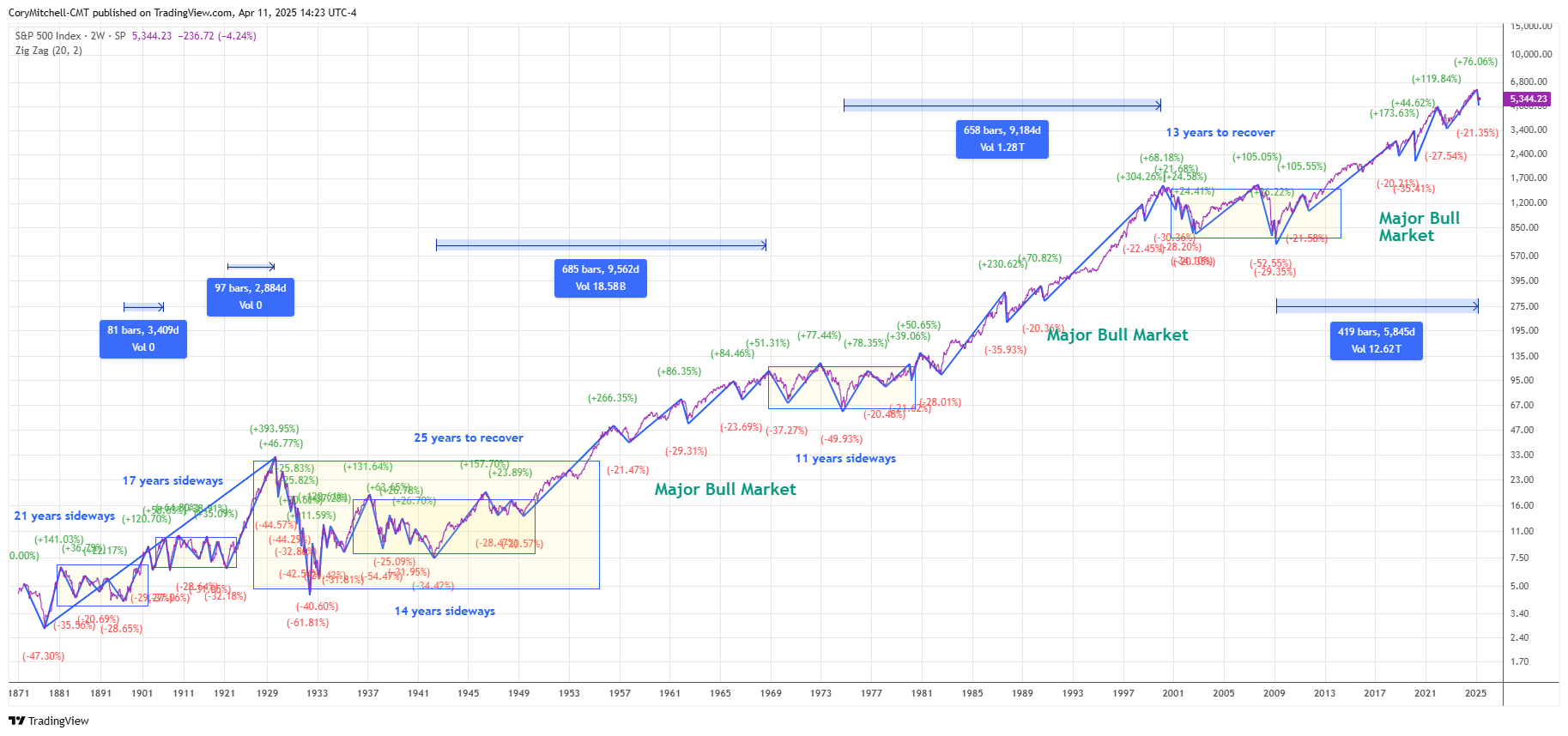
The Macroeconomic Headwinds Weighing on the Market
The current market environment is shaped by a complex interplay of macroeconomic forces, many of which present significant challenges to corporate profitability and investor sentiment. Understanding these overarching trends is crucial for contextualizing the S&P 500’s potential trajectory.
Inflation and Interest Rate Policy
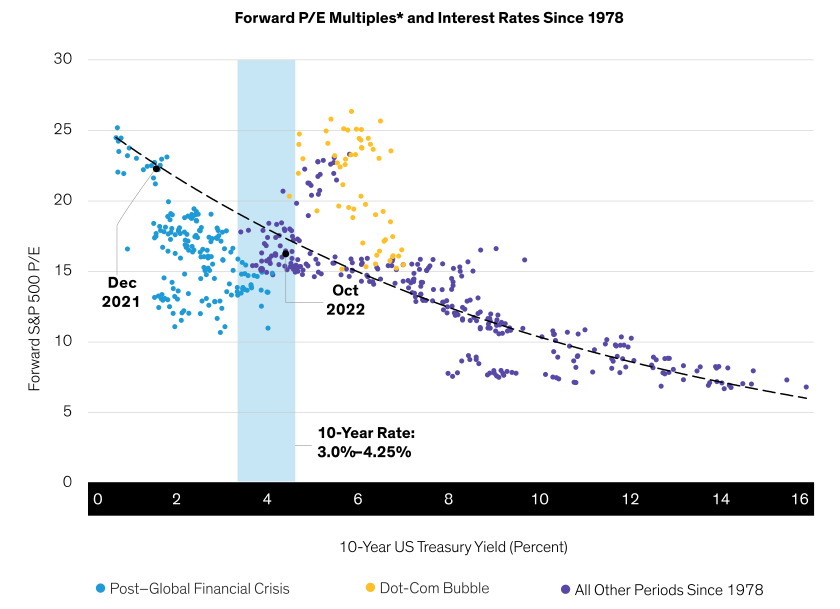
Perhaps the most dominant force currently is the persistent high inflation experienced across major economies. Central banks, particularly the U.S. Federal Reserve, have responded aggressively by raising interest rates at a pace not seen in decades. The goal is to cool demand and bring inflation back to target levels, but this comes with significant implications for the stock market. Higher interest rates increase the cost of borrowing for companies, impacting their expansion plans and profitability. They also make future earnings less valuable in present terms, which can compress valuation multiples for growth stocks. Furthermore, a higher yield on “safe” assets like government bonds makes them more attractive relative to equities, drawing capital away from the stock market. The Fed’s commitment to “higher for longer” interest rates, combined with quantitative tightening (reducing its balance sheet), acts as a significant headwind, making a swift market recovery less likely until inflation is demonstrably under control.
Geopolitical Tensions and Supply Chain Disruptions
Global events continue to cast a long shadow over economic stability. Ongoing geopolitical tensions, such as conflicts in Eastern Europe or shifting international trade relations, introduce uncertainty and can disrupt critical supply chains. These disruptions lead to higher input costs for businesses, affecting their margins, and can contribute to inflationary pressures. For instance, energy price volatility driven by geopolitical factors directly impacts transportation costs and manufacturing expenses across virtually all sectors. The increased fragmentation of global trade and the push towards reshoring or nearshoring production, while potentially beneficial in the long run for national security, often comes with higher initial costs and inefficiencies that can weigh on corporate earnings in the short to medium term. These external shocks are inherently difficult to predict but contribute significantly to the overall risk premium demanded by investors.
Recessionary Fears and Consumer Spending
A looming fear across financial markets is the prospect of a global recession. Aggressive interest rate hikes aimed at taming inflation increase the likelihood of an economic downturn. Indicators such as inverted yield curves, declining manufacturing output, and softening labor markets are often cited as harbingers of recession. Should a recession materialize, it would directly impact consumer spending, which accounts for a substantial portion of economic activity in many developed nations. Reduced consumer confidence leads to lower discretionary spending, which, in turn, translates into lower sales and revenues for companies. Corporate earnings estimates, which are a key driver of stock prices, would likely be revised downwards significantly during a recession, leading to further pressure on the S&P 500. The depth and duration of any potential recession will largely dictate how much the market contracts.
Technical Indicators and Historical Precedents
While macroeconomic factors provide the fundamental backdrop, technical analysis and historical data offer insights into market behavior and potential support levels during a downturn. These tools help investors gauge the market’s psychological state and identify patterns that might suggest where the S&P 500 could find a floor.
Key Support Levels and Valuation Metrics
Technical analysts often look for key support levels on price charts, which represent points where buying interest has historically emerged, preventing further declines. Important levels for the S&P 500 might include previous bear market bottoms, significant moving averages (like the 200-week moving average), or Fibonacci retracement levels from previous peaks. A break below these levels can signal further downside, while holding above them might indicate resilience.
Beyond technicals, valuation metrics play a crucial role. The cyclically adjusted price-to-earnings (CAPE) ratio, or Schiller P/E, which smooths out earnings over 10 years, provides a long-term view of market valuation. Historically, bear market bottoms have often coincided with significantly lower P/E ratios than those seen during market peaks. While the market rarely reaches the absolute lowest historical valuations, a significant compression of valuation multiples is a common feature of deep bear markets. Investors look for signs that the market has become “cheap” enough to attract value buyers.
Bear Market Characteristics and Duration
History provides valuable context, even if it doesn’t repeat precisely. Bear markets (typically defined as a decline of 20% or more from a recent peak) have varied significantly in their depth and duration. The average bear market since World War II has seen declines of around 35-40% and lasted for approximately 10-18 months. However, there have been outliers, such as the dot-com bubble burst (a ~50% decline over 30 months) and the 2008 financial crisis (~57% decline over 17 months).
Understanding the nature of the current bear market is also important. Is it a “cyclical” bear market driven by economic cycles and monetary policy, or a “structural” bear market caused by deeper, more systemic issues? Cyclical bears tend to be less severe and shorter-lived than structural ones. The current market feels more cyclical, driven by inflation and interest rate policy, which historically suggests a potential bottom in line with average bear market statistics, although ongoing geopolitical risks add complexity.
The Role of Investor Sentiment
Market bottoms are often characterized by extreme negative investor sentiment – a phase commonly referred to as “capitulation.” This is when a significant portion of investors throws in the towel, selling their holdings regardless of price, leading to sharp, sudden drops. Sentiment indicators, such as the CBOE Volatility Index (VIX), surveys of individual investors (e.g., AAII Sentiment Survey), and put/call ratios, can offer clues. While high levels of fear and pessimism are painful, they are often contrarian indicators, suggesting that a bottom might be near as there are fewer sellers left to drive prices lower. The journey to a market bottom is rarely smooth; it often involves false dawns and retests of lows, testing the resolve of even the most patient investors.
Corporate Earnings and Fundamental Strength
Ultimately, the S&P 500 is an aggregation of 500 companies, and their collective financial performance is the bedrock of market valuation. A deep dive into corporate earnings and future outlook is essential for assessing the market’s fundamental floor.
Impact of Economic Slowdown on Profitability
As the economy slows, the impact on corporate profitability becomes increasingly evident. Revenues may decline as consumer and business demand weakens, and profit margins can be squeezed by higher input costs (inflation), increased labor expenses, and rising interest payments on debt. During an economic downturn, companies often face a challenging environment where it’s difficult to pass on all cost increases to consumers. Analyst earnings estimates for the S&P 500 tend to be lagging indicators, often only catching up to economic reality after significant market declines have already occurred. Until these estimates fully reflect a potential recessionary environment, there remains a risk of further downward revisions, which could trigger additional selling pressure.
Sectoral Resilience and Vulnerability
Not all sectors are created equal during an economic downturn. “Defensive” sectors, such as utilities, consumer staples, and healthcare, tend to be more resilient. Their products and services are considered necessities, making their demand less elastic to economic cycles. “Growth” sectors, like technology and discretionary consumer goods, which thrive on robust economic expansion and strong consumer spending, are typically more vulnerable during slowdowns. Companies in these sectors often carry higher valuations based on future growth expectations, making them more susceptible to interest rate hikes and reduced consumer confidence. Identifying which sectors are holding up better and which are under severe pressure can provide clues about the market’s overall health and the nature of the downturn.
Guidance and Future Outlook
Beyond historical earnings, corporate guidance and the outlook provided by management teams during earnings calls are critical. As economic conditions deteriorate, companies tend to become more conservative with their forecasts, and many may even withdraw guidance altogether due to heightened uncertainty. When companies lower their future earnings expectations, it signals to the market that the headwinds are real and are impacting their business operations. A series of downward revisions in corporate guidance across multiple sectors can be a powerful indicator that the market has not yet fully priced in the extent of the economic slowdown, suggesting further downside risk for the S&P 500. Conversely, signs of stabilization or even cautious optimism from a broad range of companies could be an early signal of an impending market bottom.
Strategies for Investors in a Down Market
While the exact bottom of the S&P 500 remains unknowable, investors are not powerless. Adopting a disciplined, long-term approach can help navigate volatility and even position portfolios for future growth.
Diversification and Asset Allocation
The cornerstone of prudent investing, diversification, becomes even more critical during volatile periods. Spreading investments across different asset classes (equities, bonds, real estate, commodities), geographies, and sectors can help cushion the blow if one particular area underperforms. Similarly, reviewing and potentially rebalancing one’s asset allocation to align with current risk tolerance and financial goals is crucial. For investors nearing retirement, a more conservative allocation with a higher proportion of bonds might be appropriate, while younger investors with longer time horizons may be able to absorb more equity volatility. A diversified portfolio doesn’t guarantee against losses, but it aims to smooth out returns and reduce exposure to specific risks.
Dollar-Cost Averaging
Attempting to time the market’s bottom is exceedingly difficult. Dollar-cost averaging (DCA) offers a practical alternative. This strategy involves investing a fixed amount of money at regular intervals, regardless of market fluctuations. When prices are high, your fixed sum buys fewer shares; when prices are low, it buys more shares. Over time, this averages out the purchase price and can reduce the risk of investing a large sum at an unfortunate market peak. During a bear market, DCA can be particularly powerful, allowing investors to accumulate more shares at lower prices, which can lead to significant gains when the market eventually recovers.
Focusing on Quality and Long-Term Value
In turbulent times, the focus should shift from speculative growth to quality and fundamental strength. Investors should seek out companies with robust balance sheets, sustainable competitive advantages (moats), consistent free cash flow generation, and a history of profitability, even during downturns. These companies are often better equipped to weather economic storms, maintain dividend payments (if applicable), and emerge stronger on the other side. Valuation also becomes paramount; even a quality company can be a poor investment if bought at an exorbitant price. Look for businesses trading at reasonable valuations relative to their intrinsic worth and future earnings potential.
Maintaining a Cash Reserve
While “cash is trash” during inflationary periods, having a strategic cash reserve can be an invaluable asset in a bear market. This “dry powder” allows investors to capitalize on compelling investment opportunities that arise when the market experiences significant dips or individual stocks become undervalued. It also provides a psychological buffer, reducing the pressure to sell other assets if unexpected expenses arise. The ideal size of a cash reserve will vary based on individual circumstances, but ensuring liquidity beyond an emergency fund is a smart move when uncertainty reigns.
Embracing Uncertainty with a Long-Term View
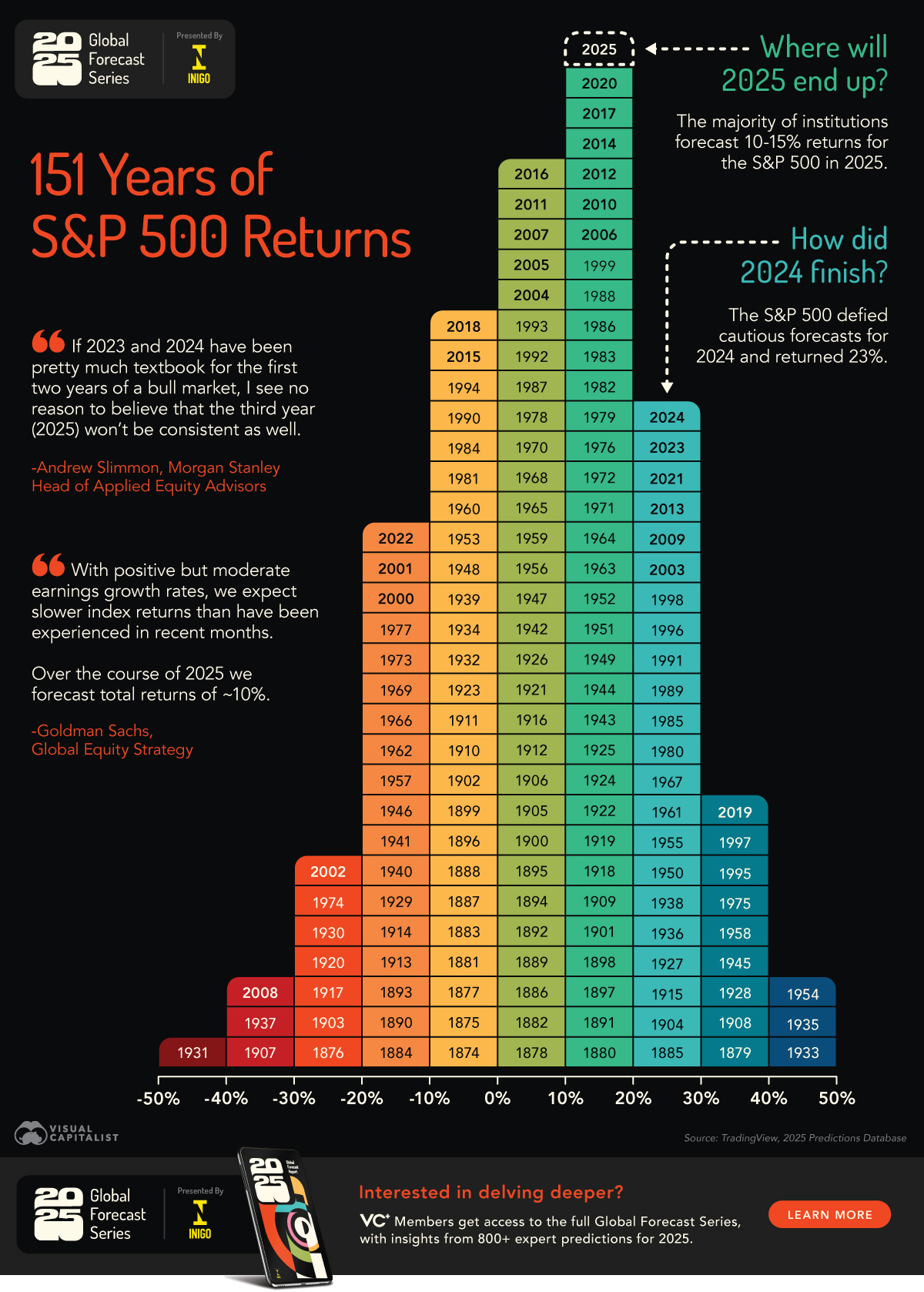
Predicting precisely “how low the S&P 500 will go” is an exercise in futility. The market is a complex, adaptive system influenced by countless variables, human emotion, and unforeseen events. What we do know from history is that bear markets are a natural, albeit painful, part of the investing cycle, and they have always been followed by recoveries and new bull markets.
Instead of fixating on the exact bottom, successful long-term investing during periods of uncertainty requires discipline, patience, and adherence to sound financial principles. By understanding the macroeconomic forces at play, observing technical and fundamental indicators, and employing time-tested strategies like diversification, dollar-cost averaging, and a focus on quality, investors can navigate the current challenges. Market downturns, while uncomfortable, also represent opportunities for those prepared to take a long-term view, allowing them to acquire assets at more attractive valuations and position themselves for the inevitable rebound. The S&P 500 will find its bottom when the market has fully priced in current and future risks, corporate earnings stabilize, and central banks signal a clear path to sustainable economic growth. Until then, resilience and a strategic approach will be an investor’s most valuable assets.
aViewFromTheCave is a participant in the Amazon Services LLC Associates Program, an affiliate advertising program designed to provide a means for sites to earn advertising fees by advertising and linking to Amazon.com. Amazon, the Amazon logo, AmazonSupply, and the AmazonSupply logo are trademarks of Amazon.com, Inc. or its affiliates. As an Amazon Associate we earn affiliate commissions from qualifying purchases.