
The phrase “all-time high” (ATH) often evokes a mix of excitement, apprehension, and curiosity among investors. It signifies a pinnacle, a moment when an asset, commodity, or, in this case, a stock market index, has surpassed all its previous valuation records. For the S&P 500, commonly referred to as “the S,” achieving an all-time high is more than just a numerical milestone; it’s a profound indicator of economic health, corporate profitability, and prevailing investor sentiment.
The S&P 500 is not merely a collection of stocks; it’s a barometer of the U.S. economy, representing 500 of the largest publicly traded companies in the United States, selected by S&P Dow Jones Indices based on criteria such as market size, liquidity, and sector representation. Its performance is meticulously tracked by professional fund managers, individual investors, economists, and policymakers worldwide because it offers a broad and diversified view of the American stock market and, by extension, the economic landscape. When the S&P 500 reaches an all-time high, it suggests that, on aggregate, these leading companies are thriving, and the collective outlook for future earnings and growth is optimistic. This article delves into the significance of the S&P 500’s all-time highs, the factors driving them, and what they mean for investors navigating the complexities of the financial markets.
The S&P 500 Explained: A Bellwether of the U.S. Economy
Before dissecting the concept of an all-time high, it’s crucial to understand what the S&P 500 truly represents and why its movements carry such weight. It is not an arbitrary index but a meticulously curated selection designed to reflect the breadth and depth of the American corporate sector.
What Constitutes the S&P 500?
The S&P 500 is a market-capitalization-weighted index, meaning companies with larger market values have a greater impact on the index’s movement. This methodology ensures that the index accurately reflects the economic influence of its constituent companies. The 500 companies within the index span all major sectors of the economy, including technology, healthcare, financials, consumer discretionary, industrials, and more. This broad diversification makes it a robust measure of overall market performance, mitigating the impact of any single industry’s boom or bust. The S&P 500 also differs from other indices like the Dow Jones Industrial Average (DJIA), which tracks only 30 large companies and is price-weighted, meaning higher-priced stocks have a greater influence. The S&P 500’s broader scope and market-cap weighting are often cited as reasons for its superior representation of the broader market.
Why the S&P 500’s Performance Matters
The S&P 500’s performance is more than just a report card for investors; it’s a critical indicator of economic health, investor sentiment, and wealth creation. A rising S&P 500 often correlates with a healthy economy, robust corporate earnings, and strong consumer confidence. It can signal periods of economic expansion, technological innovation, and increased productivity. For individual investors, the S&P 500 is often the benchmark against which their own portfolios are measured. Millions of retirement accounts and investment funds are directly or indirectly tied to its performance. Therefore, understanding its trajectory, including its all-time highs, is fundamental to assessing one’s financial well-being and making informed investment decisions. Moreover, its trend influences monetary policy decisions, corporate investment strategies, and even consumer spending patterns, cementing its role as a pivotal economic bellwether.
Navigating the S&P 500’s Historical Peaks
The journey to an all-time high is rarely a straight line; it’s a dynamic process influenced by a multitude of economic, corporate, and geopolitical factors. Identifying the most recent peak and understanding its context is key to grasping the market’s current state.
Identifying the Most Recent All-Time High
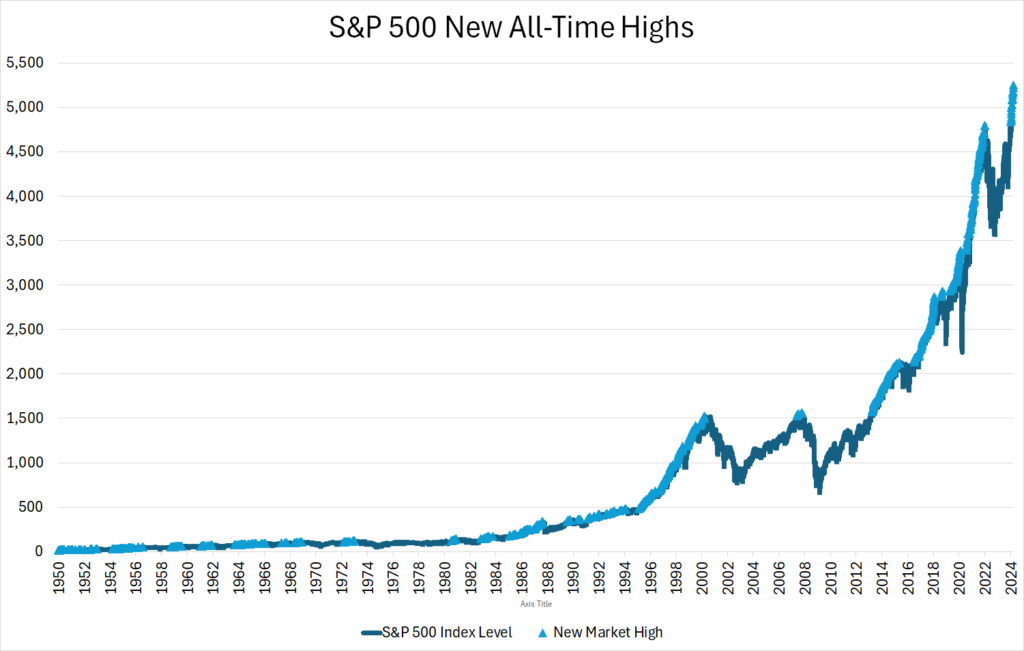
The S&P 500’s all-time high is a constantly moving target, continuously reset as the market ascends. As of my last update, the S&P 500 has consistently reached new peaks, often reflecting periods of strong corporate earnings, technological innovation, and favorable economic conditions. For instance, in late 2023 and early 2024, the index surged past previous records, driven by optimism around artificial intelligence (AI), resilient consumer spending, and the anticipation of potential interest rate cuts. It is important for investors to note that a specific numerical all-time high can become outdated almost daily if the market continues its upward trend. Therefore, the focus should be less on a static number and more on the underlying trends and the drivers behind these record-breaking performances. These peaks represent the culmination of positive market forces, signaling periods of investor optimism and strong economic fundamentals.
Key Drivers Behind Record-Breaking Rallies
Several factors typically converge to propel the S&P 500 to new all-time highs. Strong corporate earnings are arguably the most significant, as robust profits underpin stock valuations. Technological advancements, such as the internet boom of the late 1990s or the recent AI revolution, can ignite investor enthusiasm and drive significant growth in specific sectors, pulling the broader market higher. Favorable monetary policy, characterized by low interest rates and quantitative easing, makes borrowing cheaper for companies and makes equities more attractive compared to bonds. Additionally, global economic stability, geopolitical calm, and positive consumer sentiment can all contribute to a sustained bullish environment. Conversely, a combination of these positive factors can create a “Goldilocks” scenario where economic growth is steady without excessive inflation, leading to prolonged market rallies and new records.
A Glimpse at Past Market Cycles
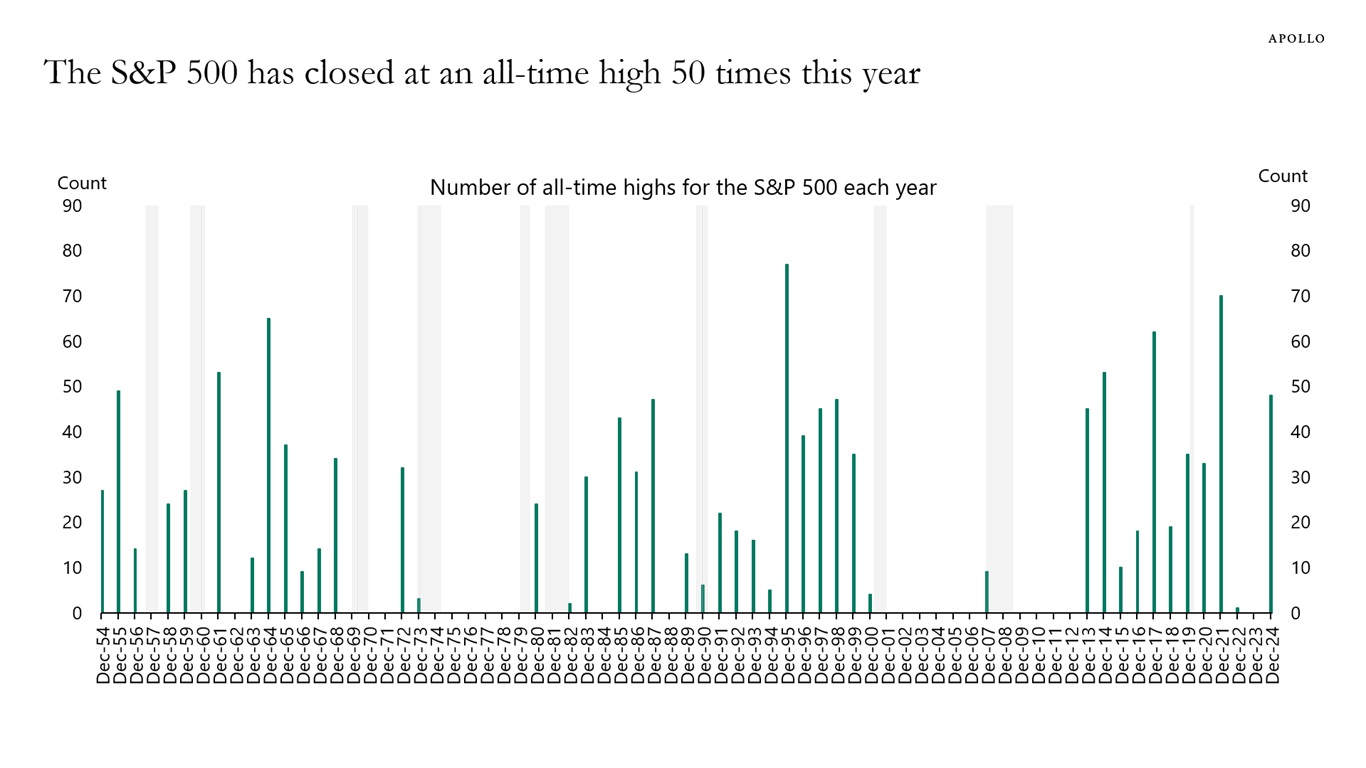
History teaches us that market cycles are inevitable, comprising periods of growth (bull markets), decline (bear markets), and consolidation. The S&P 500 has seen numerous all-time highs throughout its history, each followed by subsequent corrections or bear markets, only to recover and reach new peaks. Notable examples include the dot-com bubble burst in 2000, the 2008 financial crisis, and the COVID-19 pandemic-induced crash in 2020. In each instance, despite significant drawdowns, the S&P 500 eventually recovered, demonstrating the market’s long-term resilience and upward bias. Understanding these cycles is crucial for investors, as it provides perspective that current highs are part of a larger, often volatile, but ultimately progressive trend. It reinforces the idea that market declines are temporary and often present buying opportunities for long-term investors.
The Psychological and Practical Implications of Market Peaks
When the market consistently hits new all-time highs, it profoundly impacts investor psychology and raises practical questions about valuation and future prospects.
Investor Sentiment: FOMO, Euphoria, and Prudence
Market peaks can elicit strong emotional responses. The fear of missing out (FOMO) often drives reluctant investors into the market, fearing they will be left behind as others profit. This can lead to euphoria, where rational decision-making is clouded by optimism and speculation. However, seasoned investors often respond with a degree of prudence. They understand that while new highs are positive, they can also signal increased risk and potentially stretched valuations. The challenge lies in balancing the excitement of growth with the discipline of risk management, avoiding emotional decisions that could lead to poor outcomes if the market corrects. Maintaining a long-term perspective helps to temper these short-term emotional swings.
Valuation Concerns: Are We in a Bubble?
Persistent all-time highs naturally lead to questions about market valuations. Metrics like the price-to-earnings (P/E) ratio, earnings yield, and market capitalization-to-GDP are closely scrutinized. When these metrics exceed historical averages, it can suggest that the market is overvalued, increasing the risk of a correction. However, judging whether the market is “in a bubble” is notoriously difficult. Factors such as lower interest rates can justify higher P/E ratios, as future earnings are discounted at a lower rate. Technological advancements can also lead to sustained higher growth rates for certain companies, making their higher valuations more palatable. Investors must look beyond simple ratios and consider the broader economic context, corporate innovation, and the trajectory of earnings growth when assessing current valuations.
The Impact on Long-Term Investing Strategies
For long-term investors, market highs should reinforce the importance of a disciplined strategy rather than trigger panic or aggressive changes. While it’s tempting to try and time the market by selling at the top, such efforts are rarely successful. Instead, all-time highs should prompt investors to review their asset allocation, rebalance their portfolios if necessary, and ensure they remain diversified. It’s a reminder that consistently investing over the long haul, through both highs and lows, typically yields the best results. A market at an all-time high is also an opportune moment to take some profits from overperforming assets and redeploy them into areas that may be undervalued or align better with one’s desired risk profile.
Investing Strategies When the Market is at an All-Time High
Navigating a market that consistently sets new records requires a thoughtful approach, balancing enthusiasm with strategic foresight. It’s not a time to become complacent, but rather to reinforce sound investment principles.
Embracing a Long-Term Perspective and Dollar-Cost Averaging
Perhaps the most enduring advice for investors, especially when the market is at an all-time high, is to maintain a long-term perspective. History demonstrates that over extended periods, the stock market, particularly indices like the S&P 500, tends to trend upwards despite short-term fluctuations. Trying to time the market by buying low and selling high is exceedingly difficult and often counterproductive. Instead, dollar-cost averaging—investing a fixed amount of money at regular intervals, regardless of the market’s performance—can be highly effective. This strategy ensures you buy more shares when prices are low and fewer when prices are high, smoothing out your average purchase price over time and reducing the risk of investing a lump sum right before a correction.
Diversification and Rebalancing Your Portfolio
Diversification is paramount in any market condition, but it becomes particularly crucial when the market is at an all-time high. A well-diversified portfolio spreads risk across various asset classes, sectors, and geographies, reducing the impact of a downturn in any single area. Rebalancing, which involves periodically adjusting your portfolio back to your target asset allocation, is also essential. If, for instance, equities have performed exceptionally well and now constitute a larger portion of your portfolio than initially intended, rebalancing means selling some of those high-performing stocks and investing in underperforming assets (like bonds) or increasing your cash position. This practice helps to lock in gains and manage risk, ensuring your portfolio remains aligned with your risk tolerance.
Focusing on Quality and Fundamentals
When the market is exuberant and new highs are common, speculative investments can proliferate. However, smart investing during these times means focusing on quality companies with strong fundamentals. Look for businesses with solid balance sheets, consistent earnings growth, competitive advantages, and proven management teams. These companies are more likely to weather potential downturns and continue to deliver value over the long term, even if the broader market experiences a correction. Avoid chasing “hot” stocks based solely on hype; instead, conduct thorough research and understand the underlying business before committing capital. Value investing principles, even in a growth market, remain relevant.
The Role of Cash and Opportunity
Maintaining a reasonable cash position can be a prudent strategy when the market is at an all-time high. While cash doesn’t generate significant returns, it provides liquidity and flexibility. Should the market experience a correction or a bear market, having cash on hand allows you to seize potential buying opportunities at lower prices. This “dry powder” can be a strategic advantage, enabling you to invest in quality assets when they are undervalued, potentially accelerating your long-term returns. However, holding too much cash can also be detrimental, as you risk missing out on continued market gains. The key is to find a balance that aligns with your individual financial plan and risk appetite.
Beyond the Number: What All-Time Highs Truly Signify
While the numerical value of an all-time high is interesting, its true significance lies in the broader narrative it tells about the economy, innovation, and the enduring power of long-term investing.
A Reflection of Economic Adaptation and Innovation
The S&P 500’s ability to consistently reach new all-time highs is a testament to the U.S. economy’s remarkable capacity for adaptation and innovation. Companies within the index are not static; they evolve, innovate, and disrupt. From industrial giants of the past to today’s technology behemoths, the composition of the S&P 500 continuously shifts, reflecting fundamental changes in the economy. New highs indicate that the leading companies are effectively navigating challenges, embracing technological advancements, and finding new avenues for growth, thereby contributing to broader economic progress and prosperity. It signals a dynamic economy where businesses are successfully reinventing themselves and creating new value.
The Power of Compounding and Long-Term Growth
All-time highs are tangible proof of the power of compounding and the market’s long-term upward bias. Over decades, despite numerous recessions, market crashes, and geopolitical crises, the S&P 500 has demonstrated an impressive average annual return. These peaks represent the compounding effect of corporate earnings growth, dividend reinvestment, and increasing shareholder value over time. For investors, it underscores the importance of starting early, investing consistently, and allowing their capital to grow through the magic of compounding, rather than being deterred by short-term volatility or the fear of a looming correction.

The Inevitability of Volatility
Finally, all-time highs must be viewed within the context of market volatility. While new peaks are celebrated, the financial markets are inherently cyclical and subject to fluctuations. Corrections (declines of 10-20%) and bear markets (declines of 20% or more) are natural parts of the economic cycle. An all-time high today does not guarantee continued gains tomorrow, nor does it preclude a future downturn. Understanding this inevitability allows investors to prepare mentally and financially for periods of decline, viewing them as temporary setbacks or even opportunities rather than reasons for panic. It reinforces the importance of a well-thought-out investment plan that can withstand various market conditions.
In conclusion, the all-time high for the S&P 500 is far more than a simple numerical record. It is a powerful symbol of economic resilience, corporate dynamism, and the long-term growth potential inherent in the market. While it can trigger emotional responses and raise questions about valuation, for the disciplined investor, it serves as a reminder to adhere to sound financial principles: maintain a long-term perspective, diversify, rebalance, and focus on quality. Ultimately, understanding the forces that drive these peaks and their broader implications empowers investors to make more informed decisions, fostering sustained wealth creation through all phases of the market cycle.
aViewFromTheCave is a participant in the Amazon Services LLC Associates Program, an affiliate advertising program designed to provide a means for sites to earn advertising fees by advertising and linking to Amazon.com. Amazon, the Amazon logo, AmazonSupply, and the AmazonSupply logo are trademarks of Amazon.com, Inc. or its affiliates. As an Amazon Associate we earn affiliate commissions from qualifying purchases.