
The landscape of personal finance has undergone a seismic shift over the last decade. Gone are the days when placing a trade required a phone call to a high-commission broker or sitting in front of a complex terminal reserved for institutional professionals. Today, the power of the global markets resides in the palm of your hand. However, as the number of available platforms has ballooned, the question of “what is the best stock trading app” has become increasingly difficult to answer.
The reality is that there is no single “best” app for every individual. The right choice depends heavily on your financial goals, your level of experience, and your specific trading style. Whether you are a long-term investor looking to build a retirement nest egg or a high-frequency day trader seeking advanced technical indicators, the following guide breaks down the top-tier options available in today’s market.
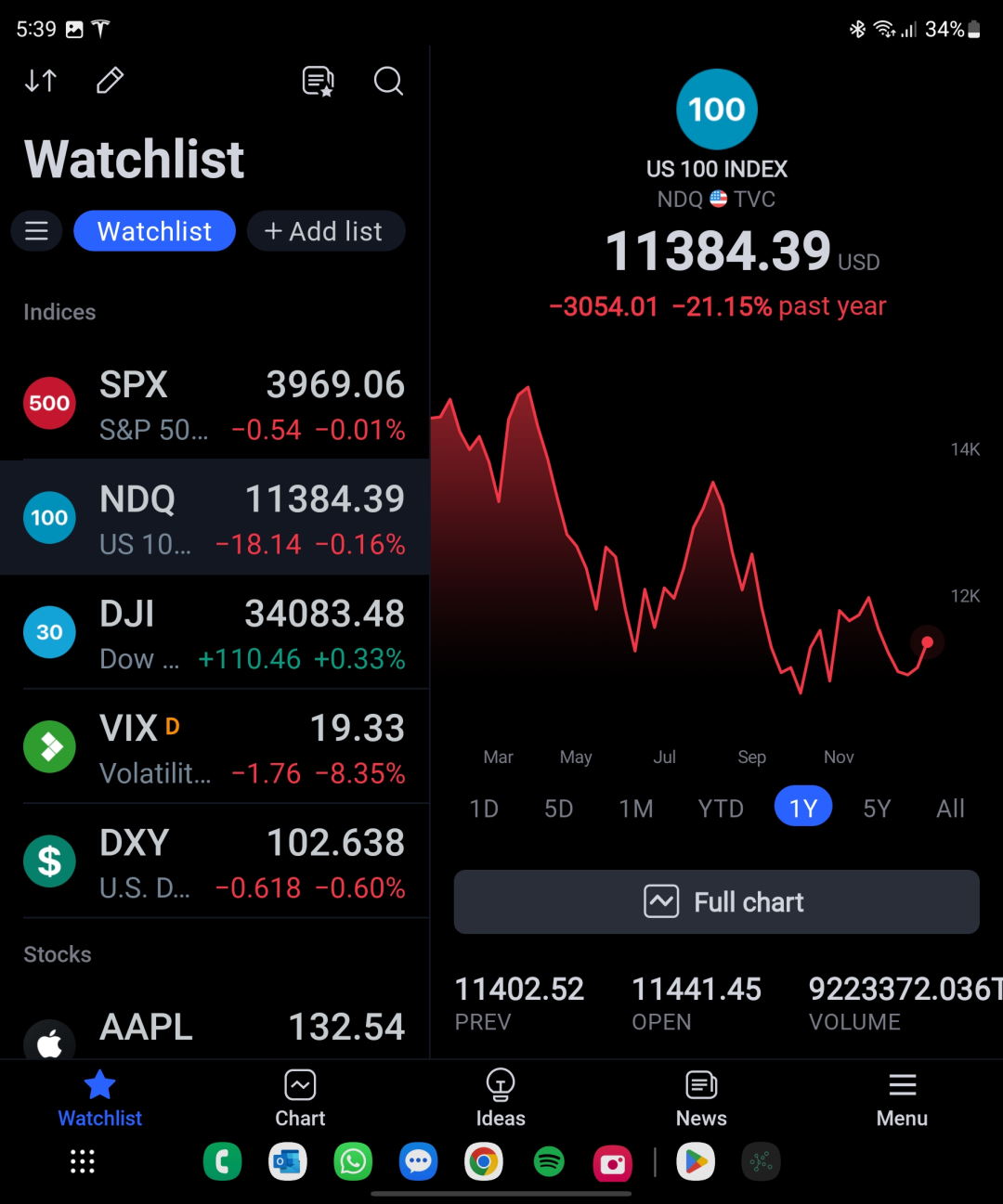
Evaluating Your Needs: How to Choose a Trading Platform
Before diving into specific apps, it is crucial to establish the criteria for evaluation. A platform that works for a seasoned options trader might be overwhelming and counterproductive for a beginner interested in fractional shares.
Cost Structure and Commission Fees
The industry standard for retail trading has shifted toward zero-commission trades for stocks and ETFs. However, “free” is rarely truly free. Investors must look deeper into the fee schedules. Some platforms charge per-contract fees for options, while others may have higher margin rates (the interest you pay to borrow money for trading). Additionally, many apps utilize Payment for Order Flow (PFOF), a practice where they receive compensation for directing trades to specific market makers. While this facilitates zero-commission trades, it can sometimes result in slightly less favorable execution prices.
User Experience and Interface Design
An app’s interface is more than just an aesthetic choice; it impacts your ability to execute trades accurately and quickly. A clean, intuitive design is essential for beginners to avoid costly mistakes. Conversely, experienced traders often prefer a “data-heavy” interface that allows them to view multiple charts, Level 2 market data, and news feeds simultaneously. The best apps manage to balance these needs, offering a simplified “lite” mode alongside a “pro” version.
Educational Resources and Research Tools
For the self-directed investor, information is the most valuable asset. The top trading apps provide more than just a “buy” button; they offer robust research suites. This includes real-time news from sources like Reuters or Bloomberg, analyst ratings, earnings call transcripts, and comprehensive financial statements. For beginners, educational content—such as video tutorials on how to read a balance sheet or explainers on complex derivatives—is a vital feature that separates premium platforms from basic ones.
Top Contenders in the Current Market
While dozens of apps compete for market share, a few have consistently risen to the top by offering a superior blend of reliability, features, and value.
Fidelity: The Best All-Rounder
Fidelity has successfully bridged the gap between a traditional, powerhouse brokerage and a modern, mobile-first experience. It is frequently cited as the best overall choice for the average investor. One of its standout features is “Fidelity Spire,” an app designed specifically to help users plan and save for goals while investing.
Fidelity stands out because it does not participate in PFOF for stocks and ETFs, meaning investors often get better price execution. Furthermore, they offer fractional shares for over 7,000 stocks and ETFs, allowing users to invest as little as $1 in expensive stocks like Amazon or Berkshire Hathaway. Their customer service is also top-tier, providing 24/7 support that many “fintech-only” apps lack.
Charles Schwab: Leading the Pack in Research
Following its acquisition of TD Ameritrade, Charles Schwab has become a behemoth in the retail trading space. The crown jewel of their mobile offering is the “thinkorswim” platform. Originally a TD Ameritrade product, thinkorswim is arguably the most powerful mobile trading app available today. It provides professional-grade charting tools, hundreds of technical indicators, and a “paper trading” feature that allows beginners to practice with virtual money before risking their capital.
For those who aren’t active traders, the standard Schwab mobile app provides an exceptional research experience. Users get access to Schwab’s proprietary equity ratings and detailed reports from Morningstar and CFRA.
Robinhood: The Pioneer of Mobile-First Trading
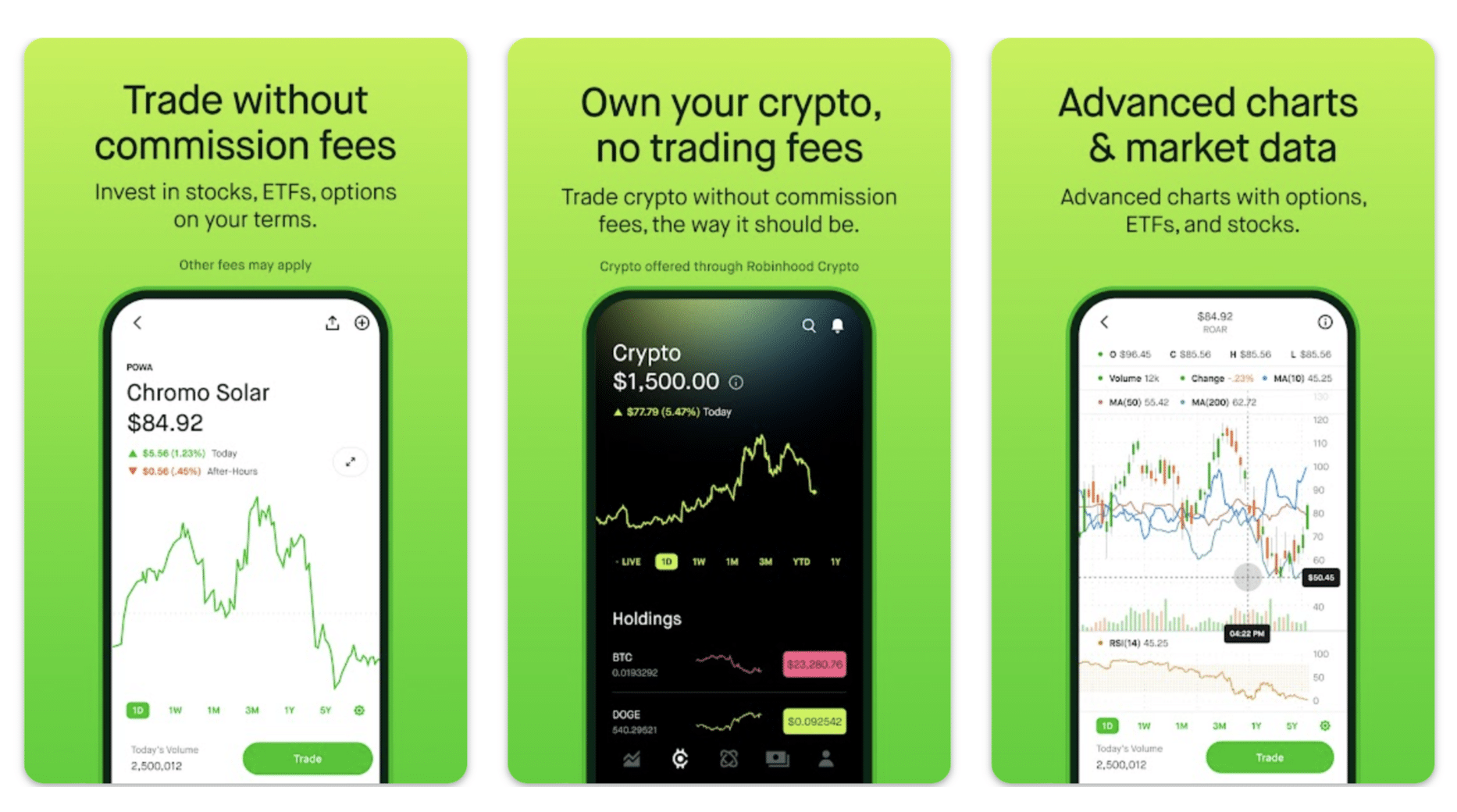
No discussion of trading apps is complete without Robinhood. They revolutionized the industry by introducing zero-commission trading and a simplified, “gamified” user interface. While it has faced criticism in the past regarding service outages and its influence on volatile “meme stocks,” Robinhood remains the gold standard for ease of use.
The app is incredibly streamlined, making it perfect for someone who wants to check their portfolio and execute a trade in seconds. Recent updates have added more “grown-up” features, such as a competitive 3% match on IRA contributions for Gold members and a 24-hour market that allows trading in select stocks five days a week, around the clock.
Interactive Brokers (IBKR): The Professional’s Choice
If you are an international investor or a professional-level trader, Interactive Brokers is often the preferred choice. Their “IBKR Mobile” app provides access to over 150 markets in 33 countries. While the interface has a steeper learning curve than Robinhood or Fidelity, it offers unparalleled depth.
IBKR is known for having the lowest margin rates in the industry, which is a massive advantage for traders who use leverage. They also offer a “Lite” version for retail traders with zero commissions and a “Pro” version that uses a transparent, volume-based pricing model designed for high-frequency execution.
Niche Platforms for Specific Investor Profiles
Beyond the “Big Four,” several platforms cater to specific philosophies or needs within the personal finance ecosystem.
Webull for Active Traders and Technical Analysis
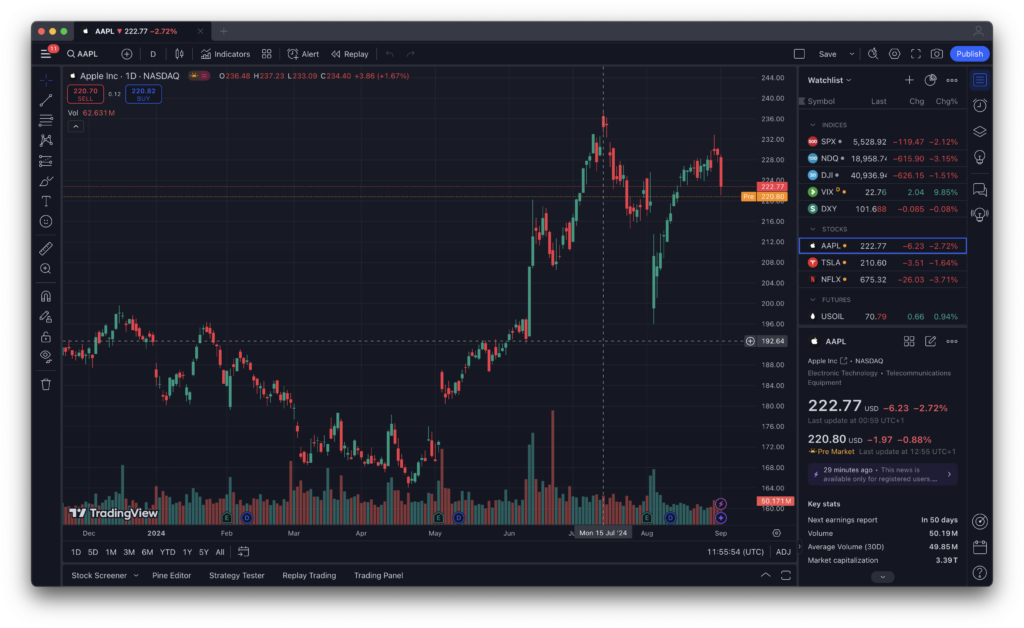
Webull is often seen as the middle ground between Robinhood and thinkorswim. It offers a sleek, modern mobile interface but includes much more advanced technical analysis tools than Robinhood. Webull’s charting capabilities are excellent, featuring a wide array of technical indicators and drawing tools. They also offer extended hours trading (from 4:00 AM to 8:00 PM ET), which is vital for traders who want to react to earnings reports that are released outside of standard market hours.
E*TRADE for Retirement Planning
Now owned by Morgan Stanley, ETRADE remains a formidable force, particularly for those focused on long-term wealth building and retirement. Their “Power ETRADE” app is highly regarded for its options trading tools, featuring strategy scanners and risk-reward diagrams. For the long-term investor, E*TRADE provides excellent tools for managing IRAs and 401(k) rollovers, backed by the institutional stability of Morgan Stanley.
Public for Community-Driven Investing
Public.com has carved out a niche by turning investing into a social experience. The app features a social feed where investors can see what others are buying (without seeing the dollar amounts), share insights, and follow curated “themes” like “Women in Charge” or “Green Energy.” Recently, Public has expanded beyond stocks to include high-yield cash accounts, bonds, and even alternative assets like fine art and royalties, making it a comprehensive “wealth” app rather than just a stock app.
Security and Regulatory Compliance: Protecting Your Capital
When choosing a trading app, the “shiny” features should never overshadow the fundamental security of your money. In the world of finance, regulatory oversight is your primary line of defense.
SIPC and FDIC Insurance
Any reputable stock trading app must be a member of the Securities Investor Protection Corporation (SIPC). This protects customers if the brokerage firm fails; SIPC covers up to $500,000 (including a $250,000 limit for cash). It is important to note that SIPC does not protect you against market losses—it only protects the assets held in your account from a firm’s insolvency. Many apps also offer FDIC-insured “cash sweeps,” where your uninvested cash is moved to partner banks to ensure it is protected by the government.
Two-Factor Authentication and Data Privacy
In the digital age, cybersecurity is paramount. The best apps require multi-factor authentication (MFA), biometric logins (FaceID or fingerprints), and provide instant alerts for any account activity. Before committing to a platform, review their data privacy policy to ensure they are not selling your personal information to third parties in a way that compromises your security.
The Future of Retail Trading Technology
The evolution of trading apps is far from over. As we look toward the future of personal finance, several trends are set to redefine what we expect from these platforms.
Artificial Intelligence and Automated Portfolios
We are seeing an influx of AI-driven tools within trading apps. Some platforms now offer “AI assistants” that can summarize earnings reports or scan the market for patterns that match a user’s historical trading preferences. Additionally, the line between self-directed trading and robo-advisory is blurring. Many apps now allow you to “auto-invest” into custom pies or buckets of stocks, rebalancing your portfolio automatically as market prices shift.
Fractional Shares and Lowering the Barrier to Entry
The democratization of finance continues through fractional shares. By allowing users to buy 0.001% of a share, apps have made it possible for anyone, regardless of income level, to own a piece of the world’s most successful companies. This feature has fundamentally changed how young people approach investing, shifting the mindset from “saving up to buy a stock” to “investing whatever I have right now.”
In conclusion, the “best” stock trading app is the one that aligns with your financial strategy and makes you feel confident in your decisions. For a seamless, sophisticated experience, Fidelity and Schwab are hard to beat. For those prioritizing mobile agility and ease of use, Robinhood and Webull lead the pack. Ultimately, the software is just a tool; the most important factor in your financial success remains your disciplined approach to the market and your commitment to long-term growth.
aViewFromTheCave is a participant in the Amazon Services LLC Associates Program, an affiliate advertising program designed to provide a means for sites to earn advertising fees by advertising and linking to Amazon.com. Amazon, the Amazon logo, AmazonSupply, and the AmazonSupply logo are trademarks of Amazon.com, Inc. or its affiliates. As an Amazon Associate we earn affiliate commissions from qualifying purchases.