
In the complex landscape of American finance, the question of ownership often reveals a sophisticated web of institutional power, individual investment, and historical mergers. For those asking “who owns Regions Bank,” the answer is not a single individual or a private family, but rather a vast collective of shareholders. Regions Bank is the primary subsidiary of Regions Financial Corporation, a publicly traded entity listed on the New York Stock Exchange under the ticker symbol “RF.” As a member of the S&P 500 and one of the largest full-service providers of consumer and commercial banking, wealth management, and mortgage products in the United States, its ownership structure serves as a blueprint for the modern regional banking model.
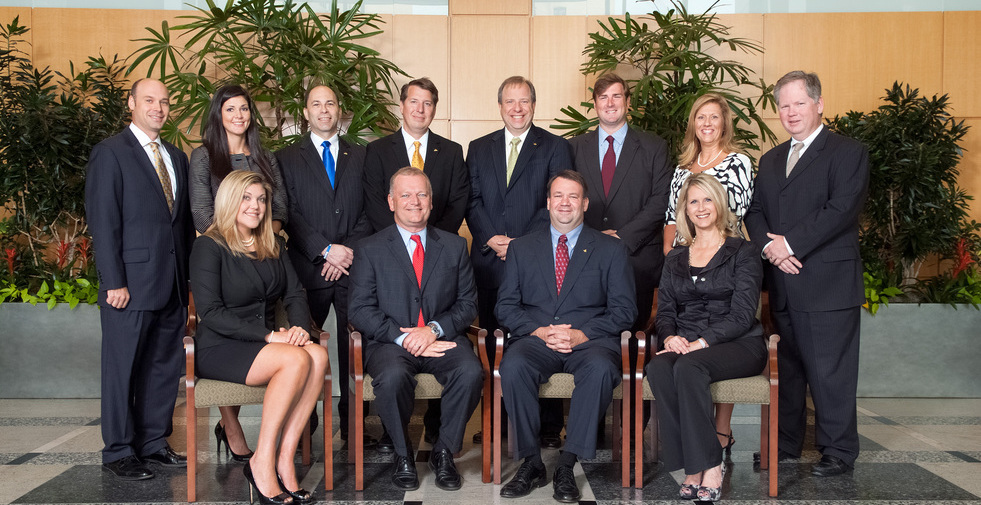
Understanding the ownership of Regions Bank requires an analysis of its parent company, Regions Financial Corporation. Headquartered in Birmingham, Alabama, the bank has grown from a regional southern player into a financial powerhouse with billions in assets. Because it is a public company, its “owners” are anyone—from retail investors with a few shares in a brokerage account to massive global asset management firms—who holds its common stock.
The Public Ownership Model: Understanding Regions Financial Corporation
The transition from a localized bank to a massive publicly traded corporation is a hallmark of the American financial system. Regions Bank operates as a traditional commercial bank, but its strategic direction, capital allocation, and ultimate accountability lie with the shareholders of Regions Financial Corporation. This structure ensures that the bank is subject to rigorous transparency requirements mandated by the Securities and Exchange Commission (SEC).
Institutional Shareholders: The Power Behind the Scenes
The lion’s share of Regions Financial Corporation is held by institutional investors. These are large organizations—such as mutual funds, pension funds, and insurance companies—that trade securities in quantities great enough to qualify for preferential treatment and lower commissions. In the case of Regions, institutional ownership typically hovers between 75% and 85% of total outstanding shares.
The dominance of institutional investors means that the “owners” of the bank are, in many ways, the millions of people whose retirement accounts and mutual funds are managed by these giants. When a teacher in California contributes to a pension fund, or a young professional in New York buys an S&P 500 index fund, they likely hold a fractional ownership stake in Regions Bank. This collective ownership provides the bank with a stable capital base but also subjects the leadership to intense pressure to perform and deliver quarterly dividends.
The Role of Retail and Individual Investors
While institutions hold the majority, retail investors—everyday people buying and selling stock through platforms like Vanguard, Charles Schwab, or Fidelity—account for a significant portion of the remaining shares. This segment of ownership represents the democratization of finance. Individual owners are entitled to vote on corporate matters, such as the election of the board of directors and the approval of executive compensation packages. Although a single retail investor has minimal influence compared to a firm like BlackRock, the aggregate voice of individual shareholders remains a critical component of the bank’s corporate identity.
Key Institutional Players and Their Influence
To truly identify who owns Regions Bank, one must look at the specific firms that hold the largest blocks of stock. As of the most recent filings, the “Big Three” asset managers—Vanguard, BlackRock, and State Street—feature prominently on the list of major shareholders.
Vanguard Group, Inc.
The Vanguard Group is frequently the largest shareholder of Regions Financial Corporation. As a pioneer of low-cost index fund investing, Vanguard holds shares of Regions primarily through its various mutual funds and ETFs. Because Vanguard is owned by its funds, which are in turn owned by their investors, the ownership of Regions Bank through Vanguard is perhaps the most direct link to the American public. Vanguard’s stake often exceeds 10% of the total outstanding shares, giving it significant weight in shareholder votes.
BlackRock, Inc.
Close behind Vanguard is BlackRock, the world’s largest asset manager. Through its iShares line of ETFs and various institutional accounts, BlackRock maintains a massive stake in the regional banking sector. BlackRock’s investment philosophy often emphasizes ESG (Environmental, Social, and Governance) criteria, meaning their ownership of Regions Bank also involves an ongoing dialogue regarding the bank’s sustainability practices, community reinvestment, and diversity initiatives.
State Street Corporation
As the third major institutional pillar, State Street Corporation holds shares primarily through its State Street Global Advisors division. Their ownership is often tied to the performance of the broader financial sector. When large-scale investors want exposure to mid-cap or large-cap regional banks, they often do so through instruments managed by State Street, effectively making them a “custodial owner” of the bank’s equity.
Internal Ownership and Corporate Governance

While external institutions hold the bulk of the equity, internal ownership—the shares held by the bank’s own executives and board members—is a crucial metric for financial health. Insider ownership aligns the interests of the people running the bank with the interests of the shareholders.
Insider Holdings and Executive Leadership
The executive leadership team at Regions, including the CEO and various divisional heads, are required and encouraged to hold significant amounts of RF stock. This “skin in the game” ensures that leadership is motivated to maintain the bank’s long-term solvency and profitability. If the bank performs well, the value of their personal portfolios increases; if the bank takes unnecessary risks that lead to a stock price decline, the executives suffer direct financial consequences.
Typically, insider ownership at a large-cap bank like Regions represents less than 1% of the total shares outstanding. While this may seem small in percentage terms, the dollar value often runs into the tens or hundreds of millions, representing a substantial commitment from the individuals at the helm.
The Board of Directors
The Board of Directors serves as the bridge between the shareholders (the owners) and the management. They are not the “owners” in a traditional sense, but they are the fiduciaries elected by the owners to oversee the bank’s operations. The board is responsible for hiring the CEO, approving major strategic shifts, and ensuring that the bank remains in compliance with federal regulations. The composition of the board—which includes experts in finance, technology, and risk management—reflects the diverse needs of a modern financial institution.
Historical Evolution: From Regional Roots to a Financial Powerhouse
The ownership of Regions Bank today is the result of decades of consolidation and strategic growth. To understand the current ownership structure, one must look at the bank’s lineage, which is rooted in the 1971 formation of First Alabama Bancshares.
The Merger Era
The most significant shift in ownership and scale occurred in 2006, when Regions Financial Corporation merged with AmSouth Bancorporation. This was a “merger of equals” that created one of the largest banking entities in the Southeast. At that moment, the ownership base of both banks was combined, diversifying the shareholder list and significantly increasing the company’s market capitalization.
Prior to the AmSouth merger, Regions had already expanded through the acquisition of Union Planters in 2004. Each of these mergers brought in new shareholders from different geographic regions, shifting the ownership profile from a strictly Alabama-centric base to a nationwide investor pool. This history of consolidation is why many long-term shareholders in the South still hold “legacy” shares that have split and transitioned through multiple corporate identities.
Navigating the Financial Crisis
The ownership structure of Regions Bank faced its greatest test during the 2008 financial crisis. Like many large banks, Regions participated in the Troubled Asset Relief Program (TARP), where the U.S. Treasury temporarily became a “stakeholder” by purchasing preferred stock to stabilize the financial system. Regions eventually repurchased these shares and exited the program, returning the bank fully to private and institutional ownership. This period was a turning point, as it led to stricter federal oversight (such as the Dodd-Frank Act), which fundamentally changed how the owners of banks must manage capital and risk.
What Ownership Structure Means for the Average Consumer
For the average person with a checking account at Regions Bank, the fact that the bank is owned by institutional investors and public shareholders might seem like a distant corporate reality. However, this ownership structure has a direct impact on the services and security the bank provides.
Stability and Regulatory Oversight
Because Regions is a publicly owned, S&P 500 company, it is subject to intense scrutiny. It must pass annual “stress tests” conducted by the Federal Reserve to ensure it has enough capital to survive an economic downturn. The owners—particularly the large institutions—demand this level of transparency and safety because they want to protect their investment. For the consumer, this means their deposits are managed by an institution that is held to the highest standards of financial accountability.

Dividends and Shareholder Value
A significant portion of Regions’ corporate strategy is dedicated to returning value to its owners through dividends. For many investors, Regions is seen as a “value stock” that provides a steady stream of income. This focus on dividend health often translates into a conservative lending approach and a focus on high-quality assets. While the bank must remain competitive in terms of interest rates and technology, its primary mandate from its owners is to maintain a sustainable, profitable business model that can support consistent payouts.
In conclusion, “who owns Regions Bank” is a question with a multi-layered answer. In the legal and financial sense, it is owned by the shareholders of Regions Financial Corporation, dominated by global asset management firms like Vanguard and BlackRock. In a broader sense, it is owned by the thousands of individual investors and employees who hold its stock. This public ownership model ensures that the bank operates as a transparent, regulated, and vital piece of the American financial infrastructure, balancing the need for profit with the necessity of serving its millions of customers across the country.
aViewFromTheCave is a participant in the Amazon Services LLC Associates Program, an affiliate advertising program designed to provide a means for sites to earn advertising fees by advertising and linking to Amazon.com. Amazon, the Amazon logo, AmazonSupply, and the AmazonSupply logo are trademarks of Amazon.com, Inc. or its affiliates. As an Amazon Associate we earn affiliate commissions from qualifying purchases.