
In today’s dynamic business environment, mastering financial tools is no longer a luxury but a necessity. For countless businesses, large and small, QuickBooks stands as the quintessential accounting software, simplifying complex financial tasks from invoicing to payroll. Consequently, becoming QuickBooks certified is an invaluable step for anyone aspiring to excel in finance, bookkeeping, or small business management. This certification not only validates your proficiency in a critical financial tool but also unlocks a myriad of career opportunities, enhances your earning potential, and empowers you to manage financial operations with unparalleled confidence and efficiency. This article delves into the journey of achieving QuickBooks certification, framing it within the broader context of financial expertise, career advancement, and wealth creation.
Understanding QuickBooks Certification: A Gateway to Financial Proficiency
At its core, QuickBooks certification is a testament to an individual’s deep understanding and practical application of the QuickBooks software. It signifies that you possess the skills necessary to handle diverse financial scenarios within the program, from routine transactions to complex reporting.
What is QuickBooks Certification?
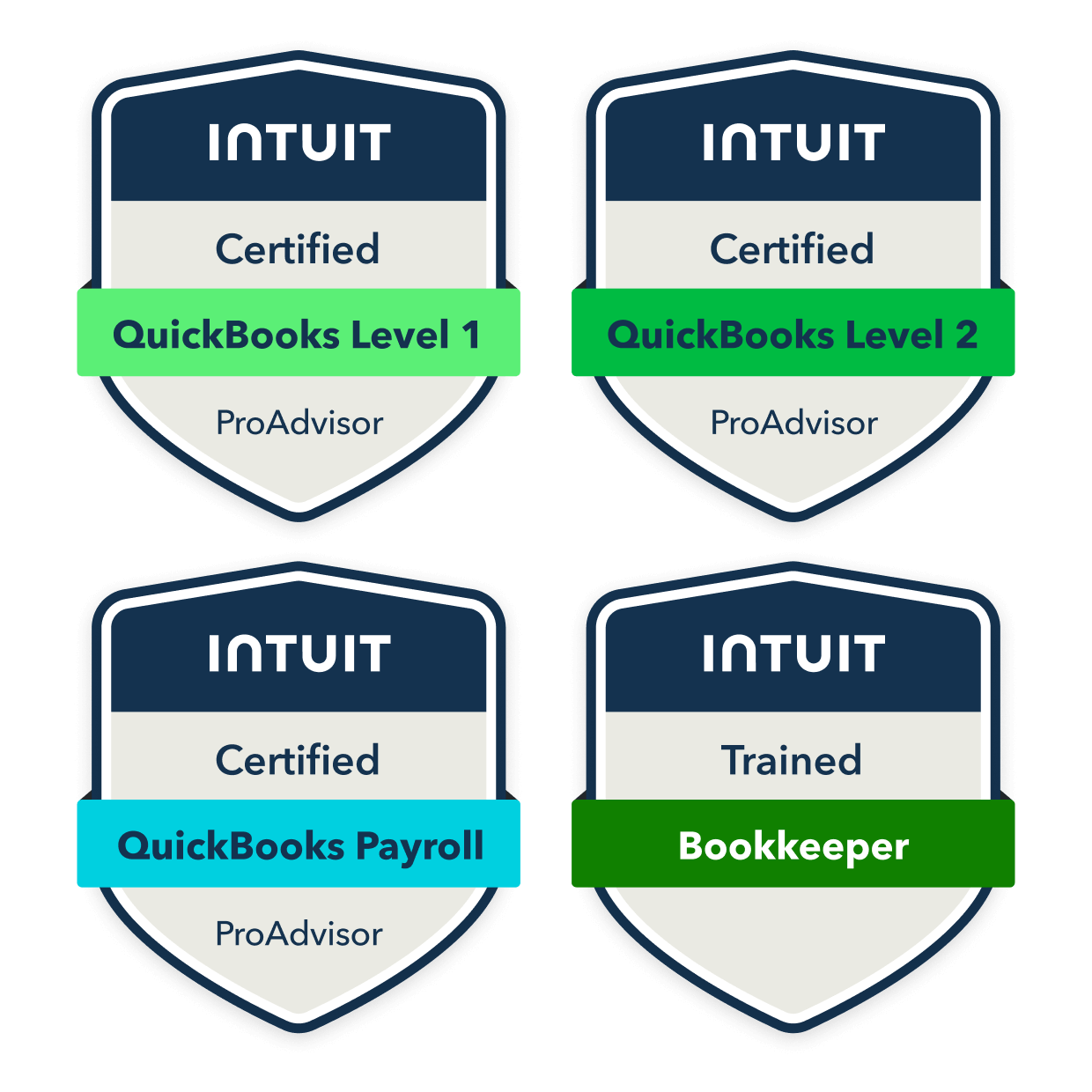
QuickBooks certification is an official credential issued by Intuit, the creators of QuickBooks, or by recognized educational institutions, validating an individual’s competence in using various versions of their accounting software. The most prominent and widely recognized certification for financial professionals is the QuickBooks ProAdvisor program. This program is specifically designed for accountants, bookkeepers, and other financial professionals who assist clients with their QuickBooks accounts. It offers different levels of certification, primarily for QuickBooks Online and QuickBooks Desktop, reflecting the diverse financial management needs of modern businesses. Beyond the ProAdvisor distinction, some educational pathways or vocational training programs might offer their own certificates of completion, indicating a foundational grasp of the software’s financial functionalities. The ultimate goal of any QuickBooks certification is to equip you with the knowledge to effectively manage, track, and report on an entity’s financial health, thereby directly impacting its profitability and compliance.
Why Get Certified? The Financial and Career Advantages
The decision to pursue QuickBooks certification is a strategic investment in your financial career and personal earning potential. The advantages are multi-faceted and directly impact your ability to secure higher-paying roles, attract more clients, and manage financial resources more effectively. Firstly, increased earning potential is a significant driver. Certified professionals typically command higher hourly rates or salaries compared to their uncertified counterparts. Employers and clients are willing to pay a premium for verified expertise that can streamline their financial operations and ensure accuracy. Secondly, certification offers enhanced job prospects and career mobility within the finance sector. Bookkeeping, accounting, and financial consulting roles frequently list QuickBooks proficiency as a preferred or required skill. Certification makes your resume stand out, signalling to potential employers that you are not only familiar with the software but have mastered its intricacies, capable of managing critical business finance functions.
Furthermore, for independent bookkeepers or accountants, certification fosters client trust and credibility. It acts as a professional badge, reassuring clients that you possess the necessary skills to handle their sensitive financial data and provide accurate, compliant financial services. This trust is paramount in building a profitable practice. Finally, certification directly translates into greater efficiency and accuracy in managing financial records. For small business owners, gaining certification allows for more insightful financial decision-making, better cash flow management, and ultimately, a healthier bottom line. For professionals, it means delivering higher quality work, minimizing errors, and thus enhancing their professional reputation and financial stability.
Key Roles Requiring QuickBooks Expertise
QuickBooks expertise is highly sought after across a spectrum of financial and business roles. Bookkeepers are perhaps the most direct beneficiaries, as QuickBooks is their primary tool for managing daily financial transactions, reconciling accounts, and preparing preliminary financial reports. For accountants, particularly those working with small to medium-sized businesses, QuickBooks proficiency is essential for year-end closing, tax preparation, and providing strategic financial advice.
Beyond traditional accounting roles, small business owners themselves often seek certification to take control of their own finances, understanding their balance sheets, profit and loss statements, and cash flow without always relying on external help for day-to-day tasks. This empowers them to make financially sound decisions that drive growth. Virtual assistants specializing in administrative or financial support can significantly expand their service offerings and client base by adding QuickBooks management to their skill set, providing a valuable financial arm for their clients’ operations. Even financial analysts or consultants benefit from understanding the underlying data structure and reporting capabilities of QuickBooks to better advise clients on financial strategy and performance. In essence, any role that involves the tracking, management, or analysis of business finances will find immense value in QuickBooks certification.
Navigating the QuickBooks Certification Programs
Embarking on the journey to become QuickBooks certified requires an understanding of the available programs and their specific requirements. The primary pathway for financial professionals is the Intuit QuickBooks ProAdvisor program.
Intuit QuickBooks ProAdvisor Program
The Intuit QuickBooks ProAdvisor program is the official and most comprehensive certification pathway for accounting professionals. It’s designed to equip bookkeepers, accountants, and consultants with the advanced skills needed to support clients using QuickBooks products. The program typically offers certifications for different versions of QuickBooks: QuickBooks Online (QBO) ProAdvisor and QuickBooks Desktop ProAdvisor. QuickBooks Online certification is increasingly important given the shift towards cloud-based financial management, allowing professionals to support clients remotely and access their financial data securely from anywhere.
Becoming a ProAdvisor grants you access to a wealth of resources, including free training modules, webinars, and dedicated support from Intuit. A significant financial benefit is the ability to acquire QuickBooks software and related products at discounted rates, which can be passed on to clients, making your services more attractive. Moreover, certified ProAdvisors can create a public profile on the Find-a-ProAdvisor directory, a highly visible platform where businesses actively search for certified experts to manage their financial records. This directly translates into client acquisition and business growth for independent professionals, creating a direct revenue stream. The program is structured to not only certify but also continually educate professionals on the latest financial tools and features, ensuring their expertise remains current and valuable.
Other Certification Options and Specializations
While the ProAdvisor program is paramount, other avenues and specializations exist. Some vocational schools or community colleges offer specific courses culminating in a certificate of completion for QuickBooks. These might focus on particular aspects, such as “QuickBooks for Small Business Owners” or “Payroll Management in QuickBooks.” While not official Intuit certifications, they can provide a foundational understanding for those new to financial software or specific business functions. Additionally, as financial technology evolves, some professionals might seek to specialize in integrating QuickBooks with other financial tools, such as payment processors, budgeting software, or industry-specific financial management platforms. These specializations, while not always leading to a formal “certification,” enhance a professional’s financial toolkit and marketability, allowing them to offer more comprehensive financial solutions to clients. The key is to choose a pathway that aligns with your career goals, whether it’s becoming a full-service bookkeeper or an expert in a niche financial area.
Prerequisites and Recommended Background
To successfully pursue QuickBooks certification and genuinely leverage its financial benefits, certain prerequisites and background knowledge are highly recommended. A fundamental understanding of accounting principles is crucial. Concepts like debits and credits, the accounting equation, financial statements (balance sheet, income statement, cash flow statement), and basic bookkeeping processes form the bedrock upon which QuickBooks operates. Without this foundational financial knowledge, mastering the software becomes significantly more challenging, as you’d be learning a tool without understanding its underlying purpose in managing money.
Experience with basic computer skills and familiarity with navigating software interfaces is also important. While QuickBooks is user-friendly, efficiency comes with comfort in digital environments. For those targeting the ProAdvisor certifications, some prior experience in a financial role, even entry-level, can be beneficial, as it provides practical context for the theoretical knowledge gained during training. While Intuit’s training materials are comprehensive and designed to be accessible, individuals with a solid grasp of business finance and accounting fundamentals will find the certification process smoother and more impactful, directly enhancing their ability to apply the software for real-world financial management.
The Certification Process: Step-by-Step for Aspiring Financial Professionals
Once you’ve decided to pursue QuickBooks certification, understanding the step-by-step process is crucial. This involves dedicated preparation, a clear grasp of the exam structure, and commitment to ongoing professional development.
Preparing for the Exam: Resources and Study Strategies
Effective preparation is the cornerstone of passing any certification exam, and QuickBooks is no exception. Intuit provides an extensive array of free training materials for its ProAdvisor certifications, typically accessible through your ProAdvisor account. These resources often include self-paced modules, video tutorials, practice exercises, and study guides. It’s highly recommended to go through these official materials thoroughly, as they directly align with the exam content.
Beyond Intuit’s offerings, consider supplementing your learning with third-party courses from educational platforms like Udemy, Coursera, or professional training organizations. Many of these courses offer practical, scenario-based learning that can solidify your understanding of how QuickBooks functions in real-world financial situations. Practice tests are invaluable for familiarizing yourself with the exam format and identifying areas where you need more study. Budget your time effectively, dedicating regular study sessions. Focus not just on memorizing steps but on understanding the why behind each financial transaction and report within QuickBooks. Engaging with online communities or forums for QuickBooks professionals can also provide insights and support, helping you navigate challenging concepts related to financial management through the software.
Understanding the Exam Format and Content
The QuickBooks certification exams typically consist of multiple-choice questions, true/false statements, and sometimes scenario-based questions that require you to apply your knowledge to specific financial situations. The content covers a broad range of topics essential for managing business finances using QuickBooks. This includes, but is not limited to:
-
Company setup and preferences: Establishing a new company file, setting up charts of accounts, and customizing financial preferences.
-
Customer and vendor management: Creating invoices, recording payments, managing bills, and tracking expenses, all critical for cash flow and profitability.
-
Banking and reconciliation: Connecting bank accounts, categorizing transactions, and reconciling statements to ensure financial accuracy.
-
Payroll: Setting up payroll, running payroll, and managing payroll liabilities and taxes.
-
Reporting: Generating key financial reports such as profit & loss statements, balance sheets, and statements of cash flow, which are vital for financial analysis and decision-making.
-
Sales tax: Setting up sales tax, tracking, and remitting it correctly.
-
Inventory management: Tracking inventory costs and sales (for QuickBooks Desktop or advanced QBO features).
The exams are designed to test both your theoretical knowledge of QuickBooks features and your practical ability to apply them to common financial tasks. Understanding the specific version of QuickBooks you are being tested on (Online vs. Desktop) is also crucial, as their interfaces and some functionalities differ.
Maintaining Your Certification
QuickBooks and the financial landscape are constantly evolving. New features are introduced, tax laws change, and best practices are updated. Therefore, maintaining your QuickBooks certification is crucial for sustaining your financial expertise and professional relevance. For QuickBooks ProAdvisor certifications, Intuit typically requires annual recertification. This process ensures that certified professionals stay current with the latest software updates and financial regulations.
Recertification usually involves completing updated training modules and passing a new exam that covers the latest version of the software. This continuous professional development is not merely a formality; it’s an investment in your ongoing financial competence. By staying certified, you demonstrate to clients and employers your commitment to providing up-to-date and accurate financial services. It also ensures you can efficiently utilize new financial tools and features within QuickBooks, thereby maximizing the software’s benefits for your clients’ or your own business’s financial health. Neglecting to recertify can lead to losing your ProAdvisor status and visibility in the directory, potentially impacting your ability to attract new business and leverage your initial investment in certification.
Maximizing Your QuickBooks Certification for Financial Success
Achieving QuickBooks certification is a significant milestone, but its true value lies in how you leverage it to achieve financial success, whether through career advancement, building a profitable business, or optimizing your own financial management.
Leveraging Certification for Career Advancement in Finance
For those employed in finance, accounting, or business administration roles, QuickBooks certification can be a powerful catalyst for career advancement. It provides tangible proof of your expertise, making you a more valuable asset to your organization. This can lead to promotions, opportunities to take on more complex and financially impactful projects, and ultimately, an increase in salary and benefits. When seeking new employment, your certification will make your resume stand out in a competitive job market, especially for roles that explicitly list QuickBooks proficiency as a requirement. Being certified shows initiative and a commitment to professional development, qualities highly valued by employers looking for financial professionals who can hit the ground running and contribute directly to the company’s financial well-being. Proactively highlighting your certification during interviews and on your professional profiles (like LinkedIn) can open doors to higher-level positions and greater financial rewards.
Building a Profitable Bookkeeping or Accounting Business
One of the most direct and financially rewarding paths for certified QuickBooks professionals is to start and grow their own bookkeeping or accounting business. The demand for skilled QuickBooks experts is consistently high among small and medium-sized businesses that prefer to outsource their financial management. Certification immediately establishes credibility, allowing you to charge competitive rates for your services. You can offer a range of services, including setting up QuickBooks for new businesses, ongoing transaction management, payroll processing, financial reporting, and tax preparation assistance.
To build a profitable business, focus on marketing your expertise as a certified ProAdvisor, utilizing the Find-a-ProAdvisor directory, local networking events, and online platforms. Clearly articulate the financial benefits you bring to clients – helping them save money on taxes, improve cash flow, and gain a clearer understanding of their profitability. Consider specializing in a particular industry (e.g., real estate, e-commerce, non-profits) to carve out a niche and become a go-to expert for specific financial needs. As your client base grows, you can scale your services, potentially hiring other certified professionals, thereby increasing your online income and building a sustainable, thriving financial services enterprise.
Enhancing Small Business Financial Management
For entrepreneurs and small business owners, becoming QuickBooks certified is an investment that yields significant returns in terms of enhanced financial management. Instead of merely outsourcing, owners with certification can gain a deep understanding of their own company’s financial health. This empowers them to:
-
Track income and expenses accurately: Leading to clearer insights into profitability and tax deductions.
-
Manage cash flow effectively: Understanding where money is coming from and going, preventing financial bottlenecks.
-
Generate meaningful financial reports: Using these reports to make data-driven decisions about pricing, investments, and operational efficiency, directly impacting the bottom line.
-
Prepare for tax season with ease: Having organized, certified-quality financial records significantly simplifies tax preparation, potentially reducing costs and stress.
-
Identify areas for cost savings and revenue growth: By thoroughly analyzing financial data, certified owners can pinpoint inefficiencies and opportunities for expansion.
Ultimately, certified small business owners are better equipped to steer their companies towards long-term financial stability and growth. They can communicate more effectively with their accountants, make informed decisions, and maintain tighter control over their financial destiny, directly contributing to the “Money” category’s emphasis on prudent financial stewardship.
The Future of Financial Management with QuickBooks Expertise
The financial world is in constant flux, driven by technological advancements and evolving business needs. QuickBooks expertise, bolstered by certification, positions professionals to thrive in this changing landscape.
Staying Ahead in a Digital Financial Landscape
The shift to cloud computing has profoundly impacted financial management. QuickBooks Online, in particular, embodies this evolution, offering anytime, anywhere access to financial data. Staying ahead means not only mastering QBO but also understanding its integrations with other financial tools. This includes payment processing apps, expense tracking software, CRM systems, and specialized industry-specific applications. Certified professionals who can seamlessly integrate these tools to create a comprehensive, automated financial ecosystem for their clients will be invaluable. Furthermore, keeping an eye on emerging technologies like Artificial Intelligence (AI) in finance is crucial. AI is increasingly being used for automated data entry, anomaly detection, and predictive analytics within accounting software. A QuickBooks certified professional who understands how to leverage these AI-driven features will be able to offer more efficient, insightful, and strategic financial services, maintaining a competitive edge in a rapidly digitizing world.
Continuous Professional Development and Niche Specialization
The journey of a financial professional is one of continuous learning. While QuickBooks certification provides a strong foundation, true mastery and sustained financial success come from ongoing professional development. This includes regularly participating in webinars, workshops, and industry conferences to stay abreast of the latest financial trends, software updates, and regulatory changes.
Moreover, consider niche specialization. Instead of being a generalist, you might focus on serving specific industries (e.g., construction, healthcare, e-commerce) which often have unique financial reporting and compliance requirements. Developing expertise in a particular niche allows you to become a highly sought-after expert, command premium rates, and build a strong reputation within that segment. Further certifications, such as advanced accounting software proficiencies, tax specializations, or financial planning credentials, can also complement your QuickBooks expertise, allowing you to offer a broader range of high-value financial services. By embracing continuous learning and strategic specialization, QuickBooks certified professionals can ensure their skills remain highly relevant, valuable, and financially rewarding for years to come.
In conclusion, becoming QuickBooks certified is far more than just acquiring a software skill; it’s a strategic move that fundamentally enhances your financial acumen, bolsters your career prospects, and empowers you to navigate the complexities of personal and business finance with expertise. It’s a clear pathway to unlocking new income streams, building a profitable business, and contributing significantly to the financial health of businesses in an increasingly digital world.
aViewFromTheCave is a participant in the Amazon Services LLC Associates Program, an affiliate advertising program designed to provide a means for sites to earn advertising fees by advertising and linking to Amazon.com. Amazon, the Amazon logo, AmazonSupply, and the AmazonSupply logo are trademarks of Amazon.com, Inc. or its affiliates. As an Amazon Associate we earn affiliate commissions from qualifying purchases.