
In the dynamic world of personal finance, securing optimal value for essential services is paramount. Car insurance, a mandatory expenditure for vehicle owners, represents a significant portion of many household budgets. With premiums constantly fluctuating due to a myriad of factors – from driver demographics and vehicle type to postcode and claims history – the quest to find affordable, yet comprehensive, coverage is an ongoing challenge. This is where car insurance comparison sites emerge as powerful financial tools, promising to simplify the shopping process and, crucially, help consumers save money. But with a crowded marketplace of these digital aggregators, the fundamental question remains: which comparison site is truly best for car insurance from a purely financial perspective?
The Financial Imperative: Why Compare Car Insurance?
The act of comparing car insurance isn’t merely a convenience; it’s a critical financial strategy in an increasingly expensive market. Understanding the underlying economic drivers behind this necessity is the first step towards making financially astute decisions.
Rising Costs and Mandatory Coverage
Car ownership in most developed nations comes with a non-negotiable legal requirement for insurance. This mandatory nature, coupled with factors like rising repair costs, an increase in complex technological components in modern vehicles, and the broader inflationary environment, means that car insurance premiums are consistently on an upward trajectory. For many, annual premiums represent a substantial recurring cost, making any potential savings directly impactful on their disposable income and overall financial health. Neglecting to compare can lead to overpaying by hundreds, if not thousands, of dollars over a vehicle’s lifespan, representing a significant opportunity cost.
The Myth of Loyalty Discounts
A common misconception among consumers is that loyalty to a single insurer will automatically yield the best financial rewards. While some insurers may offer minor “loyalty bonuses,” these are often dwarfed by the savings achievable through switching providers. Insurers frequently reserve their most competitive rates and introductory offers for new customers, aggressively competing to capture market share. From a financial viewpoint, blindly renewing with your current provider without exploring alternatives is almost always a suboptimal strategy, effectively leaving money on the table.
Personalized Risk Assessment and Pricing
Insurance premiums are meticulously calculated based on an individual’s perceived risk profile. Factors such as age, driving experience, occupation, mileage, vehicle security, and even credit history (in some markets) contribute to this assessment. Because each insurer employs slightly different actuarial models and risk appetites, the “best” price for a particular individual can vary wildly between providers, even for identical coverage. Comparison sites thrive by instantly presenting these disparate financial offers, allowing consumers to leverage this market inefficiency to their advantage. It’s a personalized financial marketplace where your unique risk profile can be an asset when shopping around.
Navigating the Landscape of Car Insurance Comparison Sites
With numerous platforms vying for your attention, understanding their operational models and what constitutes a financially effective comparison tool is crucial for making an informed choice.
Key Players and Their Business Models
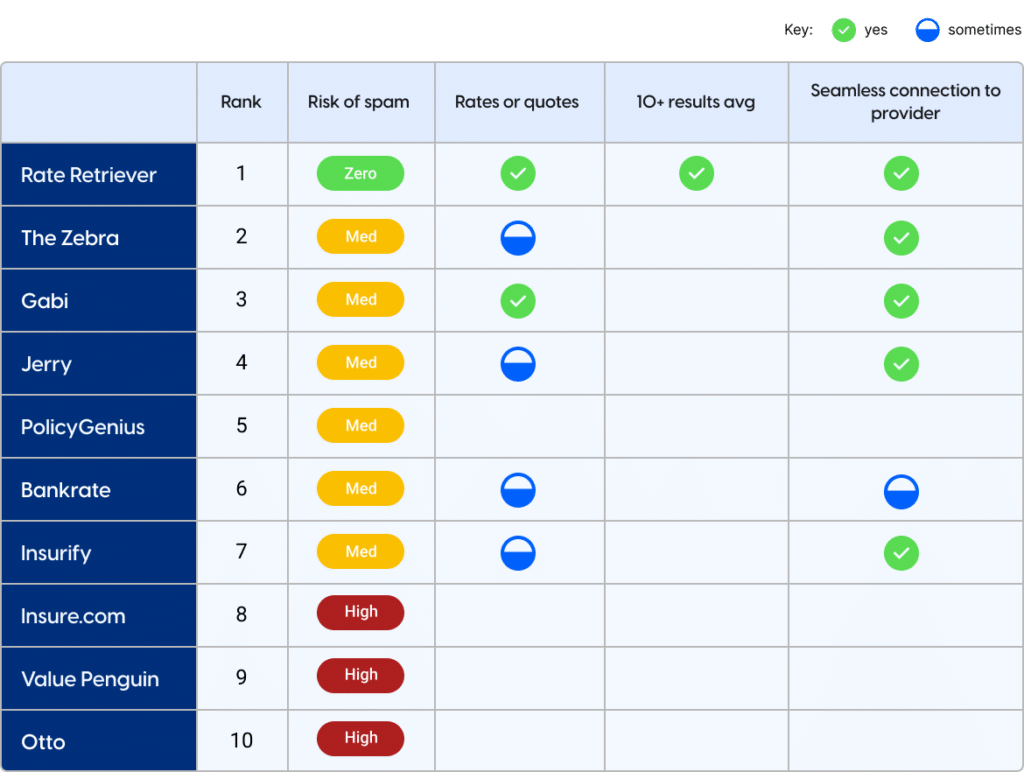
Globally, leading comparison sites like Confused.com, CompareTheMarket, GoCompare, MoneySuperMarket (UK), and numerous regional equivalents (e.g., The Zebra, NerdWallet in the US, Kanetix in Canada) dominate the landscape. These platforms operate primarily on an affiliate model: they receive a commission from insurance providers for every policy sold through their referral. This model is generally beneficial for consumers, as it incentivizes the comparison site to display a wide range of quotes to maximize conversion, often at no direct cost to the user. However, it’s worth noting that this model also means they only display insurers they have an agreement with, which isn’t always the entire market. For a comprehensive financial review, understanding this limitation is key.
What to Look For in a Financial Comparison Tool
When evaluating a comparison site from a financial perspective, several characteristics stand out:
-
Breadth of Insurers: The more insurance providers a site partners with, the higher the likelihood of finding the most competitive price. A site that only includes a handful of insurers is inherently limited in its financial utility.
-
Transparency: A superior comparison site will clearly display not just the headline premium, but also the policy’s excess (deductible), the level of cover, and any key exclusions or additional fees. Hidden costs or opaque policy details can erode perceived financial savings.
-
User-Friendliness and Data Accuracy: While a technical aspect, ease of use directly impacts financial outcomes. An intuitive interface that allows for accurate and efficient data entry minimizes errors that could lead to invalid quotes or misinformed decisions, thereby protecting your financial interests.
-
Quote Persistence and Retrieval: The ability to save quotes and revisit them later is valuable for those who want to compare across different platforms or consult with others before committing financially.
Beyond Price: Value for Money Considerations
Focusing solely on the lowest premium can be a costly mistake. A truly financially savvy approach extends to analyzing the “value for money.”
-
Policy Features vs. Cost: A cheaper policy might come with a higher excess, lower coverage limits, or exclude specific perils (e.g., breakdown, legal cover). Evaluate if these reduced features translate into unacceptable financial risk for your specific situation. Paying slightly more for a policy with a lower excess could save you significant out-of-pocket expenses in the event of a claim.
-
Optional Add-ons: Comparison sites often present various add-ons. Critically assess their financial benefit. Is breakdown cover cheaper directly from a provider? Do you truly need legal expenses cover, or is your existing home insurance sufficient? Each add-on increases the premium, so a cost-benefit analysis is essential.
-
No-Claims Discount Protection: For drivers with a significant no-claims bonus, protecting this discount (often for an additional premium) can be a wise financial investment, safeguarding future savings even after a claim.
Maximizing Your Savings: Strategies for Using Comparison Sites Effectively

Employing comparison sites effectively requires more than just inputting your details; it demands strategic thinking to truly unlock their financial potential.
Accurate Data Entry: The Foundation of Reliable Quotes
The accuracy of the information you provide is paramount. Even minor discrepancies – an incorrect annual mileage, an inaccurate occupation description, or failing to declare a minor past incident – can lead to quotes being invalid. This not only wastes your time but can also result in financial penalties or policy cancellation if an insurer discovers false information at the point of a claim. Take the time to ensure every detail is precise, as it forms the bedrock of genuinely comparable financial offers.
Timing Your Search: When to Get the Best Deals
Research consistently shows that there’s a financial sweet spot for purchasing car insurance. Shopping around and buying your policy approximately three to four weeks before your renewal date often yields the most competitive prices. Insurers use complex algorithms that interpret early shoppers as lower risk, reflecting in more favourable premiums. Leaving it until the last minute can signal higher risk, leading to significantly inflated quotes. This simple timing strategy can translate into substantial financial savings.
Understanding Your Policy Details and Excess Options
Before finalizing a policy, meticulously review the policy wording. Pay close attention to:
-
Excess (Deductible): This is the amount you pay out-of-pocket before your insurer covers a claim. A higher excess typically means a lower premium, but it also means a greater financial burden if you need to claim. Find a balance that aligns with your financial comfort level.
-
Voluntary vs. Compulsory Excess: Understand which portion of the excess is mandatory and which you can adjust. Increasing your voluntary excess can lower your premium, but ensure you have the funds readily available should you need to pay it.
-
Coverage Limits and Exclusions: Ensure the policy provides adequate financial protection for your vehicle’s value and your liability. Be aware of any specific exclusions that could leave you financially vulnerable.
Bundling and Multi-Car Discounts
Many insurers offer financial incentives for bundling multiple policies (e.g., car and home insurance) or insuring multiple vehicles under one policy. While comparison sites primarily focus on single-car insurance, it’s a wise financial step to inquire directly with potential insurers about such discounts once you’ve identified a few top contenders. The aggregate savings from bundling can sometimes outweigh individual policy savings.
The Limitations and What Comparison Sites Don’t Tell You (Financially Speaking)
While invaluable financial tools, comparison sites are not infallible. A holistic approach to car insurance shopping acknowledges their limitations to ensure the best financial outcome.
Direct Insurers and Exclusive Deals
Crucially, not all insurance providers participate in comparison sites. Several prominent insurers, often those with strong direct-to-consumer models, choose to only offer quotes directly through their own websites or call centers. Sometimes, these direct channels may offer exclusive deals or more competitive pricing than what’s available via aggregators. Therefore, after using a comparison site to narrow down your options, it’s financially prudent to check quotes directly with a few key insurers that might not be listed, including your current provider. This ensures you’ve truly scanned the entire market for the best financial offer.
The Importance of Reading the Fine Print
Comparison sites excel at showing headline prices and basic coverage levels. However, they cannot convey the nuanced details of a policy’s terms and conditions, which can have significant financial implications. The cheapest policy might have stricter clauses regarding modifications, certain types of claims, or limitations on who can drive the vehicle. Always download and review the full policy document or its summary for any potential deal-breakers or financially undesirable conditions before committing. Overlooking this step can lead to unexpected out-of-pocket expenses or claim rejections down the line.
Customer Service and Claims Experience
While not directly reflected in the premium, the quality of an insurer’s customer service and claims handling process can have profound indirect financial consequences. A slow or difficult claims process can lead to significant stress, delays in vehicle repairs, or even prolonged periods without a vehicle, potentially incurring rental car costs or impacting income. Researching an insurer’s reputation for customer service (e.g., through independent reviews or industry ratings) is a critical part of assessing the true financial value and peace of mind offered by a policy. A slightly more expensive policy from a highly-rated insurer might prove to be a better financial investment in the long run if it means a smoother experience during a stressful time.
Continuous Monitoring
Car insurance is not a “set it and forget it” financial product. Market conditions, your personal circumstances, and even insurer pricing strategies can change throughout the year. While annual comparisons are standard, keeping an eye on the market, especially if you experience a life event (e.g., changing jobs, moving house, getting married) that could impact your premium, can uncover further financial savings.
In conclusion, there isn’t a single “best” comparison site for car insurance. Instead, the “best” approach is a multi-faceted financial strategy that leverages these powerful digital tools while understanding their limitations. By combining comprehensive comparison across multiple platforms, checking direct insurer quotes, meticulously reviewing policy details beyond the headline price, and being strategic about timing and data accuracy, consumers can empower themselves to secure not just a cheap policy, but the best financial value for their car insurance needs. This diligent approach transforms car insurance shopping from a dreaded chore into a smart financial opportunity.
aViewFromTheCave is a participant in the Amazon Services LLC Associates Program, an affiliate advertising program designed to provide a means for sites to earn advertising fees by advertising and linking to Amazon.com. Amazon, the Amazon logo, AmazonSupply, and the AmazonSupply logo are trademarks of Amazon.com, Inc. or its affiliates. As an Amazon Associate we earn affiliate commissions from qualifying purchases.