
For many enthusiasts, the call of the open road is an essential part of a lifestyle defined by freedom and efficiency. However, from a personal finance perspective, owning a motorcycle involves more than just the initial purchase price and fuel costs. Insurance represents a recurring overhead that can vary significantly based on a multitude of factors. Finding the “cheapest” motorcycle insurance is not merely about identifying the lowest premium on a quote generator; it is about optimizing the balance between risk management, legal compliance, and long-term financial preservation.
In the realm of personal finance, insurance is viewed as a tool to protect your net worth. Without adequate coverage, a single accident could lead to catastrophic financial loss, erasing years of savings or investment growth. To find the most cost-effective path, one must understand how underwriters calculate risk and which levers a rider can pull to reduce those costs without sacrificing essential protection.
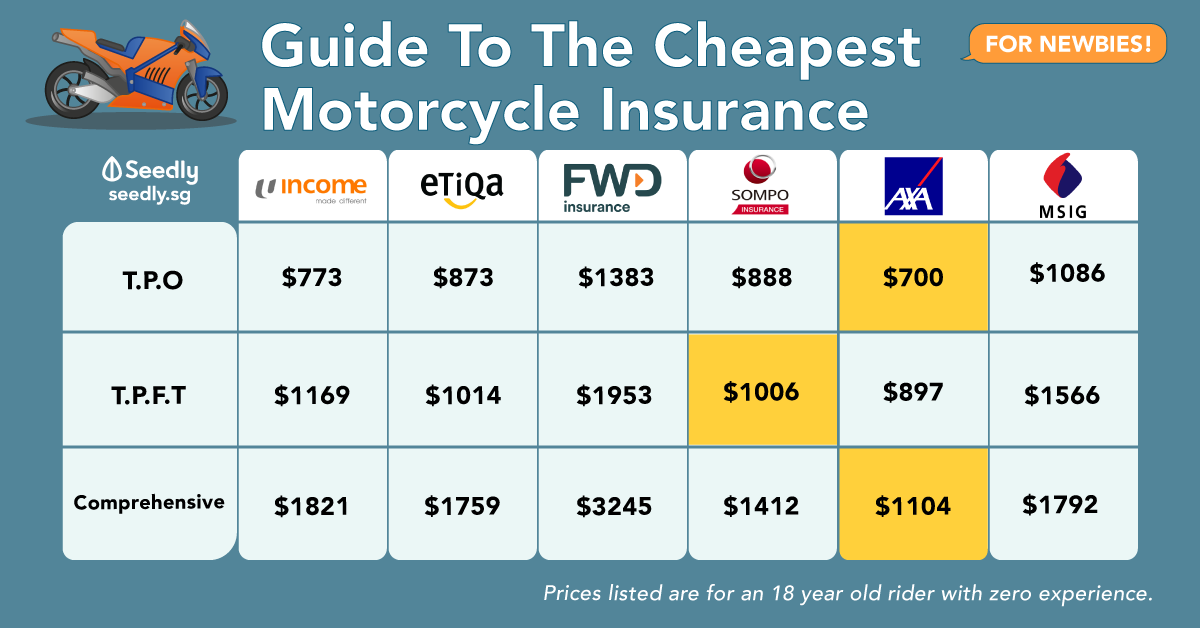
Understanding the Variables of Motorcycle Insurance Premiums
The cost of motorcycle insurance is not a static figure. Insurance companies utilize complex actuarial models to determine the likelihood that a rider will file a claim. By understanding these variables, you can position yourself as a lower risk to the insurer, which directly translates to lower premiums.
Rider Demographics and Riding History
Perhaps the most significant factor in your premium cost is your personal profile. Age, gender, and marital status are traditional metrics used by insurers. Statistically, younger riders—particularly those under the age of 25—face the highest premiums due to a perceived lack of experience and a higher statistical frequency of accidents. Conversely, mature riders with decades of experience often enjoy the lowest rates.
Your motor vehicle record (MVR) is equally critical. A clean driving record, free of speeding tickets, reckless driving charges, or DUIs, is the most effective way to keep insurance costs down. In the eyes of an insurer, your past behavior is the best predictor of future risk. Even a single minor moving violation can cause a premium spike that lasts for three to five years.
Motorcycle Type and Engine Displacement
The machine you choose to ride dictates a large portion of your financial liability. Insurers categorize motorcycles into various classes, such as cruisers, touring bikes, sportbikes, and dual-sports.
Sportbikes, often referred to as “supersports,” carry the highest insurance premiums. This is due to their high power-to-weight ratio and a statistical correlation with high-speed accidents and theft. On the other hand, cruisers and touring bikes typically offer much lower rates. The engine’s displacement, measured in cubic centimeters (cc), also plays a role. A 1200cc engine will generally cost more to insure than a 250cc engine because the potential for high-speed impact and the cost of mechanical repair are both higher.
Geographic Location and Storage
Where you live and store your motorcycle significantly influences the “cheapness” of your policy. Urban areas with high traffic density and elevated crime rates naturally command higher premiums. If you live in a city where motorcycle theft is common, your comprehensive coverage costs will reflect that risk.
Conversely, living in a rural area or a gated community can lower your rates. Furthermore, where you park the bike matters. A motorcycle kept in a locked, private garage is viewed as a much lower risk for theft and weather damage than one parked on a public street or in a communal apartment complex carport.
Strategic Ways to Lower Your Annual Costs
Achieving the lowest possible insurance rate requires an active approach to financial management. You can leverage several strategies to trim the fat from your policy while maintaining the coverage you need.
Bundling and Multi-Policy Discounts
One of the most effective financial moves is “bundling.” Most major insurance providers offer significant discounts if you carry multiple policies with them. If you already have homeowners, renters, or auto insurance, adding a motorcycle policy to the same provider can result in a discount of 5% to 15% across all your policies. This “multi-line” discount is a cornerstone of efficient personal finance, as it simplifies your billing while reducing your total household insurance expenditure.
Safety Courses and Professional Certifications
Insurers favor riders who take proactive steps to improve their skills. Completing a recognized safety course, such as those offered by the Motorcycle Safety Foundation (MSF) or the Canada Safety Council, can lead to a “safety course discount.”
These certifications typically provide a discount for three years. From an investment perspective, the small one-time cost of the course (or even a free course in some jurisdictions) pays for itself multiple times over through reduced premiums. Additionally, being a member of certain organizations, such as the American Motorcyclist Association (AMA) or specific owner groups (like the Harley Owners Group), can often trigger “affinity discounts.”
Seasonal Lay-up Periods and Usage-Based Insurance
For riders in northern climates who only ride during the summer, a “lay-up” policy can be a financial lifesaver. This type of policy suspends certain coverages (like collision and liability) during the winter months while keeping comprehensive coverage active in case the bike is stolen or damaged in the garage.
Furthermore, the rise of usage-based insurance (UBI) has introduced “pay-per-mile” models. If you only ride your motorcycle occasionally on weekends, a UBI policy can be significantly cheaper than a standard annual policy. By tracking your mileage through an app or a plug-in device, the insurer bills you based on your actual exposure to the road.

Evaluating Coverage Types: When “Cheapest” Isn’t Best
In the world of finance, the “cheapest” option is the one that provides the best value over the long term, not necessarily the one with the lowest monthly outflow. Opting for “liability-only” coverage might be the cheapest way to stay legal, but it could be a financial disaster if your bike is totaled.
Liability Only vs. Full Coverage
Liability insurance is the legal minimum required in most jurisdictions. It covers bodily injury and property damage that you cause to others. While this is the least expensive option, it provides zero protection for your own motorcycle.
If you own an older motorcycle with a low market value, liability-only might be a rational financial choice. However, if you have a newer bike or an outstanding loan, “full coverage”—which includes collision and comprehensive—is usually a requirement and a necessity. Collision covers damage from an accident, while comprehensive covers theft, fire, and vandalism.
The Role of Deductibles in Premium Pricing
The deductible is the amount you pay out-of-pocket before your insurance kicks in. In personal finance, adjusting your deductible is a primary way to manage cash flow. Choosing a higher deductible (e.g., $1,000 instead of $250) will significantly lower your monthly premium.
This is an excellent strategy for those with a healthy emergency fund. By “self-insuring” the first $1,000 of a loss, you save money every month. However, you must ensure that you actually have that $1,000 set aside in a high-yield savings account so that a claim doesn’t create a financial crisis.
Uninsured and Underinsured Motorist Protection
One of the most overlooked aspects of motorcycle insurance is Uninsured/Underinsured Motorist (UM/UIM) coverage. Statistically, a significant percentage of drivers on the road carry either no insurance or only the bare minimum. If a driver hits you and they are at fault but have no insurance, you could be left with massive medical bills and a totaled bike. While adding UM/UIM increases the premium, it is often considered the most “valuable” part of a policy because it protects your personal health and financial stability from the negligence of others.
Comparison Shopping and Provider Selection
To find the cheapest motorcycle insurance, you must move beyond the “Big Four” insurers and look at the broader market. The insurance industry is highly competitive, and prices can vary by hundreds of dollars for the exact same coverage.
National Carriers vs. Specialty Insurers
Large national carriers like Progressive, Geico, and Allstate often have the most advanced digital tools and bundling options. Progressive, in particular, is known for being a leader in the motorcycle space, often offering competitive rates because they have a massive amount of data on riders.
However, specialty insurers like Markel or Dairyland focus specifically on powersports. These companies sometimes offer better rates for “high-risk” riders or unique bikes that national carriers struggle to categorize. It is financially prudent to obtain quotes from at least three different types of providers to establish a true market baseline for your specific profile.
The Value of Independent Insurance Agents
While online quote engines are convenient, they often miss nuances in policy language or local discounts. An independent insurance agent works with multiple companies and can shop your profile around to find the best rate. In many cases, agents have access to “broker-only” companies that do not advertise to the general public. This can be a highly efficient way to find the cheapest insurance without spending hours entering data into multiple websites.
Long-Term Financial Planning for Riders
Finding cheap insurance is not a one-time event; it is an ongoing process of financial maintenance. As your life circumstances change, so should your insurance strategy.
Credit Score Impact on Insurance Costs
In many regions, insurers use a “credit-based insurance score” to help determine premiums. Actuarial data suggests that individuals with higher credit scores are less likely to file claims and more likely to maintain their vehicles properly. Therefore, improving your credit score—by paying down debt and ensuring on-time payments—can actually lead to lower motorcycle insurance rates over time. This highlights the interconnectedness of all aspects of personal finance.

Periodic Policy Reviews and Re-Quoting
The insurance market is dynamic. Rates fluctuate based on the insurer’s recent loss ratios and changes in state regulations. A policy that was the cheapest three years ago may now be overpriced. As a rule of thumb, you should re-evaluate your motorcycle insurance every two years or after any major life event, such as moving to a new zip code, getting married, or purchasing a new home. This ensures that you are always capturing the best market value available to you.
Ultimately, the cheapest motorcycle insurance is the one that provides the maximum amount of protection for the lowest possible cost, tailored to your specific financial risk tolerance. By treating insurance as a strategic component of your personal financial plan rather than a mere legal nuisance, you can protect your assets and enjoy the ride with total peace of mind.
aViewFromTheCave is a participant in the Amazon Services LLC Associates Program, an affiliate advertising program designed to provide a means for sites to earn advertising fees by advertising and linking to Amazon.com. Amazon, the Amazon logo, AmazonSupply, and the AmazonSupply logo are trademarks of Amazon.com, Inc. or its affiliates. As an Amazon Associate we earn affiliate commissions from qualifying purchases.