
Navigating the landscape of personal finance requires a delicate balance between wealth accumulation and risk mitigation. For most households, the two largest assets requiring protection are the primary residence and the vehicles used for daily transportation. Finding the “best” insurance company for home and auto is not merely a matter of finding the lowest monthly premium; it is a strategic financial decision that involves assessing claim-handling reputation, financial stability, and the mathematical advantages of bundling policies.
In the current economic climate, characterized by fluctuating inflation and rising repair costs, the insurance industry has entered what experts call a “hard market.” This means premiums are rising and underwriting criteria are tightening. Consequently, identifying a provider that offers a robust multi-policy discount while maintaining high service standards is essential for any savvy financial plan.
The Economics of Bundling: Why Multi-Policy Strategies Work
From a personal finance perspective, bundling—or purchasing your home and auto insurance from the same provider—is one of the most effective ways to reduce fixed monthly expenses. Insurance companies favor bundled policies because they increase customer retention (stickiness) and allow the company to spread their administrative costs across multiple revenue streams.
The Multi-Policy Discount
Most major insurers offer a “Multi-Policy Discount” or “Multi-Line Discount.” Depending on the carrier, this can result in a price reduction of 10% to 25% on both premiums. When calculated over a decade, these savings can represent thousands of dollars that can be redirected into interest-bearing accounts or investment portfolios.
Single Deductible Features
Some premium insurers offer a “single deductible” benefit. If a catastrophic event, such as a severe hailstorm or a falling tree, damages both your garage and the car parked inside it, a bundled policy might allow you to pay only one deductible instead of two. For a family with a $1,000 home deductible and a $500 auto deductible, this could mean an immediate $500 savings during a period of financial stress.
Streamlined Financial Management
Beyond the raw numbers, bundling simplifies your financial life. Managing a single renewal date, one login for digital policy management, and one point of contact for claims reduces the “mental tax” of household administration. In the realm of personal finance, time is a currency, and efficiency in managing liabilities is a form of wealth.
Top Contenders for Home and Auto Bundles
While the “best” company varies based on geographic location and individual risk profiles, several national players consistently lead the market in terms of value, financial strength, and customer satisfaction.
State Farm: The Market Leader in Scale
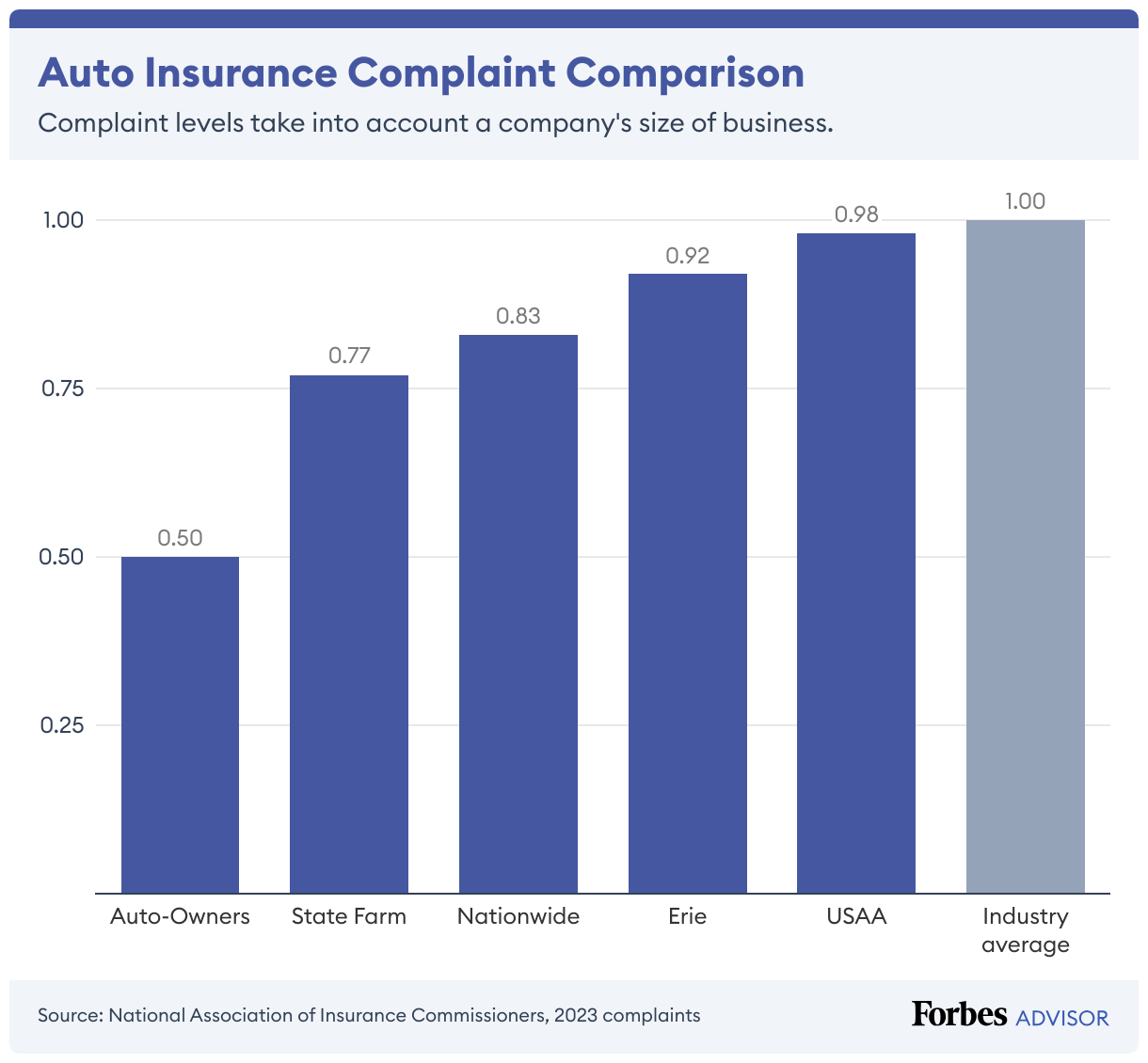
State Farm remains the largest property and casualty insurer in the United States. Their primary advantage lies in their massive network of exclusive agents. For individuals who prefer personalized financial advice and a “human touch” rather than a purely digital interface, State Farm is often the top choice. Their bundling discounts are significant, and their financial strength rating (A++ from AM Best) ensures they have the capital to pay out claims even after large-scale disasters.
Progressive: The Data-Driven Choice
Progressive is widely recognized for its “Name Your Price” tool and its aggressive adoption of telematics. For younger drivers or those comfortable with data-sharing, Progressive’s “Snapshot” program can lower auto premiums based on actual driving behavior. When paired with a homeowners policy—often underwritten through their subsidiary, ASI—Progressive offers a highly competitive rate for tech-savvy consumers who prioritize transparency and digital tools.
Allstate: Comprehensive Coverage and Rewards
Allstate caters to consumers who want a “concierge” experience. They offer a wide array of optional endorsements, such as “Claim-Free Rewards” and “New Car Replacement.” While Allstate can sometimes be more expensive than budget carriers, their bundling discounts are among the most aggressive in the industry. For homeowners with high-value properties and multiple late-model vehicles, Allstate’s sophisticated coverage options provide a higher level of asset protection.
USAA: The Gold Standard for Military Families
If you or an immediate family member have served in the military, USAA is frequently the best option. From a financial standpoint, USAA consistently outperforms the broader market in customer satisfaction and claims processing. Their business model is built around serving the specific needs of the military community, and their home-auto bundle is often the benchmark against which all other companies are measured.
Amica Mutual: The Dividend Advantage
Amica is unique because it is a mutual insurance company, meaning it is owned by its policyholders. This structure allows Amica to offer “dividend-paying” policies in certain states. While the initial premium might be higher, policyholders can receive a portion of their premium back at the end of the year—typically 5% to 20%. This effectively lowers the net cost of insurance and aligns with a long-term investment mindset.

Assessing Financial Strength and Reliability
When choosing a provider, it is a mistake to look only at the premium. Insurance is a promise to pay in the future, and that promise is only as good as the company’s balance sheet.
AM Best and S&P Ratings
Before moving your assets to a new carrier, check their financial strength ratings through agencies like AM Best or Standard & Poor’s. A rating of “A” or better is generally considered the threshold for security. In an era where some regional insurers have faced insolvency due to localized climate events, sticking with financially robust national carriers is a defensive financial move.
J.D. Power Satisfaction Scores
Claims satisfaction is where the “rubber meets the road.” A cheap policy is a liability if the company denies legitimate claims or drags out the settlement process. Reviewing annual J.D. Power studies for both auto and property claims provides a data-driven look at which companies actually support their customers during a loss.
Factors That Influence Your Personal Premium
In the world of personal finance, your “risk profile” is a data point that determines your costs. Several factors influence the rates you will be quoted for a home and auto bundle.
Credit-Based Insurance Scores
In most states, insurance companies use a version of your credit score to determine your premium. Statistically, individuals with higher credit scores are less likely to file claims. Improving your credit score can, therefore, be one of the most effective ways to lower your insurance costs over time.
Geographical Risk and Resilience
The location of your home significantly impacts your homeowners’ premium. Factors such as proximity to a fire station, the age of your roof, and local crime rates are analyzed. For auto insurance, your daily commute and local traffic density are key. Investing in home upgrades—such as impact-resistant roofing or a monitored security system—can trigger additional discounts that complement your bundling savings.
Telematics and Usage-Based Insurance
The “Money” niche is increasingly intersecting with “Tech” through telematics. By allowing an insurer to track your driving habits via a smartphone app or a plug-in device, you can earn discounts of up to 30%. For low-mileage drivers or those who work from home, this is an excellent way to ensure your premiums reflect your actual risk rather than a general demographic average.
Strategies for Optimizing Your Insurance Portfolio
To ensure you are getting the best value for your home and auto insurance, you should approach the selection process like any other major financial investment.
Annual Policy Audits
The insurance market is dynamic. A company that was the most competitive three years ago may no longer be the best fit for your current financial situation. Conduct an annual review of your declarations pages. Compare your current rates against at least two other top-tier carriers to ensure your loyalty discount still outweighs the “new customer” incentives offered elsewhere.
Strategic Deductible Management
One of the fastest ways to lower your premium is to increase your deductible. If you have a healthy emergency fund, moving from a $500 deductible to a $1,500 deductible on your auto policy can significantly reduce your monthly outflow. This is essentially “self-insuring” the smaller risks while paying the company to protect you against catastrophic losses.
Reviewing Coverage Limits
As your net worth grows, so does your “target” for liability. Ensure that your auto liability limits and your home’s “other structures” coverage are commensurate with your total assets. Many people make the mistake of being “under-insured” to save a few dollars a month, leaving their entire investment portfolio at risk in the event of a lawsuit. Consider adding a Personal Umbrella Policy (PUP) to your bundle for an extra layer of high-limit liability protection at a relatively low cost.

Conclusion: The Holistic View of Asset Protection
The “best” insurance company for home and auto is the one that provides the most comprehensive protection for your specific assets at a price point that maximizes your household’s net cash flow. Whether you choose the stability of State Farm, the innovation of Progressive, or the service of USAA, the key is to view insurance as a vital component of your broader financial strategy. By bundling policies, maintaining a strong credit profile, and auditing your coverage annually, you protect not just your physical property, but your long-term financial independence.
aViewFromTheCave is a participant in the Amazon Services LLC Associates Program, an affiliate advertising program designed to provide a means for sites to earn advertising fees by advertising and linking to Amazon.com. Amazon, the Amazon logo, AmazonSupply, and the AmazonSupply logo are trademarks of Amazon.com, Inc. or its affiliates. As an Amazon Associate we earn affiliate commissions from qualifying purchases.