
Car insurance is a mandatory expense for most drivers, a financial safety net designed to protect you from the often devastating costs associated with accidents, theft, or other unforeseen events. However, with rising living costs, the idea of paying exorbitant premiums can be a daunting prospect. The good news is that securing affordable car insurance doesn’t have to mean compromising on essential coverage. Instead, it involves a strategic, informed approach to understanding how premiums are calculated and actively seeking out every possible saving opportunity. This comprehensive guide will delve into the critical factors influencing car insurance costs and equip you with practical, actionable strategies to significantly reduce your premiums without sacrificing peace of mind.
Understanding the Factors That Influence Car Insurance Premiums
Before embarking on the quest for cheaper car insurance, it’s crucial to grasp the myriad of factors insurers consider when calculating your premium. These elements paint a picture of your perceived risk, influencing how much you’ll pay.
Personal Profile and Driving History
Your personal characteristics and past behavior behind the wheel are paramount in an insurer’s assessment.
-
Age and Experience: Younger, less experienced drivers, particularly those under 25, typically face higher premiums due to statistical data indicating a greater likelihood of accidents. Rates tend to decrease with age and driving experience, plateauing for middle-aged drivers before potentially rising slightly again for very senior drivers.
-
Gender and Marital Status: In some regions (though not all, due to regulations), gender can still be a factor, with young male drivers sometimes paying more. Married individuals often receive lower rates than single counterparts, as they are statistically considered more stable and less prone to risky driving behaviors.
-
Driving Record: This is arguably one of the most significant determinants. A clean driving record, free of accidents, speeding tickets, or other moving violations, is your most powerful tool for securing lower rates. Conversely, a history of infractions or at-fault accidents will almost certainly lead to higher premiums for several years.
-
Credit Score (where applicable): In many countries and states, insurers use a credit-based insurance score as a predictor of how likely you are to file a claim. A higher credit score often correlates with lower premiums, while a poor credit history can result in substantially increased costs. It’s important to note that this practice is not permitted in all regions.
Vehicle Type and Usage
The car you drive and how you use it directly impact your insurance costs.
-
Make, Model, and Year: Certain vehicles are inherently more expensive to insure. High-performance, luxury, or sports cars often have higher premiums due to their higher repair costs, greater likelihood of theft, and increased risk of accidents. Conversely, sedans and SUVs with strong safety records and widely available, inexpensive parts tend to be cheaper to insure.
-
Safety Features: Vehicles equipped with advanced safety features like anti-lock brakes, airbags, adaptive cruise control, lane departure warning, and automatic emergency braking can qualify for discounts, as they reduce the risk of accidents and injuries.
-
Anti-Theft Devices: Alarms, immobilizers, tracking devices, and visible deterrents can lower comprehensive coverage premiums by reducing the risk of theft.
-
Annual Mileage and Usage: The more you drive, the higher your risk of being involved in an accident. Insurers often ask about your estimated annual mileage and whether the car is used for commuting, business, or purely for pleasure. Low-mileage drivers may qualify for discounts.
Coverage Choices and Deductibles
The types and amounts of coverage you choose, alongside your deductible, directly influence your premium.
-
Types of Coverage: The fundamental types include liability (bodily injury and property damage), collision, comprehensive, personal injury protection (PIP), and uninsured/underinsured motorist coverage. Selecting higher limits for liability or adding optional coverages like roadside assistance will naturally increase your premium.
-
Deductibles: This is the amount you agree to pay out-of-pocket before your insurance kicks in for collision and comprehensive claims. A higher deductible means you take on more financial responsibility in the event of a claim, and in return, the insurer charges you a lower premium. Conversely, a lower deductible leads to higher premiums.
Geographical Location
Where you live and park your car also plays a role in premium calculation.
-
Urban vs. Rural: Drivers in densely populated urban areas often pay more for insurance due to higher rates of accidents, theft, and vandalism compared to those in rural regions.
-
Local Claims Rates: Insurers analyze historical claims data for specific ZIP codes. If your area has a high incidence of accidents, car theft, or natural disasters, your premiums will likely be higher to reflect this increased risk.
Proactive Strategies for Reducing Your Premiums
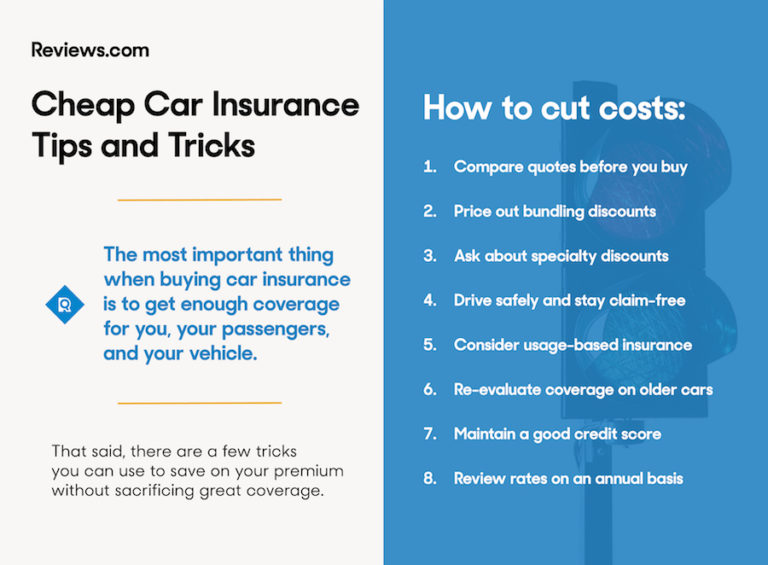
Understanding the contributing factors is the first step; the next is actively implementing strategies to lower your costs. Being proactive and diligent can yield substantial savings.
Shop Around and Compare Quotes
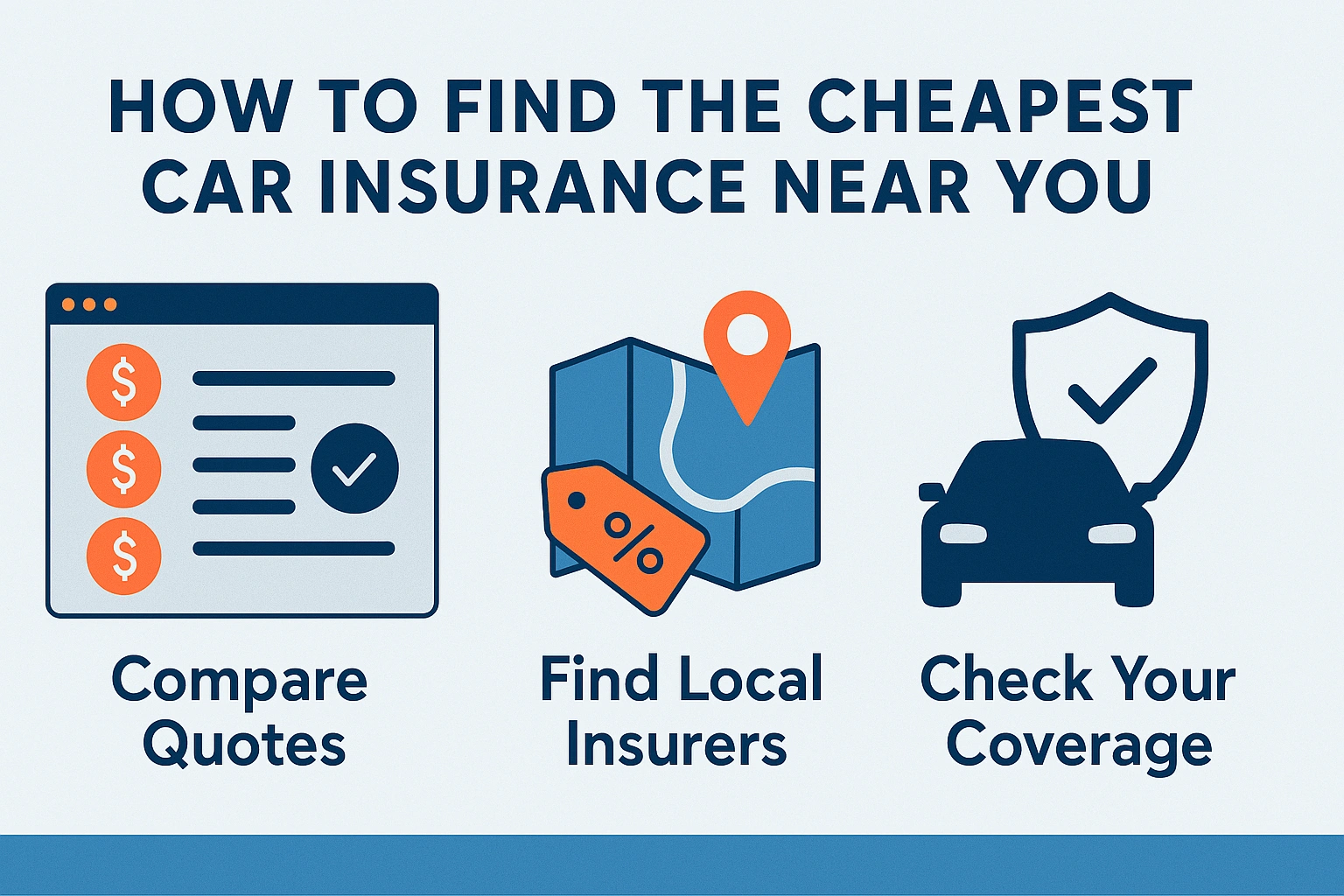
This is perhaps the single most effective strategy for finding cheaper car insurance. Premiums can vary by hundreds or even thousands of dollars between different providers for the exact same coverage, as each insurer has its own proprietary algorithm and risk assessment models.
-
Get Multiple Quotes: Don’t settle for the first quote you receive. Contact at least 3-5 different insurance companies directly, use reputable online comparison websites, or work with an independent agent (discussed below).
-
Compare Apples to Apples: When comparing quotes, ensure you are looking at identical coverage limits, deductibles, and endorsements to make an accurate comparison. A lower premium might simply mean less coverage.
-
Re-shop Annually: Insurance rates are not static. Your personal circumstances change, and so do the market rates and offerings from various insurers. Make it a habit to re-shop for insurance at least once a year, or whenever you experience a significant life event (e.g., marriage, moving, buying a new car).
Leverage Discounts and Bundling Options
Most insurance companies offer a wide array of discounts that policyholders often overlook. Actively inquire about every discount you might qualify for.
-
Multi-Policy/Bundling Discount: This is one of the most common and significant discounts. Insurers often offer a reduced rate if you purchase multiple policies from them, such as car insurance combined with home, renters, or life insurance.
-
Good Driver Discount: A reward for drivers with a clean record over a specified period (e.g., 3-5 years) without accidents or violations.
-
Good Student Discount: High school or college students who maintain a certain GPA (e.g., B average or 3.0) can often qualify for a discount.
-
Low Mileage Discount: If you drive fewer miles than the average driver (e.g., under 7,500-10,000 miles per year), you might be eligible for this.
-
Defensive Driving Course Discount: Completing an approved defensive driving course can not only refresh your skills but also lead to a discount, especially if you have a recent minor infraction.
-
Professional/Affinity Group Discounts: Some insurers offer discounts to members of specific professional organizations, alumni associations, or employee groups.
-
Safety Feature Discounts: As mentioned earlier, vehicles with advanced safety features (anti-lock brakes, airbags, anti-theft devices) often qualify for reductions.
-
Payment Discounts: You might get a discount for paying your premium in full upfront, enrolling in automatic payments, or opting for paperless billing.
Optimize Your Coverage and Deductibles
While it’s critical not to be underinsured, there are smart ways to adjust your coverage to save money.
-
Increase Your Deductibles: If you have a robust emergency fund and can comfortably afford to pay more out-of-pocket in the event of a claim, increasing your collision and comprehensive deductibles from, say, $500 to $1,000 can significantly lower your premium.
-
Review Comprehensive and Collision for Older Cars: For very old cars that have a low market value, the cost of collision and comprehensive coverage might outweigh the potential payout. If your car is only worth a few thousand dollars, it might be more cost-effective to drop these coverages and rely solely on liability, saving those premium dollars.
-
Understand State Minimums vs. Recommended Coverage: While state minimum liability coverage might seem cheap, it often provides insufficient protection. It’s usually advisable to carry higher liability limits to protect your assets in the event of a serious accident, but you can still balance this with cost-saving measures on other coverages.
Smart Vehicle Choices and Maintenance for Lower Costs
The type of car you own significantly influences your insurance costs. Making an informed choice before purchasing a vehicle can save you money for years to come.
Choosing an Insurance-Friendly Vehicle
The decision of what car to buy has long-term financial implications beyond just the sticker price and fuel economy.
-
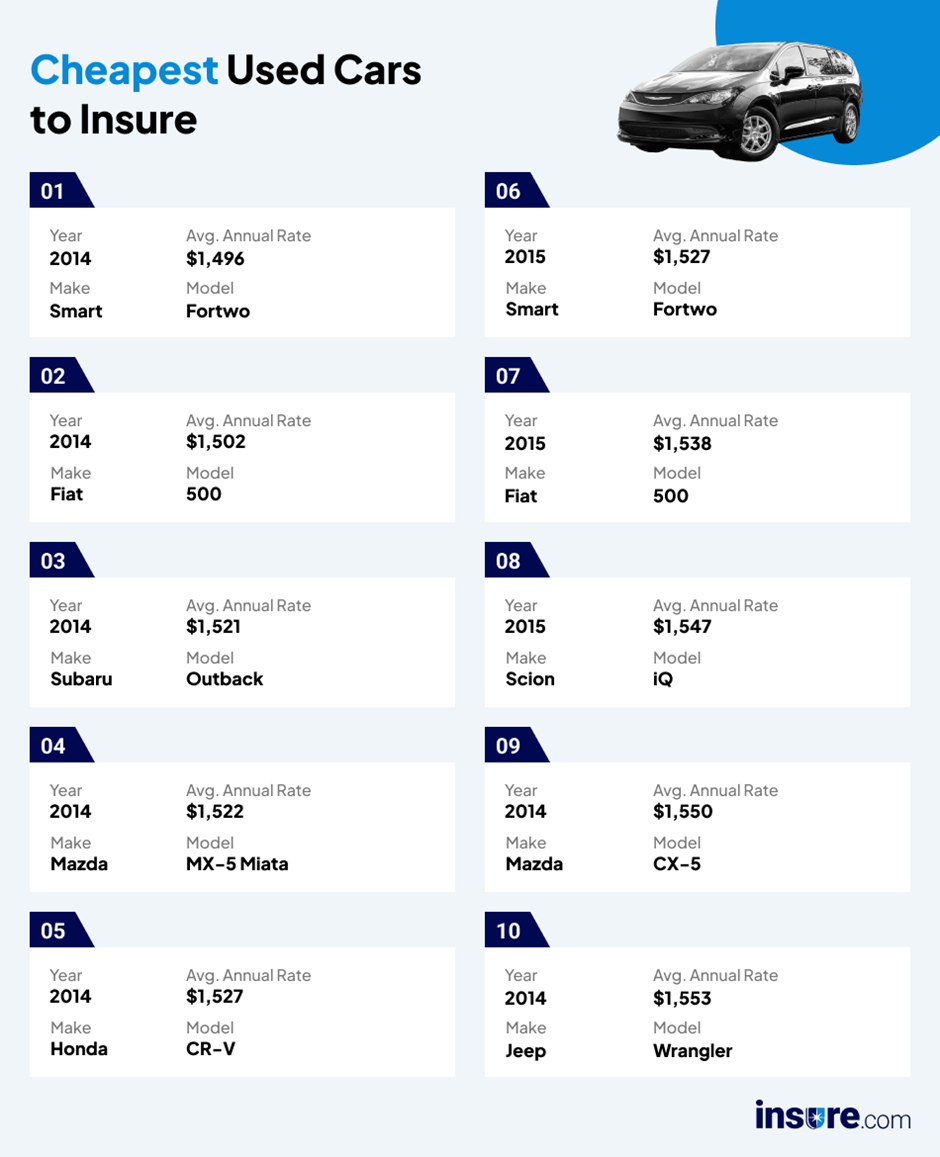
Research Insurance Costs Before You Buy: Before falling in love with a particular model, get insurance quotes for it. A car that’s cheap to buy might be surprisingly expensive to insure, and vice-versa.
-
Prioritize Safety Ratings: Vehicles with top safety ratings from organizations like the IIHS (Insurance Institute for Highway Safety) or NHTSA (National Highway Traffic Safety Administration) often qualify for lower premiums because they are less likely to result in severe injuries or costly damage in an accident.
-
Consider Repair Costs and Parts Availability: Cars that are known for expensive parts or specialized repair processes (e.g., certain luxury European brands) will generally have higher collision and comprehensive premiums. Opting for models with widely available, affordable parts can lead to savings.
-
Avoid High-Risk Vehicles: Sports cars, high-performance models, and vehicles with a high theft rate will almost invariably carry higher insurance premiums.
Installing Safety and Anti-Theft Devices
Beyond factory-installed features, adding aftermarket security measures can further reduce your risk profile in the eyes of insurers.
-
Advanced Alarms and Immobilizers: While many modern cars come with sophisticated anti-theft systems, upgrading to a certified alarm or immobilizer system can sometimes net additional discounts.
-
Tracking Devices: GPS tracking systems like LoJack can significantly increase the chances of vehicle recovery if stolen, making your car less of a theft risk for insurers.
-
Visible Deterrents: Even simple measures like a steering wheel lock, while perhaps not providing a discount, can make your car less appealing to casual thieves, indirectly reducing your risk exposure. Always check with your insurer if a specific device qualifies for a discount before making a purchase.
Advanced Tactics and Long-Term Savings
Beyond the immediate actions, there are more nuanced and long-term strategies you can employ to ensure you’re always paying the lowest possible premium.
Consider Telematics or Usage-Based Insurance (UBI)
These programs leverage technology to monitor your driving behavior, offering personalized premiums based on how safely and how much you drive.
-
How it Works: Insurers provide a device that plugs into your car’s diagnostic port or an app on your smartphone to track metrics like speed, braking habits, acceleration, mileage, and time of day you drive.
-
Potential Savings: If you are a consistently safe driver who avoids hard braking, rapid acceleration, and late-night driving, these programs can offer significant discounts, often up to 30% or more.
-
Considerations: Not everyone is comfortable with the idea of their driving habits being monitored. Read the terms carefully to understand what data is collected and how it’s used.
Reassess Your Policy Annually
Life is dynamic, and your insurance policy should reflect your current circumstances.
-
Major Life Changes: Getting married, having a child, moving to a new home, changing jobs (especially if it alters your commute), or a teenager getting their license all warrant a policy review.
-
Vehicle Changes: If you modify your vehicle, install new safety features, or simply put fewer miles on it than initially estimated, update your insurer.
-
Premium Adjustment: Even without major changes, your eligibility for certain discounts or the overall market rates can shift. An annual review ensures your coverage is still appropriate and that you’re not overpaying.
Work with an Independent Insurance Agent
While direct insurers and online comparison sites are popular, an independent agent can be a valuable resource.
-
Brokerage Power: Unlike agents who work for a single company, independent agents represent multiple insurers. They can shop around on your behalf, comparing policies and discounts from various providers to find the best fit and price for your specific needs.
-
Expert Advice: They can offer personalized advice, explaining complex coverage options and helping you understand the fine print, ensuring you get adequate protection without unnecessary add-ons.
Pay Premiums Annually (If Possible)
Many insurers offer a discount for paying your entire premium upfront rather than in monthly installments.
-
Avoid Installment Fees: Monthly payment plans often come with administrative fees or interest charges. By paying annually, you bypass these additional costs, leading to modest but worthwhile savings over time.
-
Budgeting Benefit: While it requires a larger upfront outlay, paying annually simplifies budgeting by eliminating a recurring monthly expense for a full year.
Conclusion
Securing cheap car insurance is not about cutting corners on vital protection but rather about strategic planning, informed decision-making, and consistent vigilance. By understanding the factors that influence your premiums, proactively shopping around, leveraging every available discount, and optimizing your coverage choices, you can significantly reduce your annual outlay. Make it a habit to regularly review your policy, assess your needs, and explore new opportunities for savings. An actively managed approach to your car insurance ensures that you not only get the best possible rate but also maintain the peace of mind that comes from knowing you’re adequately protected on the road.
aViewFromTheCave is a participant in the Amazon Services LLC Associates Program, an affiliate advertising program designed to provide a means for sites to earn advertising fees by advertising and linking to Amazon.com. Amazon, the Amazon logo, AmazonSupply, and the AmazonSupply logo are trademarks of Amazon.com, Inc. or its affiliates. As an Amazon Associate we earn affiliate commissions from qualifying purchases.