
For many drivers, car insurance is a significant and unavoidable monthly expense. Among the myriad of providers, Progressive stands out as one of the largest and most recognized insurers, known for its extensive coverage options and innovative tools. However, the perennial question remains: “How much does Progressive car insurance cost per month?” The simple answer is, it varies significantly from one individual to another. There isn’t a single, fixed price for Progressive car insurance because premiums are meticulously calculated based on a complex interplay of personal factors, vehicle details, coverage choices, and geographical influences.
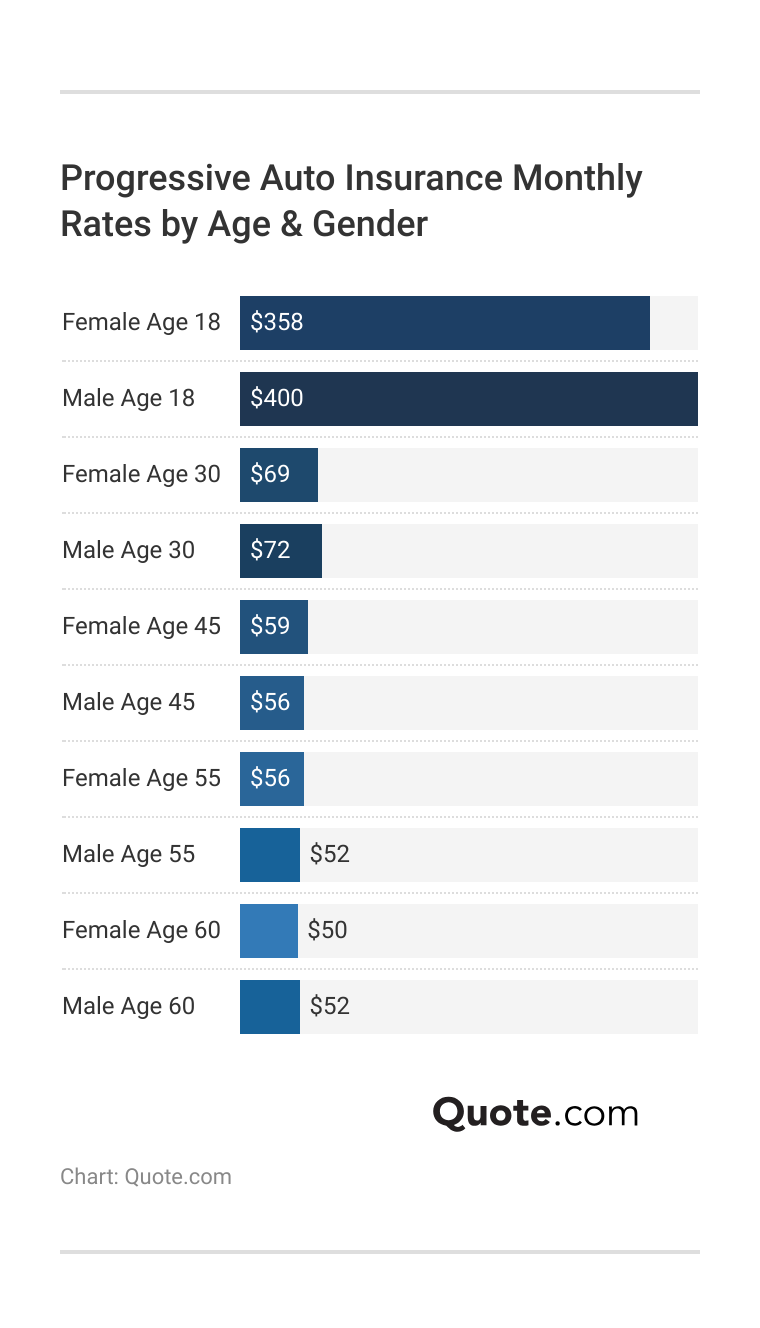
Understanding what goes into these calculations is the first step toward demystifying your potential monthly premium and empowering you to find a rate that aligns with your budget and needs. This comprehensive guide will break down the key determinants of Progressive car insurance costs, offer insights into average expenses, and provide actionable strategies to help you secure the most competitive rate possible.
Deconstructing Progressive Car Insurance Premiums: Key Influencers
Progressive, like other major insurers, employs sophisticated algorithms to assess risk and determine policy premiums. This assessment considers a wide array of data points, each contributing to your final monthly cost. Knowing these factors can help you anticipate your premium and identify areas where you might influence the price.
Personal Demographics and Driving History
Your individual profile is a cornerstone of your insurance premium calculation. Age, for instance, plays a crucial role, with younger, less experienced drivers typically facing higher rates due to a statistically greater likelihood of accidents. Conversely, mature drivers with clean records often enjoy lower premiums. Gender can also be a factor in some states, although its impact is generally minor. Marital status can sometimes influence rates, with married individuals occasionally receiving slight discounts.
Perhaps most significant is your driving record. A history of accidents, traffic violations (like speeding tickets or DUIs), or past claims will almost certainly lead to higher premiums. Insurers view these as indicators of higher risk. Conversely, a long history of safe driving is one of the most powerful tools for securing lower rates. In many states, your credit-based insurance score (which differs from your standard credit score but uses similar data points) can also impact your premium, as studies suggest a correlation between financial responsibility and driving behavior.
Vehicle Characteristics
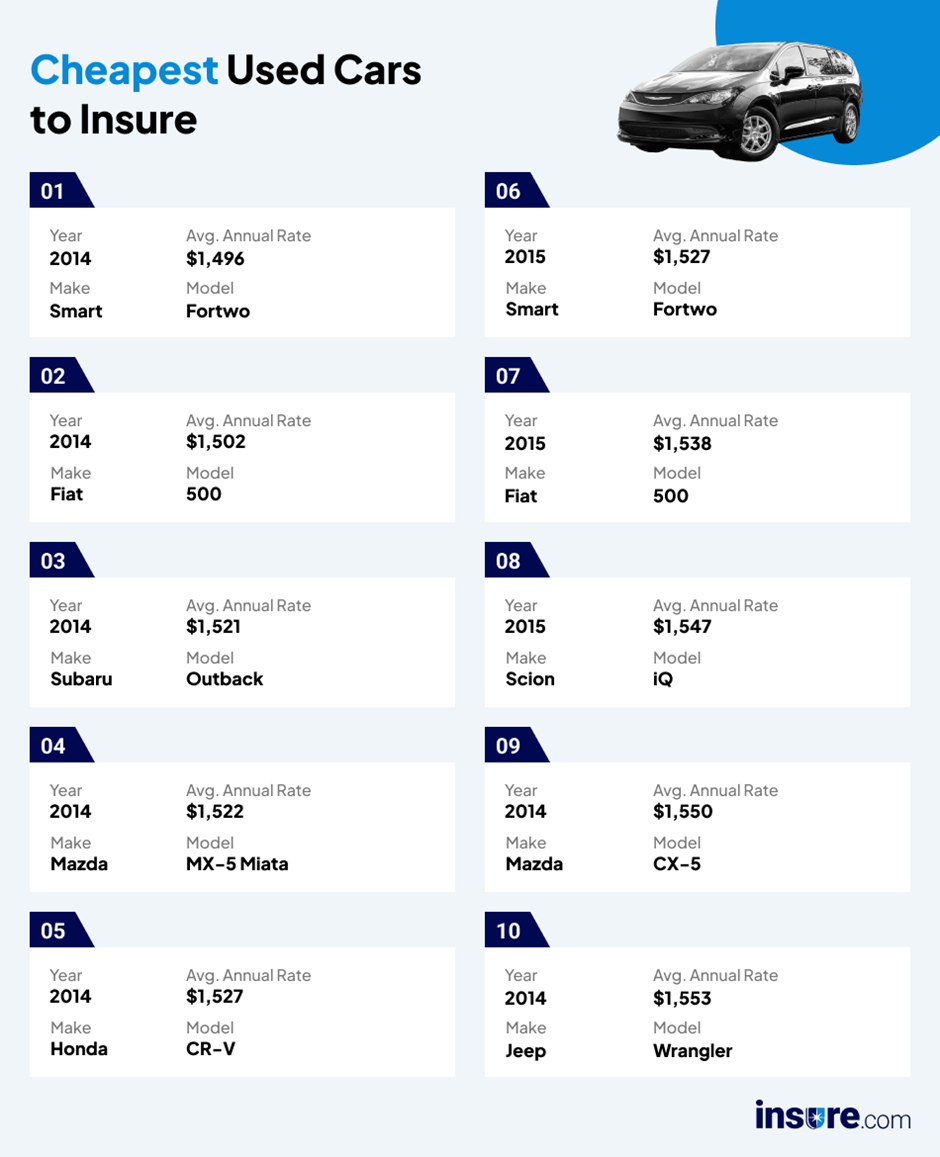
The car you drive is another major determinant of your insurance cost. The make, model, and year of your vehicle all play a part. High-performance or luxury vehicles are typically more expensive to insure due due to higher repair costs, greater susceptibility to theft, and often a higher likelihood of being involved in more severe accidents. Conversely, older, more common, and safer vehicles often command lower premiums.
Beyond the basic vehicle type, specific features also matter. Cars equipped with advanced safety features (like automatic emergency braking, lane-keeping assist, or adaptive cruise control) may qualify for discounts. The vehicle’s theft rate in your area is also considered; models frequently targeted by thieves will naturally incur higher comprehensive coverage costs. How you use your vehicle – whether it’s primarily for short commutes, long road trips, or just occasional leisure drives – can also affect the premium, with lower mileage often translating to lower rates.
Coverage Choices and Deductibles
The types and amounts of coverage you choose are perhaps the most direct levers you have over your monthly premium. All states require a minimum level of liability insurance, which covers damages and injuries you cause to others in an at-fault accident. However, opting for only the minimum can leave you financially vulnerable in a serious incident. Adding optional coverages such as collision (covers damage to your car in an accident), comprehensive (covers non-collision damage like theft, vandalism, weather), uninsured/underinsured motorist (protects you if the at-fault driver has no or insufficient insurance), medical payments, and roadside assistance will increase your premium.
Each coverage type also comes with a deductible – the amount you pay out-of-pocket before your insurance kicks in. Generally, choosing a higher deductible (e.g., $1,000 instead of $500) will lower your monthly premium, as you are agreeing to take on more financial responsibility in the event of a claim. This is a common strategy for reducing monthly costs, but it requires having an emergency fund readily available to cover that higher deductible if needed.
Geographical Location
Where you live, park your car, and primarily drive has a substantial impact on your insurance rates. Urban areas, for example, typically have higher accident rates, greater traffic congestion, and increased instances of theft and vandalism, leading to higher premiums compared to rural or suburban areas. Even within the same city, rates can vary significantly by zip code, reflecting local accident statistics, crime rates, and even the cost of auto repairs in that specific vicinity. Severe weather patterns common in certain regions (e.g., hail storms, hurricanes) can also drive up comprehensive coverage costs. Progressive, like other insurers, uses detailed localized data to fine-tune its pricing for different geographic regions.
Average Costs and Benchmarks: What Progressive Customers Typically Pay
While pinpointing an exact “average” monthly cost for Progressive car insurance is challenging due to the multitude of variables involved, it’s possible to discuss general ranges and how different profiles influence these figures. It’s crucial to understand that any average is merely an illustrative benchmark, and your actual quote will depend entirely on your unique circumstances.
Understanding the “Average”: A Moving Target
The concept of an “average” car insurance premium is inherently fluid. It fluctuates based on national and regional economic conditions, industry trends, changes in accident rates, and even the evolving cost of vehicle parts and labor for repairs. Therefore, what might be an average rate one year could be different the next. Furthermore, national averages can be misleading because rates can vary by hundreds of dollars from state to state, and even within different cities in the same state. Progressive, like all insurers, is constantly adjusting its pricing models based on real-time data to remain competitive and financially solvent.
Illustrative Ranges by Driver Profile
To provide a more tangible understanding, let’s consider hypothetical illustrative ranges based on common driver profiles. Please remember these are rough estimates and not a guarantee of your actual rate:
-
Young Drivers (16-24 years old): This demographic almost universally faces the highest premiums. Progressive, like other insurers, sees this group as having less driving experience and a higher statistical risk of accidents. Monthly premiums could range anywhere from $250 to $500+, especially for full coverage.
-
Adult Drivers (25-55 years old) with a Clean Record: This is often the sweet spot for lower rates. With several years of driving experience and no recent accidents or violations, premiums can range from $120 to $250 per month for full coverage, depending heavily on the vehicle and specific location.
-
Senior Drivers (55+ years old): While experience is a positive, some senior drivers might see rates increase slightly at very advanced ages due to potential changes in reaction time, though many continue to enjoy excellent rates due to long, clean driving histories. Monthly costs might be similar to or slightly above the adult driver range, perhaps $130 to $280 per month.
These ranges are highly generalized. A 20-year-old driving an older, basic sedan with minimal coverage in a rural area might pay less than a 35-year-old with a new sports car and full coverage in a high-traffic urban center, even with a clean record. The key takeaway is that your personal risk profile is the dominant factor.
Impact of Coverage Levels on Monthly Payments
The type and extent of coverage you select have a direct and substantial impact on your monthly premium. State-minimum liability insurance is always the cheapest option because it offers the least protection. However, choosing just the minimum can expose you to significant financial risk if you’re involved in a serious accident.
-
State Minimum Liability Only: This typically represents the lowest monthly cost, potentially ranging from $50 to $150 per month, but offers minimal protection for your own vehicle or medical bills.
-
Full Coverage (Liability, Collision, Comprehensive): This package provides significantly broader protection and is usually required if you have a car loan or lease. Consequently, it commands a higher premium, often in the range of $120 to $350+ per month, depending on all other factors. Adding additional coverages like roadside assistance, rental car reimbursement, or gap insurance will further increase this amount.
It’s a balancing act between affordability and comprehensive protection. While higher coverage costs more upfront, it can save you thousands in the long run if you ever need to file a significant claim.
Smart Strategies to Reduce Your Progressive Monthly Premium
Even if your initial Progressive quote seems high, there are numerous proactive steps you can take to bring your monthly premium down. Many of these strategies involve leveraging discounts, adjusting your policy, or improving your driver profile over time.
Maximizing Discounts
Progressive offers a wide array of discounts that can significantly chip away at your monthly bill. It’s crucial to ask about every possible discount when getting a quote or reviewing your policy:
-
Bundling: One of the most impactful discounts is bundling multiple policies, such as combining your auto and home/renters insurance with Progressive. This can often lead to substantial savings on both policies.
-
Multi-Car Discount: Insuring more than one vehicle on the same Progressive policy typically qualifies you for a discount.
-
Safe Driver/Accident Forgiveness: Progressive rewards drivers with a clean record over a certain period. In some cases, they also offer accident forgiveness programs.
-
Good Student Discount: Young drivers who maintain a B average or better may be eligible for a discount.
-
Distant Student Discount: If a student on your policy lives away at school without a car, you might qualify for a discount.
-
Anti-Theft Device Discount: Having approved anti-theft systems installed in your vehicle can lower your comprehensive coverage cost.
-
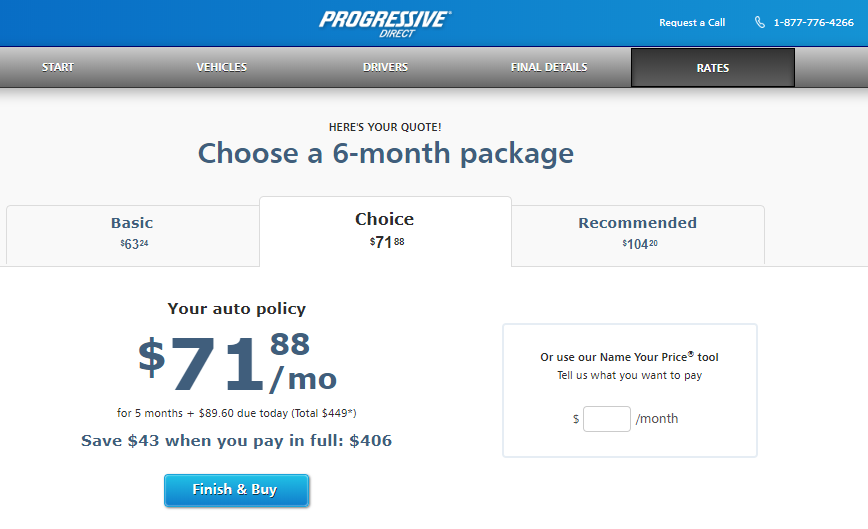
Paid-in-Full Discount: If you pay your entire premium upfront for a six-month or annual term instead of monthly installments, Progressive often offers a discount.
-
Paperless/Online Discount: Opting for paperless billing or signing up for your policy online can also result in small but cumulative savings.
Leveraging Progressive’s Snapshot Program
Progressive’s Snapshot program is a usage-based insurance (UBI) tool that can be a game-changer for safe drivers. By installing a device in your car or using a mobile app, Snapshot monitors your driving habits, including mileage, braking, acceleration, and time of day you drive. While there’s a chance your rate could go up if your driving habits indicate higher risk, most safe drivers see a discount. It’s an excellent way for individuals to demonstrate their low-risk behavior directly and potentially earn a significant reduction in their premium, particularly after the initial monitoring period.
Adjusting Coverage and Deductibles Wisely
Reviewing your coverage levels and deductibles annually is a smart financial move. If your vehicle is older and has depreciated significantly, you might consider dropping collision and comprehensive coverage, especially if the annual premium for these coverages is nearing the actual cash value of the car. However, ensure you understand the risks involved before making such a decision.
Increasing your deductibles (e.g., from $500 to $1,000) for collision and comprehensive coverage will lower your monthly premium. Just ensure you have an emergency fund sufficient to cover that higher deductible if you need to file a claim. It’s a calculated risk that can save you money each month.
Maintaining a Clean Driving Record and Good Credit
These are long-term strategies that yield significant dividends. Avoiding accidents and traffic violations is the most direct way to keep your premiums low. Insurers highly value a clean driving history, and over time, a spotless record will unlock the best rates. Similarly, improving your credit score (where credit is a factor in your state) can positively impact your insurance premiums, as insurers often associate higher credit scores with lower claim frequency.
Regularly Shopping for Quotes
Even if you’re a loyal Progressive customer, it’s prudent to shop around for car insurance quotes from various providers at least once a year, or whenever your policy is up for renewal. The insurance market is competitive, and rates can change frequently. While Progressive offers its own comparison tool, directly obtaining quotes from different companies can sometimes reveal even better deals. Use Progressive’s “Name Your Price” tool to help you find coverage that fits your budget. This practice ensures you’re always getting the best value for your money and prevents “loyalty penalties” that some long-term customers might inadvertently incur.
Beyond the Price Tag: The Value Proposition of Progressive Insurance
While the monthly cost is a primary concern, it’s essential to consider the overall value proposition of an insurance provider. Progressive’s appeal extends beyond just competitive pricing to encompass robust coverage options, customer service, and innovative digital tools that enhance the policyholder experience.
Comprehensive Coverage Options and Financial Security
Progressive offers a wide spectrum of coverage choices, allowing drivers to customize their policies to meet specific needs and risk tolerances. From standard liability, collision, and comprehensive to more specialized options like rental car reimbursement, roadside assistance, and custom parts and equipment coverage, Progressive aims to provide financial security against various unforeseen events. This breadth of choice means you can tailor your policy to ensure you’re adequately protected, whether you’re driving a brand-new car or an older, cherished vehicle. The peace of mind that comes from knowing you’re well-covered often justifies the premium.
Customer Service and Claims Experience
The true test of an insurance company often comes during the claims process. Progressive has invested significantly in its claims handling capabilities, aiming for efficiency and fairness. A strong reputation for responsive customer service and a streamlined claims process can be invaluable when you’re dealing with the stress of an accident or other covered event. Access to a network of approved repair shops, clear communication, and prompt resolution are all factors that contribute to a positive experience and add tangible value beyond the monthly payment.
Digital Tools and Convenience
Progressive has been at the forefront of leveraging technology to enhance the customer experience. Their mobile app allows policyholders to manage their policies, pay bills, access ID cards, and even file claims directly from their smartphones. Their user-friendly website offers extensive self-service options, making it easy to get quotes, make changes, and find information without needing to call an agent. This digital convenience saves time and offers flexibility, fitting into modern lifestyles.
The ‘Name Your Price’ Tool and Comparison Shopping
A standout feature unique to Progressive is its “Name Your Price” tool. This innovative feature allows users to input the monthly premium they want to pay, and Progressive then shows them the coverage options available within that budget. While it’s not a guarantee of finding your exact desired coverage, it’s a powerful tool for budget-conscious consumers. Additionally, Progressive’s online quote tool famously compares its rates with those of other leading insurers, providing transparent information that helps consumers make informed decisions, even if it means choosing a competitor. This commitment to transparency is a significant value-add for customers.
Obtaining Your Personalized Progressive Quote: A Practical Guide
The most accurate way to determine how much Progressive car insurance will cost you per month is to get a personalized quote directly from the company. The process is straightforward and typically takes only a few minutes.
Gathering Necessary Information
Before you begin, have the following information readily available to ensure an accurate quote:
-
Vehicle Information: Year, make, model, VIN (Vehicle Identification Number) for all cars you wish to insure.
-
Driver Information: Dates of birth, driver’s license numbers, marital status, education level, and occupation for all drivers in your household.
-
Driving History: Details of any accidents, tickets, or claims within the last 3-5 years for all drivers.
-
Current Insurance Information: If you currently have insurance, details of your current policy can be helpful for comparison.
-
Desired Coverage: Think about the types and amounts of coverage you need (e.g., minimum liability, full coverage, specific add-ons) and your preferred deductible amounts.
Online, Phone, or Agent: Choosing Your Quote Method
Progressive offers multiple convenient ways to get a quote:
-
Online: This is often the fastest and most popular method. Progressive’s website is designed for quick and efficient quote generation, and you can usually see your results instantly.
-
Phone: You can call Progressive directly to speak with a licensed agent who can walk you through the process, answer questions, and help customize your quote. This is a good option if you have complex needs or prefer human interaction.
-
Independent Agent: Many independent insurance agents represent multiple carriers, including Progressive. They can help you compare Progressive’s rates with other companies and provide personalized advice.
Understanding Your Quote Breakdown
Once you receive your quote, take the time to review it carefully. It will typically show a breakdown of the monthly or six-month premium by each type of coverage (e.g., liability, collision, comprehensive). It will also detail any discounts applied. Ensure that the coverage amounts and deductibles match your expectations and needs.
Reviewing and Customizing Your Policy
Don’t just accept the first quote you receive. Use the quote as a starting point. Experiment with different coverage levels and deductibles to see how they impact your monthly payment. For example, increasing your liability limits or adding medical payments coverage might slightly raise your premium but offer significantly better protection. Conversely, opting for a higher deductible can lower your monthly outlay. Progressive’s online tools are usually quite interactive, allowing you to adjust these parameters in real-time. By actively engaging with your quote, you can fine-tune your policy to meet your specific financial situation and driving requirements, ensuring you get the best possible value from your Progressive car insurance.
aViewFromTheCave is a participant in the Amazon Services LLC Associates Program, an affiliate advertising program designed to provide a means for sites to earn advertising fees by advertising and linking to Amazon.com. Amazon, the Amazon logo, AmazonSupply, and the AmazonSupply logo are trademarks of Amazon.com, Inc. or its affiliates. As an Amazon Associate we earn affiliate commissions from qualifying purchases.