
Cashing a check, while seemingly a straightforward financial transaction, can sometimes present a maze of options, especially when dealing with specific banks like PNC. Whether you’ve received a payroll check, a refund, or a payment from an individual, understanding the various avenues available to convert that piece of paper into usable cash or deposited funds is crucial for effective personal financial management. This guide aims to demystify the process, providing a comprehensive overview of your options for cashing a PNC check, alongside vital considerations to ensure a smooth and secure transaction.
Accessing your funds efficiently is a cornerstone of sound financial practice. While digital payments and direct deposits have grown exponentially, paper checks remain a significant part of the financial landscape. Knowing your choices, from traditional banking methods to more modern alternatives, empowers you to make informed decisions that best suit your immediate needs and financial circumstances.
Understanding Your PNC Check and Initial Steps
Before you even think about where to cash your check, it’s essential to understand the basics of the document itself and what preliminary steps you need to take to ensure a secure and successful transaction. A clear understanding of these initial stages can prevent delays, fees, or even potential fraud.
What Constitutes a PNC Check?
A PNC check is simply a check drawn on a PNC Bank account. This means the funds for that check are held at PNC Bank. The payer, whether an individual or a business, has an account with PNC, and they are instructing PNC to pay the specified amount to you, the payee. You’ll typically see the PNC Bank logo and routing number printed on the check. Recognizing that it’s a PNC check is the first step, as it often dictates the most direct routes for cashing or depositing.
Essential Pre-Cashing Verification: Authenticity and Endorsement
Before heading to any financial institution or service, take a moment to inspect the check thoroughly. Verifying its authenticity and ensuring proper endorsement are non-negotiable steps.
Firstly, examine the check for common signs of fraud. Look for discrepancies in font, blurry printing, misspellings, or any alterations. Genuine checks usually have security features like microprinting around the signature line or a security screen on the back that says “ORIGINAL DOCUMENT.” Ensure the payee name (your name) is spelled correctly and matches your identification, and that the written amount matches the numerical amount. If anything seems amiss, contact the check issuer for clarification before attempting to cash it.
Secondly, and critically, properly endorse the check. This involves signing your name on the back of the check, usually in the designated endorsement area. For a standard check, a simple signature will suffice. If you’re depositing it into an account, you might also write “For Deposit Only” above or below your signature. If you intend for someone else to cash or deposit it on your behalf (which is rare and generally discouraged for security reasons, known as a third-party endorsement), you would sign and write “Pay to the order of [Third Party’s Name]”. However, many banks are increasingly reluctant to accept third-party checks due to fraud concerns. Always ensure your endorsement matches the name on the front of the check and your government-issued ID. Without proper endorsement, no institution will accept the check.
Traditional and Most Reliable Methods for Cashing
When it comes to converting a PNC check into spendable funds, certain methods stand out for their reliability, security, and often, speed. These typically involve banking institutions themselves, offering the most direct routes to accessing your money.
Cashing at a PNC Bank Branch: The Gold Standard
If you have a PNC check, the most straightforward and often cheapest option is to take it directly to a PNC Bank branch. This is considered the “gold standard” because the bank can verify the funds in the issuer’s account immediately and directly.
-
If you have an account with PNC Bank: This is the easiest scenario. You can either deposit the check directly into your account or, if you need cash, present it to a teller. If there are sufficient funds in the issuer’s account and your own account is in good standing, you can usually receive the full amount in cash instantly, assuming the branch has enough currency on hand. There are typically no fees for PNC account holders to cash a PNC check.
-
If you do NOT have an account with PNC Bank: You can still attempt to cash a PNC check at a PNC branch, but it might come with specific conditions and potentially a fee. PNC, like most banks, is generally obligated to cash checks drawn on their accounts, provided there are sufficient funds and you can prove your identity. You will be required to present a valid, government-issued photo ID (e.g., driver’s license, passport). Be prepared for a potential non-customer check cashing fee, which can vary by bank and even location, but typically ranges from $5 to $10, or a percentage of the check amount. Some banks may also have a policy to only cash checks up to a certain amount for non-account holders, or they might refuse outright if the check amount is very large, for security reasons. The primary benefit remains instant access to your funds, avoiding check holds that might occur elsewhere.
Depositing into Your Own Bank Account (PNC or Other Financial Institution)
For most people, depositing the check into their existing bank account—regardless of whether it’s with PNC or another institution—is the preferred and most practical method. This is a secure way to manage your funds and usually incurs no direct fees, though fund availability might be a factor.
-
Depositing at a PNC Branch (with a PNC Account): As mentioned, this is ideal. Funds are typically available immediately, or within one business day, depending on the check amount and your account history.
-
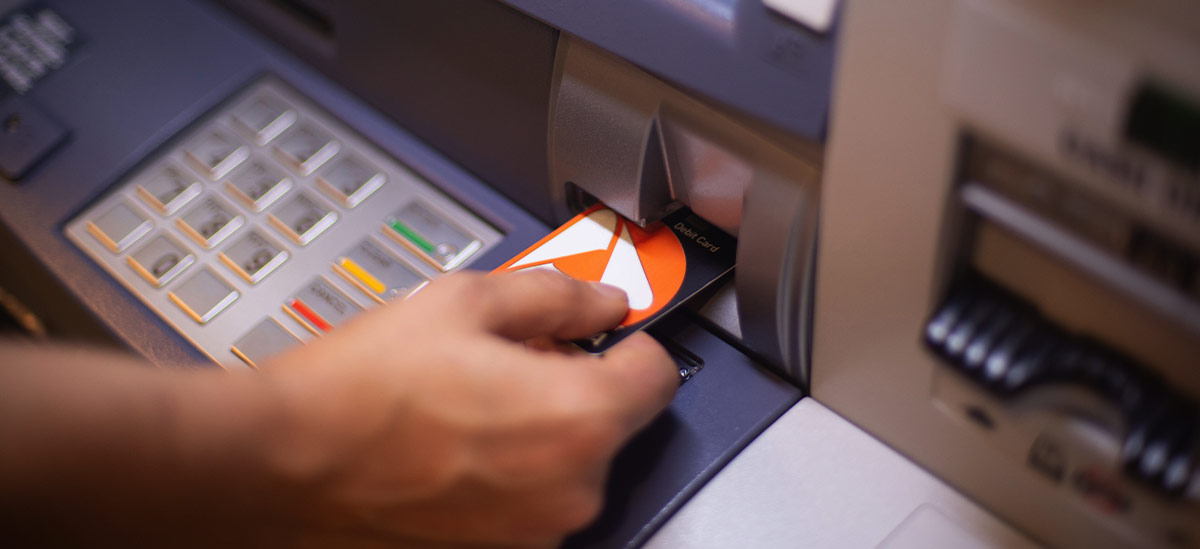
Depositing via PNC ATM (with a PNC Account): You can also deposit a PNC check at a PNC ATM. While convenient, funds deposited via ATM might be subject to a hold, meaning the full amount may not be immediately available. PNC’s policy will dictate how much is available immediately (often up to $200-$225) and when the remainder will clear.
-
Depositing into an Account at a Different Bank (e.g., Bank of America, Chase, Wells Fargo): This is a very common scenario. Simply take the PNC check to your own bank (or credit union) and deposit it there. Your bank will then process the check through the financial system, requesting the funds from PNC Bank.
-
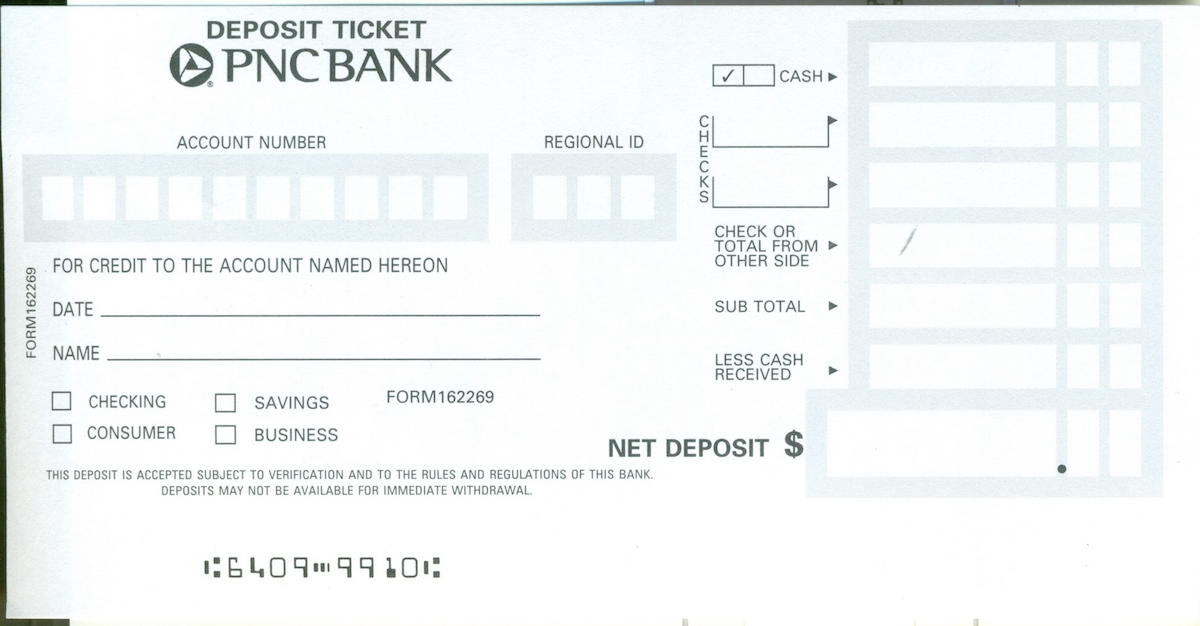
In-Person Deposit: Hand the endorsed check to a teller, along with your deposit slip (if applicable) and account number.
-
ATM Deposit: Most ATMs accept check deposits. Ensure you follow the on-screen instructions carefully. Again, these deposits are usually subject to a hold.
-
Mobile Deposit: Many banks offer mobile deposit services through their banking apps. You simply take photos of the front and back of the endorsed check using your smartphone. This is incredibly convenient but almost always comes with a fund hold period.
-
-
Fund Availability (Check Holds): When depositing a check into an account, especially one not with the issuing bank, funds may not be immediately available. The Federal Reserve’s Regulation CC dictates the maximum time a bank can hold a check. Generally, the first $225 of a deposit must be available the next business day, but the remaining amount can be held for several business days (typically 2-7 business days for local checks, longer for non-local or large checks). Your bank’s specific policy and your relationship with them (e.g., long-standing customer, direct deposit history) can influence the hold period.
Exploring Alternative Check Cashing Solutions
For individuals who don’t have a bank account or prefer not to use a bank, or for those needing immediate cash when a bank branch isn’t accessible, several alternative check cashing services exist. While offering convenience, these options often come with higher fees.
Supermarkets and Retail Stores: Convenience Beyond Banks
Many large supermarket chains and retail stores offer check cashing services, providing a convenient option for quick access to funds, often during extended hours outside of traditional banking times.
-
Examples: Major retailers like Walmart, Kroger, Giant Eagle (a regional chain particularly relevant in PNC’s footprint), and others often have check cashing services.
-
How it Works: You present your endorsed PNC check and a valid government-issued ID to the customer service desk or a dedicated money service counter.
-
Limitations: These services typically have limitations, including:
-
Check limits: There’s usually a maximum amount for checks they will cash (e.g., Walmart’s limit is often $5,000, or $6,000 during tax season).
-
Fees: They charge a fee, which can be a flat rate or a percentage of the check amount. Walmart, for instance, charges $4 for checks up to $1,000 and $8 for checks over $1,000 (up to their limit).
-
Check type restrictions: They might not cash personal checks, only payroll checks, government checks, or money orders. Always confirm their specific policies for third-party checks like a PNC check.
-
ID requirements: Strong ID is always required.
-
Dedicated Check Cashing Services: Fast Access, Higher Costs
Dedicated check cashing stores (e.g., ACE Cash Express, Check ‘n Go) specialize in providing immediate cash for checks. These are often a last resort due to their typically higher fees, but they can be invaluable for individuals without bank accounts or those in urgent need of cash.
-
How it Works: Similar to retail stores, you present your endorsed PNC check and a valid ID. They verify the check and provide you with cash on the spot, minus their service fee.
-
Fees: These services usually charge a percentage of the check amount, which can range from 1% to 5% or even more, depending on the state and the service provider. For example, cashing a $500 check could cost you $25 or more. While convenient, this adds up quickly, making them a more expensive option than banks or even many retail stores.
-
Documentation: They typically require robust identification and may keep a record of your transaction.
-
When to Consider Them: These services are primarily useful if you do not have a bank account, your bank has placed a long hold on your funds, or you need immediate cash outside of banking hours and retail options are unavailable or unsuitable.
Important Considerations and Best Practices
Navigating the process of cashing a check involves more than just finding a location. Understanding the associated costs, fund availability rules, and essential security measures can protect your finances and ensure a smooth experience.
Navigating Fees and Fund Availability
The cost of cashing a check varies significantly based on the method chosen. Cashing a check at the issuing bank (PNC) where you hold an account is almost always free. If you don’t have an account at PNC, they may charge a fee ranging from $5-$10. Depositing into your own bank account is also typically free, though your bank might charge for certain services if your account balance is very low or you’ve exceeded transaction limits (rare for check deposits).
Alternative services like supermarkets and dedicated check cashing stores will always charge a fee, either a flat rate or a percentage. It’s crucial to ask about these fees upfront and factor them into your decision. A 3% fee on a $1,000 check is $30 – a significant sum that could be avoided by using a bank.
Fund Availability is another critical aspect. When you deposit a check, federal regulations (Regulation CC) govern how quickly banks must make funds available. While the first $225 is generally available the next business day, the remainder can be held longer. Factors influencing hold times include:
-
Check amount: Larger checks often have longer holds.
-
Type of check: Government and cashier’s checks generally clear faster than personal checks.
-
Your account history: New accounts or accounts with a history of overdrafts may experience longer holds.
-
The bank relationship: Deposits at the issuing bank typically clear faster.
Always inquire about fund availability when making a deposit, especially if you need the money quickly.

Essential Identification and Security Tips
Regardless of where you cash your PNC check, valid identification is paramount. You will invariably need a government-issued photo ID, such as:
-
Driver’s license
-
State-issued ID card
-
Passport
-
Military ID
Ensure your ID is current and matches the name on the check. Some institutions may also request a secondary form of identification or your Social Security number for verification purposes.
Security is key throughout the process.
-
Endorse your check only when you are ready to cash or deposit it. An unendorsed check is less appealing to thieves.
-
Never sign a blank check.
-
Keep your checks and personal information secure.
-
If you suspect a check is fraudulent, do not attempt to cash it. Contact the check issuer or PNC Bank directly to verify its legitimacy. Cashing a fraudulent check, even unknowingly, can lead to serious legal and financial repercussions.
-
Keep a record of your check transaction. If depositing, note the confirmation number. If cashing, make a mental note of the location and time.
In conclusion, while the options for cashing a PNC check are varied, approaching the process with knowledge of your choices, an understanding of the associated costs and timelines, and a commitment to security will ensure your funds are accessible and safe. For most, a personal bank account offers the most cost-effective and secure route. However, for those needing immediate cash or without a bank account, reputable retail establishments or dedicated check cashing services provide viable alternatives, albeit with a higher price tag for their convenience.
aViewFromTheCave is a participant in the Amazon Services LLC Associates Program, an affiliate advertising program designed to provide a means for sites to earn advertising fees by advertising and linking to Amazon.com. Amazon, the Amazon logo, AmazonSupply, and the AmazonSupply logo are trademarks of Amazon.com, Inc. or its affiliates. As an Amazon Associate we earn affiliate commissions from qualifying purchases.