
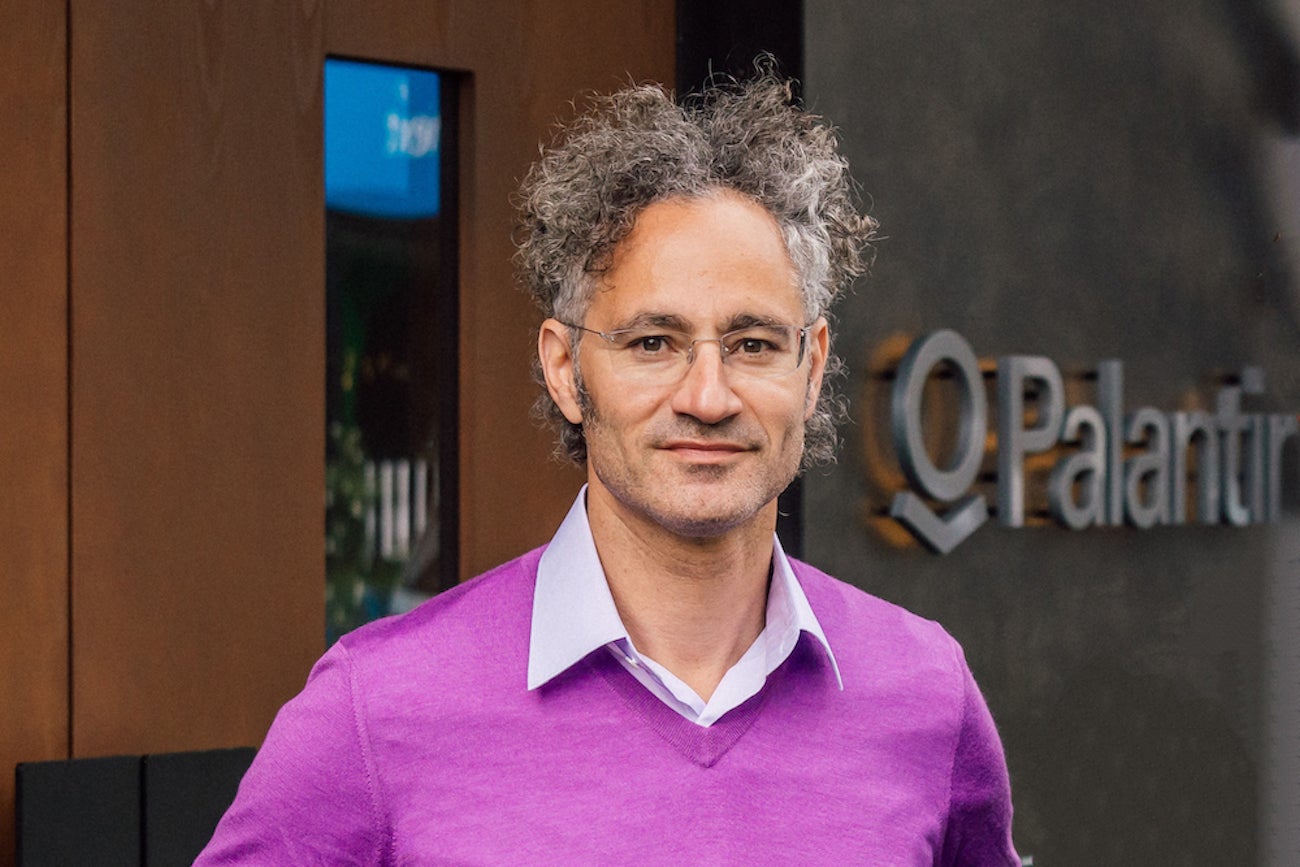
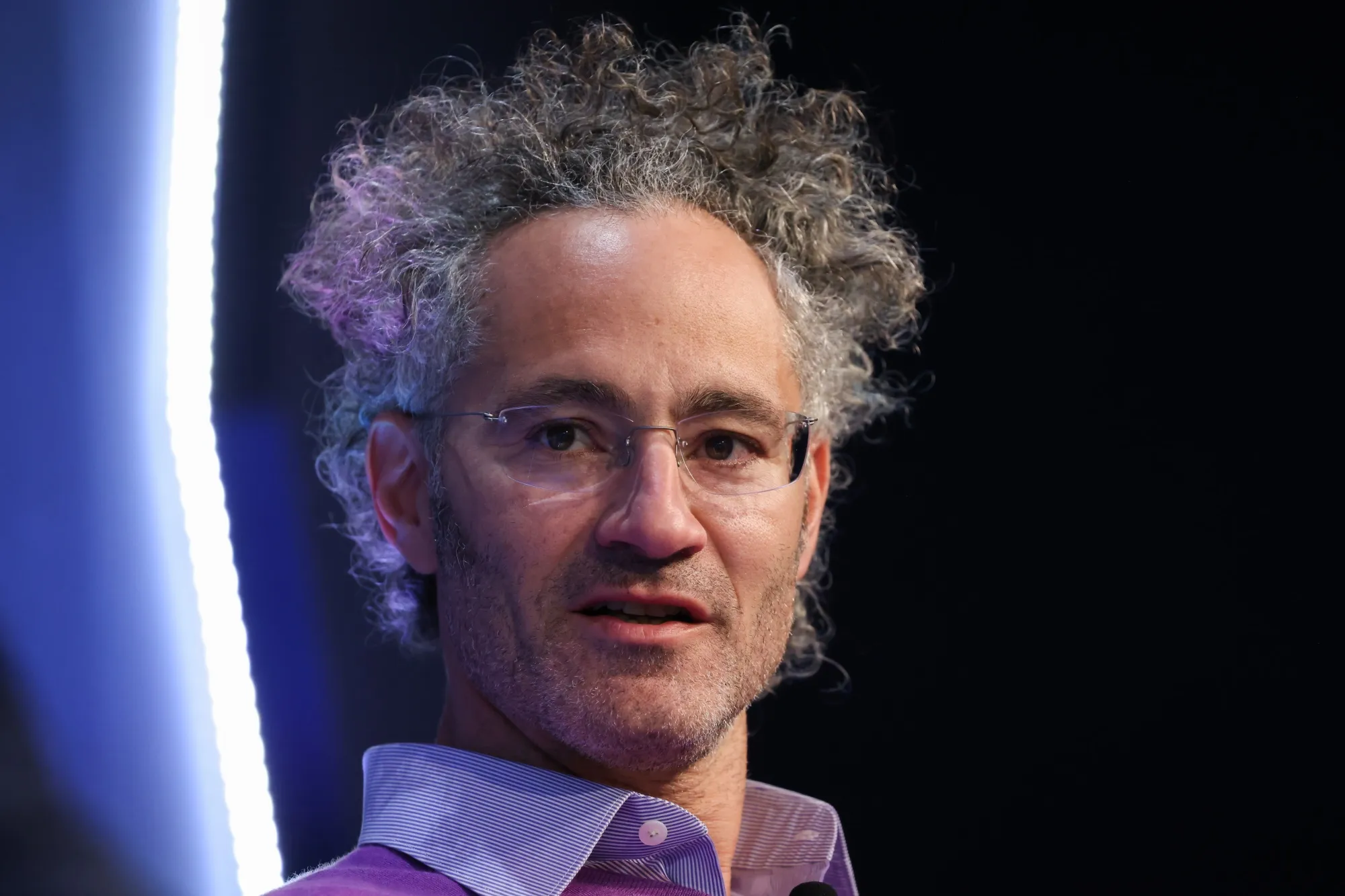
In the landscape of Silicon Valley, where leaders often adhere to a standardized mold of engineering pragmatism and growth-at-all-costs metrics, Alex Karp stands as a striking anomaly. As the co-founder and Chief Executive Officer of Palantir Technologies, Karp has spent the last two decades steering one of the most sophisticated and controversial software companies in the world. His leadership is defined not just by business acumen, but by a deeply philosophical approach to technology, data sovereignty, and the role of software in maintaining global stability.

Understanding who Alex Karp is requires a look beyond the standard CEO biography. He is a philosopher-technologist who has successfully scaled a company specializing in deep-layer data integration, moving from the niche world of intelligence analytics into the core of the global enterprise through the deployment of advanced Artificial Intelligence (AI). Under his guidance, Palantir has transitioned from a secretive startup funded by the CIA’s venture arm into a publicly traded powerhouse that provides the digital “operating system” for both modern militaries and the world’s largest corporations.
The Architect of Data Sovereignty: Understanding Alex Karp’s Philosophy
Alex Karp’s path to the helm of a major tech firm was anything but traditional. Holding a Ph.D. in social theory from the University of Frankfurt, Karp was a student of the late Jürgen Habermas. This academic background in philosophy and sociology informs every aspect of Palantir’s technical roadmap. While many tech giants focus on consumer-facing applications or advertising-driven revenue models, Karp has focused Palantir on solving “the world’s hardest problems” through a lens of Western liberal values and technological supremacy.
From Academia to Big Data: A Unique Technological Background
Karp joined forces with Peter Thiel, Joe Lonsdale, Stephen Cohen, and Nathan Gettings in the early 2000s to build a tool that could assist the intelligence community in the wake of 9/11. The core thesis was that human analysts were drowning in data, and existing software was too rigid to connect the dots across disparate databases. Karp’s role was to bridge the gap between the complex social structures of the world and the binary logic of software. He envisioned a platform that didn’t just store data but understood the relationships between entities—people, places, transactions, and events.
The Counter-Silicon Valley Mindset
Under Karp’s leadership, Palantir has famously distanced itself from the cultural norms of Silicon Valley. While other firms were prioritizing user engagement and viral growth, Karp moved Palantir’s headquarters to Denver, Colorado, signaling a break from the “monoculture” of the San Francisco tech scene. His public discourse frequently touches on the importance of “technological edge” as a deterrent against geopolitical instability. This focus on defense and national security has made him a polarizing figure, yet it has solidified Palantir as the premier partner for democratic institutions seeking to modernize their digital infrastructure.
Palantir’s Software Ecosystem: Gotham, Foundry, and the AIP Revolution
The technological legacy of Alex Karp is best measured by the platforms Palantir has built. These tools are designed to sit on top of existing data silos, harmonizing information into a unified “ontology” that allows users to ask complex questions of their data without needing to be data scientists themselves.
Gotham: Technology for Global Security
Gotham was Palantir’s first flagship product, designed primarily for government and intelligence agencies. Under Karp, the platform has evolved from a simple investigative tool into a comprehensive situational awareness engine. It allows defense organizations to integrate satellite imagery, drone feeds, signals intelligence, and logistics data into a single pane of glass. Karp has been a vocal advocate for the “software-defined warfighter,” arguing that the future of combat will be won not just by hardware, but by the speed and accuracy of the data processing that guides that hardware.
Foundry: Engineering Enterprise Efficiency
Recognizing that large corporations face many of the same data fragmentation issues as intelligence agencies, Karp oversaw the development of Palantir Foundry. Foundry serves as the operational platform for the commercial sector, used by giants in aviation, energy, and healthcare. The goal of Foundry is to create a digital twin of an entire organization. By integrating supply chain data, manufacturing logs, and financial records, Foundry allows executives to run simulations and see how a disruption in one part of the world—such as a port closure—will affect their bottom line weeks or months in advance.
AIP: The Convergence of Generative AI and Operational Logic
The most recent and perhaps most significant shift in Palantir’s technological trajectory under Karp is the Artificial Intelligence Platform (AIP). As Large Language Models (LLMs) began to proliferate, Karp recognized a fundamental flaw: companies could not safely use LLMs on their private data without risking hallucinations or security breaches. AIP provides the “guardrails” for AI in the enterprise. It allows organizations to deploy LLMs within their existing Palantir environment, ensuring that the AI can only access authorized data and that its outputs are grounded in the company’s specific operational logic. Karp has described this as the most significant demand he has seen in his career, as every major organization scrambles to turn “AI hype” into “AI utility.”
Leadership in the Age of Ethical AI and Digital Defense
One of the most complex aspects of Alex Karp’s tenure is his navigation of the ethical minefields inherent in high-stakes data analysis. As a CEO, he has been uniquely outspoken about the responsibility of tech companies to support the nations in which they operate.
Navigating the Ethics of Massive Data Sets
Critics often point to Palantir’s work with law enforcement and immigration agencies as a cause for concern regarding privacy and civil liberties. Karp’s response has consistently focused on the technical implementation of “Privacy by Design.” Palantir’s software includes robust auditing tools, data tagging, and access controls that track every single person who views or modifies a piece of data. Karp argues that by making data usage transparent and auditable, Palantir actually provides a more ethical alternative to the opaque, legacy systems that previously dominated the public sector.
Western Values as a Technical Requirement
Karp has positioned Palantir as a “mission-driven” company that specifically seeks to support Western democracies. He has frequently criticized the Silicon Valley trend of pursuing business in adversarial markets, arguing that technology is not neutral. For Karp, the software Palantir builds is a tool for defending the values of transparency, accountability, and the rule of law. This stance has attracted a specific type of engineering talent to Palantir—those who are interested in the intersection of high-level coding and global impact.
The Future of Palantir Under Karp: Scaling the Intelligence Layer
As Palantir moves deeper into its third decade, Alex Karp is focused on scaling what he calls the “intelligence layer” of the modern economy. He believes that we are entering an era where the differentiator between a successful institution and a failing one will be the quality of its decision-making software.
Redefining Software as a Strategic Asset
Karp’s vision for the future involves moving beyond “SaaS” (Software as a Service) toward a model where software acts as a core strategic asset. He envisions a world where Palantir’s Apollo—the continuous delivery system that powers Gotham and Foundry—allows for the seamless deployment of AI models across any environment, from a cloud data center to a submarine at the bottom of the ocean. This “omnipresent” software strategy is designed to ensure that Palantir remains indispensable regardless of how the underlying hardware or cloud providers change.
The Role of the Human in the Loop
A recurring theme in Karp’s technical philosophy is the “Human in the Loop.” Unlike some AI proponents who envision a fully automated world, Karp maintains that software should empower human decision-makers, not replace them. Whether it is a doctor using Foundry to optimize a clinical trial or a commander using Gotham to coordinate a rescue mission, the technology is designed to synthesize data so that the human can apply judgment, ethics, and nuance.
In conclusion, Alex Karp is more than just the CEO of Palantir; he is the primary driver of a unique technological worldview. By combining rigorous philosophical inquiry with cutting-edge data engineering, he has built a company that sits at the very center of the 21st century’s most critical digital challenges. As AI continues to reshape the global landscape, Karp’s influence on how that technology is deployed, governed, and utilized in the defense of democratic institutions will likely remain a central story in the evolution of the tech industry. For Karp, the goal has never been just to build software, but to build the software that defines how the modern world actually functions.
aViewFromTheCave is a participant in the Amazon Services LLC Associates Program, an affiliate advertising program designed to provide a means for sites to earn advertising fees by advertising and linking to Amazon.com. Amazon, the Amazon logo, AmazonSupply, and the AmazonSupply logo are trademarks of Amazon.com, Inc. or its affiliates. As an Amazon Associate we earn affiliate commissions from qualifying purchases.