
The pursuit of extra income has evolved far beyond the traditional part-time evening job. In a globalized, digitally connected economy, the opportunities to supplement a primary salary are more diverse and accessible than ever before. Whether the goal is to accelerate debt repayment, build an emergency fund, or fund a lifestyle upgrade, understanding the landscape of modern income streams is the first step toward financial flexibility.
Generating extra money requires a strategic assessment of one’s available resources: time, skills, and capital. By categorizing these opportunities into active labor, asset monetization, and passive investment, individuals can choose a path that aligns with their personal bandwidth and financial objectives.
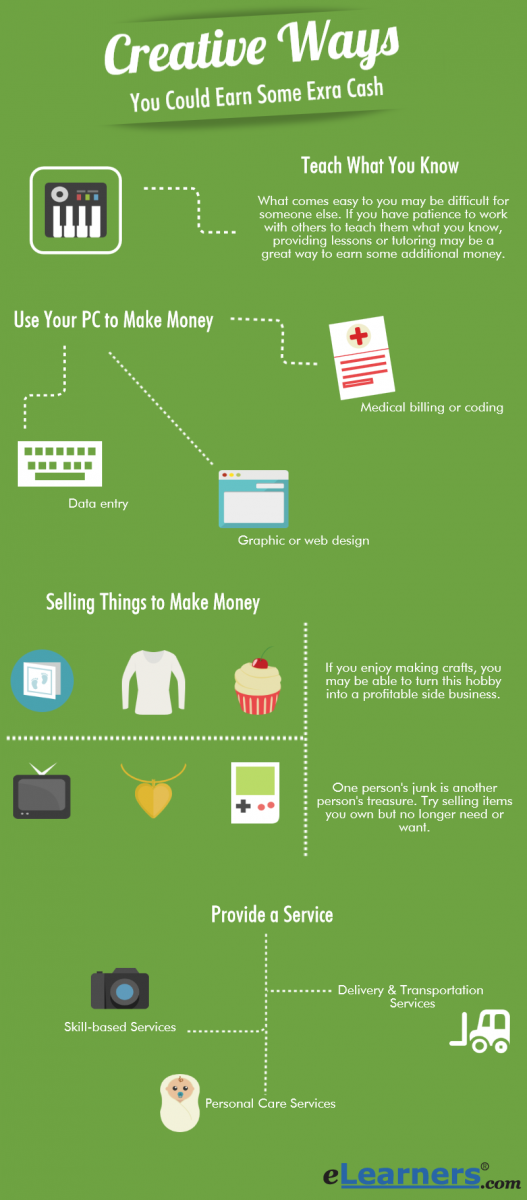
Leveraging High-Value Skills in the Digital Marketplace
The digital economy has democratized access to high-paying work, allowing individuals to monetize niche expertise without the overhead of a traditional business. This is often the most direct route to significant extra income because it leverages existing professional training.
Freelancing and the Gig Economy 2.0
While early iterations of the gig economy focused on low-skill manual tasks, the current landscape rewards specialized knowledge. Platforms like Upwork, Turo, and Fiverr Pro have shifted toward high-tier professional services. If you possess skills in software development, graphic design, copywriting, or data analysis, you can command hourly rates that significantly exceed minimum wage. The key to success in this arena is “productizing” your service—creating defined packages with clear deliverables so that clients know exactly what they are purchasing.
Specialized B2B Consulting
For those with years of corporate experience, consulting offers a high-margin income stream. Small to medium-sized enterprises (SMEs) often require the expertise of a seasoned professional but cannot afford a full-time executive. By offering fractional services—such as part-time CFO duties, marketing strategy audits, or human resources consulting—you can earn a premium for your insights. This model is particularly effective because it relies on results rather than hours clocked, allowing for a better balance between your primary career and your side endeavor.
Digital Content and the Creator Economy
The creator economy is no longer just for influencers; it is a legitimate avenue for professional educators and subject matter experts. Building a specialized newsletter on platforms like Substack or a technical YouTube channel can lead to diverse revenue streams, including sponsorships, affiliate marketing, and premium subscriptions. While this requires a significant upfront investment of time, the scalability is virtually limitless. Once a piece of content is created, it can continue to generate leads and revenue for years.
Monetizing Underutilized Assets and Capital
If your time is limited, the most effective way to generate extra money is to make your existing assets work harder for you. This approach shifts the focus from “trading time for money” to “utilizing resources for cash flow.”
The Sharing Economy: Beyond Ridesharing
Most people are familiar with ridesharing, but the sharing economy has expanded into much more lucrative and less labor-intensive niches. Platforms like Turo allow you to rent out your vehicle when it’s not in use, while Neighbor allows you to rent out unused garage or basement space for storage. If you own specialized equipment—such as high-end photography gear, power tools, or even a specialized kitchen appliance—platforms like Fat Llama enable you to earn rental fees from neighbors. This transforms idle physical objects into productive capital.
Real Estate and Space Monetization
You do not need to own an entire apartment building to profit from real estate. Beyond traditional Airbnb hosting, you can monetize specific parts of your property. For example, if you live in a high-demand urban area, renting out a parking spot can provide a steady monthly check with zero maintenance. Additionally, for those with a bit more capital, real estate crowdfunding platforms like Fundrise or RealtyMogul allow you to invest in commercial real estate projects with relatively small amounts of money, providing exposure to the property market and quarterly dividends without the headaches of being a landlord.
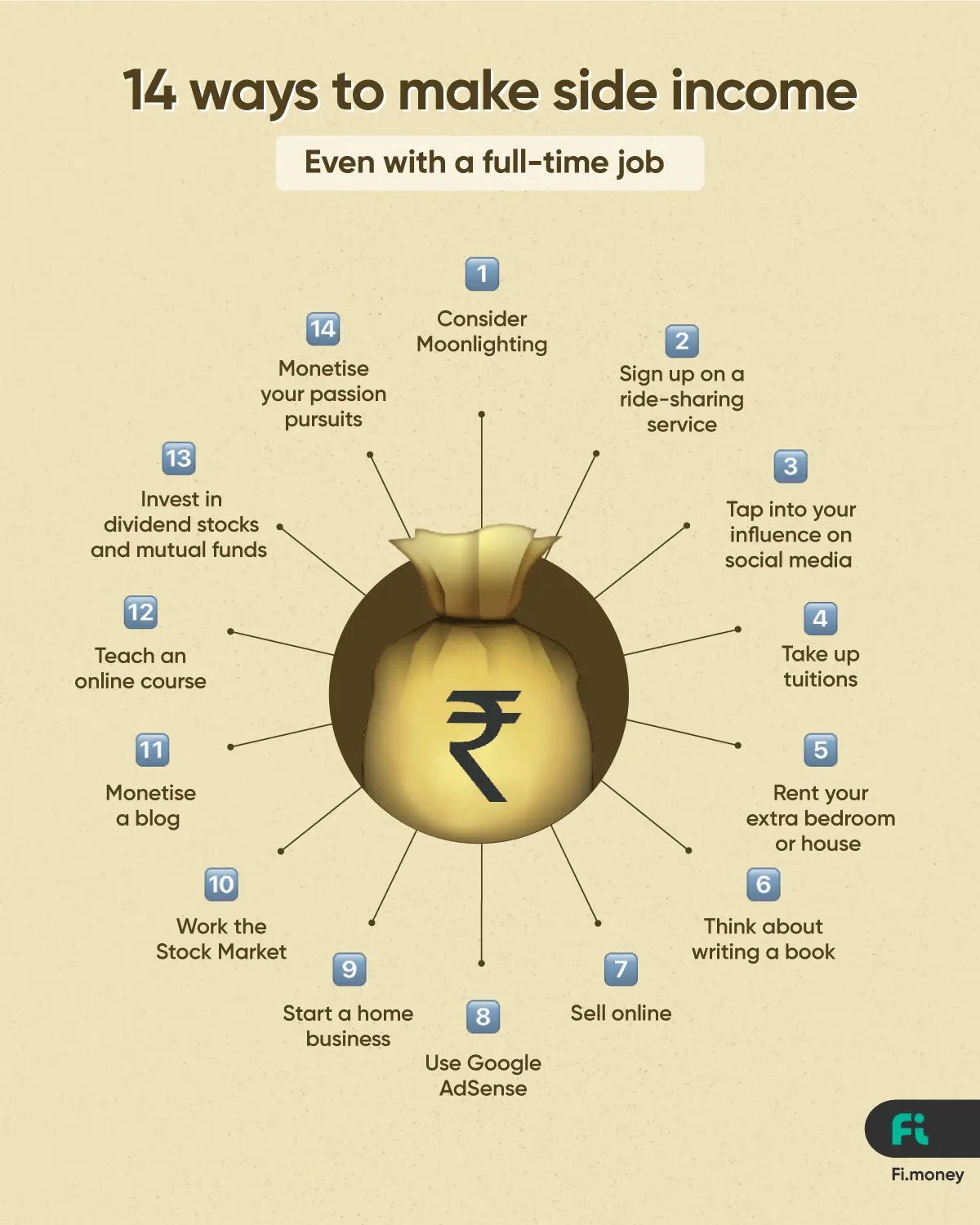
Strategic Reselling and Retail Arbitrage
The secondary market is booming, driven by a growing consumer interest in sustainability and vintage aesthetics. Retail arbitrage involves buying undervalued items—often from clearance sections, thrift stores, or estate sales—and reselling them at market value on platforms like eBay, Poshmark, or Amazon. This requires an eye for value and a deep understanding of specific niches, such as designer footwear, vintage electronics, or out-of-print books. While it involves physical inventory, the margins can be substantial for those who master the logistics of sourcing and shipping.
Building Sustainable Passive Income Streams
The ultimate goal for many seeking extra money is to create “passive” income—money that arrives with minimal ongoing effort. While no income stream is truly 100% passive, these methods require an initial heavy lift (either in time or money) followed by consistent, low-effort maintenance.
Dividend Growth Investing
One of the most time-tested ways to generate extra money is through a portfolio of dividend-paying stocks. By investing in “Dividend Aristocrats”—companies that have consistently increased their dividend payouts for at least 25 years—you create a growing stream of cash flow. This strategy requires patience and capital, but the power of compounding means that reinvesting those dividends can eventually lead to a secondary “salary” that grows independently of your professional work.
Creating and Selling Digital Assets
The beauty of digital products is that they are created once and sold an infinite number of times. This includes e-books, online courses, stock photography, or even spreadsheet templates. If you have mastered a specific software or have a unique methodology for solving a common problem, documenting that process into a downloadable format can yield high-margin sales. Platforms like Gumroad, Teachable, and Etsy have lowered the barrier to entry for digital creators, handling the payment processing and delivery automatically.
Automated Affiliate Marketing
Affiliate marketing involves earning a commission for recommending products or services. By building a niche website or a focused social media presence that provides genuine value—such as product reviews or “how-to” guides—you can integrate affiliate links. When a reader makes a purchase through your link, you receive a percentage of the sale. When done ethically and transparently, this creates a win-win scenario where the consumer finds a solution and you receive a finder’s fee for the referral.
Managing Your Extra Income for Long-Term Wealth
Generating extra money is only half the battle; the other half is managing it effectively. Without a clear financial plan, supplemental income often disappears into “lifestyle creep”—the tendency to increase spending as income rises.
The Importance of Tax Planning
It is crucial to remember that “extra money” is often “pre-tax money.” If you are freelancing or running a side business, you are responsible for tracking your income and expenses. Setting aside 20-30% of every dollar earned for taxes is a non-negotiable habit. Furthermore, operating as a formal business entity (like an LLC) may offer tax advantages and legal protections that help you keep more of what you earn. Consulting with a tax professional can ensure you are taking advantage of all eligible deductions, such as home office expenses or equipment depreciation.
Reinvestment and Debt Reduction
To maximize the impact of your extra income, it should be earmarked for specific financial goals. A popular strategy is the “Debt Snowball” or “Debt Avalanche,” where all supplemental income is funneled toward high-interest credit card debt or student loans. Once debt-free, that same cash flow can be redirected into high-yield savings accounts or brokerage accounts. By viewing your side income as “investment capital” rather than “spending money,” you accelerate your timeline to financial independence.
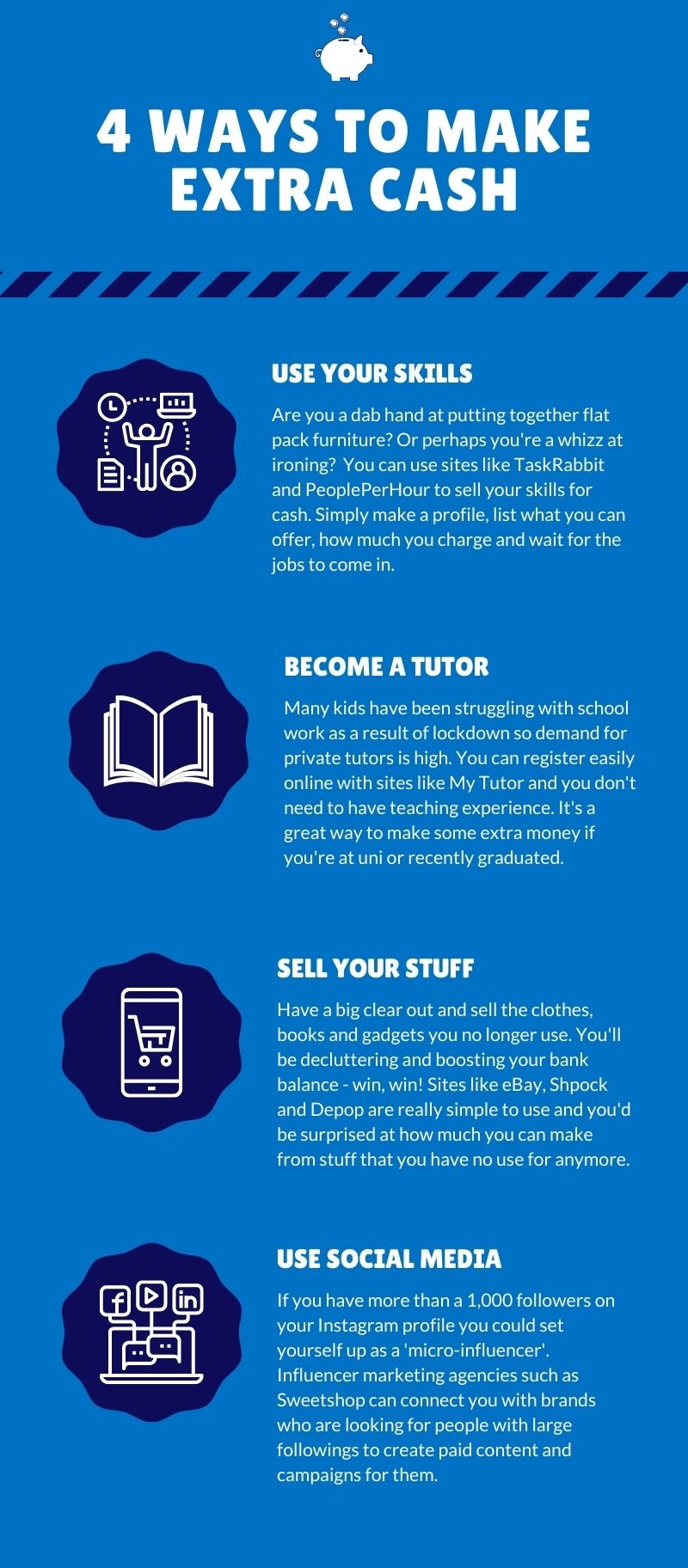
Diversification of Income Sources
Just as investors diversify their stock portfolios, individuals should diversify their income streams. Relying solely on one side hustle can be risky; platform algorithms change, market demand shifts, and physical health can fluctuate. A robust financial plan typically includes a mix of active work (freelancing), asset-based income (rentals), and investment-based income (dividends). This multi-pronged approach ensures that if one stream dries up, the others provide a safety net.
In conclusion, the question of “what can I do for extra money” is best answered by looking at the intersection of your unique talents and the current needs of the market. Whether you are selling your time as a consultant, your space as a host, or your expertise as a creator, the opportunities are limited only by your willingness to start. By treating your extra income with the same professional rigor as your primary career, you can transform a small side project into a powerful engine for long-term financial security.
aViewFromTheCave is a participant in the Amazon Services LLC Associates Program, an affiliate advertising program designed to provide a means for sites to earn advertising fees by advertising and linking to Amazon.com. Amazon, the Amazon logo, AmazonSupply, and the AmazonSupply logo are trademarks of Amazon.com, Inc. or its affiliates. As an Amazon Associate we earn affiliate commissions from qualifying purchases.