
The landscape of modern media is no longer defined merely by who has the largest library, but by who possesses the most resonant brand identity. When we ask “what’s on Paramount right now,” the answer extends far beyond a simple list of procedural dramas and blockbuster sequels. It is a question of corporate survival, strategic pivot, and the meticulously crafted identity of a legacy studio reinventing itself for the digital-first era. Paramount Global, formerly ViacomCBS, has undergone a radical transformation, leveraging the century-old prestige of the Paramount Pictures mountain to unify a fragmented portfolio of assets under a single, cohesive brand umbrella.
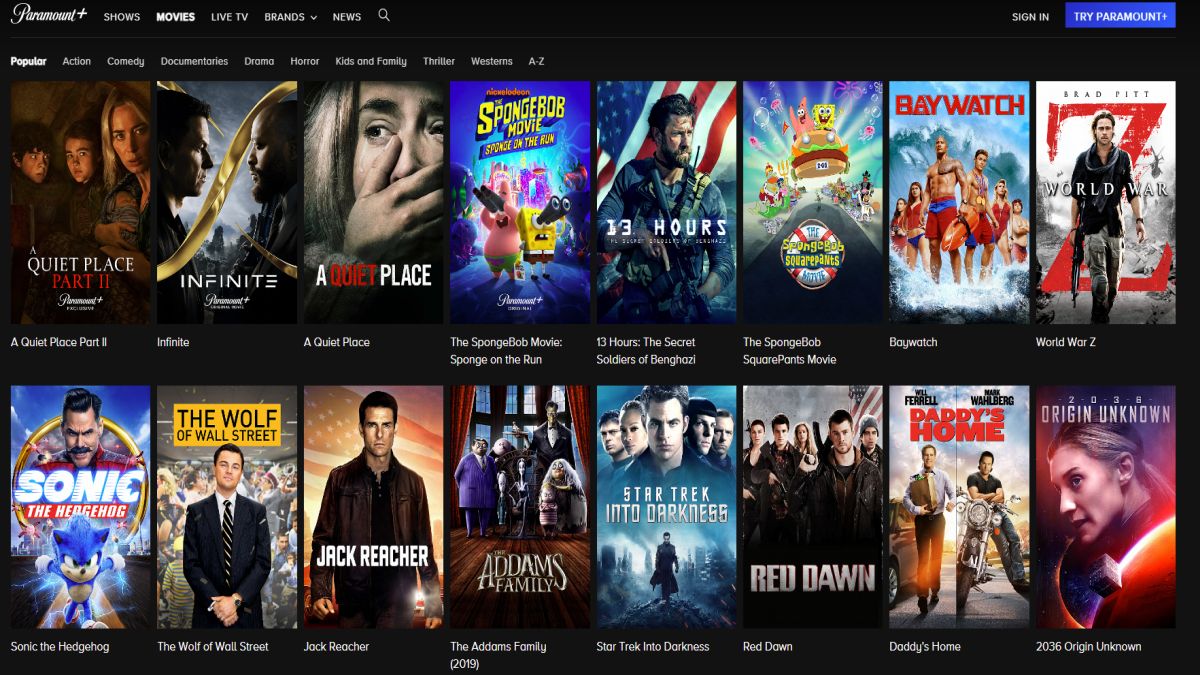
To understand what is currently on Paramount, one must look at the intersection of heritage and innovation. The brand is currently positioned as the “Mountain of Entertainment,” a slogan that is more than a marketing gimmick; it is a strategic roadmap. It represents an attempt to bridge the gap between the high-brow cinematic history of the silver screen and the accessible, high-volume consumption patterns of the streaming age.
The Mountain Paradigm: Rebranding a Legacy Studio for the Digital Age
The shift from ViacomCBS to Paramount Global in 2022 was one of the most significant rebranding exercises in recent corporate history. It signaled a move away from the “house of brands” model—where individual networks like MTV, Nickelodeon, and Comedy Central operated in silos—toward a “branded house” model centered on the Paramount name.
From ViacomCBS to Paramount Global
The Viacom name, while powerful in the boardroom, lacked emotional resonance with the average consumer. By adopting the Paramount moniker, the company tapped into over a hundred years of cinematic excellence. This rebranding was a strategic move to capitalize on the “halo effect.” When a viewer sees the Paramount logo, they associate it with the grandeur of Hollywood’s Golden Age. Right now, the brand is successfully using this legacy to justify its place alongside tech-native giants like Netflix and Amazon. The current brand strategy focuses on “prestige accessibility,” offering high-production-value content that feels premium yet remains broadly appealing to a global audience.
The Power of Visual Identity and the “A Mountain of Entertainment” Campaign
The visual identity of Paramount right now is defined by the iconic silhouette of the stars encircling the mountain peak. In its marketing collateral, this imagery is used to create a sense of scale. The brand’s current strategy involves placing diverse characters—from Captain Pike of Star Trek to the rugged protagonists of the Sheridan-verse—on a literal mountain. This visual metaphor communicates a clear brand promise: variety without the sacrifice of quality. It tells the consumer that regardless of their specific interest, it all lives under the umbrella of a singular, reliable provider of top-tier entertainment.
Franchises as Brand Anchors: The IP Strategy
The core of the Paramount brand identity right now is built upon the “franchise-first” model. In an era of infinite choice, brands win by becoming synonymous with specific, high-value intellectual properties (IP). Paramount has identified several key pillars that serve as the foundation for its current market presence.
The Sheridan-verse: Building Localized Brand Loyalty
Perhaps the most potent element of the Paramount brand right now is its association with Taylor Sheridan. Shows like Yellowstone, 1883, and 1923 have created a distinct sub-brand that caters to an underserved demographic in the streaming space: the heartland audience. This strategy has been a masterclass in brand expansion. By leaning into themes of rugged individualism, land ownership, and family legacy, Paramount has carved out a unique “Western Noir” identity that differentiates it from the coastal-focused programming of its competitors. This has transformed Paramount+ into a “destination brand” for fans of this specific genre, fostering a level of brand loyalty that is rare in the volatile streaming market.

Star Trek: Sustaining a Multi-Generational Sci-Fi Identity
If the Sheridan-verse captures the heartland, Star Trek secures the global sci-fi enthusiast. Paramount’s current brand strategy involves a continuous “always-on” approach to the Star Trek franchise. By running multiple series simultaneously—ranging from the high-concept Strange New Worlds to the animated Lower Decks—the brand ensures that there is never a moment when the franchise is dormant. This creates a “subscription stickiness.” The brand identity here is one of optimism, exploration, and intellectual curiosity, which balances the darker, more visceral tones of its other major franchises.
Nickelodeon and the Nostalgia Factor
A crucial part of what is on Paramount right now is the strategic weaponization of nostalgia. Through the Nickelodeon brand, Paramount controls the childhood memories of multiple generations. The current strategy involves not just providing content for kids today, but reviving “millennial gold” through reboots and sequels of properties like SpongeBob SquarePants, Teenage Mutant Ninja Turtles, and iCarly. This creates a multi-generational brand loop: parents who grew up with these characters are now the primary decision-makers for household subscriptions, ensuring the brand remains relevant across different stages of the consumer lifecycle.
Strategic Differentiation in the Streaming Wars
In a crowded marketplace, brand survival depends on differentiation. Paramount has avoided the “generalist” trap that has plagued some of its peers by integrating live components into its digital identity.
The Integration of Live Sports and News
One of the most distinctive features of the Paramount brand right now is the seamless integration of CBS Sports and CBS News into its streaming ecosystem. Unlike Netflix, which has historically shied away from live broadcasts, Paramount treats live events as a core brand pillar. The presence of the NFL, particularly the Super Bowl, provides a massive “front door” for the brand. It allows Paramount to transition a viewer from a live football game directly into a promotional cycle for an original drama. This “ecosystem approach” makes the brand feel more essential and “current” than platforms that rely solely on on-demand libraries.
Bundling and Partnership Ecosystems
The Paramount brand is currently pursuing a strategy of “radical ubiquity.” Recognizing that it may not be the primary streaming service in every household, it has positioned itself as the ultimate “add-on” or partner brand. Through deals with Walmart+ and various telecommunications providers, Paramount has expanded its brand footprint without the high customer acquisition costs associated with traditional marketing. This positioning—being the high-value companion to other essential services—is a clever way to maintain brand relevance and market share in an era of “subscription fatigue.”
Navigating the Mergers and Acquisitions Landscape
The most pressing aspect of the Paramount brand right now is its status in the global financial markets. The brand is at a crossroads, navigating a complex landscape of potential mergers, acquisitions, and restructuring.
Brand Dilution vs. Brand Expansion
As rumors of sales and mergers circulate, the brand faces the challenge of maintaining its identity amidst corporate uncertainty. The strategy right now appears to be a “lean and mean” approach—optimizing the content spend to focus strictly on the franchises that define the brand’s core. We are seeing a move away from experimental, niche content and a doubling down on the “Big Three”: Star Trek, Sheridan-related content, and blockbuster theatrical releases like Top Gun or Mission: Impossible. This focus prevents brand dilution and ensures that the core brand promise remains clear to both consumers and potential investors.
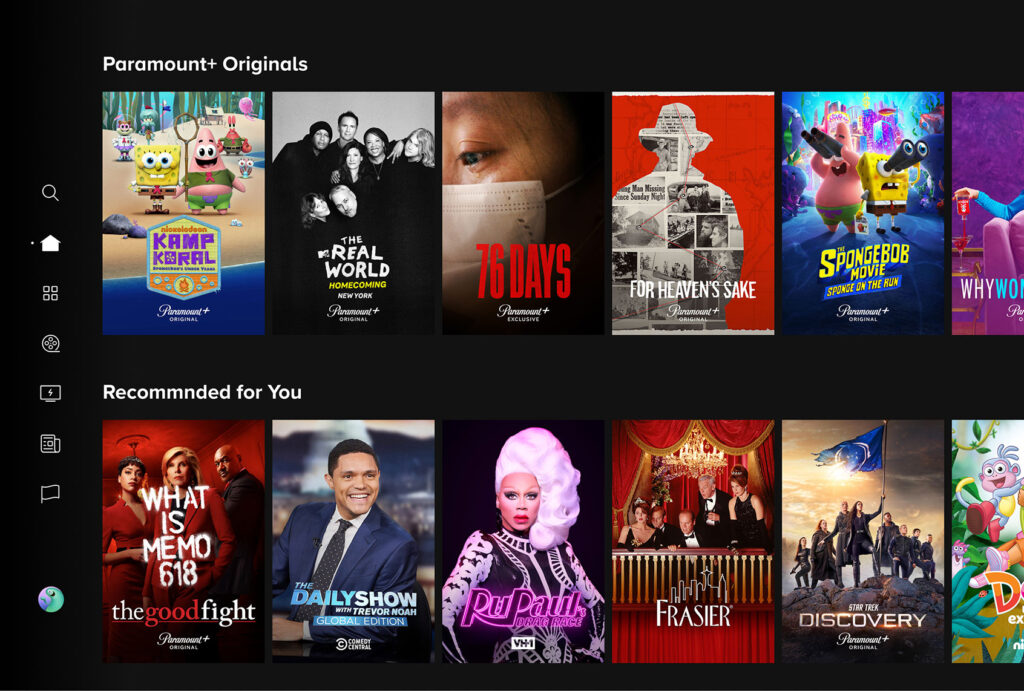
The Future of the Paramount Identity
The “what’s on Paramount” of tomorrow will likely be defined by how well the brand manages its transition from a traditional studio to a tech-integrated media powerhouse. The brand is currently focused on international expansion, localized content in markets like the UK and Australia, and the refinement of its ad-supported tiers. By offering various entry points—from the premium ad-free experience to the accessible ad-supported model—Paramount is positioning itself as a democratic brand that can accommodate any consumer budget.
In conclusion, what’s on Paramount right now is a sophisticated blend of legacy prestige and modern data-driven strategy. It is a brand that understands the power of its mountain logo but isn’t afraid to disrupt its own traditions to stay competitive. By focusing on high-value franchises, integrating live sports, and leveraging the deep nostalgia of its subsidiary networks, Paramount has built a brand identity that is both resilient and expansive. As the media landscape continues to shift, Paramount’s ability to remain a “Mountain of Entertainment” will depend on its capacity to keep its iconic peak visible in an increasingly crowded horizon.
aViewFromTheCave is a participant in the Amazon Services LLC Associates Program, an affiliate advertising program designed to provide a means for sites to earn advertising fees by advertising and linking to Amazon.com. Amazon, the Amazon logo, AmazonSupply, and the AmazonSupply logo are trademarks of Amazon.com, Inc. or its affiliates. As an Amazon Associate we earn affiliate commissions from qualifying purchases.