
The question “who invented the Tesla cars?” often elicits a single, prominent name: Elon Musk. While Musk’s pivotal role in shaping Tesla into the automotive giant it is today is undeniable, the true genesis of Tesla Motors is a more complex and collaborative story, rooted in a collective vision to accelerate the world’s transition to sustainable energy. From its initial conceptualization to the technological marvels it produces, Tesla’s invention is a testament to the power of innovation, engineering prowess, and a relentless pursuit of pushing the boundaries of what electric vehicles (EVs) can achieve. This exploration delves into the technological origins, the key figures, and the foundational innovations that truly invented the Tesla car as we know it, firmly placing it within the realm of technological advancement and disruption.

The Visionaries Behind Tesla’s Inception: More Than Just One Name
The birth of Tesla Motors was not a singular eureka moment by one individual but rather the culmination of diverse expertise and a shared goal. The company’s story begins with a small group of engineers and entrepreneurs who saw the immense potential of electric propulsion long before it became mainstream.
The Founding Team: A Collective Endeavor
The official founders of Tesla Motors, incorporated in July 2003, are Martin Eberhard and Marc Tarpenning. These two individuals, with backgrounds in technology and engineering, laid the initial groundwork for the company. Eberhard, an electrical engineer and inventor, and Tarpenning, a computer engineer and entrepreneur, shared a common frustration with the limitations of gasoline cars and a belief that electric vehicles could be superior.
Their initial vision was audacious for its time: to build a high-performance electric sports car that could outperform gasoline counterparts, thereby changing public perception of EVs as slow, boring, or impractical. They understood that to gain mass market acceptance, electric cars needed to be desirable, not just environmentally friendly. Their focus was heavily on battery technology and powertrain efficiency, recognizing these as the core technological hurdles to overcome. They spent considerable time researching battery cells and electric motor designs, drawing inspiration from existing technologies in other industries. This early phase was characterized by intense technical research and development, aiming to validate the feasibility of a long-range, high-performance electric vehicle.
Enter Elon Musk: The Catalyst and Chief Architect
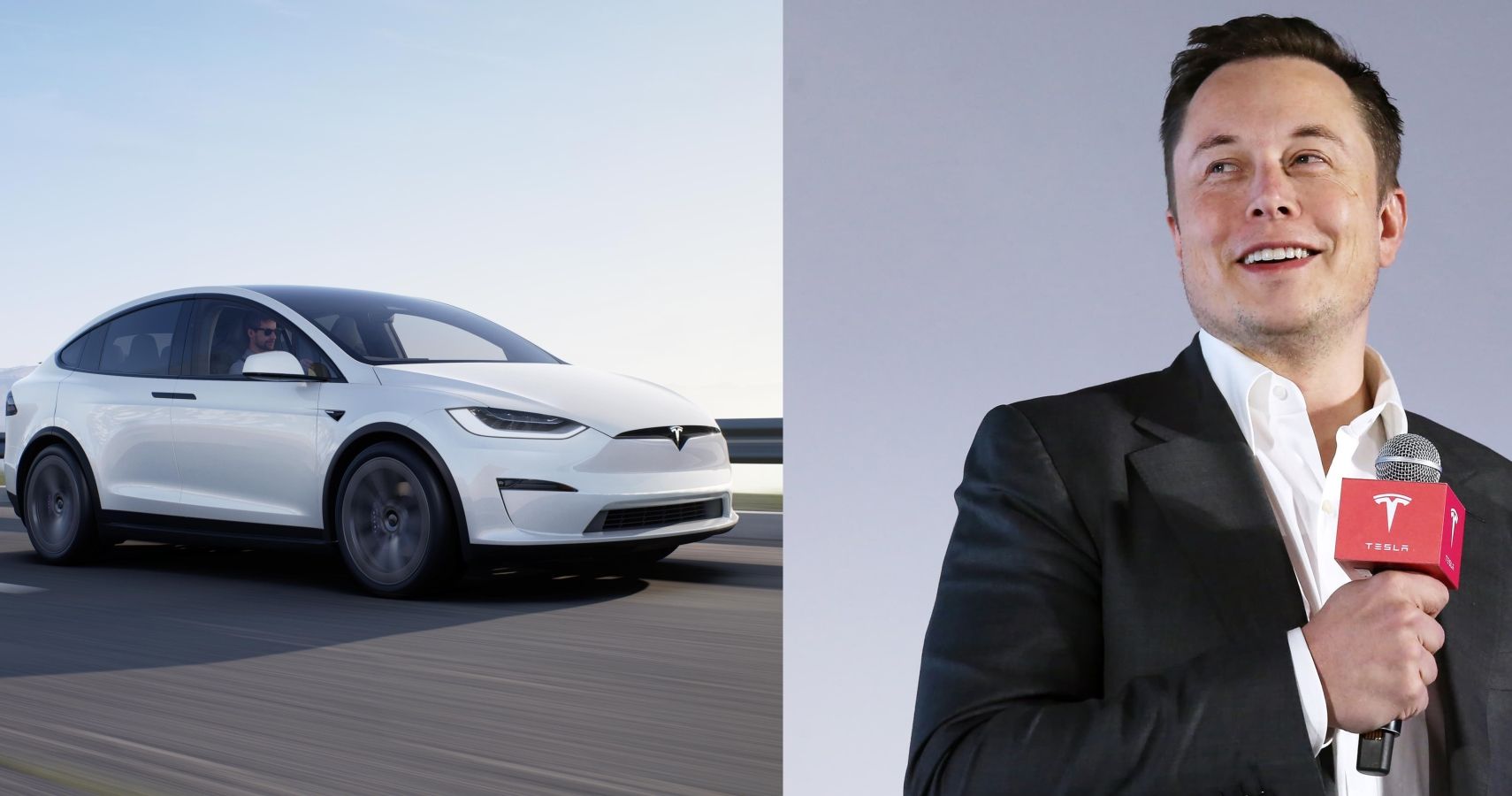
While Eberhard and Tarpenning established Tesla Motors, Elon Musk joined the company in February 2004 as its largest single investor and chairman. Musk’s substantial investment of $6.5 million in the Series A round was critical, providing the necessary capital to move from concept to actual product development. His role quickly evolved beyond that of a mere investor; he became a hands-on leader, deeply involved in product design, engineering, and the strategic direction of the company.
Musk brought a grander vision and an aggressive timeline to Tesla. He articulated a three-step strategy: first, build a high-priced sports car (the Roadster) to fund the development of a medium-priced sedan (the Model S), and then use those profits to create an even more affordable mass-market car. This roadmap was intrinsically technological, focusing on iterative improvements in battery cost, manufacturing efficiency, and overall vehicle performance. Musk’s influence was instrumental in pushing the boundaries of what was considered possible, demanding innovation in every aspect from battery chemistry to software integration and manufacturing processes. He challenged engineers to rethink automotive design from the ground up, embracing a silicon-valley approach to product development that prioritized rapid iteration, software-defined functionality, and scalable energy solutions.
Nikola Tesla’s Enduring Legacy: The Name Behind the Innovation
The company’s name itself pays homage to a historical figure whose technological contributions laid foundational principles for modern electrical systems. This choice was deliberate, linking the futuristic ambitions of Tesla Motors to a rich history of electrical engineering innovation.
Honoring a Pioneer: AC Power and Beyond
The name “Tesla” is, of course, derived from Nikola Tesla, the brilliant Serbian-American inventor, electrical engineer, mechanical engineer, and futurist best known for his contributions to the design of the modern alternating current (AC) electricity supply system. Nikola Tesla’s work in electromagnetism and electrical power transmission was revolutionary in the late 19th and early 20th centuries. His inventions, such as the AC induction motor, laid much of the theoretical and practical groundwork for efficient electric power generation and usage.
For a company focused on electric vehicles, the connection to Nikola Tesla is profound. Modern EVs, including those produced by Tesla Motors, predominantly use AC induction motors or permanent magnet synchronous motors (which also leverage AC principles for their control). Nikola Tesla’s pioneering work in developing polyphase AC systems and motors directly enabled the efficient conversion of electrical energy into mechanical motion, a fundamental requirement for any electric vehicle. By choosing his name, the founders sought to evoke a spirit of radical invention, challenging existing paradigms, and a commitment to advancing electrical technology for the betterment of humanity. It signified a return to a pure electrical future, moving beyond the internal combustion engine.
Bridging a Century: From Concept to Commercialization
While Nikola Tesla’s inventions were made over a century ago, their application in high-performance electric vehicles required overcoming significant technological hurdles. Early electric cars existed in the late 19th and early 20th centuries but were largely outcompeted by gasoline vehicles due to limitations in battery technology, range, and recharging infrastructure.
Tesla Motors effectively bridged this century-long gap, taking the theoretical elegance of AC power and combining it with modern advancements in materials science, power electronics, and digital control systems. They leveraged breakthroughs in lithium-ion battery technology (originally developed for consumer electronics), high-power inverters, and sophisticated software to manage complex electrical systems. This fusion allowed them to commercialize electric vehicle technology that was truly viable and desirable, fulfilling the promise that early electric vehicle pioneers and Nikola Tesla himself might have envisioned. The company’s ability to integrate these disparate technological elements into a cohesive, high-performance product was a critical step in “inventing” the modern EV.
The Technological Breakthroughs That Defined Early Tesla
The invention of the Tesla car was not just about assembling existing components; it involved significant innovation and engineering breakthroughs in several core technological areas. These advancements were crucial in differentiating Tesla from previous attempts at electric vehicles and cementing its reputation as a technological leader.
Battery Technology: The Core Innovation
At the heart of every Tesla car is its sophisticated battery system. When Tesla Motors began, the primary challenge for electric vehicles was range and cost. Martin Eberhard and Marc Tarpenning made an unconventional but ultimately brilliant decision: instead of developing custom, large-format battery cells, they chose to utilize readily available, small-format 18650 lithium-ion cells, commonly used in laptops. This approach offered several advantages, including lower cost due to mass production and high energy density.
However, simply packing thousands of these cells into a car was not enough. The real technological breakthrough lay in the Battery Management System (BMS). Tesla engineers developed a highly advanced BMS capable of monitoring and controlling each individual cell within the massive battery pack. This system was critical for safety (preventing overheating or overcharging), longevity (optimizing charge/discharge cycles), and performance (ensuring consistent power delivery). The BMS allowed Tesla to extract maximum performance and lifespan from its battery packs, which were far larger and more complex than anything seen in previous EVs, effectively “inventing” the automotive-grade lithium-ion pack as a viable power source for performance vehicles.
Electric Powertrain Design: Efficiency and Performance
Beyond the battery, the electric powertrain itself required extensive engineering. Tesla’s early focus on performance meant developing electric motors that were both powerful and highly efficient. The original Roadster used an AC induction motor derived from an existing design but heavily modified and optimized by Tesla engineers for automotive application, particularly for torque delivery and regenerative braking.
Subsequent models, like the Model S, saw the introduction of Tesla’s own internally designed and manufactured motors, demonstrating their commitment to vertical integration and optimizing every component. The integration of the motor, inverter, and gearbox into a compact, robust unit was a significant engineering feat. Furthermore, the sophisticated software control systems developed by Tesla were instrumental in extracting maximum efficiency and performance from these motors, providing precise torque control, seamless acceleration, and advanced energy recovery through regenerative braking. This holistic approach to powertrain design—combining optimized hardware with intelligent software—set a new benchmark for EV performance.
Software and Connectivity: A New Paradigm for Cars
Perhaps one of Tesla’s most profound technological contributions was its pioneering approach to automotive software and connectivity. Unlike traditional automakers, who historically treated software as an afterthought or a secondary component, Tesla embraced software as a core element of the vehicle’s identity and functionality.
Over-The-Air (OTA) Updates were a game-changer, essentially “inventing” the concept of a car that could improve and gain new features post-purchase, much like a smartphone. This capability allowed Tesla to deploy performance enhancements, new functionalities (like Autopilot features), and critical bug fixes remotely, revolutionizing vehicle maintenance and ownership experience. This was a direct application of software development principles from the tech industry into the automotive sector. Furthermore, Tesla’s early infotainment systems, with their large touchscreen interfaces and deep integration of navigation, media, and vehicle controls, were vastly ahead of their time, redefining the in-car user experience and demonstrating a future where cars are essentially sophisticated computers on wheels.
Evolution and Expansion: From Roadster to a Global EV Leader
The invention of the Tesla car wasn’t a static event; it was a continuous process of evolution and refinement, building upon early successes to achieve broader market penetration and impact.
The Tesla Roadster: Proving the Concept
The Tesla Roadster, launched in 2008, was the company’s first production vehicle and served as a critical proof-of-concept. Based on the Lotus Elise chassis, but with an entirely custom electric powertrain and battery pack designed by Tesla, it was the first production electric car to use lithium-ion battery cells and travel more than 200 miles on a single charge. Its ability to accelerate from 0-60 mph in under 4 seconds silenced critics who believed EVs couldn’t be exciting or high-performance.
The Roadster proved that an electric car could be both fast and have a decent range, challenging long-held stereotypes about EVs. It was a technological demonstrator that showcased Tesla’s battery and powertrain expertise. Despite being a low-volume, high-priced niche vehicle, the Roadster provided invaluable engineering lessons, manufacturing experience, and, crucially, generated the initial capital and excitement needed to fund the development of subsequent, more ambitious models.
The Model S and Mass Market Ambition
The launch of the Model S in 2012 marked a pivotal moment in Tesla’s history and for the broader EV industry. Designed from the ground up as an electric vehicle, the Model S was a sleek, luxurious sedan that offered unprecedented range, performance, and technological sophistication. It was the first Tesla car to truly embody the company’s vision for a premium, mass-market electric vehicle.
The Model S showcased Tesla’s design philosophy, emphasizing clean lines, a minimalist interior dominated by a large central touchscreen, and impressive storage thanks to its “frunk” (front trunk). Technologically, it pushed boundaries with its advanced powertrain, superior aerodynamics, and the introduction of the Supercharger network, a proprietary fast-charging infrastructure that addressed range anxiety head-on. The Model S demonstrated that EVs could not only compete with but also surpass traditional luxury gasoline cars in many aspects, including acceleration, interior space, and low operating costs. Its success enabled Tesla to scale production and expand its technological footprint significantly.
Pushing the Boundaries: Autonomy and AI in Vehicles
From its earliest models, Tesla began integrating advanced driver-assistance systems (ADAS) that laid the groundwork for future autonomous driving capabilities. The introduction of Autopilot in 2014, leveraging an array of cameras, ultrasonic sensors, and radar, represented a significant technological leap. This system allowed for features like adaptive cruise control, lane keeping, and automatic lane changes, showcasing the potential for AI and sensor fusion in real-world driving scenarios.
Tesla’s approach to autonomy has been distinct, emphasizing a camera-centric vision system combined with a powerful on-board computer capable of real-time deep learning inference. This ambition to achieve Full Self-Driving (FSD) capabilities, continuously developed and updated via OTA, has positioned Tesla at the forefront of automotive AI and robotics. The ongoing development of FSD is arguably the most significant future “invention” Tesla is pursuing, transforming the car from a mere mode of transport into a highly intelligent, mobile robotic platform.
The Impact and Future of Tesla’s Technological Innovations
The “invention” of the Tesla car has had a ripple effect across the automotive industry and beyond, fundamentally altering perceptions and accelerating the pace of technological change.
Reshaping the Automotive Landscape
Tesla’s technological leadership has undeniably reshaped the automotive landscape. By proving the viability of long-range, high-performance, and desirable electric vehicles, Tesla spurred a massive shift in focus among traditional automakers. Companies that once dismissed EVs are now investing billions in electrification, developing their own battery technologies, electric platforms, and software-defined vehicles. Tesla’s success in popularizing EVs has accelerated global adoption, driving down battery costs, and pushing the development of charging infrastructure worldwide. It demonstrated that sustainable transport could be aspirational and technologically superior.
Beyond the Car: Energy and AI Integration
Tesla’s vision extends beyond just cars. The company’s underlying mission to accelerate the world’s transition to sustainable energy has led to the development of Tesla Energy products like the Powerwall home battery and Solar Roof. These innovations leverage the same core battery technology and power electronics expertise developed for its vehicles, integrating renewable energy generation and storage into a cohesive ecosystem.
Furthermore, Tesla’s advancements in AI and robotics are impacting not only its autonomous driving efforts but also its manufacturing processes (with highly automated Gigafactories) and its pursuit of humanoid robots (Optimus). The extensive data collected from its vehicle fleet feeds into its AI training, creating a powerful feedback loop that enhances all its technological endeavors. Tesla is not just an automotive company; it’s an energy and AI company whose primary product happens to be a car.

Continuous Innovation: The Tesla Ethos
The ethos of Tesla from its “invention” phase has been one of continuous innovation. This is evident in its relentless pursuit of more efficient battery cells (like 4680 cells), advanced manufacturing techniques (gigacasting), and the constant evolution of its software and AI capabilities. The future of Tesla’s invention lies in making electric mobility even more accessible, efficient, and intelligent. From fully autonomous vehicles that can serve as robotaxis to highly integrated sustainable energy solutions, Tesla continues to push the boundaries of what is technologically possible, proving that the act of “invention” is an ongoing journey of discovery and disruption in the tech world.
aViewFromTheCave is a participant in the Amazon Services LLC Associates Program, an affiliate advertising program designed to provide a means for sites to earn advertising fees by advertising and linking to Amazon.com. Amazon, the Amazon logo, AmazonSupply, and the AmazonSupply logo are trademarks of Amazon.com, Inc. or its affiliates. As an Amazon Associate we earn affiliate commissions from qualifying purchases.