
For the modern investor, few dates on the financial calendar carry as much weight as the day Tesla (TSLA) releases its quarterly earnings report. As a bellwether for the electric vehicle (EV) industry and a massive component of major indices like the S&P 500 and the Nasdaq-100, Tesla’s financial performance often dictates the pulse of the broader market. Understanding the timing, the mechanics, and the strategic implications of these announcements is essential for anyone looking to navigate the volatile waters of high-growth tech and automotive investing.
Understanding the Tesla Earnings Calendar
Tesla operates on a standard fiscal year that aligns with the calendar year, ending on December 31. Consequently, the company releases financial results four times a year, corresponding to the four fiscal quarters. While the exact date is usually confirmed by Tesla’s Investor Relations department only a few weeks in advance, there is a predictable rhythm that seasoned investors use to plan their strategies.
Quarterly Cycle and Expected Dates
Typically, Tesla releases its earnings approximately three to four weeks after the close of a quarter. The quarterly windows generally follow this pattern:
-
First Quarter (Q1): The quarter ends March 31. Earnings are usually released in mid-to-late April.
-
Second Quarter (Q2): The quarter ends June 30. Earnings are usually released in mid-to-late July.
-
Third Quarter (Q3): The quarter ends September 30. Earnings are usually released in mid-to-late October.
-
Fourth Quarter (Q4) and Full Year: The fiscal year ends December 31. Earnings are usually released in mid-to-late January of the following year.
The announcement typically occurs after the market closes (around 4:00 PM ET), followed by a live Q&A session with management—often including CEO Elon Musk—starting at 5:30 PM ET.
The Silent Period and Pre-Earnings Delivery Reports
One unique aspect of Tesla’s reporting cycle is the release of production and delivery numbers. Unlike many traditional automakers that report monthly or only during quarterly earnings, Tesla releases its global delivery and production figures within the first few days after a quarter ends.
For investors, this “pre-report” is a critical data point. Because deliveries are the primary driver of Tesla’s revenue, these numbers allow analysts to fine-tune their models weeks before the full financial statement is released. This often leads to a “silent period” where the stock price reacts to the volume of cars sold, while the actual profitability—the earnings per share (EPS) and margins—remains a matter of intense speculation until the official earnings date.
Key Financial Metrics to Analyze Beyond the Top Line
When the earnings report finally drops, the “headline” numbers—total revenue and GAAP earnings per share—often cause an immediate knee-jerk reaction in the stock price. However, for the serious investor, the true story lies deeper in the Shareholder Deck. To understand whether Tesla is a sound financial investment, one must look at specific metrics that indicate the company’s operational efficiency and long-term viability.
Automotive Gross Margins and Price Adjustments
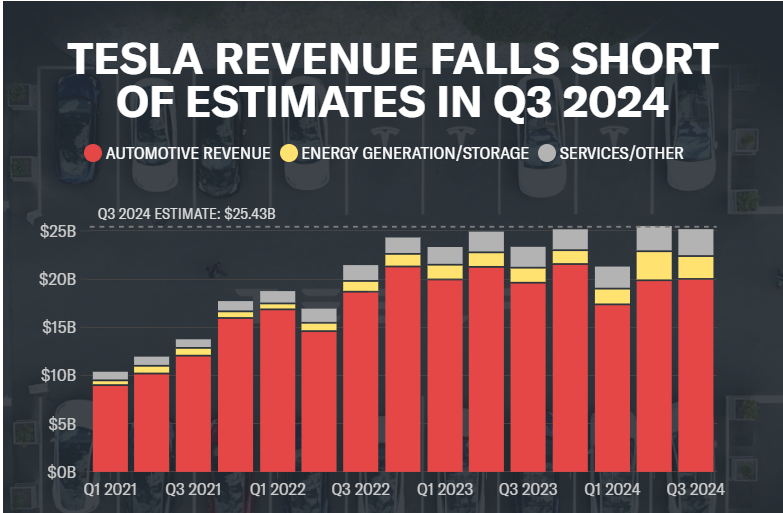
In recent years, the central debate surrounding Tesla has shifted from “can they build it?” to “how much profit do they make per unit?” As Tesla has adjusted vehicle prices to maintain market share amidst rising interest rates and increased competition, its automotive gross margin has become the most watched metric on Wall Street.
Investors look for “clean” margins, excluding the impact of regulatory credits. A shrinking margin can signal that Tesla is losing pricing power or that its cost of goods sold (COGS) is rising. Conversely, if Tesla can lower its manufacturing costs through innovations like “unboxed” assembly processes or cheaper battery chemistries, it can maintain high profitability even while lowering prices for consumers.
Cash Flow and Capital Expenditure
Tesla is an incredibly capital-intensive business. Between building new “Gigafactories” in Texas and Berlin, scaling 4680 battery cell production, and investing in AI training clusters (Dojo), the company spends billions of dollars every quarter.
Investors must monitor Free Cash Flow (FCF). Positive FCF indicates that Tesla can fund its ambitious expansion plans without needing to dilute shareholders through secondary stock offerings or taking on massive high-interest debt. In the world of business finance, a company that can self-fund its growth in a high-interest-rate environment holds a significant competitive advantage.
Energy Generation and Storage Growth

While the automotive segment generates the majority of revenue, Tesla’s Energy business (Megapacks and Powerwalls) is a rapidly growing piece of the financial puzzle. This segment often carries different margin profiles than the vehicle business. Astute investors track the “MWh deployed” figures to see if the energy division is becoming a meaningful contributor to the bottom line, providing a diversified income stream that balances out the cyclical nature of the car market.
Why Tesla’s Earnings Report Moves the Entire Market
Tesla is not just a car company; it is a financial phenomenon. Because of its massive market capitalization, the release of its earnings has a “halo effect” (or a shadow effect) that extends far beyond its own ticker symbol.
Market Cap and Index Influence
As one of the largest companies in the S&P 500, Tesla’s stock price movement significantly impacts passive index funds and ETFs. If Tesla beats expectations and its stock price climbs 10% in post-market trading, it can single-handedly lift the Nasdaq-100 index. This interconnectedness means that even investors who do not own Tesla directly should care about its earnings date, as it can influence the value of their retirement accounts and broad-market holdings.
Sentiment Barometer for the EV Sector and Retail Growth
Tesla is often viewed as a proxy for the health of the electric vehicle market and the risk appetite of the retail investor. If Tesla reports softening demand, it often drags down the stock prices of “pure-play” EV competitors and traditional automakers pivoting to electric. Furthermore, because Tesla has a high percentage of retail (non-institutional) ownership, its earnings calls often reflect the sentiment of the “everyday” investor. The questions asked during the call—often sourced from a retail investor platform—provide a unique window into the concerns and expectations of the broader investing public.
Decoding Management Commentary and Forward Guidance
While the balance sheet looks backward at the last three months, the commentary and “Forward Guidance” look at the years ahead. This is where the most significant stock price movements often occur, as the market is a forward-looking machine.
AI, Robotics, and the Future of the Brand
In recent earnings cycles, Tesla management has emphasized that the company should be valued as an AI and robotics firm rather than a traditional automaker. Updates on Full Self-Driving (FSD) software, the Optimus humanoid robot, and the Robotaxi network are now central to the earnings narrative. From a financial perspective, the “software-as-a-service” (SaaS) model of FSD offers much higher margins than hardware sales. Investors listen closely for the “attach rate” of FSD and any news regarding the licensing of this software to other manufacturers, which would represent a massive, high-margin revenue pivot.
Production Targets and Macroeconomic Headwinds
Management’s guidance on “volume growth” is the standard by which the market judges Tesla’s success. For years, Tesla aimed for a 50% compound annual growth rate (CAGR) in deliveries. As the company matures, maintaining this pace becomes mathematically more difficult. Any adjustment to these targets—whether due to supply chain issues, logistics bottlenecks, or global economic slowdowns—can lead to immediate revaluations of the stock’s price-to-earnings (P/E) multiple.
Investor Strategy: Navigating the Volatility of Earnings Week
Investing in Tesla around earnings requires a disciplined approach and a clear understanding of one’s own risk tolerance. The stock is notorious for “implied volatility,” meaning the options market expects a significant move in either direction.
Analyzing the “Buy the Rumor, Sell the News” Phenomenon
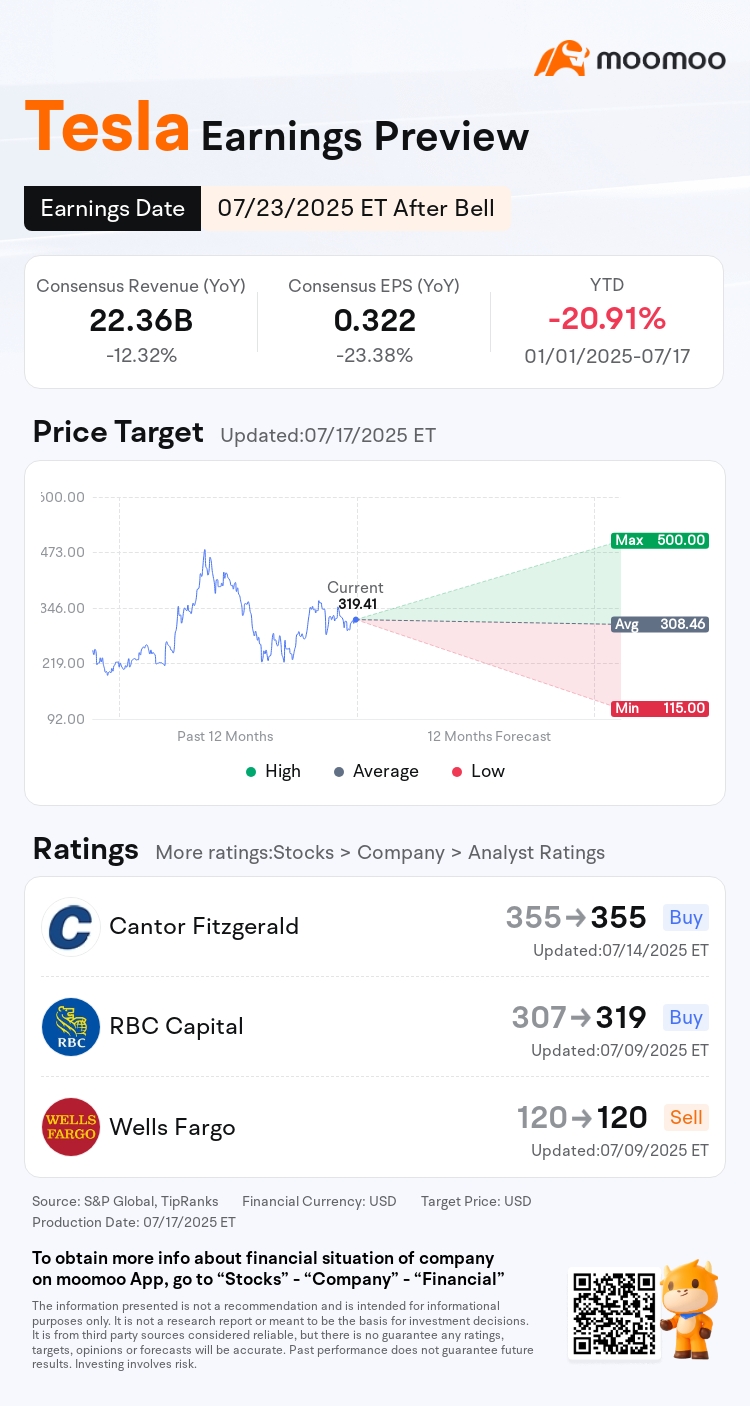
Frequently, Tesla’s stock will run up in price in the weeks leading up to the earnings date as anticipation builds. If the company delivers “good” results that were already anticipated by the market, the stock may actually drop—a classic “sell the news” event. To avoid this trap, investors should look at the valuation relative to the expected earnings. If the P/E ratio has expanded significantly in the month prior to the report, the “bar for success” is set much higher.
Long-term Conviction vs. Short-term Fluctuations
For the personal finance enthusiast, the best strategy often involves looking past the immediate volatility. Tesla’s quarterly reports are checkpoints in a decade-long journey of energy transition. While a missed delivery target in Q2 might cause a 5% dip, the long-term investor focuses on the trajectory of battery cost reductions and the scaling of autonomous technology.
Diversification remains key. Given Tesla’s volatility, financial advisors often suggest that “high-conviction” individual stocks should only represent a manageable percentage of a total portfolio. By staying informed on “when” the earnings come out, investors can ensure they are not caught off guard by a sudden market swing and can instead use these scheduled events as opportunities to rebalance their portfolios or add to their positions during periods of irrational market pessimism.
In conclusion, the Tesla earnings release is more than just a financial statement; it is a cultural and economic event. By tracking the dates, understanding the core metrics of margins and cash flow, and listening to the forward-looking guidance on AI and energy, investors can move beyond the hype and make data-driven decisions for their financial future.
aViewFromTheCave is a participant in the Amazon Services LLC Associates Program, an affiliate advertising program designed to provide a means for sites to earn advertising fees by advertising and linking to Amazon.com. Amazon, the Amazon logo, AmazonSupply, and the AmazonSupply logo are trademarks of Amazon.com, Inc. or its affiliates. As an Amazon Associate we earn affiliate commissions from qualifying purchases.