
Tesla, Inc. stands at the vanguard of several critical technological revolutions, often mistakenly perceived by the general public as solely an automotive manufacturer. While its electric vehicles have undoubtedly captured global attention, a closer examination reveals that Tesla’s core offerings extend far beyond the showroom floor, encompassing a comprehensive ecosystem of advanced technologies designed to accelerate the world’s transition to sustainable energy. What Tesla truly sells is not merely products, but a vision of a technologically integrated, sustainable future, powered by cutting-edge engineering, artificial intelligence, and innovative energy solutions. This article will dissect Tesla’s multifaceted sales portfolio through a technological lens, exploring its diverse array of products and services that collectively define its pioneering role in the 21st century.
More Than Just Cars: Tesla’s Revolutionary Automotive Offerings
At the heart of Tesla’s brand recognition are its groundbreaking electric vehicles (EVs). However, to categorize them simply as “cars” would be an understatement. Tesla’s vehicles are sophisticated, software-defined machines that blend high performance with advanced digital capabilities, reshaping the very concept of personal transportation.
Electric Vehicles: Performance, Range, and Innovation
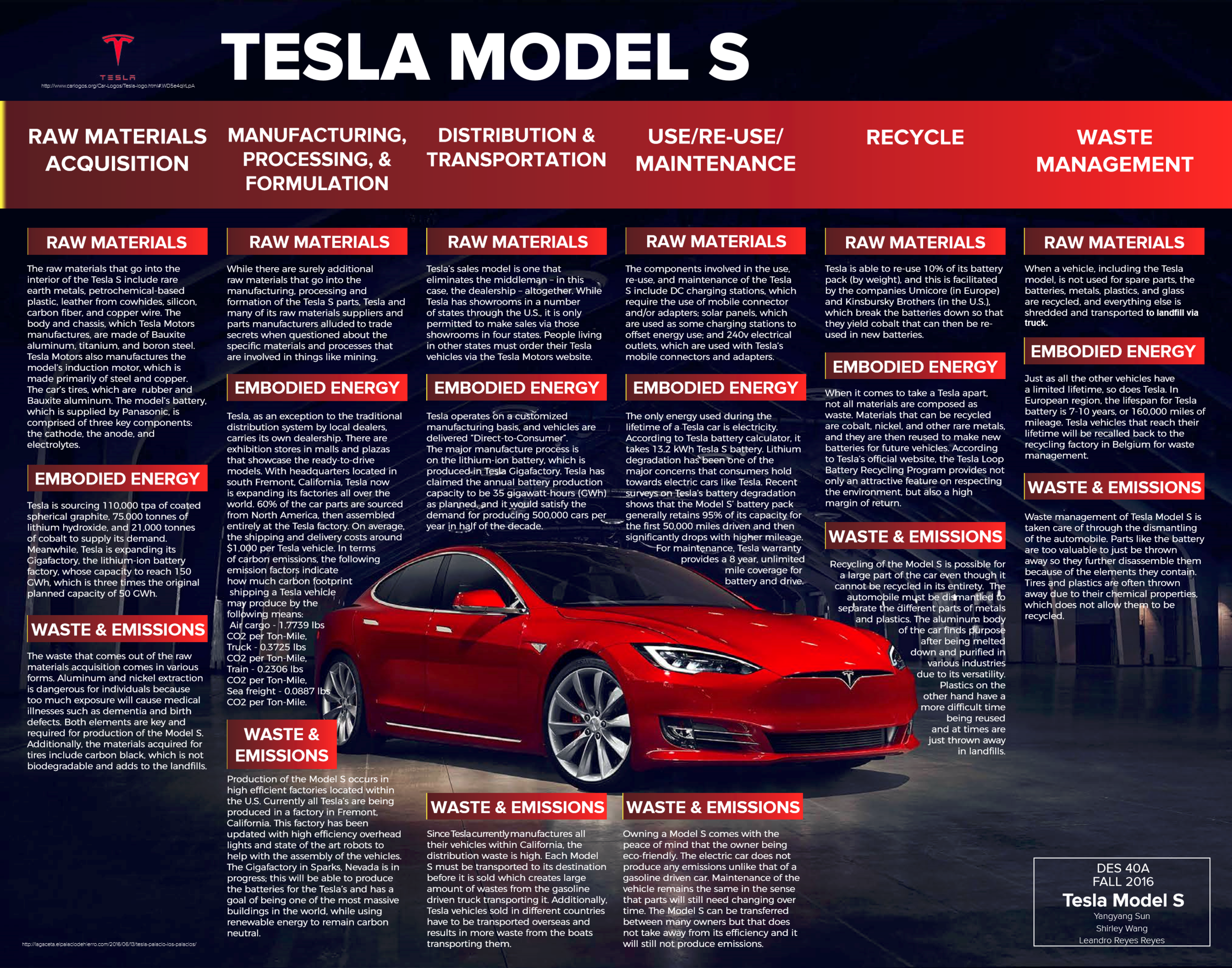
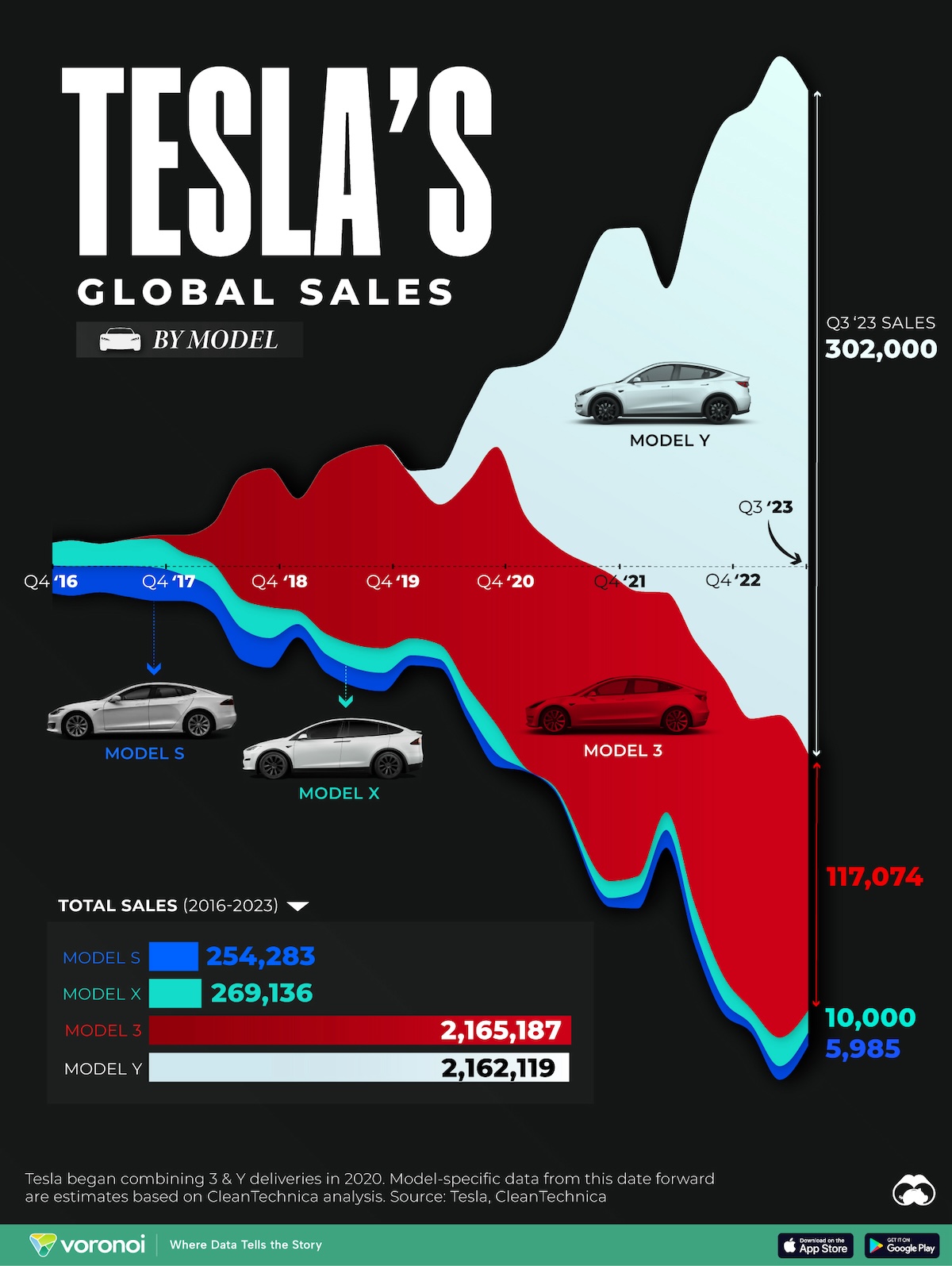
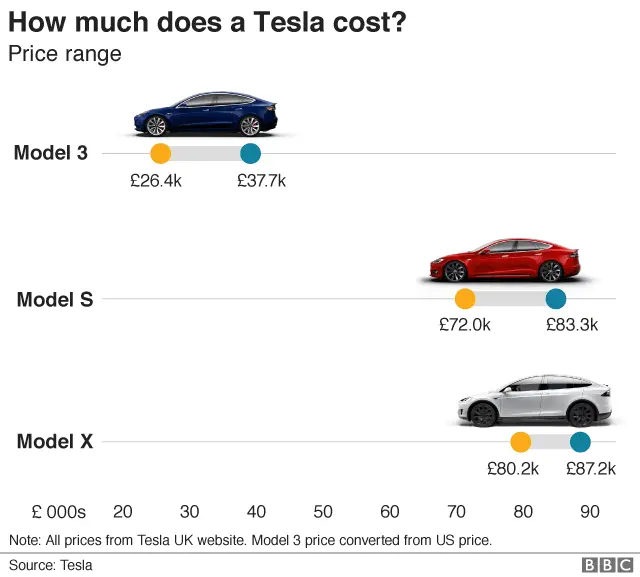
Tesla’s lineup, including the Model S, Model 3, Model X, Model Y, and the upcoming Cybertruck and Roadster, redefines automotive excellence through electric propulsion. Each vehicle is engineered for superior performance, characterized by instant torque, rapid acceleration, and impressive range, often exceeding competitors. The technological prowess lies in their proprietary battery technology – a key differentiator. Tesla’s continuous innovation in battery chemistry, cell design, and thermal management systems allows for higher energy density, faster charging, and extended lifespans. The integration of electric powertrains with advanced vehicle dynamics control systems delivers a driving experience that is both exhilarating and remarkably efficient. Beyond performance, these vehicles are designed with minimalist interiors dominated by large touchscreen interfaces, serving as the central hub for infotainment, navigation, and vehicle controls, illustrating a seamless blend of hardware and software design.
Autopilot and Full Self-Driving (FSD): The AI Frontier
Perhaps the most technologically ambitious aspect of Tesla’s automotive sales is its advanced driver-assistance system, Autopilot, and the more advanced, perpetually evolving Full Self-Driving (FSD) capability. These systems represent a monumental leap in automotive AI and sensor technology. Autopilot utilizes a sophisticated array of cameras, ultrasonic sensors, and radar (historically, though radar has been de-emphasized in recent “Tesla Vision” advancements) to provide features like traffic-aware cruise control, automatic lane keeping, and automatic lane changes. FSD, currently in beta and undergoing continuous development, aims to achieve true autonomous driving. It relies heavily on a neural network trained on vast amounts of real-world driving data collected from Tesla’s global fleet. This deep learning approach allows the vehicle’s computer to interpret complex driving scenarios, predict potential hazards, and make decisions in real-time. The constant over-the-air (OTA) software updates mean that a Tesla vehicle’s AI capabilities are continuously improving and expanding, offering an unparalleled example of a software-defined product in the automotive sector.
The Supercharger Network: Powering the Electric Revolution
An essential component of the Tesla ownership experience, and a critical enabler of long-distance EV travel, is the Supercharger network. Tesla sells not just the car, but the convenience and reliability of a dedicated, global charging infrastructure. This network is a testament to Tesla’s commitment to vertical integration and addressing the “range anxiety” often associated with EVs. Superchargers are proprietary DC fast-charging stations capable of delivering hundreds of miles of range in minutes, leveraging advanced battery management systems within the vehicles to optimize charging speeds. The technology behind Superchargers includes sophisticated power electronics and smart grid integration, ensuring efficient energy delivery and minimizing wait times. Tesla’s strategic deployment and continuous expansion of this network have played a pivotal role in accelerating EV adoption by providing a seamless, user-friendly charging experience that has long surpassed that offered by third-party charging providers.
Beyond the Road: Tesla’s Energy Solutions
While celebrated for its vehicles, Tesla’s mission to accelerate the world’s transition to sustainable energy extends significantly into the realm of energy generation and storage. The company sells an impressive portfolio of energy products designed for homes, businesses, and utility-scale applications, leveraging its expertise in battery technology and power electronics.
Powerwall and Powerpack: Residential and Commercial Energy Storage
Tesla’s Powerwall is a revolutionary home battery system that stores solar energy for backup protection or to optimize energy usage, allowing homeowners to reduce their reliance on the grid and enhance energy independence. Technologically, Powerwall integrates a lithium-ion battery, an inverter, and intelligent software that monitors and controls energy flow. It can detect grid outages and automatically switch to backup power, ensuring seamless electricity supply. The larger-scale Powerpack serves commercial and industrial clients, providing energy storage solutions for peak demand shaving, load shifting, and emergency backup, demonstrating Tesla’s scalable battery technology. These systems are not just batteries; they are smart energy management devices that use sophisticated algorithms to maximize efficiency and provide grid services.
Solar Roof and Solar Panels: Integrated Renewable Energy Generation
Complementing its energy storage solutions, Tesla offers integrated solar technology. The Solar Roof is a particularly innovative product, replacing traditional roofing tiles with aesthetically pleasing solar tiles that look like regular shingles while generating electricity. This represents a significant advancement in building-integrated photovoltaics (BIPV), combining durable roofing materials with high-efficiency solar cells. For those preferring traditional installations, Tesla also sells conventional solar panels that integrate seamlessly with its Powerwall system, creating a holistic home energy ecosystem. The underlying technology focuses on maximizing energy capture, durability, and a streamlined installation process, ensuring that the entire system is both efficient and visually appealing. The comprehensive nature of Tesla’s solar and storage offerings allows customers to generate, store, and manage their own renewable energy, significantly reducing their carbon footprint and energy bills.
Megapack: Utility-Scale Energy Storage
Scaling its battery technology to an even grander level, Tesla sells the Megapack, a massive battery storage system designed for utility-scale applications. Megapack is a critical solution for grid operators seeking to stabilize energy grids, integrate intermittent renewable energy sources (like large-scale solar and wind farms), and defer costly infrastructure upgrades. These industrial-scale battery systems provide flexible power capacity, allowing utilities to store surplus energy and dispatch it during periods of high demand or low renewable generation. The technology behind Megapack involves advanced battery modules, sophisticated power conversion systems, and a robust energy management software platform that can communicate with grid operators in real-time. Megapack projects around the world are proving the viability and economic benefits of large-scale battery storage, marking Tesla as a key player in the future of global energy infrastructure.
Software, Services, and Ecosystem Integration
Beyond tangible hardware, a significant portion of what Tesla sells, and indeed its future valuation, lies in its software capabilities, integrated services, and the overarching technological ecosystem it has meticulously built.
Over-the-Air Updates: Continuous Improvement and Feature Rollouts
A defining characteristic of Tesla’s product strategy is its heavy reliance on over-the-air (OTA) software updates. Unlike traditional vehicles that require dealership visits for system upgrades, Tesla vehicles receive regular updates wirelessly, similar to a smartphone. This means that cars can gain new features, improve existing functionalities (like range and performance optimizations), enhance safety, and even fix bugs remotely. This continuous improvement model means that a Tesla vehicle often improves over time, adding significant value for the customer. From a technological standpoint, it highlights Tesla’s identity as a software company as much as a hardware one, enabling rapid iteration, deployment of AI advancements (like FSD beta updates), and a dynamic relationship with its user base.
Tesla App and Connectivity: The Digital Ownership Experience
The Tesla mobile app is an integral part of the ownership experience, serving as a remote control and information hub for the vehicle and energy products. Owners can use the app to check charging status, pre-condition the cabin, remotely lock/unlock doors, summon the vehicle, and even schedule service. For energy customers, the app provides real-time data on solar production, battery storage levels, and home energy consumption. This seamless digital connectivity exemplifies Tesla’s commitment to an integrated ecosystem, where hardware and software work in tandem to provide convenience, control, and valuable insights. The app itself is a testament to sophisticated cloud infrastructure, secure communication protocols, and intuitive user interface design, selling not just functionality but a modern, connected lifestyle.
Future Innovations: Robotics (Optimus) and AI as Core Business
Looking further into the future, Tesla is explicitly positioning its advanced AI and robotics capabilities as a core offering. The development of the Optimus humanoid robot, for instance, signals Tesla’s ambition to leverage its deep expertise in AI, neural networks, and electric powertrains beyond vehicles and energy. Optimus is envisioned to perform repetitive or dangerous tasks, initially in manufacturing and potentially in homes. What Tesla is selling here is not yet a product, but the promise of transformative AI and robotics technology, demonstrating a long-term vision where its core technological competencies in hardware design, AI training, and autonomous operation are applied across diverse industries, further solidifying its identity as a comprehensive technology company.
The Technological Philosophy Driving Tesla’s Offerings
Underlying all of Tesla’s products and services is a distinct technological philosophy that differentiates it from conventional enterprises and serves as the bedrock of its sales strategy.
Vertical Integration and In-House Innovation
Tesla’s approach to vertical integration is a critical technological differentiator. From designing its own battery cells and electric motors to developing its own AI chips (like the D1 chip for FSD training) and manufacturing its vehicles and solar products, Tesla controls nearly every aspect of its technology stack. This strategy enables rapid innovation, tight quality control, and quicker iteration cycles. By keeping core technological development in-house, Tesla can push the boundaries of performance and efficiency across its product lines, allowing it to sell truly unique and advanced offerings that are difficult for competitors to replicate solely through supply chain partnerships.
Sustainability and Electrification as Core Tenets
Every product Tesla sells, from its high-performance EVs to its utility-scale battery storage, is designed with a singular, overarching mission: to accelerate the world’s transition to sustainable energy. This mission is not just a marketing slogan; it’s a foundational technological principle. The focus on electric powertrains, renewable energy generation, and efficient energy storage is intrinsically linked to this goal. Tesla’s technology is engineered to reduce reliance on fossil fuels, decrease carbon emissions, and create a more sustainable energy future, making its products appealing to a growing segment of environmentally conscious consumers and organizations.
Data-Driven Development and Continuous Learning
Tesla leverages its massive fleet of connected vehicles and energy products as a real-time data collection network. This data, particularly from its FSD beta program, is crucial for training its neural networks, refining its AI algorithms, and continuously improving its products. This data-driven development cycle allows Tesla to learn from real-world scenarios at an unprecedented scale, enabling rapid advancements in autonomous driving capabilities, battery management, and overall product performance. What Tesla sells, therefore, is also a continuously evolving product, informed and improved by the collective experience of its global user base, creating a powerful feedback loop that drives innovation.
In conclusion, “what does Tesla sell?” is a question that requires a multi-layered answer, going far beyond electric cars. Tesla sells a sophisticated ecosystem of interconnected technologies: high-performance electric vehicles, advanced AI-driven driver assistance systems, a global fast-charging network, innovative home and grid-scale energy storage solutions, integrated solar generation products, and a future vision rooted in robotics and pervasive AI. Each offering is underpinned by a commitment to vertical integration, sustainability, and data-driven innovation, positioning Tesla not merely as a manufacturer, but as a technological vanguard shaping the future of transportation and energy.
aViewFromTheCave is a participant in the Amazon Services LLC Associates Program, an affiliate advertising program designed to provide a means for sites to earn advertising fees by advertising and linking to Amazon.com. Amazon, the Amazon logo, AmazonSupply, and the AmazonSupply logo are trademarks of Amazon.com, Inc. or its affiliates. As an Amazon Associate we earn affiliate commissions from qualifying purchases.