
The question “How much is 1 share of Tesla stock?” is one of the most frequently asked in the investment world, reflecting both the immense popularity of the electric vehicle (EV) pioneer and the fundamental curiosity about stock market participation. For many, Tesla (TSLA) represents the cutting edge of technology, a disruptive force in an established industry, and a symbol of potential wealth creation. However, understanding the cost of a single share is merely the starting point of a much broader financial journey. This article will delve into the dynamic nature of Tesla’s share price, the myriad factors that influence it, and the various pathways available to individuals looking to invest in one of the most talked-about companies of our time.

The Dynamic Nature of Tesla Stock Price (TSLA)
Unlike a fixed-price commodity, the value of a Tesla share is in constant flux during market hours. It’s a reflection of live, real-time supply and demand, influenced by a complex web of financial and non-financial factors.
Understanding Real-Time Fluctuations
The stock market operates on continuous bids and offers. Every second, buyers and sellers are negotiating the price of a Tesla share, leading to minute-by-minute, and even second-by-second, adjustments. These immediate fluctuations are driven by a constant stream of news, trading algorithms, investor sentiment, and global economic indicators. Therefore, the “price” of one Tesla share is never static; it’s a moving target best observed through a live quote from a reputable financial platform during market hours (typically 9:30 AM to 4:00 PM ET on weekdays).
Historical Price Movements and Volatility
Tesla has a well-documented history of significant price volatility. From its IPO price of $17 per share in 2010 (pre-splits) to becoming one of the most valuable companies globally, its journey has been marked by dramatic highs and lows. This volatility is a characteristic often associated with growth stocks and disruptive innovators. While it offers the potential for substantial gains, it also carries inherent risks of sharp declines, making it a stock often recommended for investors with a higher risk tolerance and a long-term perspective. Analyzing historical charts reveals periods of parabolic growth, steep corrections, and sideways consolidation, all of which are part of its unique investment profile.
The Impact of Stock Splits
A crucial aspect of understanding Tesla’s share price evolution is its history of stock splits. A stock split is a corporate action that increases the number of shares outstanding while reducing the price per share proportionally, meaning the total market capitalization of the company remains unchanged. Tesla has executed two significant stock splits: a 5-for-1 split in August 2020 and a 3-for-1 split in August 2022. The primary reason for a stock split is to make shares more accessible to a broader range of retail investors by lowering the per-share price, thereby increasing liquidity and potentially attracting new shareholders. For instance, if a stock traded at $900 before a 3-for-1 split, an investor holding one share would then hold three shares, each priced at $300. These splits dramatically altered the nominal price of a single Tesla share, making it seem “cheaper” than its pre-split equivalent, without changing the underlying value of an investor’s total holding.
Factors Influencing Tesla’s Share Price
Many elements converge to dictate Tesla’s valuation, ranging from internal company performance to broader macroeconomic forces. Understanding these can provide insight into the stock’s movements.
Company Performance and Financials
At the core of any stock’s valuation are the company’s financial health and performance. For Tesla, this includes quarterly earnings reports detailing revenue, net income, profit margins, and earnings per share. Investors scrutinize production and delivery figures for vehicles, energy storage solutions, and solar installations. Any deviation from analyst expectations, positive or negative, can send immediate ripples through the stock price. Furthermore, the company’s ability to maintain and grow its cash flow, manage debt, and expand its operational efficiency are critical long-term drivers.
Innovation, Product Launches, and Market Position
Tesla’s identity is deeply intertwined with innovation. The announcement of new products (e.g., Cybertruck, Optimus robot), advancements in autonomous driving (Full Self-Driving, FSD technology), and developments in battery technology significantly impact investor sentiment. Its perceived leadership in the electric vehicle market, its expanding Supercharger network, and its diversification into AI and robotics also play a crucial role. Any news related to these areas, whether positive breakthroughs or production delays, can prompt substantial price movements as investors re-evaluate the company’s future growth prospects.
Macroeconomic Trends and Industry Outlook
The broader economic environment exerts considerable influence. Factors such as interest rates, inflation, consumer spending levels, and global economic growth forecasts all affect investor confidence and the cost of capital for companies. For Tesla specifically, the outlook for the EV industry – including increasing competition from traditional automakers and other startups, raw material costs, and consumer adoption rates – heavily impacts its valuation. Government incentives for EVs and renewable energy also play a role, potentially boosting demand or impacting profitability.
Geopolitical Events and Regulatory Changes
Global events and policy shifts can have far-reaching implications. Supply chain disruptions (e.g., semiconductor shortages), trade policies between major economies (e.g., US and China, where Tesla has significant operations), and geopolitical tensions can affect production, sales, and profitability. Furthermore, regulatory changes related to emissions standards, battery recycling, vehicle safety, and autonomous driving can either create opportunities or impose significant costs on Tesla, influencing its stock performance.
Elon Musk and Social Media Impact
Unique to Tesla, its CEO, Elon Musk, has an unparalleled influence on the company’s stock. His public statements, particularly on platforms like X (formerly Twitter), can generate significant investor enthusiasm or concern. His entrepreneurial ventures, outspoken personality, and ambitious goals often lead to a cult-like following but also expose the stock to idiosyncratic risks associated with his personal brand and controversial opinions. This “Musk premium” or “Musk discount” is a distinct factor analysts often consider when evaluating TSLA.
Accessibility and Ways to Invest in Tesla
While the price of a single share can seem daunting, especially for high-value stocks, there are multiple avenues for investors to gain exposure to Tesla.
Direct Share Purchase vs. Fractional Shares
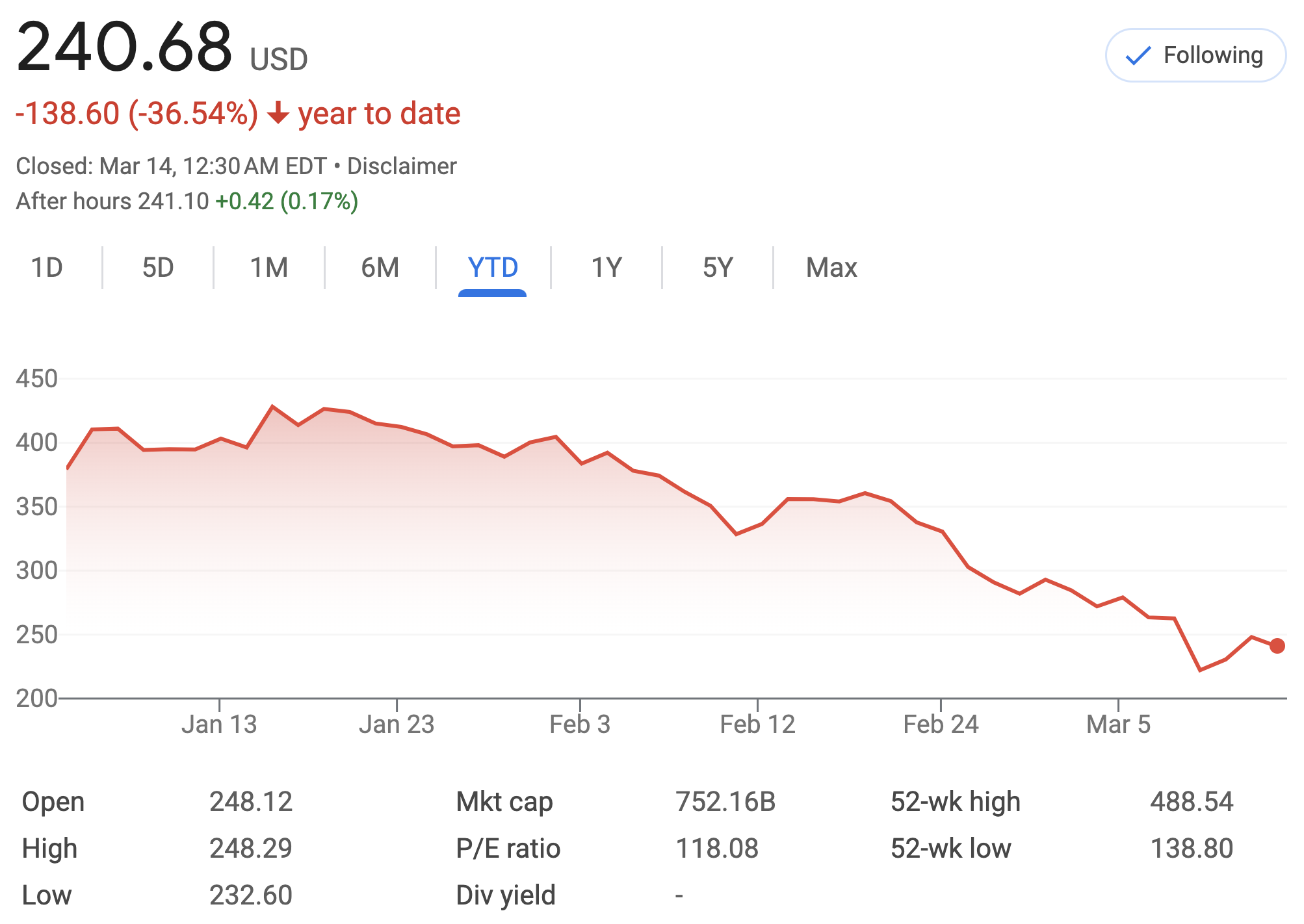
Traditionally, buying a stock meant purchasing at least one whole share. However, many modern brokerage firms now offer fractional shares. This innovation allows investors to buy a portion of a share, even if it’s less than one whole unit. So, if one Tesla share costs, for example, $200, an investor could choose to invest just $50, thereby owning 0.25 of a share. This significantly lowers the barrier to entry, making it possible for individuals with smaller budgets to invest in high-priced stocks like Tesla. Direct share purchases involve opening a brokerage account and placing an order through a trading platform.
Investing through ETFs and Mutual Funds
For those seeking diversification or preferring a hands-off approach, investing in Exchange Traded Funds (ETFs) or mutual funds that hold Tesla stock can be an attractive option. Many technology-focused, growth-oriented, or EV-centric ETFs and mutual funds include TSLA in their portfolios. By investing in such a fund, you indirectly own a small piece of Tesla along with numerous other companies, spreading your risk across a basket of assets. This method allows investors to benefit from Tesla’s performance without the concentrated risk of owning individual shares.
Understanding Brokerage Accounts
Regardless of whether you choose whole shares, fractional shares, or funds, you’ll need to open a brokerage account. These accounts are offered by financial institutions (online brokers, traditional banks with investment divisions) and act as gateways to the stock market. When selecting a brokerage, consider factors like trading fees, research tools, customer service, and the availability of fractional shares. The process typically involves completing an application, verifying your identity, and funding the account.
The Role of Financial Advisors
For those new to investing or seeking professional guidance, a financial advisor can be invaluable. An advisor can help assess your risk tolerance, financial goals, and create a diversified investment strategy that may or may not include individual stocks like Tesla. They can provide personalized advice, help you navigate market volatility, and assist with portfolio rebalancing, ensuring your investments align with your broader financial plan.
Considerations Before Investing in TSLA
Investing in any stock, particularly one known for its volatility, requires careful consideration and a clear understanding of the associated risks and rewards.
Risk vs. Reward
Tesla, like many growth stocks, offers the potential for significant returns but also carries substantial risk. Its high valuation often prices in future growth expectations, meaning any failure to meet those expectations can lead to sharp declines. Investors must be comfortable with this inherent volatility and the possibility of capital loss. The reward potential comes from its innovative capacity, market leadership, and long-term vision, but this must be balanced against the very real possibility of underperformance.
Due Diligence and Research
Before investing a single dollar, it is crucial to conduct thorough due diligence. This involves researching Tesla’s business model, competitive landscape, financial statements (income statement, balance sheet, cash flow statement), management team, and future growth catalysts. Don’t rely solely on news headlines or social media buzz. Read analyst reports, company press releases, and SEC filings to form an informed opinion about the company’s prospects and intrinsic value.
Diversification and Portfolio Strategy
A fundamental principle of sound investing is diversification. Putting all your investment capital into a single stock, even one as prominent as Tesla, exposes you to excessive risk. A well-diversified portfolio spreads investments across different companies, industries, asset classes (stocks, bonds, real estate), and geographies to mitigate risk. Tesla might be a component of a diversified portfolio, but it should rarely be the sole holding.
Long-Term vs. Short-Term Investing
Your investment horizon is another critical factor. Short-term trading in volatile stocks like Tesla is highly speculative and best left to experienced traders. For most individual investors, a long-term approach (holding for several years or more) is generally recommended. This strategy allows time for company growth to materialize and can help weather short-term market fluctuations, aligning with Tesla’s long-term vision of global electrification and energy transition.
Beyond the Sticker Price: Understanding Valuation
While “how much is 1 share” is the initial question, sophisticated investors look beyond the nominal price to understand a company’s true value.
Key Valuation Metrics (P/E Ratio, Market Cap)
The price of a single share doesn’t tell the whole story about whether a stock is expensive or cheap. Investors use various metrics to assess valuation. The Price-to-Earnings (P/E) ratio, for instance, compares a company’s share price to its earnings per share, indicating how much investors are willing to pay for each dollar of earnings. A high P/E ratio, often seen in growth stocks like Tesla, suggests investors expect significant future earnings growth. Market capitalization, calculated by multiplying the current share price by the total number of outstanding shares, represents the total value of the company. These metrics provide context and allow for comparison against industry peers and historical averages, offering a more complete picture than the per-share price alone.
Growth Stock Premium
Companies like Tesla are often categorized as “growth stocks.” This means their current valuation often incorporates a “growth premium,” reflecting investor expectations of rapid future revenue and earnings expansion. Investors are willing to pay a higher price today for the promise of significant growth tomorrow. This premium can make such stocks appear “expensive” based on traditional valuation metrics, but it’s justified by their potential to disrupt industries and capture new markets. However, it also means they are particularly sensitive to any news that might cast doubt on their growth narrative.

Conclusion
The question “How much is 1 share of Tesla stock?” is an excellent starting point for anyone contemplating an investment in this groundbreaking company. However, the answer is never static, subject to the ebb and flow of market dynamics, company performance, and global events. Understanding that Tesla’s share price is a continually moving target, influenced by factors from production numbers to Elon Musk’s tweets, is crucial. Moreover, the accessibility of fractional shares and diversified funds means that investing in Tesla, in some form, is within reach for almost any investor, regardless of budget. Yet, the sticker price is just the surface. A truly informed investment decision requires delving into the company’s fundamentals, understanding the inherent risks and rewards, practicing diversification, and aligning the investment with a clear long-term financial strategy. Tesla offers a compelling, albeit volatile, opportunity for those who do their homework and are prepared for the journey.
aViewFromTheCave is a participant in the Amazon Services LLC Associates Program, an affiliate advertising program designed to provide a means for sites to earn advertising fees by advertising and linking to Amazon.com. Amazon, the Amazon logo, AmazonSupply, and the AmazonSupply logo are trademarks of Amazon.com, Inc. or its affiliates. As an Amazon Associate we earn affiliate commissions from qualifying purchases.