
Establishing business credit is one of the most critical milestones for any entrepreneur. While many small business owners initially rely on personal savings or personal credit cards to fund their ventures, this approach creates a glass ceiling for growth and introduces significant personal financial risk. Business credit is the reputation your company builds with lenders, vendors, and suppliers, separate from your personal financial standing.
In the world of business finance, a robust credit profile acts as a lever. It allows you to access larger pools of capital, secure lower interest rates, and negotiate better terms with suppliers. More importantly, it creates a “corporate veil” that protects your personal assets from business liabilities. This guide provides a comprehensive roadmap for navigating the complexities of the business credit landscape, ensuring your company is positioned for long-term financial health.
Phase 1: Building the Legal and Financial Foundation
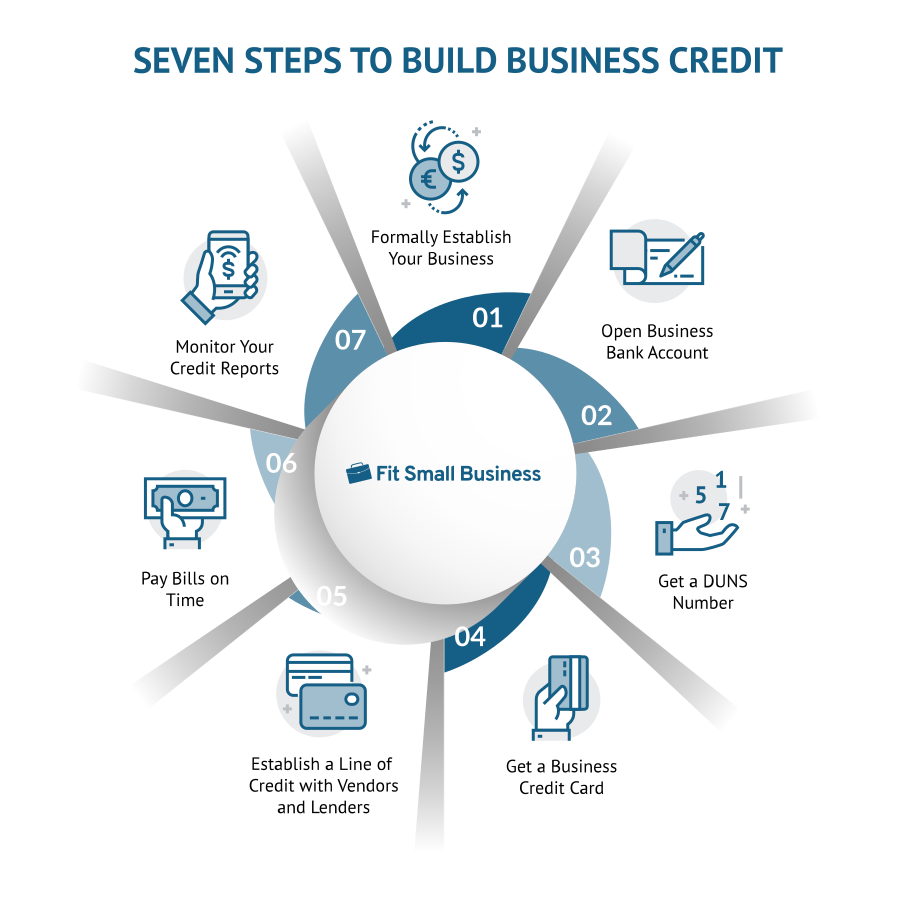
Before you can report credit, your business must exist as a distinct legal and financial entity. Lenders and credit bureaus need to see that the business is a “separate person” in the eyes of the law. If your business is not properly structured, any credit you apply for will likely be tied directly to your Social Security Number (SSN), effectively keeping you in the realm of personal finance.
Formalizing Your Business Structure
The first step is moving away from a sole proprietorship. To build true business credit, you should incorporate as an LLC (Limited Liability Company), a C-Corp, or an S-Corp. This legal separation is the bedrock of corporate credit. Once incorporated, you must ensure your business is compliant with local regulations, including obtaining all necessary licenses and permits. Consistency is key here; your business name, address, and phone number should be identical across all filings to avoid “red flags” in automated credit-scoring algorithms.
Obtaining Your Federal Tax ID (EIN)
Just as an individual uses an SSN, a business uses an Employer Identification Number (EIN). This is issued by the IRS and is required for filing taxes, hiring employees, and, most importantly, opening business bank accounts. Your EIN is the primary identifier that credit bureaus use to track your business’s financial behavior.
Opening a Dedicated Business Bank Account
One of the most common mistakes entrepreneurs make is commingling funds. To establish business credit, you must open a dedicated business checking account. This account serves as the primary evidence of your company’s cash flow. Many lenders look at “bank ratings,” which are internal scores based on your average daily balance and account age. Maintaining a healthy balance in a business account for at least two years is often a prerequisite for high-limit traditional bank loans.
Phase 2: Navigating the Business Credit Reporting Ecosystem
Unlike personal credit, which is dominated by the “Big Three” (Equifax, Experian, and TransUnion) and governed by the Fair Credit Reporting Act, business credit is more fragmented. It is a proactive process; the bureaus will not automatically know your business exists until you tell them or a vendor reports your activity.
Registering with Dun & Bradstreet
Dun & Bradstreet (D&B) is arguably the most influential business credit bureau globally. To begin your profile, you must apply for a D-U-N-S Number (Data Universal Numbering System). This nine-digit identifier is used by the federal government and many large corporations to perform background checks on potential partners. Your D&B profile generates a “Paydex” score, which ranges from 1 to 100. A score of 80 or higher is generally considered excellent and indicates that your business pays its bills on time or even early.
Understanding the Three Major Business Bureaus
In addition to D&B, you must monitor your reports with Experian Business and Equifax Business.
- Experian Business: Focuses on legal filings, credit utilization, and payment history. Their “Intelliscore Plus” is a common metric used by modern fintech lenders.
- Equifax Business: Often gathers data from the Small Business Financial Exchange (SBFE). They look closely at banking relationships and lease payments.
- Dun & Bradstreet: Primarily focuses on trade references and “payment to terms.”
Establishing Trade Lines with Starter Vendors
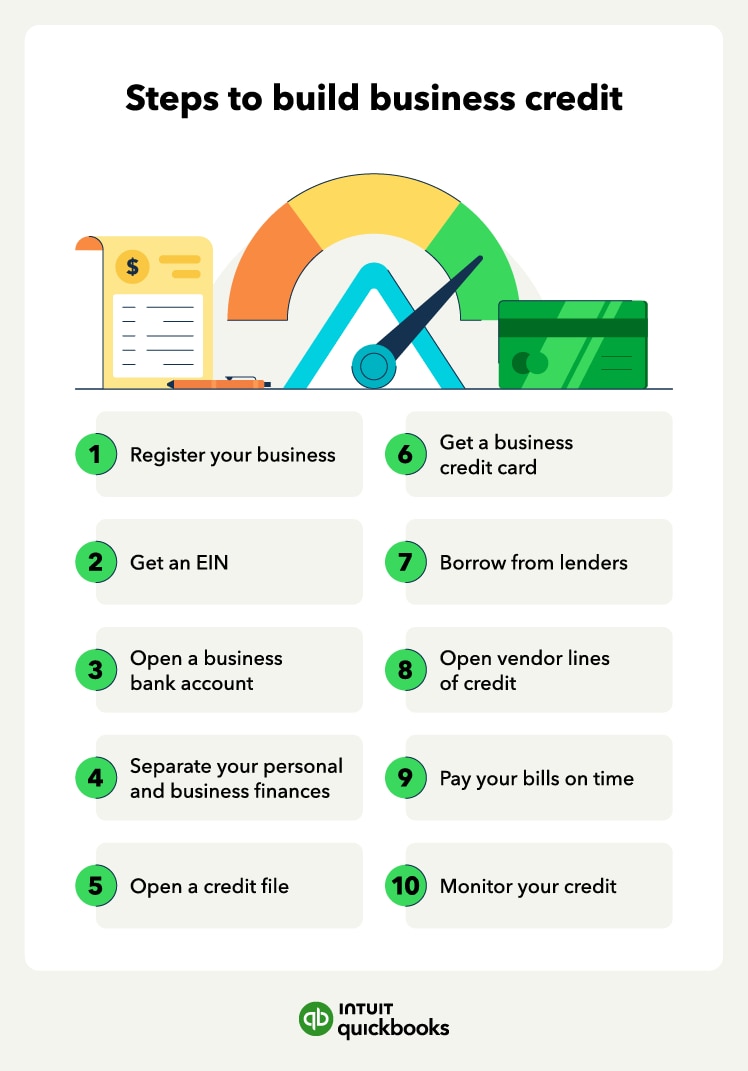
Since most major credit card issuers require an established credit history, you need to start with “Tier 1” vendors. These are companies that sell office supplies, packaging, or fuel and are willing to extend “Net-30” terms to new businesses. Net-30 means you have 30 days to pay the invoice in full after receiving the goods. The secret to building credit quickly is ensuring that these vendors report your payment history to the bureaus. Companies like Uline, Quill, and Grainger are classic examples of starter vendors that help build the initial data points on your credit report.
Phase 3: Strategic Credit Expansion and Management
Once you have a few trade lines reporting and a solid Paydex score, you can transition into more traditional financial tools. This phase is about increasing your aggregate credit limit and lowering your credit utilization ratio, which signals to lenders that you are a low-risk borrower.
Leveraging Business Credit Cards
Business credit cards are powerful tools for managing cash flow and earning rewards. In the early stages, you may still need to provide a “Personal Guarantee” (PG), meaning you are personally liable if the business fails to pay. However, as your business credit matures, you can apply for cards that do not require a PG or that report exclusively to the business credit bureaus. This ensures that even if you carry a balance for inventory, it won’t negatively impact your personal debt-to-income ratio.
Monitoring and Correcting Credit Reports
Business credit reports are notorious for containing errors. Because they are not as strictly regulated as personal reports, it is the business owner’s responsibility to audit them regularly. An incorrect Standard Industrial Classification (SIC) code, for example, could categorize your business as “high risk” (such as real estate or trucking), leading to automatic denials or higher interest rates. Use services like Nav or CreditSignal to keep a pulse on your scores and dispute any inaccuracies immediately.
Diversifying Your Credit Mix
Just like personal credit, the “mix” of credit types matters. A healthy profile includes a combination of revolving credit (credit cards), installment loans (equipment financing or vehicle loans), and open credit (Net-30 or Net-60 trade accounts). This diversity demonstrates to future lenders that you can manage different types of financial obligations responsibly.
Phase 4: Scaling Toward Institutional Financing
The ultimate goal of establishing business credit is to reach a point where the business can stand on its own feet financially. This allows you to secure large-scale capital for acquisitions, real estate, or massive inventory orders without risking your personal home or savings.
Qualifying for SBA and Traditional Bank Loans
The Small Business Administration (SBA) does not lend money directly but guarantees loans made by banks. To qualify for an SBA 7(a) or 504 loan, your business credit must be impeccable. Lenders will look at your FICO Small Business Scoring Service (SBSS) score. This score aggregates data from your personal credit, business credit, and financial statements. A score of 160 or higher is typically required to pass the initial automated screening for many SBA-backed products.
Managing Debt-to-Income and Debt Service Coverage Ratios
As you take on more credit, you must keep an eye on your Debt Service Coverage Ratio (DSCR). This is a formula used by lenders to determine if your business generates enough net operating income to cover its debt obligations. A DSCR of 1.25 or higher is the standard benchmark for “bankable” businesses. Maintaining a strong credit profile allows you to refinance high-interest short-term debt into low-interest long-term debt, significantly improving your DSCR and overall profitability.
The Long-Term Vision: Fiduciary Responsibility
Establishing credit is not just about spending; it is about demonstrating fiduciary responsibility. In the eyes of an investor or a potential buyer, a business with its own established credit lines and a history of on-time payments is far more valuable than one tied to the owner’s personal finances. It signifies a mature, scalable operation with a lower risk profile, ultimately increasing the enterprise value of your company.
Conclusion
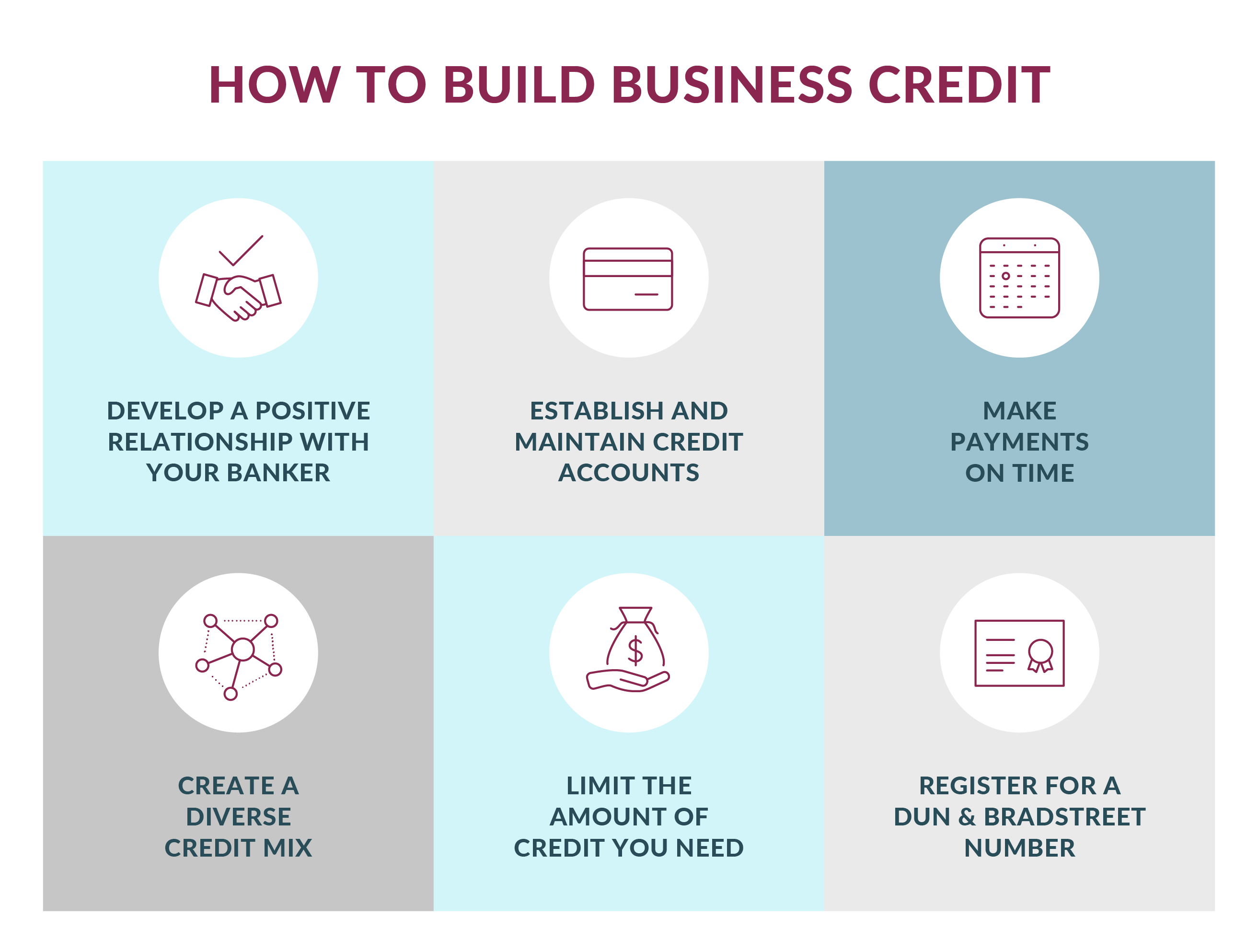
Establishing business credit is a marathon, not a sprint. It requires meticulous attention to detail—from the initial legal filing to the strategic selection of vendors and the disciplined management of revolving debt. By separating your personal and professional finances, you not only protect your individual future but also provide your business with the oxygen it needs to grow. In the modern economy, credit is the ultimate tool for leverage; those who build it wisely find themselves with a significant competitive advantage, ready to seize opportunities the moment they arise.
aViewFromTheCave is a participant in the Amazon Services LLC Associates Program, an affiliate advertising program designed to provide a means for sites to earn advertising fees by advertising and linking to Amazon.com. Amazon, the Amazon logo, AmazonSupply, and the AmazonSupply logo are trademarks of Amazon.com, Inc. or its affiliates. As an Amazon Associate we earn affiliate commissions from qualifying purchases.