
In the rapidly evolving landscape of digital commerce, the term “Stripe Pay” is often used as a catch-all phrase for one of the most sophisticated financial infrastructures ever built for the internet. At its core, Stripe is a global technology company that builds economic infrastructure for the internet. Whether you are an entrepreneur launching a side hustle or a Fortune 500 company scaling global operations, understanding the financial mechanics of Stripe is essential for managing modern business capital.
The platform serves as more than just a gateway to accept credit cards; it is a comprehensive financial tool designed to manage the entire lifecycle of a transaction. For businesses, “Stripe Pay” represents the intersection of software and finance, allowing for seamless movement of money across borders, currencies, and payment methods. By abstracting the complexity of the traditional banking system, Stripe has democratized access to high-level financial tools, enabling businesses of all sizes to operate with the agility of a tech giant.
The Mechanics of Modern Commerce: How Stripe Powers Business Growth
At the heart of the Stripe ecosystem is its payment processing engine. To understand what Stripe Pay does, one must first look at the friction it removes from the financial system. Historically, a business wishing to accept payments online had to navigate a fragmented web of merchant accounts, payment gateways, and acquiring banks. Stripe consolidated these disparate elements into a single, cohesive financial stack.
Processing Infrastructure and the Digital Checkout
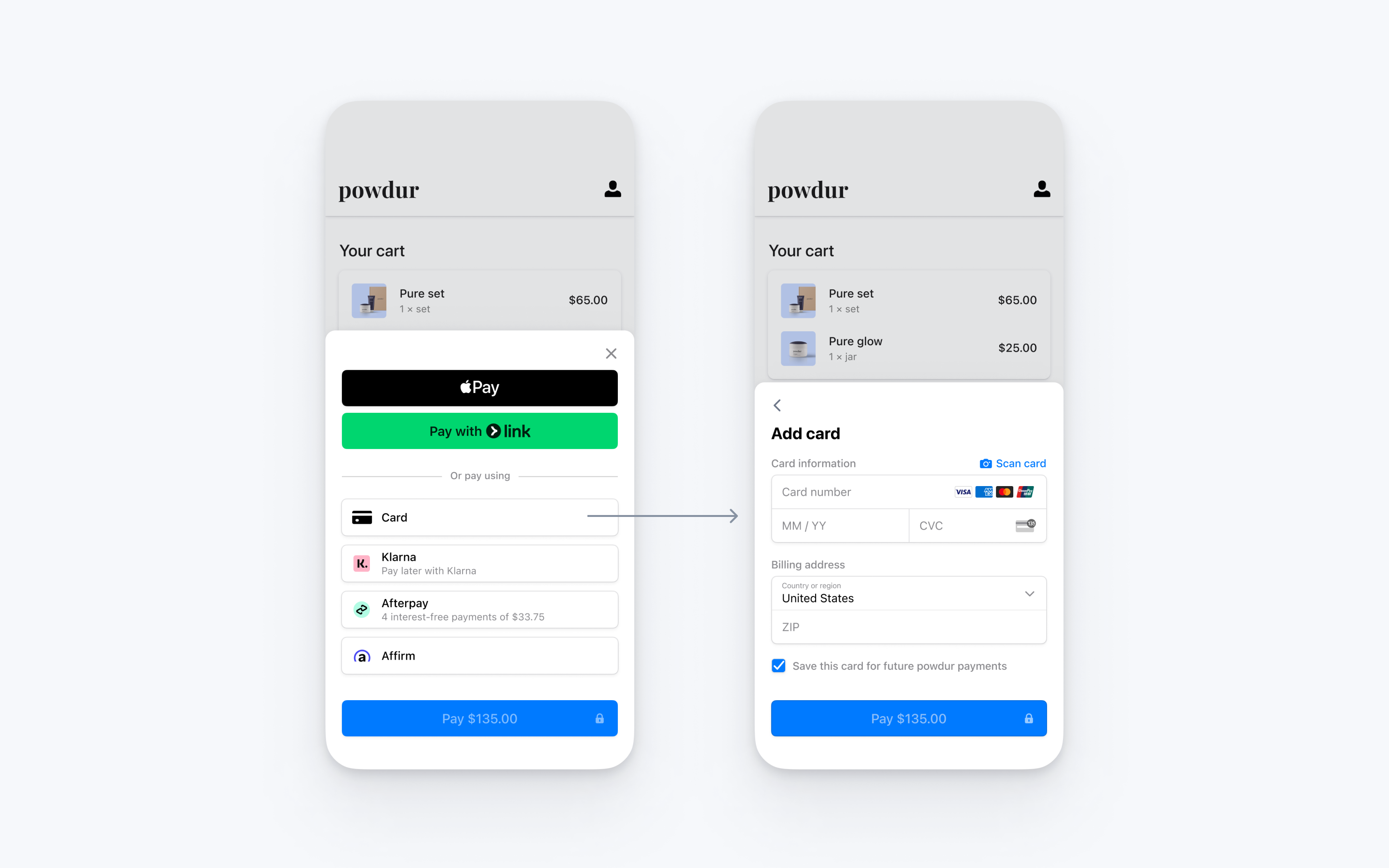
Stripe provides the underlying architecture that allows a customer’s payment information to travel securely from their browser or mobile device to the merchant’s bank account. This process involves complex encryption and immediate communication with global card networks like Visa, Mastercard, and American Express.
For the business owner, this translates to “Stripe Checkout” or “Link”—features often colloquially referred to as Stripe Pay. These tools are optimized for conversion, using machine learning to reduce cart abandonment and ensure that the checkout experience is frictionless. Link, specifically, allows customers to save their payment information across all Stripe-enabled sites, effectively creating a one-click payment experience that rivals established digital wallets.
Global Reach and Currency Management
One of the most significant financial advantages of using Stripe is its ability to handle multi-currency transactions. In a globalized economy, limiting a business to a single currency is a growth bottleneck. Stripe allows businesses to accept payments in over 135 currencies.
The financial sophistication here lies in how Stripe handles currency conversion and localized payment methods. Instead of the business needing to open bank accounts in every country they serve, Stripe manages the exchange rates and settlement processes. This allows a business based in the United States to sell products in Japan using local payment methods like Konbini, while receiving the final settlement in USD. This global liquidity is a cornerstone of modern business finance.
Streamlining Revenue Operations with Stripe’s Financial Ecosystem
Beyond the initial transaction, Stripe functions as a robust financial management tool. For many businesses, the challenge isn’t just getting paid—it’s managing the money once it arrives. Stripe Pay extends into the realm of revenue operations, offering tools that automate the “back-office” tasks that traditionally required a large accounting team.
Subscription Management and Recurring Revenue
The shift toward “As-a-Service” business models has made recurring billing a vital component of business finance. Stripe Billing is a sophisticated engine that handles subscriptions, prorations, and automated invoicing. For a business owner, this means the system automatically manages failed payments, sends reminders to customers when cards expire, and adjusts billing cycles based on usage.
This level of automation directly impacts a company’s bottom line by reducing “involuntary churn”—the loss of customers due to technical payment failures rather than a desire to cancel the service. By recovering these lost transactions through smart retries, Stripe acts as a value-added financial partner rather than just a passive service provider.
Financial Reporting and Tax Automation
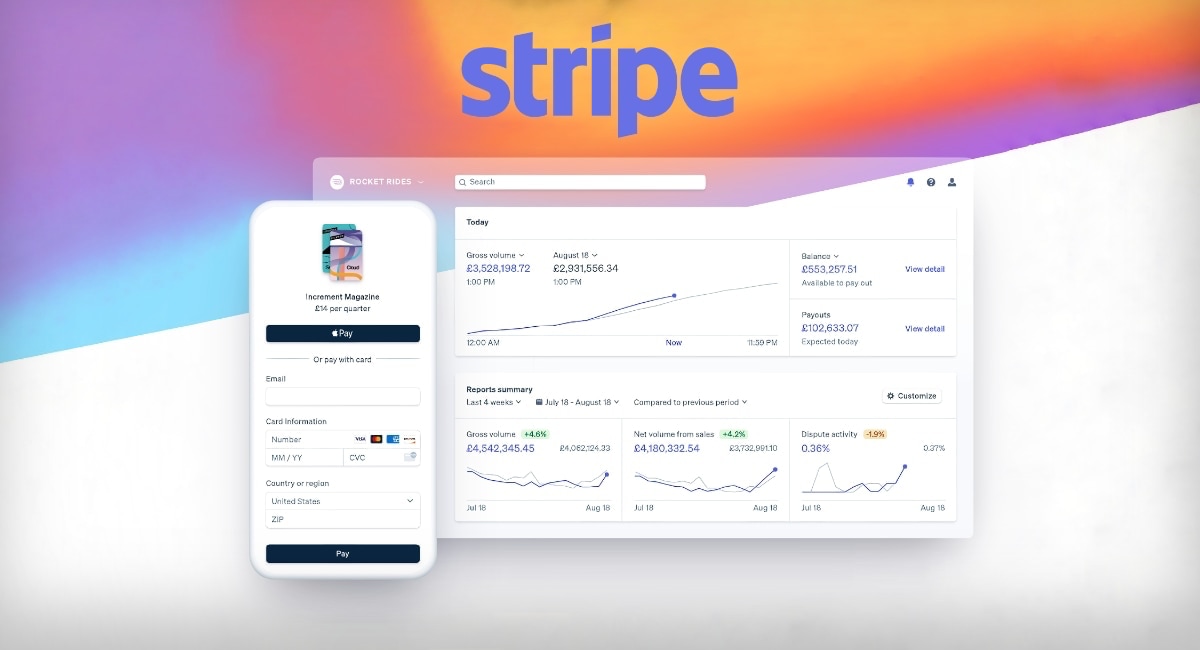
Effective financial management requires real-time data. Stripe’s dashboard provides businesses with an “at-a-glance” view of their financial health, including net revenue, growth metrics, and churn rates. This eliminates the need for manual data entry and reduces the margin for error in financial forecasting.
Furthermore, the introduction of Stripe Tax has revolutionized how online businesses handle global compliance. Sales tax, VAT, and GST regulations vary wildly by jurisdiction. Stripe’s financial tools automatically calculate and collect the correct amount of tax based on the customer’s location and the type of product sold. For a business owner, this mitigates the risk of costly audits and financial penalties, ensuring that the business remains compliant as it scales across state and national borders.
Security and Fraud Prevention: Safeguarding Business Capital
In the world of online finance, security is not just a technical requirement—it is a financial imperative. Every fraudulent transaction represents a direct loss of capital, compounded by potential chargeback fees and reputational damage. Stripe Pay includes built-in layers of security that protect both the merchant and the consumer.
Radar and Risk Mitigation
Stripe Radar is an integrated fraud prevention tool that uses machine learning trained on data from millions of global companies. Because Stripe processes a significant percentage of all internet transactions, it can identify patterns of fraudulent behavior that an individual business would never notice.
For example, if a credit card is flagged for suspicious activity on one side of the world, Stripe’s ecosystem can instantly block that card from being used on any other merchant’s site within the network. This collective intelligence serves as a financial shield, protecting a company’s cash flow from the drain of cybercrime. By reducing the number of fraudulent chargebacks, Stripe helps businesses maintain a healthy relationship with card networks and keeps their processing costs lower.
Compliance and Regulatory Peace of Mind
Financial regulations like PCI-DSS (Payment Card Industry Data Security Standard) are notoriously difficult and expensive to navigate. Stripe Pay simplifies this by ensuring that sensitive payment data never actually touches the merchant’s servers. By using secure “tokens,” Stripe handles the burden of compliance. This doesn’t just save the business money on security audits; it also significantly reduces the financial liability of a potential data breach.
Scaling Your Business: Integrating Stripe into Financial Strategies
As a business evolves from a side hustle to an enterprise, its financial needs become more complex. Stripe Pay is designed to scale alongside these needs, offering different levels of integration that align with the business’s technical and financial maturity.
Low-Code and No-Code Options for Small Businesses
For entrepreneurs and small business owners, the “Money” aspect of Stripe is about accessibility. Tools like Stripe Payment Links allow a business to sell a product or service without even having a website. By simply sending a URL via email or social media, a business can accept payments securely. This low barrier to entry is a powerful tool for testing new side hustles or business ideas with minimal upfront financial investment.
Enterprise-Level Financial Customization
At the enterprise level, Stripe provides a programmable financial infrastructure. Through its robust API (Application Programming Interface), large companies can build custom financial workflows. This might include “Stripe Connect,” which allows platforms like Shopify or Lyft to pay out thousands of different vendors and contractors simultaneously.
The ability to split payments, delay payouts, and manage complex funds-flow is a sophisticated financial strategy that allows platforms to operate as marketplaces. This level of control over the movement of money enables entirely new business models that were previously impossible due to the limitations of traditional banking software.
The Cost of Doing Business: Understanding Stripe’s Fee Structure
To view Stripe purely as a financial tool, one must analyze its cost-to-value ratio. Stripe typically operates on a “pay-as-you-go” model, which is a significant departure from the fixed monthly fees and long-term contracts associated with legacy merchant accounts.
Transparent Pricing vs. Hidden Costs
Stripe’s standard pricing (typically a percentage plus a flat fee per transaction) is designed to be transparent. For a business finance manager, this predictability is invaluable for calculating margins. While some traditional processors might offer lower “teaser rates,” they often hide fees for PCI compliance, statements, or gateway access. Stripe’s all-in-one approach consolidates these costs into a single, predictable line item.

ROI and Value Proposition
When evaluating “Stripe Pay” from an investment perspective, the Return on Investment (ROI) often comes from the time saved and the increased conversion rates. If a business can increase its checkout conversion by even 1% through a better user interface, or save 10 hours a month in manual accounting through automated reporting, the value of the platform far exceeds the processing fees.
Furthermore, Stripe provides businesses with access to capital through “Stripe Capital.” By analyzing a business’s payment history, Stripe can offer loans to help with expansion, inventory, or marketing. Unlike traditional bank loans that require mountains of paperwork, these are repaid automatically as a percentage of future sales. This creates a circular financial ecosystem where the payment processor also acts as a source of growth capital.
In summary, Stripe Pay is the financial engine of the modern internet. It is a comprehensive suite of tools that manages everything from the moment a customer clicks “buy” to the moment that money is reconciled in a business’s bank account. By integrating payment processing, fraud prevention, subscription management, and financial reporting into a single platform, Stripe has redefined what it means to manage business finance in the digital age. For anyone looking to generate income or grow a business online, Stripe is not just a utility—it is a strategic financial asset.
aViewFromTheCave is a participant in the Amazon Services LLC Associates Program, an affiliate advertising program designed to provide a means for sites to earn advertising fees by advertising and linking to Amazon.com. Amazon, the Amazon logo, AmazonSupply, and the AmazonSupply logo are trademarks of Amazon.com, Inc. or its affiliates. As an Amazon Associate we earn affiliate commissions from qualifying purchases.