
Taxes are an inescapable reality of modern life, forming the bedrock upon which governments fund essential public services, regulate economies, and redistribute wealth. For individuals and businesses alike, understanding “what is pay tax” goes far beyond simply knowing a portion of income or profits must be surrendered; it delves into the intricate mechanisms of national finance, personal financial planning, and responsible citizenship. From your daily cup of coffee to the roads you drive on, the healthcare services available, and the education system, taxes are the invisible force that underpins the fabric of society. Navigating the world of taxation can seem daunting, with its myriad forms, complex regulations, and evolving policies. However, gaining a clear grasp of its fundamentals is crucial for effective financial management, legal compliance, and informed participation in the economic landscape. This article will demystify the concept of taxation, exploring its fundamental purposes, various forms, practical implications, and the essential knowledge required to manage your tax obligations effectively.

The Fundamental Role and Purpose of Taxation
At its core, taxation is the compulsory financial charge or other levy imposed on an individual or a legal entity by a governmental organization in order to fund public expenditures. Without taxes, governments would be unable to provide the infrastructure, services, and safety nets that define a functional society.
Funding Public Services
One of the most direct and widely understood purposes of taxation is to finance the vast array of public services that benefit all citizens. These services, often too large or unprofitable for private entities to undertake, are critical for a nation’s well-being and progress. This includes everything from maintaining national defense and law enforcement to building and maintaining roads, bridges, and public transportation networks. Taxes also fund critical sectors like education, providing public schools, universities, and research grants, and healthcare, supporting hospitals, public health initiatives, and sometimes universal healthcare systems. Beyond these, they enable vital services such as waste management, emergency services (fire and ambulance), and the upkeep of public parks and recreational facilities. Essentially, taxes are the collective investment citizens make to create a shared environment that fosters safety, opportunity, and quality of life for everyone.
Income Redistribution and Social Welfare
Taxation systems are often designed with a secondary, yet equally important, goal: to reduce income inequality and provide a social safety net. Progressive tax systems, where higher earners pay a larger percentage of their income in taxes, aim to redistribute wealth by funding programs that support lower-income individuals and vulnerable populations. This includes social security benefits for the elderly and disabled, unemployment insurance for those temporarily out of work, and various welfare programs designed to assist families in need. The rationale is that a more equitable distribution of resources leads to greater social stability and reduces poverty. By ensuring that basic needs are met for a broader segment of the population, these social welfare programs contribute to a more just and resilient society, preventing extreme disparities that can lead to social unrest and economic instability.
Economic Regulation and Stability
Beyond direct funding and redistribution, taxes serve as powerful tools for governments to influence economic behavior and stabilize the economy. Policymakers can adjust tax rates or introduce specific taxes to encourage or discourage certain activities. For instance, tax incentives for research and development or investments in renewable energy can spur innovation and sustainable practices. Conversely, “sin taxes” on products like tobacco, alcohol, and sugary drinks aim to discourage consumption of goods deemed harmful to public health. During times of economic boom, increased taxes can help cool down an overheating economy and curb inflation, while tax cuts during recessions can stimulate spending and investment to boost growth. Additionally, tariffs on imported goods can protect domestic industries, and capital gains taxes can influence investment decisions. Through these mechanisms, taxation acts as a dynamic lever, helping to guide the economy towards desired outcomes such as full employment, price stability, and sustainable growth.
Diverse Forms of Taxation You Encounter
The world of taxation is not monolithic; rather, it comprises a sophisticated mosaic of different tax types, each with its own purpose, calculation method, and impact. Understanding these various forms is key to comprehending your overall tax burden and planning your finances effectively.
Income Tax
Income tax is arguably the most common and significant tax for individuals and businesses. It is a tax levied by governments on financial income generated by all entities within their jurisdiction. For individuals, this includes wages, salaries, commissions, tips, and other forms of earned income, as well as unearned income like interest, dividends, and rental income. Income tax systems can be progressive, where higher earners pay a higher percentage, or flat, where everyone pays the same percentage regardless of income level. Federal income tax is typically the largest component, but many states and even some municipalities also impose their own income taxes, adding layers of complexity. Businesses, too, pay income tax on their profits. This tax is often collected throughout the year via withholding from paychecks or through estimated quarterly payments for self-employed individuals and businesses.
Sales Tax
Sales tax is a consumption tax levied on the sale of goods and services. When you purchase an item from a store, the sales tax is added to the price at the point of sale. Unlike income tax, which is typically paid by the seller (retailer) to the government, it is usually displayed separately from the item’s price and is ultimately borne by the consumer. Sales tax rates vary significantly by state and even by county or city within a state, with some states having no sales tax at all. It is a major source of revenue for state and local governments, funding local infrastructure, schools, and other community services. While seemingly straightforward, sales tax can have exemptions for certain necessities like groceries or prescription drugs, and some services may or may not be subject to it, depending on local laws.
Property Tax
Property tax is a locally assessed tax on real estate and sometimes on personal property like vehicles or business equipment. It is primarily collected by local governments (counties, municipalities, school districts) to fund local services such as public schools, police and fire departments, libraries, and local infrastructure projects. The amount of property tax an owner pays is typically based on the assessed value of their property, multiplied by the local tax rate. Property assessments are usually conducted periodically by local assessors to reflect changes in market value. This tax is a significant ongoing expense for homeowners and businesses that own real estate, and failure to pay can result in liens on the property or even foreclosure.
Payroll Taxes
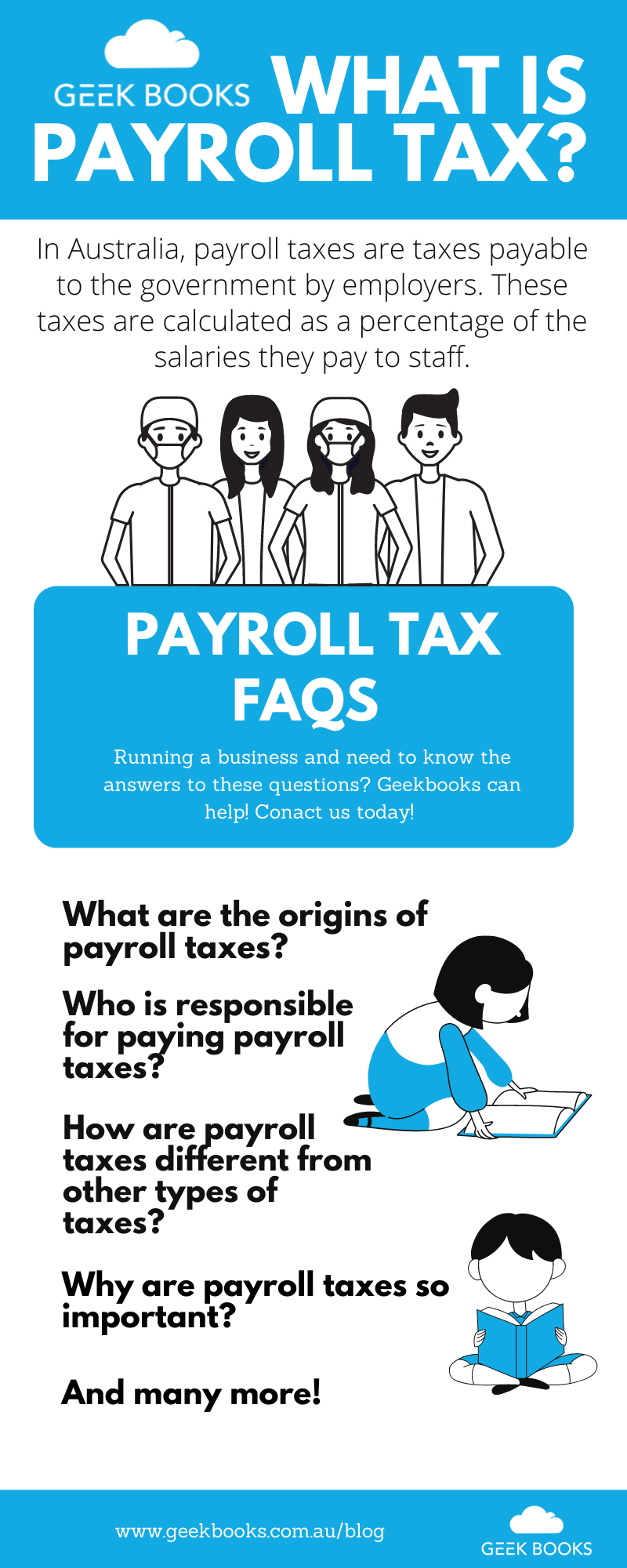
Payroll taxes are distinct from income tax, although often withheld from the same paycheck. These taxes are specifically dedicated to funding social insurance programs, primarily Social Security and Medicare in the United States. Both employees and employers contribute to these taxes. The employee’s portion is withheld from their wages, while the employer pays a matching portion. Social Security tax provides retirement benefits, disability income, and survivor benefits, while Medicare tax funds healthcare for the elderly and disabled. For self-employed individuals, these taxes are combined into what’s known as “self-employment tax,” requiring them to pay both the employer and employee portions. Understanding payroll taxes is critical for both workers to see what is deducted from their gross pay, and for employers who must manage significant additional costs beyond wages.
Corporate Tax
Corporate tax, also known as corporate income tax, is a tax levied on the profits of a corporation. Governments impose this tax on a company’s taxable income, which is its gross income minus allowable deductions for expenses. Corporate tax rates can vary significantly by country and jurisdiction, and they are a major source of government revenue. The structure of corporate tax can influence business investment decisions, international operations, and even consumer prices, as businesses may pass on tax costs through higher prices. Debates often rage over corporate tax rates, with arguments for lower rates to encourage investment and competitiveness versus higher rates to ensure corporations contribute their fair share to public services.
Excise Taxes
Excise taxes are specialized taxes levied on the manufacture, sale, or consumption of specific goods or services. Unlike sales tax, which is a general consumption tax, excise taxes target particular items, often those deemed harmful or luxurious, or those that generate specific public costs. Common examples include taxes on gasoline (to fund road maintenance), tobacco products, alcoholic beverages (“sin taxes”), and sometimes luxury goods or specific types of services. These taxes are typically included in the price of the product, often without being separately itemized, making them less visible to the consumer than sales tax. Excise taxes serve a dual purpose: raising revenue and discouraging consumption of the taxed items due to higher prices.
Capital Gains Tax
Capital gains tax is a tax on the profit realized from the sale of a non-inventory asset that was purchased at a lower price. This includes assets such as stocks, bonds, real estate, precious metals, and collectibles. The tax applies only when the asset is sold (realized gain), not while it is merely held and increasing in value (unrealized gain). The tax rate often depends on how long the asset was held: short-term capital gains (assets held for one year or less) are typically taxed at ordinary income tax rates, while long-term capital gains (assets held for more than one year) usually qualify for lower, preferential tax rates. This distinction significantly impacts investment strategies and plays a crucial role in personal finance and investment planning.
Navigating the Taxation Process: Key Concepts and Compliance
Successfully managing your tax obligations requires understanding not just the types of taxes, but also the practical aspects of how they are calculated, minimized, and paid. This involves grasping key concepts and adhering to compliance requirements.
Taxable Income and Deductions
Your taxable income is the portion of your gross income that is subject to taxation after certain adjustments and deductions. Gross income includes all earnings from wages, self-employment, investments, and other sources. However, not all of it is taxed. Deductions are expenses that can be subtracted from your gross income, thereby reducing your taxable income. Common deductions include contributions to traditional IRAs or 401(k)s, student loan interest, health savings account (HSA) contributions, and certain itemized deductions (like mortgage interest, state and local taxes, and medical expenses exceeding a certain threshold). The goal of maximizing eligible deductions is to lower your taxable income, which in turn reduces your overall tax liability. It is crucial to keep accurate records of all potential deductions.
Tax Credits vs. Deductions
While both deductions and tax credits reduce your tax burden, they do so in fundamentally different ways. A tax deduction reduces your taxable income. For example, a $1,000 deduction for someone in a 20% tax bracket would reduce their tax bill by $200 ($1,000 * 20%). A tax credit, on the other hand, directly reduces the amount of tax you owe, dollar for dollar. A $1,000 tax credit would reduce your tax bill by $1,000, regardless of your tax bracket. This makes tax credits generally more valuable than deductions. Examples of common tax credits include the Child Tax Credit, Earned Income Tax Credit, education credits, and credits for energy-efficient home improvements. Understanding the difference is vital for accurately calculating your tax liability and identifying opportunities for greater tax savings.
Filing Your Taxes: Methods and Deadlines
Filing your taxes involves submitting your tax return to the relevant government authority, detailing your income, deductions, credits, and calculated tax liability. Most individuals file annually, typically by April 15th in the United States. There are several methods for filing:
-
Self-filing: Using tax preparation software (e.g., TurboTax, H&R Block) or the IRS’s free file options for eligible taxpayers. This requires a good understanding of tax law.
-
Professional help: Engaging a tax professional (e.g., CPA, Enrolled Agent) to prepare and file your return. This can be beneficial for complex financial situations or simply for peace of mind.
-
Mail or E-file: Returns can be submitted electronically (e-file, generally faster for refunds and more secure) or by mailing paper forms.
Missing deadlines can result in penalties and interest charges, so it’s essential to be aware of the specific filing dates for your jurisdiction, including extensions if needed.
Withholding vs. Estimated Taxes
How your taxes are paid throughout the year depends on your income sources.
-
Withholding: For most employees, income tax, Social Security, and Medicare taxes are automatically withheld from each paycheck by their employer. The amount withheld is based on the information provided on Form W-4, which allows employees to adjust their withholding to match their expected tax liability.
-
Estimated Taxes: If you are self-employed, a freelancer, or have significant income from sources not subject to withholding (e.g., investments, rental income), you are typically required to pay estimated taxes quarterly. These payments are your responsibility to calculate and submit to the government by specific deadlines throughout the year. Failure to pay enough tax through withholding or estimated payments can result in underpayment penalties. Balancing withholding or making accurate estimated payments is crucial to avoid a large tax bill or penalties at year-end.
The Impact of Taxation on Personal and Business Finance
Taxes are not just an annual chore; they are a constant factor shaping financial decisions for both individuals and businesses. Their pervasive influence necessitates a strategic approach to financial planning.
Budgeting and Financial Planning
For individuals, taxes are one of the largest expenses, often exceeding housing or food costs. Therefore, effective personal budgeting and financial planning must comprehensively incorporate tax considerations. This means understanding your net income after all withholdings and planning expenses based on this figure. When making major financial decisions, such as buying a home, planning for retirement, or saving for education, the tax implications can significantly alter the true cost or benefit. For example, contributing to tax-advantaged retirement accounts like 401(k)s or IRAs can reduce current taxable income while allowing investments to grow tax-deferred. Ignoring taxes in your financial plan is akin to budgeting without accounting for a major utility bill – it will inevitably lead to shortfalls and missed opportunities.
Investment Decisions
Tax considerations are paramount in investment strategies. Different types of investments are taxed differently, influencing their after-tax returns.
-
Tax-advantaged accounts: Accounts like 401(k)s, IRAs, and HSAs offer tax benefits (e.g., tax-deferred growth, tax-free withdrawals in retirement) that can supercharge long-term wealth accumulation.
-
Capital Gains: As discussed, the distinction between short-term and long-term capital gains tax rates can heavily influence when investors decide to sell assets. “Tax-loss harvesting,” where investors sell losing investments to offset capital gains, is another strategy driven by tax rules.
-
Dividends and Interest: The income generated from investments like stocks (dividends) and bonds (interest) is also subject to different tax rates, which varies based on the type of dividend (qualified vs. non-qualified) and the bond issuer (e.g., municipal bonds often offer tax-exempt interest). Smart investors constantly evaluate the after-tax return of their portfolio, rather than just the gross return.
Business Operational Costs
For businesses, taxes are a substantial operational cost that impacts profitability, cash flow, and strategic decisions.
-
Corporate Tax: This directly reduces a company’s net profit. Businesses must plan for these payments, potentially setting aside funds quarterly.
-
Payroll Taxes: Employers pay a matching portion of Social Security and Medicare taxes, along with unemployment taxes, which add significantly to the cost of labor beyond wages.
-
Sales Tax Collection: Businesses acting as retailers must collect and remit sales taxes to the government, a compliance burden that requires meticulous record-keeping.
-
Property Taxes: For businesses owning real estate, property taxes are an ongoing overhead.
-
Excise Taxes: Businesses manufacturing or selling specific goods subject to excise taxes must factor these into their pricing and profit margins.
Understanding these costs is vital for accurate financial forecasting, pricing strategies, and ensuring the long-term viability and competitiveness of the business. Tax planning for businesses often involves complex strategies to maximize deductions, utilize credits, and structure operations in a tax-efficient manner.
Tax Avoidance vs. Tax Evasion
It is crucial to understand the critical distinction between tax avoidance and tax evasion.
-
Tax avoidance is the legal practice of minimizing one’s tax liability through legitimate means, leveraging deductions, credits, and tax-advantaged accounts and strategies permitted by tax law. This is actively encouraged by tax authorities and is a key component of prudent financial planning. Examples include contributing to a 401(k) to reduce taxable income, taking eligible deductions for business expenses, or investing in municipal bonds for tax-exempt interest.
-
Tax evasion, on the other hand, is the illegal act of deliberately misrepresenting or concealing income, assets, or financial information to avoid paying taxes that are legally owed. This includes activities such as underreporting income, overstating deductions, hiding assets, or fabricating expenses. Tax evasion carries severe penalties, including hefty fines, criminal charges, and imprisonment. Adhering to the law and distinguishing between these two concepts is paramount for anyone navigating the tax system.
Future Trends and Global Perspectives in Taxation
The world of taxation is not static; it continually evolves in response to economic shifts, technological advancements, and societal priorities. Keeping an eye on emerging trends is crucial for anticipating future financial landscapes.
Digital Economy Taxation
One of the most pressing challenges for tax authorities globally is how to tax the digital economy. Traditional tax rules were designed for a physical world, where businesses had a clear physical presence. The rise of multinational tech giants, e-commerce platforms, and remote work has blurred geographical boundaries, making it difficult to determine where economic activity takes place and, consequently, where taxes should be paid. Countries are grappling with questions of how to tax profits generated by digital services, particularly for companies with significant user bases but minimal physical presence in a jurisdiction. International efforts, such as those led by the OECD, are underway to develop global frameworks for taxing the digital economy, aiming for fairer distribution of tax revenues and preventing tax base erosion and profit shifting. This ongoing debate will shape how online businesses and digital services are taxed in the coming decades.
Environmental and “Sin” Taxes
There is a growing global trend towards using taxation as a tool to influence behavior for public good, particularly in environmental and health areas. Environmental taxes, or “green taxes,” aim to discourage activities that harm the environment. Examples include carbon taxes on fossil fuels, taxes on plastic bags, or levies on polluting industries. The revenue generated can then be used to fund environmental initiatives or simply serve as a disincentive. Similarly, “sin taxes” on products like tobacco, alcohol, and sugary drinks are seeing increased usage, not just for revenue generation but also as a public health measure to reduce consumption of items deemed detrimental to health. As societies become more conscious of climate change and public health crises, the use of such “nudging” taxes is likely to expand, impacting consumer prices and industry practices.
Tax Reform Debates
Tax reform is a perennial topic of debate in virtually every country. Discussions often revolve around several key themes:
-
Fairness: Should the wealthy pay a higher percentage of their income in taxes? How can the tax burden be distributed more equitably across different income groups and types of businesses?
-
Simplification: Many tax codes are incredibly complex, leading to compliance burdens and opportunities for loopholes. Calls for simplification aim to make tax laws easier to understand and adhere to, reducing administrative costs and fostering transparency.
-
Economic Impact: What is the optimal tax rate for corporations and individuals to stimulate economic growth, encourage investment, and create jobs? Debates often center on whether lower taxes always lead to greater prosperity or if government investment funded by higher taxes provides better returns.
-
International Competitiveness: Countries frequently adjust their corporate tax rates to attract businesses and prevent capital flight, leading to global competition in tax policy.
These debates reflect fundamental differences in economic philosophy and societal values, ensuring that tax systems will remain subject to periodic review, adjustment, and potential overhaul in the future.

Conclusion
Understanding “what is pay tax” is a foundational pillar of financial literacy and responsible citizenship. From funding the very infrastructure that supports our daily lives to shaping economic behavior and providing a crucial social safety net, taxes are an intricate and indispensable component of modern society. We’ve explored the diverse forms they take, from income and sales taxes to property and corporate taxes, each serving a specific purpose and impacting different facets of personal and business finance. Navigating the tax landscape requires a clear understanding of concepts like taxable income, deductions, and credits, as well as adherence to filing requirements and deadlines.
Beyond mere compliance, a strategic approach to taxation—one that distinguishes between legal tax avoidance and illegal tax evasion—can significantly enhance personal wealth and business profitability. As economies evolve, particularly with the advent of the digital age and growing environmental concerns, tax systems will continue to adapt, presenting new challenges and opportunities. By staying informed, engaging in meticulous record-keeping, and seeking professional advice when needed, individuals and businesses can confidently manage their tax obligations, contribute to the collective good, and secure their financial well-being in an ever-changing fiscal environment. Taxes are not merely a burden; they are an investment in the collective future, and understanding them empowers us to make better financial decisions and participate more fully in the democratic process that shapes our economic destiny.
aViewFromTheCave is a participant in the Amazon Services LLC Associates Program, an affiliate advertising program designed to provide a means for sites to earn advertising fees by advertising and linking to Amazon.com. Amazon, the Amazon logo, AmazonSupply, and the AmazonSupply logo are trademarks of Amazon.com, Inc. or its affiliates. As an Amazon Associate we earn affiliate commissions from qualifying purchases.