
In the vast and ever-evolving landscape of digital commerce, the term “Stripe payment” has become synonymous with seamless, secure, and technologically advanced online transactions. At its core, a Stripe payment is a financial transaction facilitated by Stripe, a leading technology company that provides payment processing software and application programming interfaces (APIs) for businesses of all sizes. Far from being just another payment gateway, Stripe has carved out a niche as a developer-friendly platform that underpins the digital economies of millions of companies worldwide, from burgeoning startups to established enterprises. Understanding what constitutes a Stripe payment requires a deep dive into the technological infrastructure, security protocols, and innovative features that define this global payment giant.
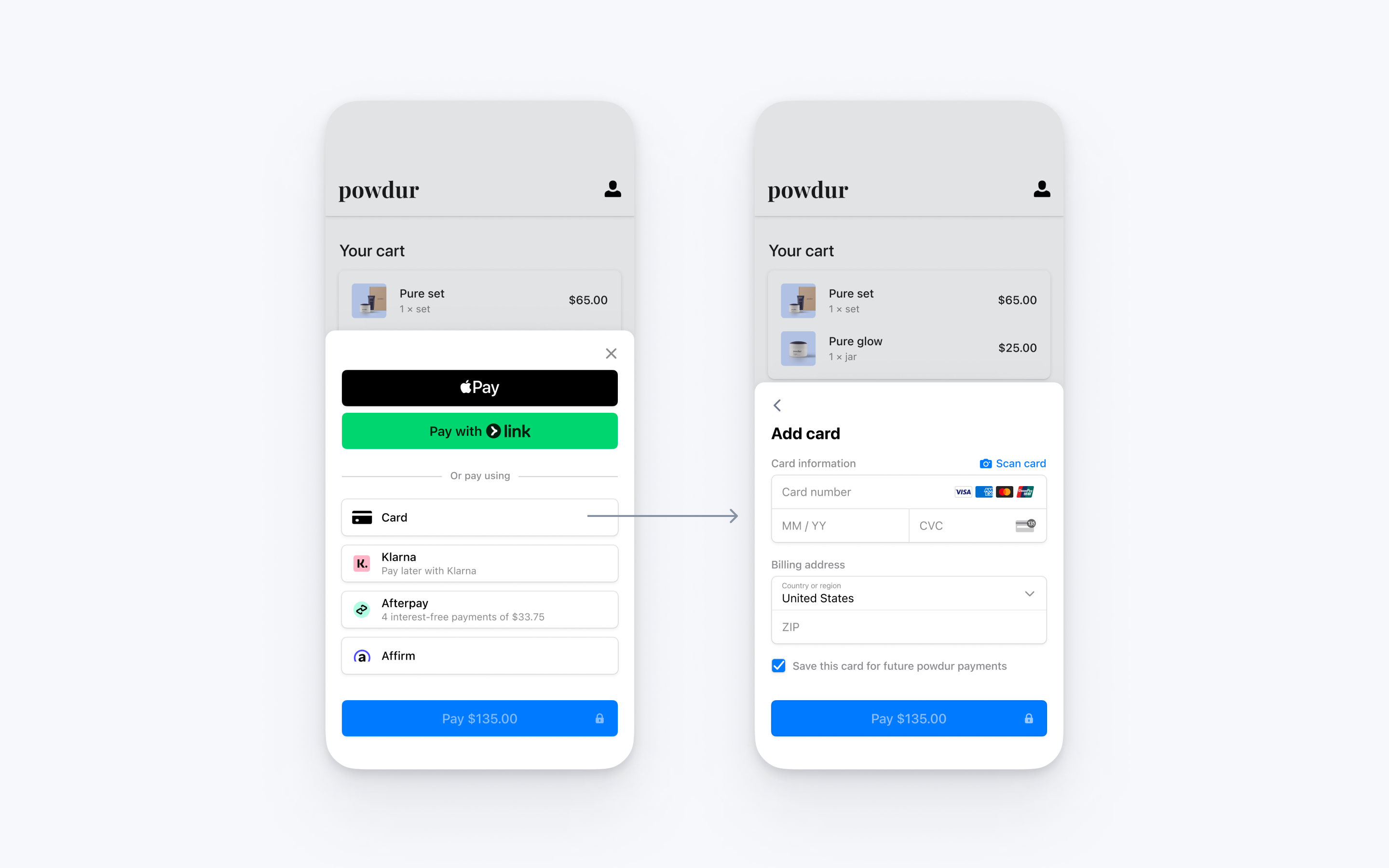
A Stripe payment isn’t merely the act of transferring funds from a customer to a business; it’s the culmination of a sophisticated software suite designed to handle every facet of the transaction lifecycle. This includes accepting a wide array of payment methods, managing recurring billing, preventing fraud, and ensuring regulatory compliance across diverse international markets. The platform’s commitment to robust technology, combined with its focus on developer accessibility, has made it a preferred choice for businesses looking to integrate powerful payment capabilities directly into their websites, mobile applications, and internal systems without the need for extensive in-house financial technology expertise.
The Technological Core of Stripe Payments
Stripe’s ascendancy in the digital payment space is fundamentally rooted in its superior technological architecture. Unlike traditional payment processors that often rely on legacy systems, Stripe was built from the ground up for the internet age, embracing a modern software-as-a-service (SaaS) model and a developer-first approach. This foundation enables businesses to abstract away the complexities of payment processing, allowing them to focus on their core products and services.
APIs and Developer-First Approach
The hallmark of Stripe’s technological prowess is its comprehensive suite of APIs. These powerful interfaces allow developers to integrate Stripe’s payment functionalities directly into virtually any application or platform with remarkable flexibility. Stripe provides well-documented, clean, and consistent APIs for everything from accepting credit card payments and managing customer information to handling subscriptions, issuing refunds, and processing payouts. This developer-centric philosophy means that businesses aren’t confined to a rigid, pre-packaged solution but can custom-build payment experiences that perfectly align with their brand and operational needs. The ease of integration, coupled with extensive SDKs (Software Development Kits) for various programming languages (e.g., Python, Ruby, Java, Node.js, PHP), significantly reduces the technical overhead traditionally associated with setting up online payment processing. For developers, this translates into faster implementation cycles, greater control, and the ability to innovate on top of a reliable payment infrastructure.
Global Payment Infrastructure
Processing a “Stripe payment” often means facilitating a transaction that might span continents and involve multiple currencies, banking systems, and regulatory frameworks. Stripe’s global payment infrastructure is a marvel of distributed systems and intelligent routing. It acts as an intermediary, connecting businesses to local payment networks and banking partners worldwide. This global reach means that a business in the United States can accept payments from a customer in Japan in Japanese Yen, with Stripe handling the currency conversion, local payment methods (like iDEAL in the Netherlands or SEPA Direct Debit in Europe), and compliance requirements seamlessly. The underlying technology dynamically optimizes transaction routing to minimize latency and maximize success rates, leveraging machine learning to adapt to real-time network conditions. This global backbone is critical for businesses aiming to expand their market reach without having to establish separate banking relationships or navigate complex local payment regulations in each new territory.
Software as a Service (SaaS) Model
Stripe operates on a pure SaaS model, meaning businesses access its powerful payment processing capabilities through a cloud-based service rather than having to install and maintain complex software on their own servers. This model offers several significant technological advantages. Firstly, it ensures that all users benefit from continuous updates, security patches, and new features without manual intervention. Stripe constantly iterates on its platform, pushing out improvements that enhance performance, introduce new payment methods, and bolster security. Secondly, the SaaS model provides unparalleled scalability. As a business grows and transaction volumes increase, Stripe’s cloud infrastructure can effortlessly handle the expanded load without requiring any additional investment in hardware or software licensing from the business itself. This elasticity is crucial for modern digital businesses that often experience unpredictable spikes in demand.
Secure and Compliant Transaction Processing
Security and compliance are non-negotiable pillars of any payment system, and Stripe payments are engineered with these principles at their core. The platform employs a multi-layered approach to protect sensitive data, prevent fraud, and adhere to stringent global financial regulations, ensuring trust and integrity in every transaction.
Advanced Fraud Detection and Machine Learning
A significant component of Stripe’s technological offering is its sophisticated fraud detection system, Stripe Radar. This feature leverages advanced machine learning algorithms to analyze every transaction in real-time for patterns indicative of fraudulent activity. Unlike rule-based systems, Radar continuously learns from global transaction data across millions of businesses, allowing it to adapt to new fraud tactics as they emerge. It scrutinizes hundreds of signals for each transaction, including IP addresses, device fingerprints, shipping addresses, and customer behavior, to assign a risk score. Businesses can then configure rules to automatically block high-risk payments or flag them for manual review, significantly reducing chargebacks and financial losses. This proactive, AI-driven approach to security is a testament to Stripe’s commitment to protecting both businesses and their customers from evolving cyber threats.
Data Encryption and PCI DSS Compliance
Protecting sensitive cardholder data is paramount. Stripe payments are processed through a system that adheres to the highest industry standards for data security. All payment information, such as credit card numbers, is encrypted at rest and in transit using strong cryptographic protocols. Furthermore, Stripe is certified as a PCI Service Provider Level 1, the most stringent level of certification available in the payment industry. This means that Stripe undergoes rigorous annual audits to ensure it meets the Payment Card Industry Data Security Standard (PCI DSS) requirements, which are a global standard for organizations that handle credit card and debit card information. By handling the complexities of PCI compliance on behalf of its users, Stripe greatly reduces the burden on businesses, allowing them to accept payments securely without having to directly manage the intricate technical requirements of securing card data themselves.
Regulatory Adherence and Global Standards
Navigating the labyrinth of international financial regulations is a formidable challenge for any global business. Stripe’s technology is designed to manage this complexity, ensuring that every payment processed through its platform complies with relevant local and international laws. This includes adherence to anti-money laundering (AML) directives, know-your-customer (KYC) requirements, and data privacy regulations like GDPR in Europe. Stripe continuously monitors the regulatory landscape across the more than 135 countries where it operates, updating its systems and processes to remain compliant. This technological vigilance helps businesses avoid costly fines, reputational damage, and operational disruptions that can arise from non-compliance. The platform also offers robust reporting and auditing tools that assist businesses in meeting their own financial reporting and regulatory obligations.
Beyond Basic Transactions: Value-Added Tech Features
While core payment processing is Stripe’s foundation, the platform extends its technological capabilities far beyond simple transaction facilitation. It offers a suite of advanced features designed to streamline operations, enhance customer experiences, and provide deeper insights, all built on its flexible API architecture.
Subscription Billing and Recurring Payments
For businesses built on recurring revenue models, such as SaaS companies, streaming services, or membership sites, Stripe Billing is an indispensable technological tool. It allows businesses to easily set up, manage, and automate subscription plans, recurring invoices, and usage-based billing. The system handles complex scenarios like tiered pricing, prorations, free trials, and discounts, all through a configurable API. This automation significantly reduces the manual effort involved in managing subscriptions, minimizes revenue leakage from failed payments through smart retry logic (dunning), and provides granular control over the customer billing lifecycle. It transforms what would otherwise be a complex, error-prone manual process into an efficient, automated workflow powered by intelligent software.
Customization and White-Label Solutions
Stripe’s flexible architecture allows businesses to maintain their brand identity throughout the payment process. Instead of redirecting customers to a generic third-party page, Stripe’s “Elements” and “Checkout” solutions provide embeddable UI components that can be customized to match a business’s website or app design. This white-label capability ensures a consistent and seamless brand experience for the customer, fostering trust and reducing abandonment rates. Developers can fine-tune the look and feel of payment forms, choose specific payment methods to display, and control the entire user journey, all while leveraging Stripe’s underlying secure infrastructure. This level of customization through modular technological components is a significant advantage over less flexible payment solutions.
Integrated Reporting and Analytics Tools
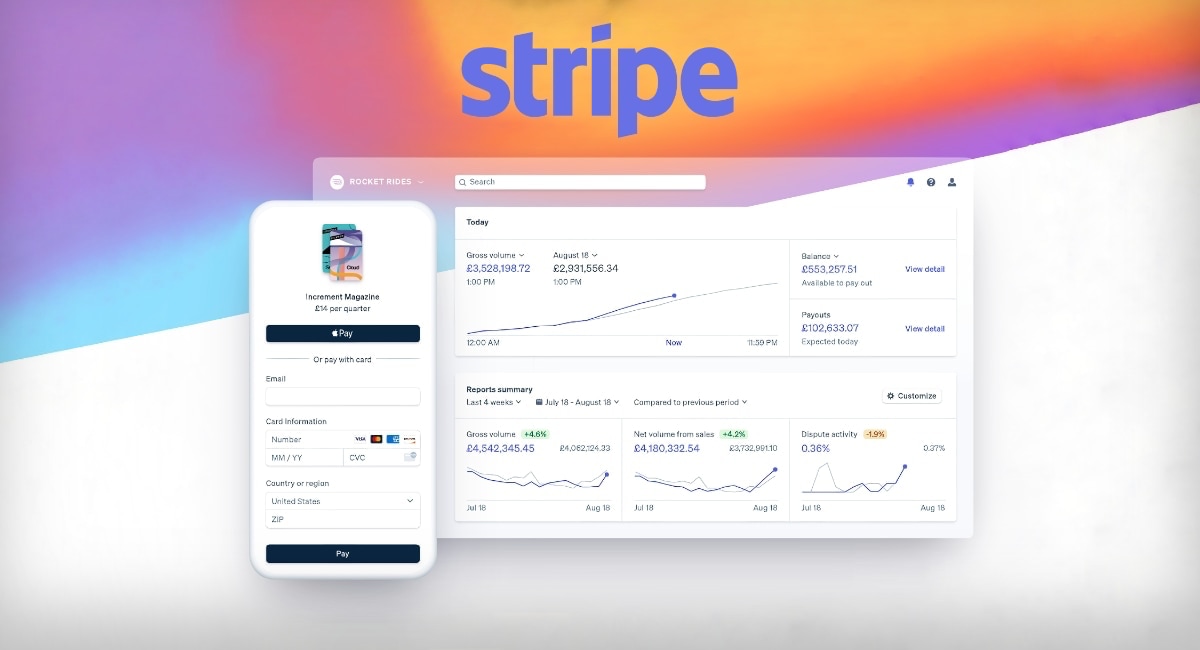
Understanding payment data is crucial for optimizing business operations. Stripe provides powerful, integrated reporting and analytics tools directly within its Dashboard and via its API. Businesses can access real-time data on transactions, revenue trends, customer segments, chargeback rates, and more. The platform’s Sigma product, built on a data warehouse, allows for custom SQL queries on payment data, enabling deep analytical insights without requiring separate data warehousing solutions. This technological capability empowers businesses to make data-driven decisions, identify growth opportunities, and pinpoint areas for efficiency improvements, transforming raw transaction data into actionable business intelligence.
Ease of Integration and Ecosystem Expansion
Stripe’s philosophy revolves around making powerful financial technology accessible and easy to integrate, fostering a vibrant ecosystem that extends its utility even further.
Diverse Integration Options and SDKs
From simple embeddable forms to direct API integrations, Stripe offers a spectrum of integration options catering to varying technical capabilities and business needs. Its client-side SDKs for web (Stripe.js) and mobile (iOS, Android) provide secure tokenization of card details, ensuring sensitive data never touches the merchant’s servers. Server-side SDKs abstract away complex API calls, simplifying development across multiple programming languages. For businesses using popular e-commerce platforms like Shopify, WooCommerce, or Squarespace, Stripe provides ready-made plugins and extensions that enable payment acceptance with minimal setup. This versatility ensures that businesses can choose the integration method that best suits their technical resources and strategic objectives, significantly lowering the barrier to entry for robust payment processing.
Partner Ecosystem and Third-Party Apps
Stripe recognizes that payments are often part of a larger business workflow. To that end, it has cultivated a rich partner ecosystem and marketplace of third-party applications. These integrations span across accounting software (e.g., Xero, QuickBooks), CRM systems (e.g., Salesforce), marketing automation platforms, and other business-critical tools. The ability to seamlessly connect Stripe payment data with other operational systems through pre-built integrations or custom API hooks creates a unified technological stack. This reduces data silos, automates workflows, and provides a holistic view of business performance, making Stripe payments an integral part of a company’s broader digital infrastructure.
Future-Proofing with Continuous Innovation
The digital payment landscape is in constant flux, with new payment methods, security threats, and regulatory changes emerging regularly. Stripe’s commitment to continuous innovation means its platform is constantly evolving. It routinely introduces support for new payment technologies, such as digital wallets (Apple Pay, Google Pay), instant payment networks, and emerging local payment methods. This proactive approach ensures that businesses using Stripe are always equipped with cutting-edge capabilities, allowing them to remain competitive and adapt to future payment trends without needing to re-engineer their entire payment system. This forward-looking technological development is a key reason why “what is a Stripe payment” is not a static definition but one that grows with the pace of digital innovation.
The Impact on Digital Commerce and Business Growth
Ultimately, a Stripe payment is more than just a transaction; it’s an enabler of digital commerce and a catalyst for business growth, driven by its underlying technology. By abstracting the complexity of financial infrastructure, Stripe empowers businesses to thrive in the online world.
Empowering Online Businesses of All Sizes
Stripe’s technological accessibility levels the playing field, allowing even the smallest startups to offer professional and secure payment experiences that rival those of large enterprises. Its ease of use, transparent pricing, and robust feature set remove significant technical and financial barriers that once limited online business growth. From sole proprietors selling digital goods to high-growth tech companies, Stripe’s scalable platform provides the same powerful payment tools, fostering innovation and entrepreneurship across the digital economy. The focus on software and developer tools means businesses can implement sophisticated payment logic without needing an army of in-house financial engineers.
Accelerating Global Market Access
For businesses with global ambitions, Stripe’s extensive international payment infrastructure is a game-changer. It provides the technological framework to accept payments from customers virtually anywhere in the world, in their preferred currency and payment method, without requiring businesses to establish local entities or complex banking relationships. This technological bridge to global markets significantly accelerates expansion plans, reduces operational complexities, and unlocks new revenue streams for businesses seeking international growth. The platform handles the intricate technical details of cross-border transactions, from compliance to currency conversion, allowing businesses to focus on marketing and sales.

The Future of Digital Payments Powered by Tech
Looking ahead, the definition of a “Stripe payment” will continue to expand as payment technology evolves. Stripe is at the forefront of exploring new frontiers like embedded finance, open banking, and crypto payments, constantly integrating these nascent technologies into its platform. Its robust API-driven approach means it can quickly adapt to and incorporate these innovations, ensuring that businesses using Stripe are always equipped with the most advanced tools. Thus, “what is a Stripe payment” will increasingly refer to any transaction powered by a sophisticated, adaptable, and forward-thinking technological ecosystem that is constantly redefining the possibilities of digital commerce.
In conclusion, a Stripe payment is a technologically advanced, secure, and globally compliant online transaction processed through Stripe’s powerful software and API infrastructure. It represents a paradigm shift from traditional, often cumbersome, payment processing methods to a developer-friendly, scalable, and intelligent system designed for the modern digital economy. By providing businesses with a comprehensive suite of tools for accepting payments, managing subscriptions, preventing fraud, and analyzing data, Stripe has not only simplified the act of making and receiving payments but has fundamentally transformed how businesses operate and grow in the digital age.
aViewFromTheCave is a participant in the Amazon Services LLC Associates Program, an affiliate advertising program designed to provide a means for sites to earn advertising fees by advertising and linking to Amazon.com. Amazon, the Amazon logo, AmazonSupply, and the AmazonSupply logo are trademarks of Amazon.com, Inc. or its affiliates. As an Amazon Associate we earn affiliate commissions from qualifying purchases.