
The Internal Revenue Service (IRS) is often perceived as a formidable and complex entity, a necessary but sometimes intimidating part of financial life in the United States. For individuals and businesses alike, understanding the IRS’s role is not just about compliance; it’s about navigating the financial landscape effectively, ensuring economic stability, and contributing to the nation’s collective well-being. Far from being merely a tax collector, the IRS is a multi-faceted agency that underpins the entire federal financial system, influencing everything from personal savings to national infrastructure projects.
At its core, the IRS is the U.S. government agency responsible for collecting taxes and administering the Internal Revenue Code. This mandate is broad, encompassing the development and enforcement of tax laws, providing taxpayer services, and investigating financial crimes. Without the consistent and effective operation of the IRS, the federal government would struggle to fund essential services, from national defense and public health to education and social security. This article will delve into the comprehensive functions of the IRS, demystifying its operations and highlighting its critical importance to the financial health of the nation and its citizens.

The Core Mission: Administering the Nation’s Tax Laws
The foundational purpose of the IRS is deeply rooted in the U.S. Constitution, which grants Congress the power to lay and collect taxes. The IRS acts as the executive arm of this power, translating legislative intent into actionable financial processes. This core mission is not monolithic; it involves several intricate components that work in tandem to ensure the smooth functioning of the tax system.
Collection of Revenue
Perhaps the most recognized function of the IRS is the collection of revenue. This involves processing billions of tax returns annually from individuals, corporations, partnerships, and other entities. The revenue collected through various taxes – including income tax, corporate tax, estate tax, and gift tax – constitutes the vast majority of the federal budget. This money is indispensable for funding governmental operations, public services, and federal programs.
The process of revenue collection is highly sophisticated, involving secure digital filing systems, payment processing infrastructure, and extensive data management. The IRS ensures that payments are accurately recorded, funds are directed to the Treasury, and taxpayers receive proper credit for their contributions. This enormous undertaking requires constant vigilance against fraud and error, ensuring the integrity of the financial system.
Enforcement of Tax Compliance
Beyond simply collecting taxes, the IRS is tasked with ensuring compliance with tax laws. This isn’t merely about penalizing those who fail to comply; it’s about fostering a system where the vast majority of taxpayers willingly and accurately fulfill their obligations. Compliance enforcement involves a spectrum of activities, from providing clear guidelines and educational materials to conducting audits and imposing penalties for non-compliance.
The goal of compliance enforcement is to maintain fairness and trust in the tax system. If some individuals or businesses evade taxes, it places an unfair burden on those who comply. The IRS employs various strategies to detect non-compliance, including data analytics, third-party reporting requirements (like W-2s and 1099s), and public outreach campaigns that clarify tax obligations. This vigilance helps to ensure that everyone contributes their fair share, preventing significant revenue loss that could impact public services.
Interpreting Tax Code
The Internal Revenue Code is an incredibly complex body of law, constantly evolving with new legislation, court rulings, and economic changes. A critical, albeit less visible, function of the IRS is to interpret this intricate code and translate it into practical guidance for taxpayers and tax professionals. This involves issuing a multitude of publications, regulations, revenue rulings, and notices that clarify how specific laws apply to different situations.
This interpretive role is crucial for financial planning. Taxpayers, accountants, and financial advisors rely on IRS guidance to make informed decisions about income, investments, deductions, and credits. Without consistent and clear interpretations, the tax system would descend into chaos, making financial planning impossible and increasing the likelihood of unintentional non-compliance. The IRS also plays a role in drafting proposed regulations, working closely with the Treasury Department to implement new tax laws passed by Congress.
Services for Taxpayers: Guidance and Support
While the enforcement aspect often gets the most attention, a significant portion of the IRS’s efforts is dedicated to assisting taxpayers. The agency recognizes that navigating the tax system can be daunting, and providing accessible resources and support is key to fostering compliance and reducing taxpayer burden. These services are vital for ensuring that individuals and businesses can understand their obligations and take advantage of available benefits.
Taxpayer Assistance and Education
The IRS offers a wide array of assistance and educational resources designed to help taxpayers understand their responsibilities and rights. This includes a comprehensive website (IRS.gov) with detailed guides, FAQs, and forms. Taxpayers can also access assistance through telephone helplines, local Taxpayer Assistance Centers (TACs), and volunteer programs like the Volunteer Income Tax Assistance (VITA) and Tax Counseling for the Elderly (TCE) programs.
These services cover everything from basic filing instructions and understanding tax credits to more complex issues related to business taxes or international taxation. By providing robust educational resources, the IRS aims to empower taxpayers, reduce errors, and ensure that individuals and businesses can confidently meet their tax obligations. This proactive approach helps to prevent issues before they arise, benefiting both the taxpayer and the government.
Digital Tools and Resources
In the modern financial landscape, digital tools are indispensable, and the IRS has invested heavily in technology to streamline tax processes. The agency provides a suite of online tools, including “Where’s My Refund?”, online payment options, and the ability to view tax account information. Free File software, offered through a partnership with tax preparation companies, allows eligible taxpayers to file their federal taxes for free.
These digital resources not only enhance convenience for taxpayers but also improve efficiency for the IRS. They reduce processing times, minimize paper waste, and provide secure channels for sensitive financial data. The continuous development of these tools reflects the IRS’s commitment to modernizing its operations and adapting to the evolving digital habits of taxpayers, making tax compliance more accessible and less burdensome.
Refunds and Credits
Beyond collecting taxes, the IRS is also responsible for issuing billions of dollars in tax refunds and administering various tax credits. Refunds occur when taxpayers have overpaid their tax liability, often through withholding from paychecks or estimated payments. Tax credits, such as the Earned Income Tax Credit (EITC), Child Tax Credit, and education credits, are designed to provide financial relief or incentives to eligible taxpayers, often serving as critical components of social and economic policy.
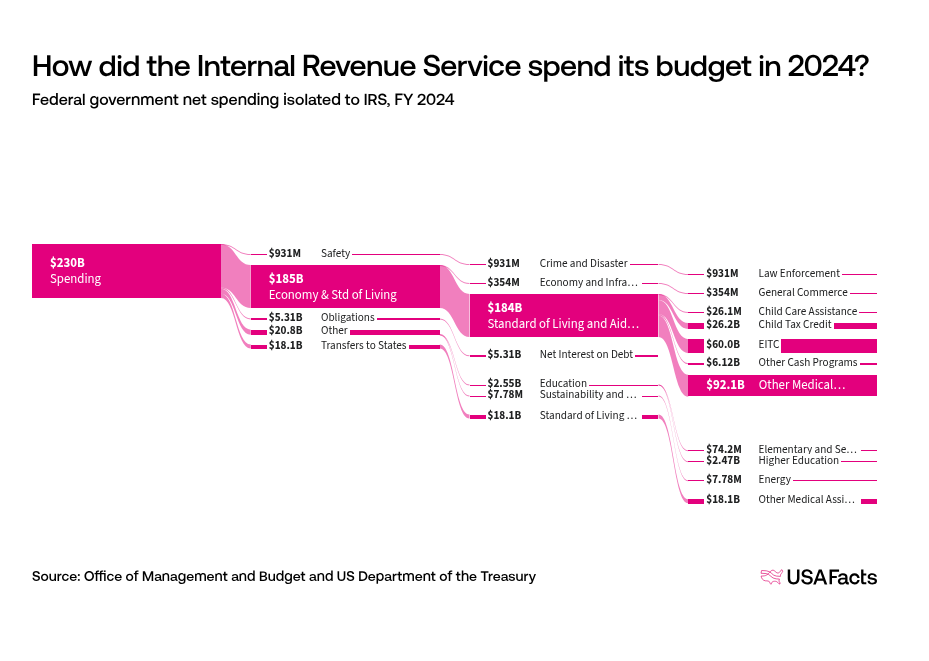
The accurate and timely processing of refunds and credits is a massive logistical undertaking, requiring robust verification processes to prevent fraud while ensuring legitimate payments reach taxpayers. These financial mechanisms can significantly impact personal finance, providing crucial funds for families and individuals, stimulating local economies, and achieving specific policy objectives. The IRS’s role here demonstrates its function not just as a revenue collector, but also as a key administrator of social and economic benefits.
Ensuring Fair Play: Audit, Appeals, and Enforcement
While taxpayer services aim to guide and support, the IRS also maintains a robust enforcement arm to address non-compliance and maintain the integrity of the tax system. This includes audits, a formal appeals process for taxpayers, and rigorous investigations into tax fraud and evasion. These functions are critical for ensuring fairness and deterring illegal activities that undermine the financial health of the nation.
The Audit Process: Why and How
An audit is a review of an individual’s or organization’s accounts and financial information to ensure information is reported correctly according to tax laws and to verify the amount of tax reported is correct. While the word “audit” can evoke anxiety, it’s important to understand that most audits are resolved without significant issues. The IRS selects returns for audit based on various factors, including mathematical errors, discrepancies with third-party information (like W-2s), or specific deductions that may raise flags.
The audit process typically begins with a letter from the IRS. It can range from a simple correspondence audit (asking for clarification on a few items) to a more comprehensive field audit (requiring an IRS agent to visit a taxpayer’s home or business). During an audit, taxpayers have the right to representation and to present documentation supporting their tax return. The goal is to determine the correct tax liability, not necessarily to penalize.
Taxpayer Rights and Appeals
Crucially, the IRS operates under a Taxpayer Bill of Rights, which outlines the fundamental rights every taxpayer has in their dealings with the agency. These include the right to be informed, the right to quality service, the right to pay no more than the correct amount of tax, the right to challenge the IRS’s position and be heard, and the right to an appeal, among others.
If a taxpayer disagrees with the findings of an audit, they have the right to appeal the decision within the IRS’s Independent Office of Appeals. This office is separate from the IRS division that conducted the audit, ensuring an impartial review. If an agreement cannot be reached at the appeals level, taxpayers have the option to pursue their case in Tax Court. This multi-layered appeals process is a vital safeguard, ensuring due process and protecting taxpayers from arbitrary decisions.
Investigating Tax Fraud and Evasion
Beyond routine audits, the IRS’s Criminal Investigation (CI) division is responsible for investigating serious tax crimes, including tax fraud, evasion, and money laundering. These investigations often involve complex financial schemes and can lead to criminal prosecutions, substantial fines, and imprisonment. CI works closely with other law enforcement agencies, both domestic and international, to dismantle criminal networks that exploit the financial system.
This enforcement arm is critical for maintaining public trust and deterring large-scale illicit financial activities. While the vast majority of taxpayers comply with tax laws, the threat of criminal prosecution for severe violations serves as a powerful deterrent. By vigorously pursuing those who deliberately defraud the system, the IRS safeguards the integrity of the tax base and ensures that the financial burdens are not disproportionately shifted to honest taxpayers.
Economic Impact and Future Outlook
The IRS’s functions extend far beyond the direct collection and enforcement of taxes; its operations have profound implications for the national economy and the daily financial lives of Americans. Understanding these broader impacts, and the challenges the agency faces, provides a more complete picture of its essential role.
Funding Government Operations
As previously mentioned, the revenue collected by the IRS is the lifeblood of the federal government. It funds everything from national defense, scientific research, and infrastructure projects to social security, Medicare, and public education. Without this consistent influx of funds, the government would be unable to maintain essential services, invest in future growth, or meet its obligations to citizens. The efficiency and effectiveness of the IRS directly correlate with the government’s capacity to operate and respond to national needs, directly influencing economic stability and quality of life.
Adapting to a Digital Economy
The global economy is rapidly digitizing, with new forms of income, transactions, and financial assets (like cryptocurrencies) emerging constantly. The IRS faces the ongoing challenge of adapting its policies, enforcement mechanisms, and taxpayer services to this evolving digital landscape. This involves developing new regulations, updating technology infrastructure, and educating both taxpayers and its own workforce on how to navigate these complex new financial frontiers. Successfully integrating digital financial phenomena into the tax system is crucial for ensuring continued revenue collection and maintaining fairness in taxation.
Ongoing Modernization Efforts
For decades, the IRS has faced challenges related to underfunding and an aging IT infrastructure, impacting its ability to provide optimal services and enforce compliance effectively. Recognizing these issues, there have been significant efforts towards modernization. Recent legislative initiatives, such as the Inflation Reduction Act, have allocated substantial funds to the IRS to improve taxpayer services, upgrade technology, and enhance enforcement capabilities.
These modernization efforts aim to transform the IRS into a more taxpayer-friendly, efficient, and technologically advanced agency. This includes improving phone and in-person assistance, accelerating the processing of returns and refunds, and strengthening cybersecurity. A modernized IRS means better financial tools for taxpayers, more efficient allocation of resources, and ultimately, a more robust and equitable financial system for the entire nation.
Conclusion
The IRS is an indispensable institution at the heart of the U.S. financial system. Its role extends far beyond merely collecting taxes; it administers a complex body of law, provides critical services and guidance to millions of taxpayers, ensures compliance through a balanced approach of education and enforcement, and adapts to the ever-changing economic landscape. From funding national priorities to facilitating personal financial planning, the IRS’s functions are foundational to the economic stability and well-being of the United States.
While often viewed with apprehension, understanding “what the IRS does” reveals an agency that is vital for the operation of government, the fairness of the financial system, and the empowerment of taxpayers to meet their obligations and claim their due benefits. As the economy continues to evolve, the IRS’s ongoing modernization efforts will be key to ensuring it remains an effective, equitable, and essential component of the nation’s financial future.
aViewFromTheCave is a participant in the Amazon Services LLC Associates Program, an affiliate advertising program designed to provide a means for sites to earn advertising fees by advertising and linking to Amazon.com. Amazon, the Amazon logo, AmazonSupply, and the AmazonSupply logo are trademarks of Amazon.com, Inc. or its affiliates. As an Amazon Associate we earn affiliate commissions from qualifying purchases.