
In an increasingly digital financial landscape, the act of mailing a physical check might seem antiquated. Yet, for many taxpayers and businesses, sending a check to the Internal Revenue Service (IRS) remains a necessary and often preferred method for fulfilling tax obligations. Whether you’re paying a balance due, making estimated tax payments, or settling a notice, understanding the precise steps involved is crucial to ensure your payment is processed correctly, avoiding penalties, and maintaining sound financial records. This guide demystifies the process, offering professional insights into every aspect of mailing your tax payment to the IRS.

Why You Might Need to Mail a Check to the IRS
While the IRS heavily promotes electronic payment options, there are several compelling reasons why you might find yourself needing to physically mail a check. Understanding these scenarios is the first step in responsible tax management.
Understanding Your Tax Obligations
Every individual and business operating within the U.S. tax system has a responsibility to accurately calculate and timely pay their tax liabilities. This includes income tax, self-employment tax, capital gains tax, and various other levies. When your tax calculations indicate an amount due that hasn’t been covered by withholdings or previous payments, a payment must be made to the IRS. Ignoring these obligations can lead to significant penalties and interest, impacting your overall financial health. For those who prefer a tangible record or lack consistent access to secure internet connections for electronic transactions, a mailed check provides a reliable alternative.
Scenarios Requiring Mailed Payments
A physical check payment isn’t limited to just your annual tax return balance due. There are several other common scenarios:
-
Balance Due with Your Tax Return: This is perhaps the most common reason. If, after filing your Form 1040, Form 1120, or other relevant tax return, you owe additional taxes, you might choose to mail a check. This payment should typically be accompanied by a payment voucher (like Form 1040-V for individuals).
-
Estimated Tax Payments: Self-employed individuals, retirees, investors, and those with significant income not subject to withholding often need to make quarterly estimated tax payments (using Form 1040-ES vouchers). These payments help prevent a large tax bill and potential underpayment penalties at year-end.
-
Amended Returns or Notices: If you file an amended tax return (e.g., Form 1040-X) that results in additional tax owed, or if you receive a notice from the IRS assessing additional tax, you may need to send a check.
-
No Electronic Payment Option: In some specific or rare cases, an electronic payment option might not be readily available for a particular type of tax or a specific IRS notice, making a check the only viable method.
-
Preference for Traditional Methods: Many individuals and businesses simply prefer the tangible record and control offered by writing and mailing a check, especially for large sums, as it often integrates better with their existing accounting practices or personal financial management habits.
Advantages and Disadvantages of Check Payments
Opting for a check payment carries both benefits and drawbacks from a financial management perspective. On the advantage side, checks provide a clear paper trail, a physical copy for your records, and can often be integrated seamlessly with existing budgeting and accounting software. It also avoids potential issues with online portals, such as technical glitches or security concerns, for those who are less tech-savvy.
However, disadvantages include slower processing times, the potential for mail delays or loss, and the inherent lack of immediate confirmation that an electronic payment offers. There’s also the need for precision in addressing and documentation, as errors can lead to processing delays or misapplication of your payment, resulting in unnecessary penalties or complications with your financial standing. Weighing these factors is essential when deciding your payment method.
Preparing Your Check Correctly for the IRS
The accuracy of your check and accompanying documentation is paramount. Even a minor error can cause your payment to be misapplied, delayed, or even returned, potentially leading to penalties and interest. Precision in this step is a cornerstone of responsible financial management.
Essential Information to Include
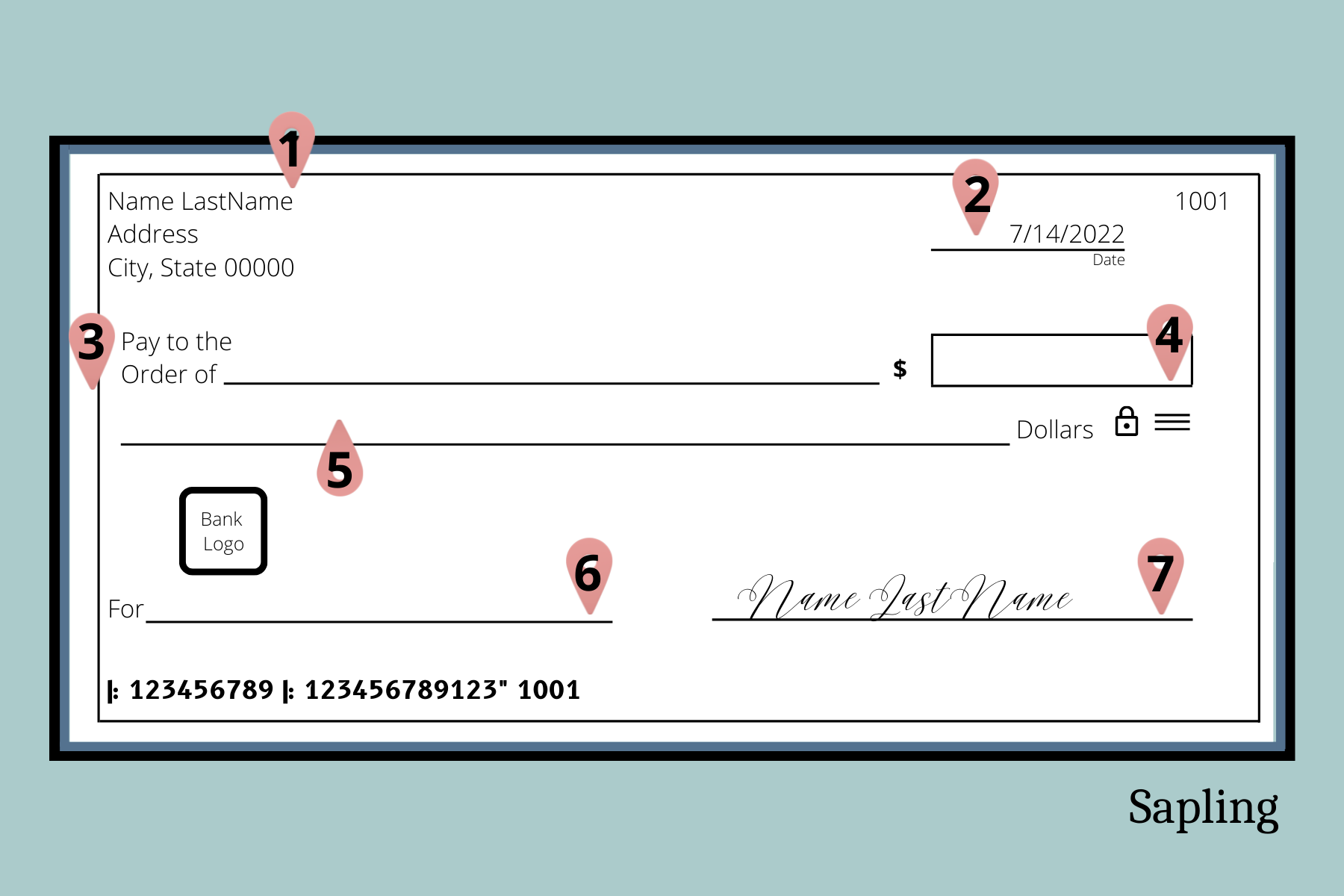
When writing a check payable to the IRS, ensure every detail is correct and legible:
-
Payee: Make the check payable to “United States Treasury.” Do not use “IRS,” “Internal Revenue Service,” or any other variation. This is a common mistake that can cause delays.
-
Amount: Write the numerical amount clearly in the designated box and the written amount clearly on the line. Ensure they match exactly. Discrepancies can lead to the check being returned.
-
Date: Date the check with the current date, or a future date if you are post-dating it to be processed closer to the tax deadline. However, be aware that the IRS processes payments upon receipt, not necessarily the check date.
-
Signature: Sign the check exactly as your signature appears on your bank records. Unsigned checks will not be processed.
The Critical Memo Line: What to Write and Why
The memo line on your check is not just an optional field; it’s a critical piece of information that helps the IRS correctly apply your payment. Without proper identification, your payment could be delayed or misapplied, creating significant financial headaches. Always include the following three pieces of information, in this order:
-
Your Taxpayer Identification Number (TIN): For individuals, this is your Social Security Number (SSN). For businesses, it’s your Employer Identification Number (EIN). If you are filing a joint return, use the SSN of the primary taxpayer listed first on the return.
-
The Tax Year: Specify the year for which the payment is being made (e.g., “2023”). This is crucial, especially for estimated tax payments or payments for prior years.
-
The Related Tax Form or Notice Number: Indicate the form associated with the payment (e.g., “Form 1040,” “Form 1040-ES,” “Form 4868,” “Form 1040-X”). If you are responding to an IRS notice, write the notice number (e.g., “Notice CP2000”).
Example Memo Line: SSN XXX-XX-XXXX, 2023 Form 1040
Avoiding Common Mistakes
Beyond the basic requirements, be mindful of these common pitfalls:
-
Incorrect Payee: As mentioned, “United States Treasury” is the only correct payee.
-
Unsigned Checks: A check without a signature is invalid.
-
Missing or Incorrect Memo Line Information: This is the leading cause of misapplied payments.
-
Stale-Dated or Post-Dated Checks: While the IRS generally processes checks upon receipt, avoid overly stale-dated checks (typically more than six months old) as banks may refuse them.
-
Writing in Pencil: Always use blue or black ink.
-
Paper Clipping vs. Stapling: The IRS prefers that you paper clip your check to the payment voucher, rather than stapling. This is a small detail but can prevent processing issues.
Acceptable Payment Methods Beyond Personal Checks
While a personal check is common, other forms of payment are acceptable to the IRS via mail:
-
Money Orders: Purchased from banks, post offices, or various retail locations, money orders are a secure way to send payment, especially if you don’t have a checking account. Ensure “United States Treasury” is the payee.
-
Cashier’s Checks: Issued by a bank, a cashier’s check is guaranteed by the bank itself, making it a very secure form of payment, often required for large sums. Again, the payee must be “United States Treasury.”
Always retain a copy or record of any money order or cashier’s check you send, including serial numbers, for your financial records.
Assembling Your Tax Payment Package
Sending a check to the IRS isn’t just about writing the check; it’s about preparing a complete and accurate payment package. This package often includes more than just the check itself, ensuring your payment is correctly identified and linked to your specific tax situation.
Which Forms to Include
The forms you include with your check depend on the type of payment you’re making:
-
Form 1040-V (Payment Voucher): For individuals paying a balance due with their Form 1040. This short form provides key identifying information (SSN, tax year, amount) and helps the IRS process your payment efficiently. It’s crucial not to send your check without this voucher if you’re making a payment with your annual return.
-
Form 1040-ES (Estimated Tax for Individuals): For individuals making quarterly estimated tax payments. Each payment should be accompanied by the appropriate voucher for that quarter.
-
Form 4868 (Application for Automatic Extension of Time to File U.S. Individual Income Tax Return): If you are requesting an extension to file and plan to pay any estimated tax due.
-
Business Tax Payment Vouchers: Businesses (partnerships, corporations, S corporations) typically use specific vouchers like Form 1120-W (for corporations) or other forms associated with their respective tax returns.
-
Responses to IRS Notices: If you’re paying an amount due in response to an IRS notice, include a copy of the notice (or at least its control number) with your payment.
Important Note: Never staple your actual tax return (e.g., Form 1040) to your payment or voucher. The IRS processes returns and payments separately. If you are mailing a paper return with a payment, typically the payment voucher and check are paper-clipped to the front of the return, but always check the specific instructions for your form.
How to Attach Your Check Securely
Once you have your check and the appropriate payment voucher (if applicable), the method of attachment is simple but important:
-
Paper Clip: Use a single paper clip to attach your check to the front of the corresponding payment voucher (e.g., Form 1040-V or 1040-ES voucher). Do not staple them together, as staples can jam IRS processing equipment.
-
Place on Top: The check should be on top of the voucher.
-
No Other Attachments: Do not attach other documents unless explicitly instructed by the IRS (e.g., a copy of a notice).
The Importance of a Cover Letter (for complex situations)
While most routine payments don’t require a cover letter, it can be beneficial in more complex scenarios:
-
Responding to an Audit or Notice: If you’re sending payment as a result of an audit or in response to a specific IRS notice that requires more context than the memo line allows, a concise cover letter can clarify your payment’s purpose.
-
Installment Agreements: If you’re making a payment as part of an agreed-upon installment plan, a cover letter can reference the agreement.
-
Complex Cases: For unusual circumstances where you need to explain why a payment is being made (e.g., partial payment, specific allocation requests), a professional and clear cover letter can be helpful.
Ensure any cover letter is brief, clearly states your name, SSN/EIN, tax year, and a succinct explanation of the payment’s purpose. Always keep a copy for your records.
Navigating the Mailing Process
The final stage of sending a check to the IRS involves correctly addressing and mailing your payment. This stage is critical for ensuring your payment reaches the correct department on time and provides you with adequate proof of mailing.
Finding the Correct IRS Address (State-Specific and Payment Type-Specific)
This is perhaps the most common area for error. The IRS has numerous processing centers, and the correct mailing address depends on several factors:
-
Your State of Residence: The IRS has different mailing addresses based on the state you live in.
-
The Type of Form You Are Filing: The address for Form 1040 with a payment will likely differ from the address for a business return (e.g., Form 1120) or a specific notice response.
-
Whether You Are Sending a Payment with a Return or Only a Payment: Some addresses are for returns with payments, others for payments only.
-
Estimated Tax Payments: These often have specific addresses listed on the Form 1040-ES vouchers.
Where to Find the Correct Address:
-
IRS Website: The official IRS website (IRS.gov) is the most reliable source. Search for “Where to File” for your specific form (e.g., “Where to file Form 1040 with payment”).
-
Form Instructions: The instructions for the specific tax form you are filing (e.g., Form 1040, Form 1120, Form 4868) will contain a “Where to File” section that lists the correct address.
-
IRS Notices: If you are responding to an IRS notice, the notice itself will provide the correct mailing address.
Always double-check the address. Sending your payment to the wrong address can cause significant delays, potentially leading to late payment penalties.
Recommended Mailing Services and Tracking
While standard first-class mail is acceptable, for critical payments, especially those close to a deadline or for large sums, consider enhanced mailing services:
-
Certified Mail with Return Receipt: This USPS service provides proof of mailing and proof of delivery. The return receipt is a green card signed by the recipient, which is invaluable if there’s ever a dispute about whether the IRS received your payment.
-
USPS Priority Mail or Express Mail: These services offer tracking and faster delivery, with some also providing signature confirmation options.
-
Private Delivery Services (PDS): Certain IRS-approved private delivery services (such as FedEx, UPS, or DHL) can also be used. Their delivery dates are treated as postmark dates for tax deadlines. Ensure you use an approved service and track your package.
While these services add cost, they offer peace of mind and crucial documentation should your payment’s receipt be questioned.
Proof of Mailing: Why It Matters
Proof of mailing is your insurance against potential disputes with the IRS regarding timely payment. If the IRS claims they didn’t receive your payment, or received it late, your proof of mailing can be your defense against penalties.
-
Certified Mail Receipt: The green card (return receipt) and the postmarked sender’s receipt from certified mail are excellent proof.
-
Post Office Postmark: If you use regular mail, physically take your envelope to a post office and ask for it to be hand-canceled with a postmark. This provides official proof of the mailing date.
-
Private Delivery Service Records: Print out and save the tracking information and delivery confirmation from any approved PDS.
Keep all proof of mailing with your tax records for at least three years, or longer if there are ongoing tax issues. This is a critical component of diligent financial record-keeping.
Deadlines and Postmark Rules
Tax deadlines are firm, and the IRS operates on a “postmark rule.” This means that if the due date for a payment falls on a Saturday, Sunday, or legal holiday, the deadline is extended to the next business day. For mailed payments:
-
Timely Mailing: A payment is generally considered timely if it is postmarked by the due date.
-
Actual Receipt vs. Postmark: While the IRS prefers to receive payments by the due date, the postmark is typically what counts for timeliness.
-
Hand-Canceled Mail: As mentioned, a hand-cancellation at the post office can provide a definitive postmark. If mailing close to a deadline, avoid dropping mail into collection boxes where the postmark might be delayed.
Understanding and adhering to these rules is fundamental to avoiding late payment penalties, a common financial pitfall for taxpayers.
What to Do After Mailing Your Payment
Sending your check to the IRS is not the final step. Responsible financial management requires follow-up to ensure your payment was received and processed correctly, and to be prepared for any contingencies.
Record Keeping Best Practices
Maintaining meticulous records is a cornerstone of sound financial practice, especially concerning tax payments. After mailing your check, immediately take the following steps:
-
Make a Copy: Before mailing, always make a photocopy or take a clear photo of the front and back of your signed check. This copy should clearly show the payee, amount, date, your signature, and especially the critical information written on the memo line (SSN/EIN, tax year, form type).
-
Retain Payment Vouchers: Keep a copy of any payment vouchers (e.g., Form 1040-V, 1040-ES) you mailed.
-
Proof of Mailing: Securely store any certified mail receipts, tracking numbers, or postmark confirmations.
-
Record Date Mailed: Note the exact date your payment was mailed in your personal finance software, spreadsheet, or a dedicated tax file.
-
Bank Statements: Monitor your bank statement to confirm when the check clears. This serves as additional proof that the payment was processed.
These records are your defense in case of an IRS inquiry or if there’s a discrepancy in payment application. They can save you significant time, stress, and potential penalties.
Confirming Receipt and Payment Status
Unlike electronic payments which often provide instant confirmation, mailed checks require a bit of patience. However, there are ways to confirm receipt:
-
Check Your Bank Statement: The most straightforward way is to see if the check has cleared your bank account. The cleared date indicates the IRS has deposited the funds.
-
IRS Online Account: If you have an online account with the IRS (set up through IRS.gov), you can often view your payment history and see if your payment has been posted. Note that it can take several weeks for mailed payments to appear.
-
IRS Tax Transcripts: You can request a tax transcript from the IRS, which will show payments received. This is a more formal and slower method.
-
IRS Phone Inquiry: If a significant amount of time has passed (e.g., 4-6 weeks) and the check hasn’t cleared, or you’ve received a notice stating non-payment, you may need to call the IRS directly. Be prepared with all your payment records.
Dealing with Missed Payments or Errors
Despite best efforts, errors can occur. If your check doesn’t clear, or you receive a notice from the IRS claiming non-payment or a different amount than expected:
-
Do Not Ignore IRS Notices: Promptly address any communication from the IRS. Ignoring notices can escalate issues and lead to more severe penalties.
-
Review Your Records: Before contacting the IRS, thoroughly review all your payment records: the copy of the check, the voucher, proof of mailing, and your bank statements.
-
Contact Your Bank: If your check hasn’t cleared, contact your bank to confirm its status. There might have been an issue with the check itself (e.g., stop payment request, error in processing).
-
Contact the IRS: If your records confirm timely payment, but the IRS claims otherwise, contact them with all your documentation in hand. Explain the situation clearly and be prepared to provide copies of your proof.
-
Penalties and Interest: If a payment was indeed missed or late, the IRS may assess penalties and interest. Understand your options for abatement or payment plans if you qualify.

Exploring Alternative Payment Options (Electronic Payments, Payment Plans)
While this guide focuses on sending a check, it’s important to acknowledge and consider the alternatives, especially if you find the check-mailing process cumbersome or prone to issues.
-
IRS Direct Pay: This free service allows you to pay directly from your checking or savings account. It provides instant confirmation and is often the most recommended electronic method.
-
Credit/Debit Card: You can pay your taxes using a credit or debit card through various third-party processors, though these typically involve a processing fee.
-
EFTPS (Electronic Federal Tax Payment System): Primarily for businesses, this free service allows electronic payments for federal taxes.
-
Online Tax Software: Many tax preparation software programs allow you to submit payments directly when you file your return electronically.
-
Payment Plans: If you cannot pay your full tax liability by the deadline, the IRS offers various options, including short-term payment plans (up to 180 days) or installment agreements, which allow you to make monthly payments over a longer period.
By understanding all your options and diligently managing your payments, you can navigate your tax obligations efficiently and avoid unnecessary financial stress. Sending a check to the IRS, when done correctly, remains a secure and reliable method for fulfilling your financial responsibilities.
aViewFromTheCave is a participant in the Amazon Services LLC Associates Program, an affiliate advertising program designed to provide a means for sites to earn advertising fees by advertising and linking to Amazon.com. Amazon, the Amazon logo, AmazonSupply, and the AmazonSupply logo are trademarks of Amazon.com, Inc. or its affiliates. As an Amazon Associate we earn affiliate commissions from qualifying purchases.