
Navigating your financial obligations, particularly those to the Internal Revenue Service (IRS), is a cornerstone of sound personal finance. Whether it’s the aftermath of filing your annual tax return, a notice received in the mail, or simply a desire for clarity, understanding your tax liability is crucial. Proactive engagement with your IRS account not only provides peace of mind but also empowers you to make informed financial decisions, potentially avoiding penalties and interest. This guide will walk you through the various official channels available to determine precisely how much you owe the IRS, ensuring you’re equipped with the knowledge to manage your tax responsibilities effectively.
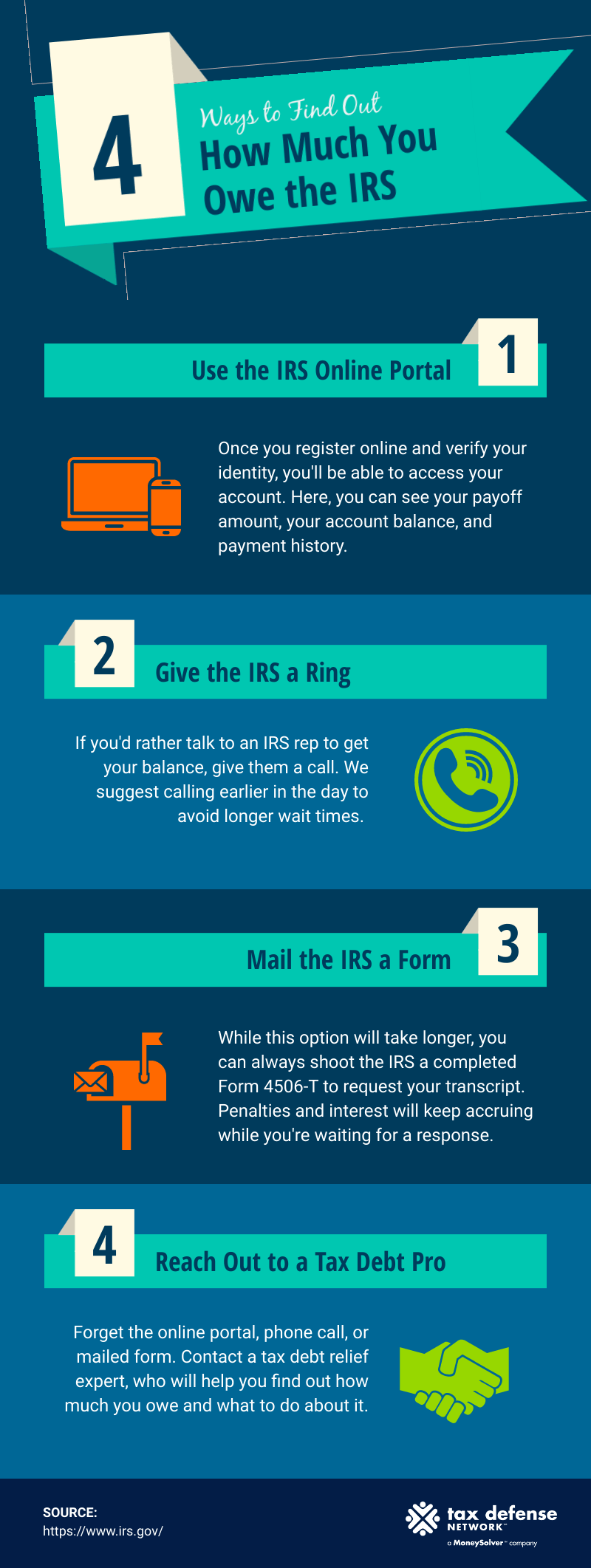
The Importance of Knowing Your IRS Tax Liability
Understanding your tax debt is far more than just satisfying a government requirement; it’s a critical component of comprehensive financial planning. Ignorance is definitely not bliss when it comes to the IRS, and staying informed can save you significant money and stress in the long run.
Avoiding Penalties and Interest
The IRS is not shy about assessing penalties and interest on unpaid taxes. These charges can quickly compound, turning a manageable balance into a formidable debt. Penalties can be levied for failure to file, failure to pay, and accuracy-related issues, among others. Interest, charged on the underpayment of taxes, can accrue daily from the due date until the balance is paid in full. By actively monitoring your tax liability, you can ensure timely payments or make arrangements before these additional costs escalate, protecting your financial health from unnecessary drains. Knowing your balance allows you to strategize on payment methods, potentially even qualifying for penalty relief in certain circumstances if you act promptly.
Planning Your Finances Effectively
Just like any other debt, an outstanding tax balance needs to be factored into your budget and financial forecasts. Whether you owe a small amount or a substantial sum, it impacts your cash flow, savings goals, and investment strategies. Knowing your precise debt allows you to allocate funds, prioritize payments, and adjust your spending or saving habits accordingly. This transparency enables you to create a realistic financial plan, ensuring that you can meet your tax obligations without derailing other important financial objectives, such as retirement savings, mortgage payments, or educational expenses. It integrates your tax reality into your broader financial picture, fostering a holistic approach to money management.
Peace of Mind and Financial Clarity
Few things can be as unsettling as uncertainty surrounding financial obligations, especially those involving government entities. The “what if” scenarios can lead to considerable stress and anxiety. By proactively checking how much you owe the IRS, you gain invaluable financial clarity. This clarity dissolves uncertainty, allowing you to confidently address the debt and move forward. It shifts you from a reactive, anxious state to a proactive, empowered one, fostering greater peace of mind. Knowing the exact figure, even if it’s daunting, is the first step towards resolving it and restoring control over your financial destiny.
Primary Methods to Access Your IRS Account Information
The IRS has made significant strides in providing accessible and secure ways for taxpayers to view their account information. Utilizing these digital and official channels is the most reliable way to ascertain your current tax debt.
Using Your IRS Online Account
The IRS Online Account is arguably the most convenient and comprehensive tool available for individual taxpayers to manage their federal tax information. It’s a secure portal that offers a wealth of information at your fingertips.
What You Can Find There
Once you’ve successfully created and logged into your IRS Online Account, you can access a wide array of information pertinent to your tax obligations. This includes:
-
Balance Due: Perhaps the most crucial piece of information, your online account displays your current balance due for all tax years, including any accrued penalties and interest.
-
Payment History: You can review all your tax payments made to the IRS, providing a clear record of your financial transactions.
-
Tax Records: This section allows you to view key data from your most recent tax return as originally filed, including your adjusted gross income (AGI), which is often needed for verification purposes.
-
Payment Plans: If you have an existing installment agreement or offer in compromise, you can view its details and payment status.
-
Digital Copies of Notices: In some cases, you may be able to view certain tax notices or correspondence issued by the IRS.
How to Set It Up/Access It
Setting up an IRS Online Account requires a robust identity verification process to protect your sensitive financial data. You will need:
-
Personal Information: Your Social Security Number (SSN) or Individual Taxpayer Identification Number (ITIN), date of birth, and filing status.
-
Financial Account Information: Details from a financial account in your name (e.g., credit card, student loan, mortgage, or home equity loan account number) for verification purposes.
-
Phone Number: A mobile phone associated with your name for a security code.
Once verified, you’ll create a username and password. Existing users simply log in with their credentials. It’s essential to keep your login information secure and use strong, unique passwords.
Security Considerations
The IRS takes security very seriously, and so should you. Always ensure you are on the official IRS.gov website when accessing your account. Be wary of phishing emails or fraudulent websites impersonating the IRS. Never share your login credentials. The robust verification process is designed to protect your identity and financial information from unauthorized access, making your online account a trustworthy source for your tax data.
Requesting a Transcript
Tax transcripts provide a summary of information from your tax returns or your account with the IRS. While not a direct statement of your “bill,” they contain information that allows you to calculate or verify your balance.
Types of Transcripts
There are several types of transcripts, each serving a distinct purpose:
-
Account Transcript: This is highly relevant for checking your balance. It shows most line items from your original return and any subsequent adjustments made by you or the IRS, along with payment records, tax liability, and whether you owe any outstanding amounts.
-
Record of Account Transcript: This combines the information from a tax return transcript and an account transcript, providing a more comprehensive view.
-
Tax Return Transcript: This shows most line items from your original tax return (Form 1040, 1040-SR, 1040-NR, etc.) as you filed it. It does not show changes made after you filed your return.
-
Wage and Income Transcript: This shows data from information returns, such as Forms W-2, 1099, 1098, and Form 5498.
How to Request Them
You can request transcripts through three main methods:
-
Online: Use the “Get Transcript Online” tool on IRS.gov. You’ll need to pass an identity verification process similar to setting up an IRS Online Account. Transcripts are generally available immediately.
-
By Mail: Use the “Get Transcript by Mail” tool on IRS.gov or call the automated phone transcript service at 800-908-9946. Transcripts are mailed to your address of record within 5 to 10 calendar days.
-
By Phone: Call the IRS at 800-829-1040. An IRS representative can help you request a transcript, but this method may involve longer wait times.
What Information They Contain Regarding Balances
An Account Transcript is your best bet for determining a balance due from a transcript. It clearly lists:
-
Tax assessed: The amount of tax due on your original or adjusted return.
-
Payments posted: All payments made towards that tax year.
-
Penalties and interest assessed: Any additional charges applied to your account.
-
Current balance due: The outstanding amount owed for that specific tax year.
By comparing the assessed tax with the payments made and any penalties/interest, you can easily calculate or confirm your outstanding liability.
Reviewing Official IRS Notices and Letters
The IRS primarily communicates important information, including tax liabilities, through official mail. It is imperative to open and thoroughly review all correspondence from the IRS.
Understanding CP Notices, LT Letters
The IRS sends various types of notices and letters, many of which pertain to outstanding balances:
-
CP Notices (Computer Paragraph Notices): These are generated automatically by the IRS computer systems. Examples include:
-
CP14: This is a common notice for a balance due. It informs you that you owe taxes, penalties, and interest, and provides a payment deadline.
-
CP501/503/504: These are reminder notices for unpaid tax, becoming increasingly serious with each subsequent notice, potentially warning of intent to levy.
-
CP2000: This notice is sent when income or payment information on your tax return doesn’t match information the IRS received from third parties (e.g., employers, banks). It often proposes changes to your tax and could result in an additional balance due.
-
-
LT Letters (Letter Transcripts): These are often more personalized and can cover a broader range of issues, including audit results, collection matters, or responses to taxpayer inquiries. Letters concerning collections will clearly state any outstanding balances and demand payment or outline next steps.
Importance of Opening and Reviewing All IRS Correspondence
Ignoring IRS mail is one of the most detrimental actions a taxpayer can take. These documents contain critical information regarding deadlines, proposed changes to your tax, and your rights and responsibilities. Missing a deadline to respond to a notice could result in missed opportunities to dispute proposed changes, appeal decisions, or establish a payment arrangement, potentially leading to increased penalties, interest, or even enforced collection actions like liens and levies. Always prioritize opening, reading, and understanding every piece of mail from the IRS.
What Specific Notices Indicate a Balance Due
Notices specifically indicating a balance due will clearly state:

-
The tax year(s) for which the balance is owed.
-
The original tax amount due.
-
Any penalties and interest assessed.
-
The total amount currently due.
-
Instructions on how to pay.
-
Information on your rights, such as how to dispute the amount or request a payment plan.
Always look for the notice number (e.g., CP14, LT11) at the top or bottom right corner of the correspondence, as this helps identify its purpose and what actions you need to take.
Direct Communication with the IRS
While digital tools and mail are efficient, sometimes direct communication with an IRS representative is necessary, especially if you have complex questions or require clarification that automated systems cannot provide.
Contacting the IRS by Phone
For personalized assistance and to get a definitive answer on your balance, speaking directly with an IRS agent can be very helpful.
Which Numbers to Call
-
Individuals: The primary phone number for individual tax questions, including balance due inquiries, is 800-829-1040.
-
Businesses: For business tax questions, call 800-829-4933.
-
IRS Taxpayer Advocate Service: If you’ve tried traditional channels and believe your issue is causing significant hardship, or you’re not receiving a proper response, you can contact the Taxpayer Advocate Service at 877-777-4778.
What Information to Have Ready
To ensure a smooth and efficient call, have the following information prepared before you dial:
-
Your Social Security Number (SSN) or Individual Taxpayer Identification Number (ITIN).
-
Your date of birth.
-
Your complete address.
-
Your filing status for the relevant tax year(s).
-
A copy of your most recently filed tax return.
-
Any IRS notices or letters you have received.
-
Details of any previous payments made.
Having this information at hand will help the IRS representative quickly verify your identity and access your account details.
Potential Wait Times and Best Practices
IRS phone lines can experience extremely long wait times, particularly during tax season (January to April) and around payment deadlines. To minimize wait times:
-
Call during off-peak hours: Weekday mornings (Tuesday through Friday) are generally less busy than Mondays or late afternoons.
-
Avoid peak season: If your query isn’t urgent, consider calling outside of the busiest tax periods.
-
Be patient and polite: IRS representatives handle a high volume of calls; a calm and respectful demeanor can facilitate a more productive conversation.
-
Take notes: Document the date, time, name of the representative, and a summary of your conversation and any advice given.
Visiting an IRS Taxpayer Assistance Center (TAC)
For situations requiring in-person help, an IRS Taxpayer Assistance Center (TAC) can provide direct support.
When This is a Good Option
Visiting a TAC is particularly beneficial if:
-
You prefer face-to-face interaction.
-
You have complex questions or need help understanding a notice.
-
You need to make a cash payment (many TACs offer cash payment services through their retail partners).
-
You require identity verification assistance for online access.
-
You have specific document issues that are hard to resolve over the phone.
How to Find a TAC and Make an Appointment
Most TACs now require appointments for service. You cannot simply walk in.
-
Find a TAC: Use the “Taxpayer Assistance Center Locator” tool on IRS.gov. Enter your ZIP code to find the nearest location.
-
Make an Appointment: The locator tool will provide a phone number for the specific TAC. Call that number to schedule an appointment. Be prepared to explain the nature of your visit so the staff can allocate appropriate time and resources.
Services Offered
At a TAC, you can typically receive assistance with:
-
Account inquiries, including balance due questions.
-
Payment issues and setting up payment plans.
-
Tax law questions (basic).
-
Identity verification.
-
Obtaining tax forms and publications.
-
Assistance with ITIN applications.
-
Making payments.
It’s always a good idea to confirm the specific services offered by your chosen TAC when you make your appointment, as services can vary.
Understanding Your Tax Debt and Next Steps
Once you’ve successfully identified how much you owe the IRS, the next crucial step is to understand the components of that debt and explore your payment options. This empowers you to formulate a clear strategy for resolution.
Deciphering Your Balance Due
Your total balance due isn’t always just the original tax amount. It typically comprises three main elements:
-
Principal Tax: This is the original amount of tax liability determined from your income and deductions.
-
Penalties: The IRS assesses various penalties for non-compliance. Common ones include:
-
Failure to File Penalty: Charged if you don’t file your return by the due date.
-
Failure to Pay Penalty: Charged if you don’t pay the tax shown on your return by the due date.
-
Accuracy-Related Penalty: Assessed if you underpay your tax due to negligence, substantial understatement of income, or other errors.
-
-
Interest: Interest is charged on underpayments, including any unpaid penalties, from the original due date of the tax until the date of payment. The interest rate is adjusted quarterly and is generally the federal short-term rate plus 3 percentage points.
Understanding these components helps you grasp the full scope of your obligation and can sometimes reveal opportunities for penalty abatement if there was reasonable cause for non-compliance.
Options for Paying Your Tax Debt
The IRS offers several avenues for taxpayers to resolve their outstanding debt, catering to different financial situations.
-
Full Payment: If you can afford it, paying your entire balance due immediately is the most straightforward option. You can pay online directly from your bank account (Direct Pay), by debit/credit card, electronic funds withdrawal during e-filing, or by check/money order. This avoids any further penalties or interest.
-
Short-Term Payment Plan: If you can pay off your tax debt within 180 days, you might qualify for a short-term payment plan. While penalties and interest continue to accrue, this option provides flexibility without the need for a formal installment agreement.
-
Installment Agreement: If you need more than 180 days, you can apply for an installment agreement. This allows you to make monthly payments for up to 72 months. While penalties and interest still apply, they may be reduced. This option is available through your IRS Online Account or by filing Form 9465, Installment Agreement Request.
-
Offer in Compromise (OIC): An OIC allows certain taxpayers to resolve their tax liability with the IRS for a lower amount than what they originally owe. This is typically an option when you are facing significant financial hardship and cannot pay your full tax liability. The IRS considers your ability to pay, income, expenses, and asset equity when evaluating an OIC.
-
Exploring Penalty Relief: In certain situations, you may qualify for penalty relief. This can be due to reasonable cause (e.g., natural disaster, serious illness), first-time penalty abatement (if you have a good compliance history), or statutory exceptions. Requesting relief is done by responding to an IRS notice or filing Form 843, Claim for Refund and Request for Abatement.
Seeking Professional Assistance
While many taxpayers can manage their IRS interactions independently, complex situations often warrant professional guidance.
When to Consult a Tax Professional (EA, CPA, Tax Attorney)
Consider seeking professional help if:
-
Your tax debt is substantial or involves multiple tax years.
-
You disagree with the amount the IRS says you owe.
-
You are considering an Offer in Compromise or require complex payment plan negotiations.
-
You are facing collection actions (liens, levies).
-
You need help understanding complex tax notices or an audit.
-
You require assistance with penalty abatement requests.

Benefits of Professional Help
A qualified tax professional—an Enrolled Agent (EA), Certified Public Accountant (CPA), or tax attorney—can:
-
Interpret complex tax law: They understand the nuances of the tax code and IRS procedures.
-
Represent you before the IRS: They can communicate directly with the IRS on your behalf, potentially saving you time and stress.
-
Negotiate on your behalf: They have experience negotiating payment plans, OICs, and penalty abatements.
-
Ensure compliance: They can help you accurately assess your tax liability and ensure future compliance.
-
Provide strategic advice: They can offer personalized strategies to minimize your tax burden and resolve your debt effectively.
In conclusion, taking the initiative to find out how much you owe the IRS is a crucial step toward effective financial management. By leveraging the IRS’s online tools, carefully reviewing official correspondence, and not hesitating to communicate directly with the agency or a qualified professional, you can gain clarity, address your obligations responsibly, and maintain control over your financial future. Proactive engagement is not just about fulfilling a requirement; it’s about empowering yourself with financial knowledge and securing peace of mind.
aViewFromTheCave is a participant in the Amazon Services LLC Associates Program, an affiliate advertising program designed to provide a means for sites to earn advertising fees by advertising and linking to Amazon.com. Amazon, the Amazon logo, AmazonSupply, and the AmazonSupply logo are trademarks of Amazon.com, Inc. or its affiliates. As an Amazon Associate we earn affiliate commissions from qualifying purchases.