
In the current landscape of digital finance, the transition from physical plastic to virtual wallets represents one of the most significant shifts in consumer technology. At the center of this revolution is Google Pay, a multifaceted platform that serves as more than just a digital version of a leather wallet. It is a sophisticated piece of software architecture designed to bridge the gap between financial institutions, merchants, and the end-user. Understanding how Google Pay works requires a deep dive into the underlying technologies of Near Field Communication (NFC), tokenization, and Host Card Emulation (HCE), all of which work in concert to ensure that a transaction is completed in milliseconds with maximum security.
The Foundation: NFC Technology and Tokenization
The magic of a “tap-to-pay” transaction relies on a hardware-software synergy known as Near Field Communication (NFC). This is a short-range wireless connectivity technology that allows two devices to communicate when they are within a few centimeters of each other. In the context of Google Pay, your smartphone acts as the active device, while the merchant’s point-of-sale (POS) terminal acts as the receiver.
Near Field Communication (NFC) Explained
NFC operates at a frequency of 13.56 MHz and is an evolution of Radio Frequency Identification (RFID) technology. When you bring your phone close to a compatible terminal, an electromagnetic field is created. This field allows the phone to transmit data to the reader without the need for a physical connection or even an internet connection at the exact moment of the tap.
What makes Google Pay’s implementation of NFC distinct is its reliance on standardized protocols that ensure compatibility across millions of terminals globally. The software initiates a “handshake” with the terminal, establishing a secure channel through which encrypted payment data can be passed. This process happens almost instantaneously, often faster than a physical chip-and-pin transition.
The Role of Tokenization in Data Security
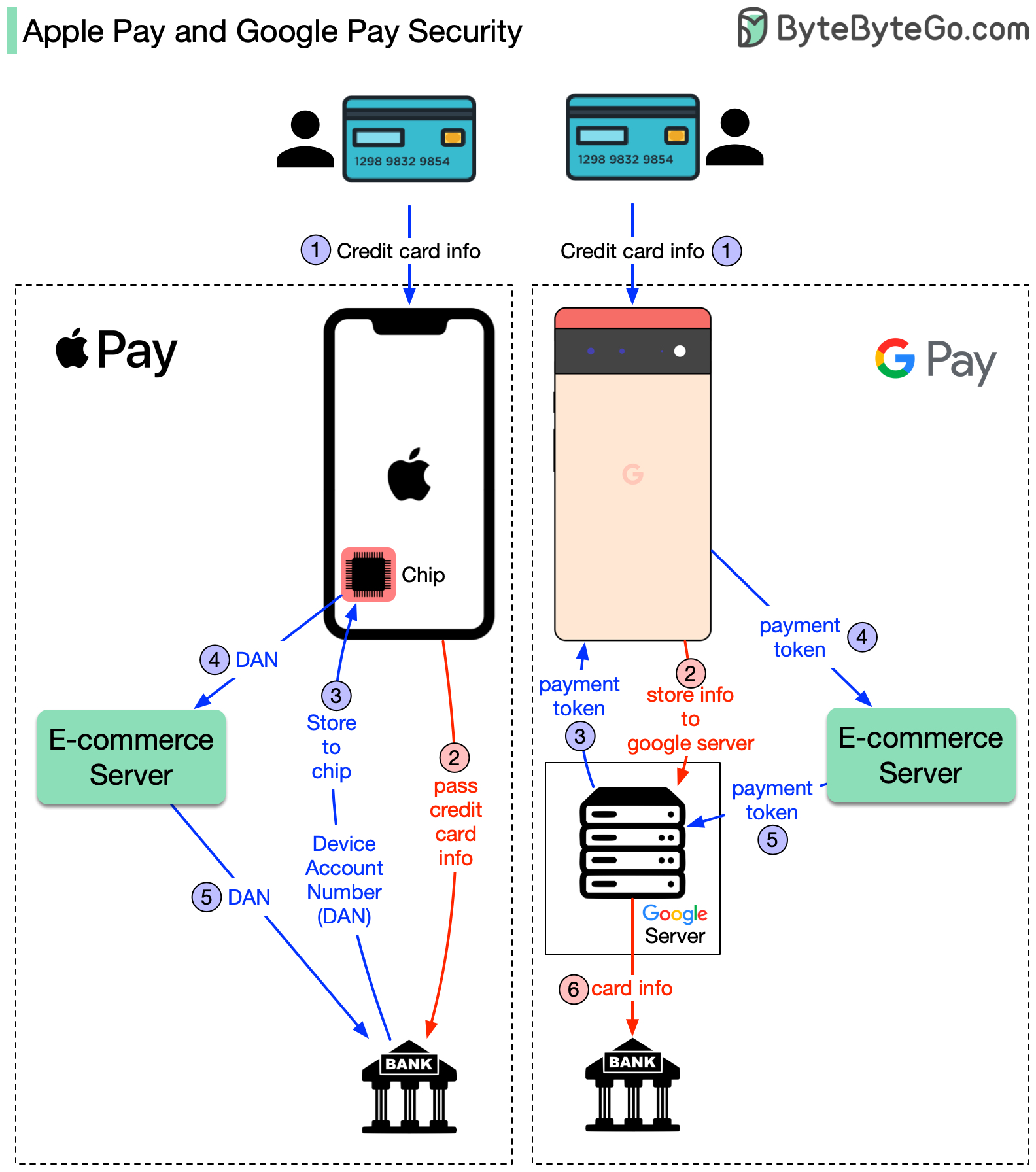
Perhaps the most critical technical aspect of Google Pay is tokenization. Many users are hesitant to use mobile payments because they fear their credit card numbers will be intercepted. Tokenization solves this by ensuring that your actual card details—the 16-digit number, the expiration date, and the CVV—are never actually stored on your phone or shared with the merchant.
When you add a card to Google Pay, the app communicates with the issuing bank. The bank replaces your sensitive card information with a “token,” a randomly generated string of numbers known as a Virtual Account Number (DAN). This token is what is stored on your device. When you make a purchase, Google Pay sends this token to the merchant. The merchant then sends the token to the credit card network (like Visa or Mastercard), which is the only entity capable of “detokenizing” the information to match it with your real account. If a merchant’s database is hacked, the hackers only find useless tokens, not your actual financial data.
How a Transaction is Authorized
The authorization process involves a complex relay. Once the token is received by the payment processor, it is routed through the card network to the issuing bank. The bank verifies that the token is valid and that the account has sufficient funds. Crucially, the bank also checks the dynamic security code—a one-time-use cryptographic key generated by Google Pay for that specific transaction. If all parameters match, an “Authorized” signal is sent back through the chain to the merchant’s terminal, all within the span of about two seconds.
The Google Pay Ecosystem: Integration and Infrastructure
Google Pay is not a monolithic application; it is an ecosystem that has evolved from the merger of two previous services: Android Pay and Google Wallet. This integration allowed Google to create a unified experience that handles everything from in-store payments to peer-to-peer (P2P) transfers and online checkouts.
Host Card Emulation (HCE)
A pivotal technological breakthrough for Google was the adoption of Host Card Emulation (HCE). In the early days of mobile payments, devices required a physical “Secure Element” (a dedicated hardware chip) to store payment credentials. This created a bottleneck, as Google had to negotiate with phone manufacturers and mobile carriers to gain access to that chip.
HCE changed this by allowing the phone’s operating system to emulate a smart card in the software layer. By using HCE, Google Pay can bypass the need for a physical secure element, storing the sensitive tokenized data in a secure, encrypted cloud environment. When a payment is initiated, the Android OS fetches the necessary credentials from the secure cloud or a protected area of the phone’s memory, making the technology accessible to almost any NFC-enabled Android device.
Integration with the Google Account and Cloud Storage
Because Google Pay is tied to a user’s Google Account, it leverages the company’s massive cloud infrastructure. This integration allows for seamless synchronization across devices. If you add a card to your Google Pay account on your tablet, it is automatically available on your phone and within the Chrome browser for web-based purchases.
The cloud infrastructure also manages the “Smart Tap” feature. This allows loyalty cards, gift cards, and boarding passes to be transmitted via NFC alongside the payment information. The software identifies the merchant and automatically applies relevant coupons or loyalty points, streamlining the checkout process into a single interaction.
Cross-Platform Functionality
While Google Pay is deeply integrated into Android, its tech stack extends to iOS and web platforms. On iOS, Google Pay functions primarily as a P2P service and a platform for online purchases, as Apple restricts third-party access to the NFC chip for POS payments. On the web, Google Pay acts as an API (Application Programming Interface) that merchants can integrate into their websites. This API allows for “One-Click” checkouts, where the payment data is securely passed from Google’s servers to the merchant’s payment processor, eliminating the need for users to manually enter card details on every new site.

Advanced Security Protocols and Privacy Measures
Security is the primary concern in the development of Google Pay. Beyond tokenization, the platform utilizes several layers of defense to protect the integrity of the user’s financial ecosystem.
Biometric Authentication and Device Locking
Google Pay does not function unless the device has a screen lock enabled (PIN, pattern, or biometrics). For most transactions, the device must be unlocked via fingerprint, facial recognition, or a passcode. This adds a layer of physical security that traditional credit cards lack. If a user’s phone is stolen, the thief cannot make a payment without bypassing the biometric security of the phone. Furthermore, Google’s “Find My Device” service allows users to remotely lock their phone or wipe their payment credentials instantly if the hardware is lost.
Cryptographic Signatures
Every time a transaction is initiated, the Google Pay app generates a dynamic cryptogram. This is a digital signature that is unique to that specific transaction. Unlike a physical card’s magnetic stripe, which contains static data that can be “skimmed” and reused, the data transmitted by Google Pay is useless after the transaction is complete. Even if a bad actor were to intercept the NFC signal, they would be left with a one-time-use code that has already expired.
Data Privacy and Information Sharing Policies
From a software design perspective, Google has implemented “Privacy by Design” in Google Pay. While Google is an advertising company, it maintains a strict firewall between payment data and its ad-targeting algorithms. Google Pay does not sell your transaction history to third parties. The data collected—such as the location of the purchase and the amount spent—is primarily used for fraud detection and to provide the user with spending insights within the app.
The User Experience: P2P, POS, and Online Payments
The versatility of Google Pay’s code allows it to handle three distinct types of transactions, each with its own technical workflow.
Point-of-Sale (POS) Interactions
As discussed, POS transactions rely on NFC and tokenization. The technical challenge here is latency. Google Pay is optimized to ensure that the “wake-to-pay” time is minimal. By using background processes, the app prepares the payment token the moment the phone is nudged or moved toward a terminal, ensuring a fluid user experience.
Peer-to-Peer (P2P) Transfers and the UPI Interface
In certain markets, such as India, Google Pay utilizes the Unified Payments Interface (UPI). This is a different technical stack that allows for real-time bank-to-bank transfers using a unique ID or a QR code. Instead of tokens representing cards, the system uses “Virtual Payment Addresses” (VPAs). When you send money to a friend, Google Pay acts as the orchestrator, sending a request to the central UPI switch, which then moves the money between the two linked bank accounts instantly.
In-App and Web-Based Checkout Systems
For online shopping, Google Pay provides a “Payment Request API.” When a developer integrates this into their app or site, it allows the browser to communicate directly with the Google Pay digital wallet. The user is presented with a simplified overlay where they confirm the purchase. Behind the scenes, Google Pay provides the merchant with an encrypted payment token, much like the NFC process, ensuring that the merchant never touches the actual card data.
The Future of Google Pay: Biometrics, AI, and Global Expansion
As we look toward the future, the technology behind Google Pay is moving toward even greater abstraction and intelligence.
Predictive Analysis and Spending Insights
Google is increasingly incorporating machine learning (AI) into the Pay interface. These algorithms analyze spending patterns to detect anomalies that could indicate fraud. On the user side, AI provides personalized insights, such as alerting a user if their monthly subscription costs have increased or providing a summary of spending in specific categories like “Dining” or “Transport.” This is handled through on-device processing to maintain privacy while providing high-level utility.

The Evolution Toward a Digital Wallet for Identification
The technical roadmap for Google Pay involves moving beyond currency. The platform is expanding into a comprehensive digital identity vault. Using the same secure protocols that protect credit cards, Google Pay is now integrating digital driver’s licenses, digital car keys, and health passes. These features utilize the “Identity Credential” API in Android, which provides a hardware-backed storage system for sensitive identification documents.
In conclusion, Google Pay is a masterclass in modern software engineering. It takes the incredibly complex world of global banking, encryption, and wireless communication and distills it into a three-second “tap” at a coffee shop. By leveraging NFC for communication, tokenization for security, and Host Card Emulation for accessibility, Google has built a platform that is not only convenient but arguably far more secure than the physical cards it seeks to replace. As the tech stack continues to evolve with AI and expanded digital identity features, Google Pay will likely remain a cornerstone of the digital-first economy.
aViewFromTheCave is a participant in the Amazon Services LLC Associates Program, an affiliate advertising program designed to provide a means for sites to earn advertising fees by advertising and linking to Amazon.com. Amazon, the Amazon logo, AmazonSupply, and the AmazonSupply logo are trademarks of Amazon.com, Inc. or its affiliates. As an Amazon Associate we earn affiliate commissions from qualifying purchases.