
Accessing your Internal Revenue Service (IRS) online account is a critical component of modern personal financial management. In an increasingly digital world, the ability to securely view your tax records, make payments, track refunds, and manage your financial interactions with the nation’s tax agency offers unparalleled convenience and insight. Beyond merely filing your taxes, your IRS account is a powerful tool for proactive financial planning and maintaining compliance. This guide will walk you through the essential steps, security protocols, and benefits of leveraging your IRS online account, ensuring you navigate this vital financial portal with confidence and security.

Understanding IRS Online Services: Your Digital Gateway to Financial Management
The IRS has significantly enhanced its digital presence to provide taxpayers with a secure and efficient way to manage their tax obligations and access their financial information. This digital transformation is not just about convenience; it’s about empowering individuals with direct control and visibility over their tax affairs, which are fundamental to personal finance.
The IRS Account: What It Offers for Your Financial Health
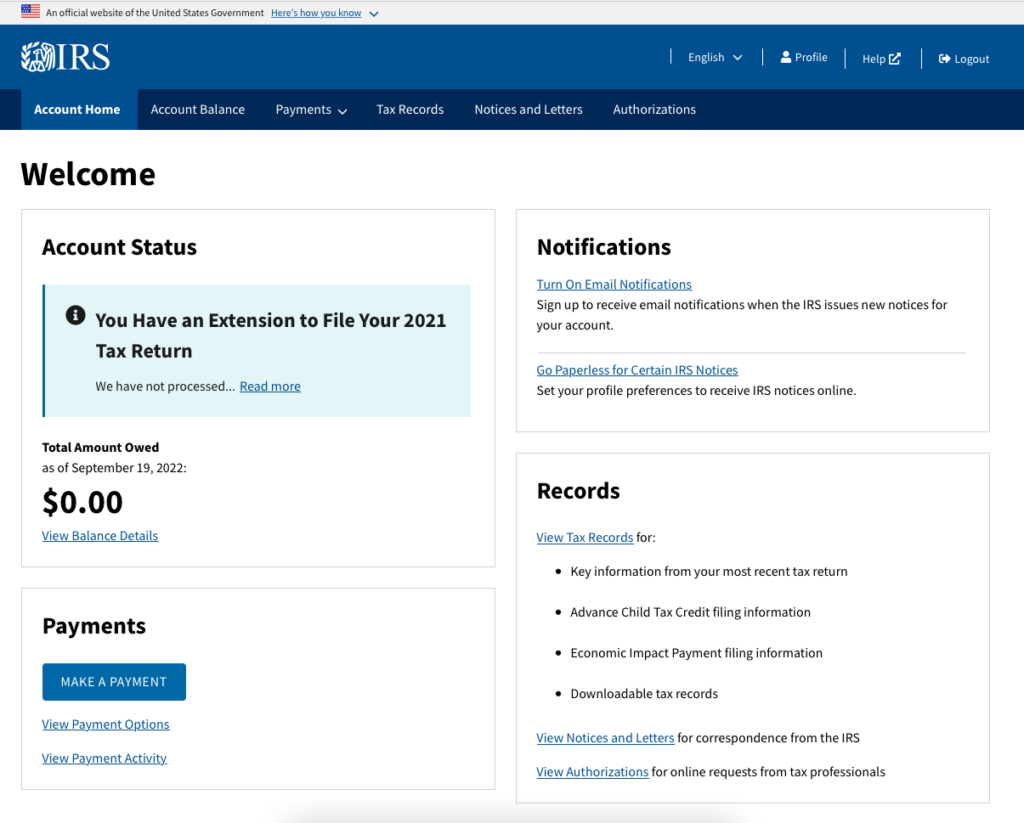
Your IRS online account is more than just a login portal; it’s a comprehensive dashboard for your financial relationship with the government. For anyone focused on sound personal finance, understanding its capabilities is paramount:
-
Tax Account Summary: Get an overview of your most recent tax return information, including adjusted gross income (AGI), payments made, and any balance due. This summary is invaluable for financial planning and verifying details for other financial applications.
-
Payment History and Options: View your payment history for the past few years, schedule payments, or set up a payment plan if you owe the IRS. This feature is crucial for budgeting and avoiding penalties associated with missed or late payments.
-
Tax Transcripts: Quickly request and download various types of tax transcripts (e.g., tax return transcript, tax account transcript, wage and income transcript). These documents are often required for loan applications (mortgages, student loans), financial aid, or other financial verification purposes. Having immediate access can significantly streamline financial processes.
-
Notices and Communications: Access certain IRS notices and communications digitally, reducing mail clutter and providing immediate access to important financial correspondence. This can include notices about a refund, an audit, or an outstanding balance.
-
Authorized Third Parties: In some cases, you can authorize third parties, such as tax preparers, to access certain information on your behalf, streamlining the tax preparation process and ensuring accurate data exchange.
These functionalities transform the IRS account from a mere access point into a robust financial tool, indispensable for informed decision-making regarding your taxes and overall financial health.
Distinguishing Between IRS.gov and Other Financial Platforms
When dealing with financial information as sensitive as tax data, it is absolutely critical to ensure you are on the official and secure platform. The sole official website for the Internal Revenue Service is www.irs.gov. Any other website claiming to be the IRS or offering IRS services should be viewed with extreme suspicion.
In the realm of personal finance, security is paramount. Phishing scams and fraudulent websites are unfortunately common, designed to trick taxpayers into divulging personal and financial information. Always double-check the URL in your browser’s address bar to ensure it is irs.gov before entering any login credentials or personal data. Never click on links in unsolicited emails or text messages claiming to be from the IRS. The IRS primarily communicates via postal mail and will not initiate contact through email, text messages, or social media to request personal or financial information. Understanding this distinction is a fundamental lesson in digital financial security.
The Step-by-Step Login Process: A Secure Pathway to Your Account
Gaining access to your IRS online account involves a secure, multi-layered verification process designed to protect your sensitive financial information. The IRS utilizes a third-party identity verification service, ID.me, to ensure that only you can access your personal tax data.
Initial Access: Setting Up Your Account with Robust Identity Verification
For new users, the first step is to establish your identity through ID.me. This process, while seemingly rigorous, is a critical safeguard for your financial identity.
-
Navigate to IRS.gov: Begin by visiting the official IRS website at www.irs.gov.
-
Locate “Log In to Your Account”: On the homepage, typically in a prominent position, you’ll find a button or link to “Log In to Your Account.” Click this to proceed.
-
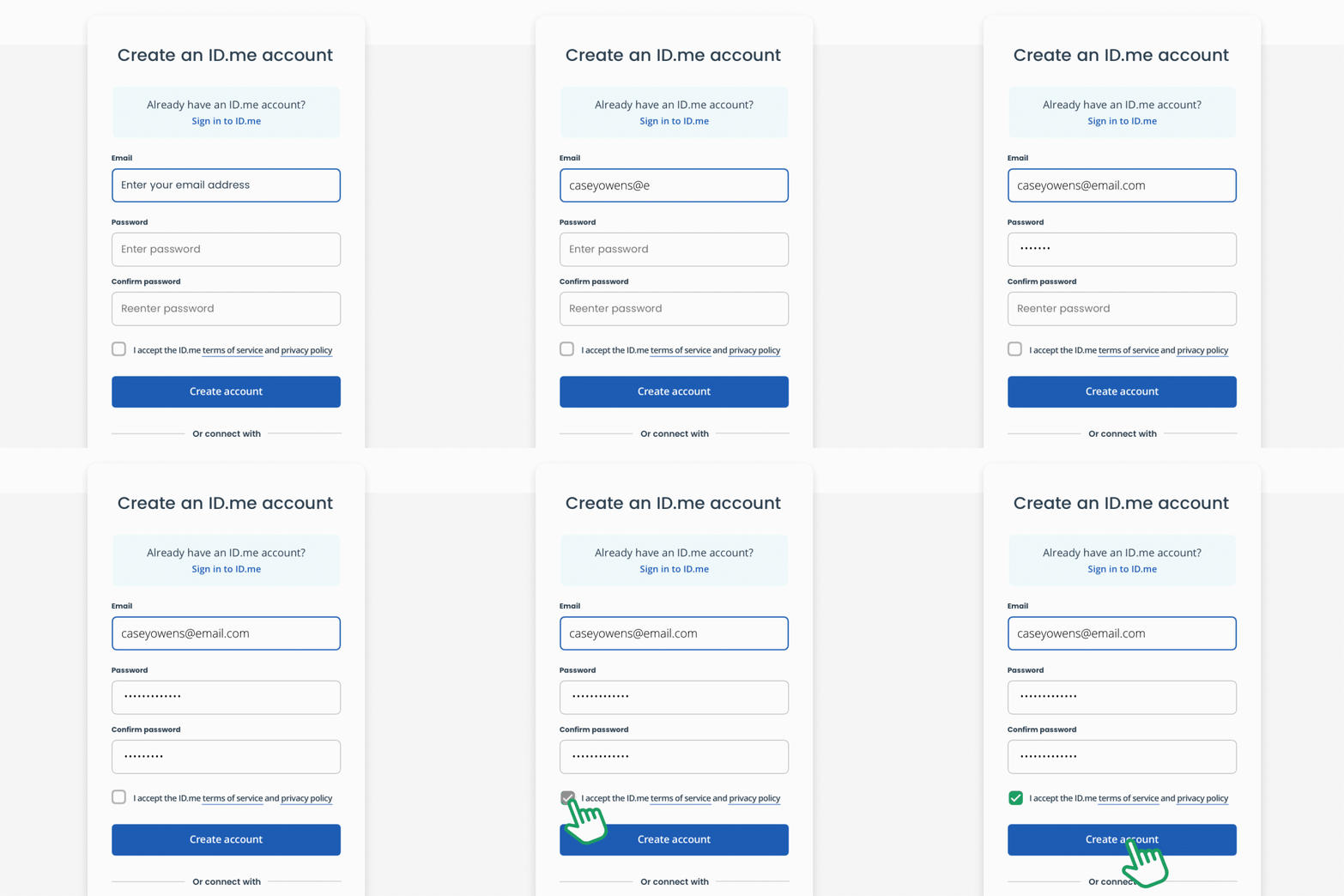
Create an ID.me Account: If you don’t already have an ID.me account, you’ll be prompted to create one. This involves a comprehensive identity verification process that usually requires:
-
Email and Password: Establish your ID.me login credentials.
-
Multi-Factor Authentication (MFA): Set up a strong MFA method (e.g., a mobile authenticator app, text message code, or phone call verification). This is essential for protecting your account even if your password is compromised.
-
Photo Identification: You’ll typically need to upload images of a government-issued photo ID (e.g., driver’s license, state ID, passport).
-
Selfie Scan: A live selfie scan is often required to match your face to your photo ID, verifying you are the legitimate owner of the documents.
-
Social Security Number (SSN): You will need to provide your SSN for verification purposes.
-
The purpose of this stringent verification is to prevent identity theft and ensure that your sensitive tax information is only accessible to you. While it might take a few minutes to complete, this initial setup is a one-time process for accessing various government services, not just the IRS.
Logging In: Existing Users and the Importance of MFA
Once you have an established ID.me account, logging into your IRS online account becomes a more streamlined process.
-
Return to IRS.gov and “Log In to Your Account”: As before, navigate to the official IRS website and click the “Log In to Your Account” link.
-
Enter ID.me Credentials: You will be redirected to the ID.me login page. Enter your ID.me username (which is typically your email address) and password.
-
Complete Multi-Factor Authentication (MFA): This is the crucial second layer of security. After entering your password, you will be prompted to complete your chosen MFA method. This might involve entering a code from an authenticator app, a code sent to your mobile phone via text message, or confirming a notification on a registered device. Never skip or disable MFA; it is your strongest defense against unauthorized access to your financial data.
-
Access Your IRS Account: Once MFA is successfully completed, you will be granted access to your IRS online account dashboard.
This secure, two-step verification process is the industry standard for protecting sensitive financial information and is a cornerstone of responsible online financial management.
Common Login Hurdles and Financial Solutions
Even with a secure system, users can encounter issues. Knowing how to navigate these is vital for uninterrupted access to your financial data.
-
Forgot Username/Password: If you forget your ID.me username or password, utilize the “Forgot password” or “Forgot username” links on the ID.me login page. You will typically need to verify your identity again, often through email or phone, to reset your credentials.
-
MFA Device Issues: If you lose your MFA device (e.g., your phone) or it’s not working, ID.me has recovery options. This often involves additional identity verification steps to ensure your account’s security. It’s wise to have backup MFA methods configured if possible.
-
Account Lockout: Multiple failed login attempts can lead to a temporary account lockout. Wait for the specified period, or follow the instructions provided by ID.me to unlock your account.
-
Browser Compatibility: Ensure you are using a modern, updated web browser (e.g., Chrome, Firefox, Edge, Safari). Outdated browsers or unusual browser settings can sometimes interfere with the login process. Clear your browser’s cache and cookies if you experience persistent issues.
Beyond Basic Login: Maximizing Your IRS Online Account for Financial Success
Successfully logging into your IRS account is just the beginning. The real value lies in leveraging the functionalities available to actively manage your financial life and stay on top of your tax obligations.
Managing Your Tax Information and Obligations
Your IRS online account provides a suite of tools that are indispensable for effective tax management:
-
Reviewing Past Tax Filings: Access summary information from your previously filed federal income tax returns. This is invaluable for verifying details, preparing current year returns, or referencing past financial decisions.
-
Checking Refund Status: If you are expecting a refund, you can quickly check its status directly within your account. This eliminates the need to use separate “Where’s My Refund?” tools and integrates the information into your personal financial dashboard.
-
Making Estimated Tax Payments: For self-employed individuals or those with significant income not subject to withholding, making estimated tax payments is crucial. Your account allows you to schedule and make these payments directly, helping you avoid underpayment penalties and manage your cash flow throughout the year.
-
Setting Up Payment Plans: If you find yourself owing the IRS and cannot pay the full amount immediately, your account offers options to set up an installment agreement or offer in compromise. Proactively addressing tax debt is a key aspect of sound financial planning and can prevent further penalties and interest.
Proactive Financial Management Through Your Account
Beyond direct tax management, the IRS online account offers utilities that support broader financial goals:
-
Downloading Tax Transcripts for Loans/Financial Aid: Need proof of income for a mortgage application, a student loan, or a small business loan? Your account provides immediate access to tax transcripts, saving you time and expediting financial processes that often depend on verified income.
-
Updating Contact Information: Ensure the IRS has your most current mailing address and phone number to receive important financial communications promptly. This helps prevent delays and ensures you don’t miss critical notices.
-
Responding to IRS Notices Digitally: While not all notices can be fully resolved online, your account can sometimes provide avenues to respond or clarify certain aspects, offering a more direct and efficient channel than traditional mail.
By actively engaging with these features, you transform your IRS online account into a powerful ally for personal financial management, fostering transparency, compliance, and control over your tax-related finances.
Safeguarding Your Financial Identity: Security Best Practices
In the realm of personal finance, no aspect is more critical than safeguarding your identity. Your IRS online account holds highly sensitive financial data, making it a prime target for cybercriminals. Adopting robust security practices is not merely recommended; it is essential for protecting your financial well-being.
Recognizing and Avoiding Scams: Your First Line of Defense
The IRS will never initiate contact with you via email, text message, or social media to request personal or financial information. Any such communication is a scam.
-
Official Communication Channels: The IRS primarily uses postal mail for official correspondence. If you receive a call, email, or text claiming to be from the IRS and demanding immediate payment or personal information, it is fraudulent.
-
Phishing Awareness: Be vigilant against phishing attempts. These are deceptive emails or websites designed to trick you into revealing your login credentials or other sensitive data. Always verify the URL is irs.gov before entering any information. Look for “https://” in the address bar, indicating a secure connection. If in doubt, navigate directly to IRS.gov rather than clicking on a link.
-
Reporting Suspicious Communications: If you receive a suspicious email or text claiming to be from the IRS, forward it to phishing@irs.gov and then delete it.
Robust Password and Multi-Factor Authentication (MFA) Habits
Your login credentials are the keys to your financial kingdom. Treat them with the utmost care.
-
Strong, Unique Passwords: Create a complex password for your ID.me account that is unique and not reused on any other website. Aim for a combination of uppercase and lowercase letters, numbers, and special characters.
-
Using Password Managers: Consider using a reputable password manager to generate, store, and auto-fill your complex passwords securely. This reduces the burden of memorization while enhancing security.
-
Never Sharing Credentials: Never share your ID.me or IRS account login details with anyone, even trusted family members or friends. If you use a tax professional, they will have their own secure methods for accessing information if authorized, without needing your personal login.
-
Keeping MFA Devices Secure: Your multi-factor authentication device (e.g., smartphone with an authenticator app) is your second layer of defense. Keep it secure and private. If you lose it, immediately follow ID.me’s recovery procedures.
Regular Account Monitoring for Financial Vigilance
Proactive monitoring of your financial accounts, including your IRS account, is a cornerstone of financial security.
-
Checking Account Activity Periodically: Even if you don’t have an immediate need, make it a habit to log into your IRS account periodically to review your tax account summary and payment history. This helps you identify any unauthorized activity or discrepancies promptly.
-
Reporting Suspicious Activity: If you notice any unauthorized changes, unusual tax filings, or suspicious activity within your IRS account, report it to the IRS immediately. The sooner you act, the better chance you have of mitigating potential financial damage from identity theft.
By diligently adhering to these security best practices, you establish a powerful defense against cyber threats, safeguarding your sensitive financial information and maintaining the integrity of your personal financial identity.
Conclusion
Accessing your IRS online account is an indispensable aspect of modern personal financial management. It provides a secure, convenient, and comprehensive portal to your tax records, payment options, and important communications. By understanding the robust identity verification process, mastering the login steps, and diligently applying security best practices, you can confidently navigate this vital digital tool.
Leveraging your IRS account effectively means more than just logging in; it means proactively managing your tax obligations, accessing critical financial documents, and staying informed about your financial standing with the nation’s tax agency. In an era where digital security is paramount, treating your IRS account with vigilance and care is not just a recommendation—it’s a fundamental pillar of protecting your financial health and peace of mind. Make it a habit to engage with your IRS online account, and empower yourself with the financial insights it provides.
aViewFromTheCave is a participant in the Amazon Services LLC Associates Program, an affiliate advertising program designed to provide a means for sites to earn advertising fees by advertising and linking to Amazon.com. Amazon, the Amazon logo, AmazonSupply, and the AmazonSupply logo are trademarks of Amazon.com, Inc. or its affiliates. As an Amazon Associate we earn affiliate commissions from qualifying purchases.