
The fundamental act of payment, the transfer of value for goods or services, underpins every economy and transaction. While the concept remains constant, the methods by which we execute this exchange are in a perpetual state of flux, driven by technological advancements, shifts in consumer behavior, and global economic forces. From the earliest forms of barter to today’s instantaneous digital transfers, understanding “how do we pay” is not merely a question of convenience but a deep dive into the evolution of money itself, its impact on personal finance, business operations, and the future of global commerce. This exploration delves into the financial underpinnings of various payment systems, examining their economic implications, security challenges, and the innovative pathways shaping tomorrow’s financial interactions, all strictly within the domain of personal and business finance.
From Shells to Smart Wallets: A Historical Perspective on Payment
The journey of payment methods is a testament to human ingenuity and the persistent need for efficient value exchange. Before the advent of standardized currencies, communities relied on direct exchange, a system fraught with inefficiencies.
The Dawn of Money: Barter, Commodities, and Coins
In prehistoric times, trade was conducted through barter, a direct exchange of goods or services without the use of money. While functional for simple economies, barter suffered from the “double coincidence of wants”—both parties had to desire what the other offered. This led to the emergence of commodity money, where universally desired goods like salt, cattle, or shells served as mediums of exchange. These commodities had intrinsic value, making them widely accepted.
The true revolution came with the invention of coins. Originating in Lydia (modern-day Turkey) around 600 BCE, coins—initially made from electrum, then gold and silver—offered portability, durability, and divisibility. Their standardized weight and purity, often guaranteed by an issuing authority, reduced the need for individual assessment and facilitated more complex transactions. This marked the birth of standardized metallic currency, a cornerstone of financial systems for millennia, simplifying price discovery and accumulating wealth.
The Rise of Fiat and Early Banking Systems
As economies grew, carrying large quantities of metal became impractical and risky. This paved the way for representative money (like gold certificates) and eventually fiat money, which derives its value from government decree and public trust rather than an intrinsic commodity. Paper banknotes, initially receipts for coin deposits, evolved into national currencies, backed by the issuing central bank.
Alongside this, rudimentary banking systems emerged. Merchants and goldsmiths began offering safe storage for valuables and issuing IOUs, which circulated as a form of payment. This laid the groundwork for deposit accounts, loans, and the fractional reserve banking system that characterizes modern finance, creating a sophisticated network for moving and managing money beyond physical exchange.
The Plastic Revolution: Credit and Debit Cards
The mid-20th century witnessed another paradigm shift with the introduction of credit and debit cards. The Diner’s Club card in 1950 and BankAmericard (now Visa) in 1958 ushered in an era of “plastic money.” Credit cards provided a line of credit, allowing consumers to make purchases and pay later, revolutionizing consumer spending and access to credit. Debit cards, directly linked to bank accounts, offered the convenience of cashless transactions while spending one’s own funds.
These cards standardized electronic payments, enabling transactions across vast distances and time zones, paving the way for global commerce and significantly reducing the reliance on physical cash for everyday purchases. Their widespread adoption built the infrastructure for the digital payment ecosystem we know today, establishing electronic fund transfers as a norm.
The Digital Frontier: Modern Payment Methods Explored
Today, the payment landscape is dominated by digital solutions, offering unprecedented speed, convenience, and reach. These methods have profoundly reshaped personal finance and business operations.
Online Banking and Electronic Fund Transfers (EFTs)
The internet’s advent transformed banking. Online banking platforms allow individuals and businesses to manage accounts, pay bills, and initiate transfers from anywhere. Electronic Fund Transfers (EFTs), encompassing direct deposits, wire transfers, and Automated Clearing House (ACH) transactions in the U.S., move billions of dollars daily between accounts. For businesses, EFTs streamline payroll, vendor payments, and invoice processing, significantly reducing administrative costs and improving cash flow management. For individuals, they offer unparalleled convenience for recurring payments and money transfers, reducing reliance on physical checks and bank visits.
Mobile Payments and Digital Wallets: Convenience at Your Fingertips
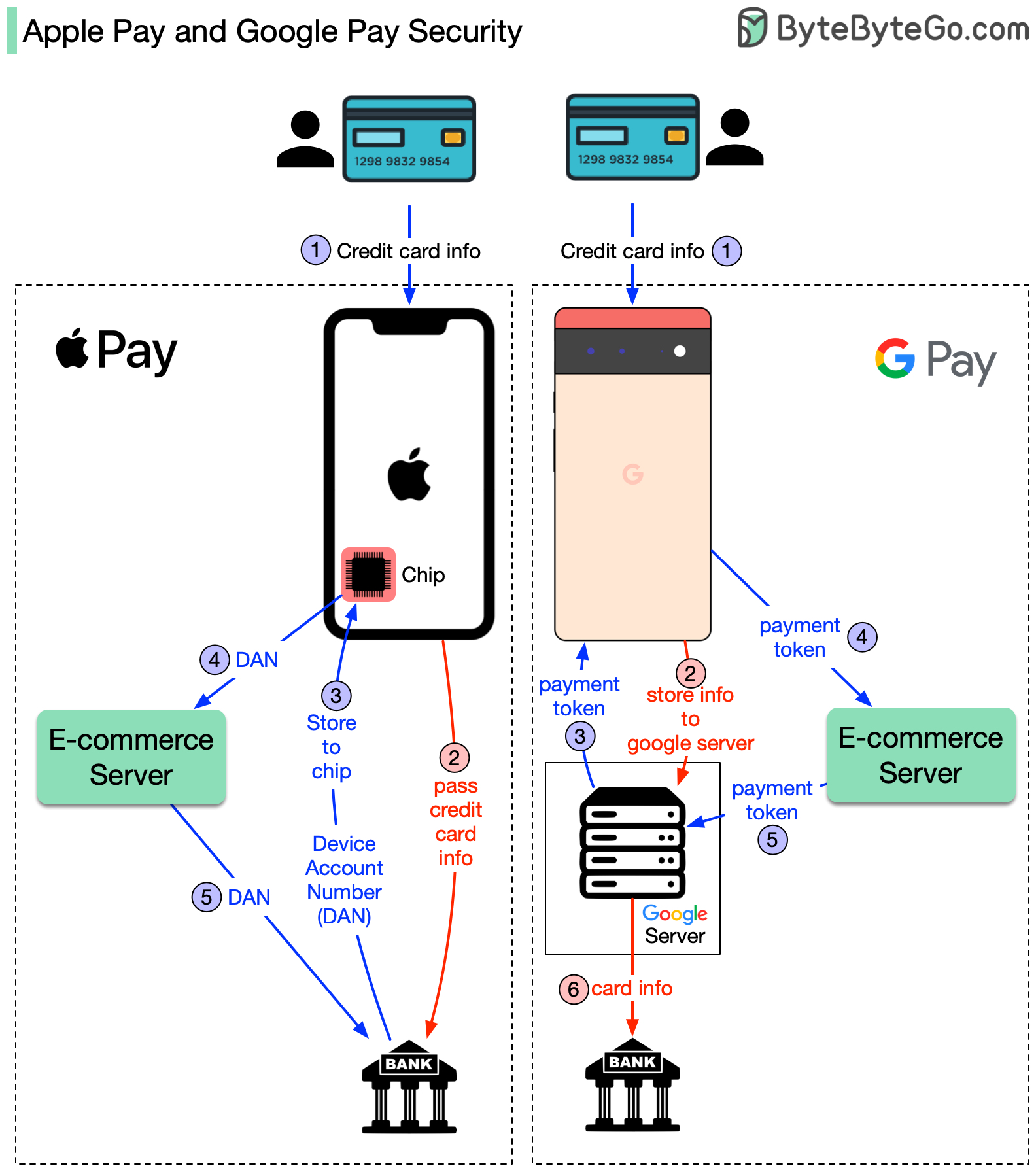
The smartphone has become the ultimate financial tool. Mobile payments, facilitated by apps like Apple Pay, Google Pay, and Samsung Pay, allow users to make secure transactions by simply tapping their phone or smartwatch at a point-of-sale terminal or scanning QR codes. These platforms often aggregate credit and debit cards, loyalty programs, and even public transport passes into a single digital wallet, enhancing convenience and reducing the need to carry physical cards. The security of these systems often relies on tokenization, where card details are replaced with a unique, encrypted token for each transaction, minimizing the risk of data breaches.
Contactless Payments: Speed and Simplicity
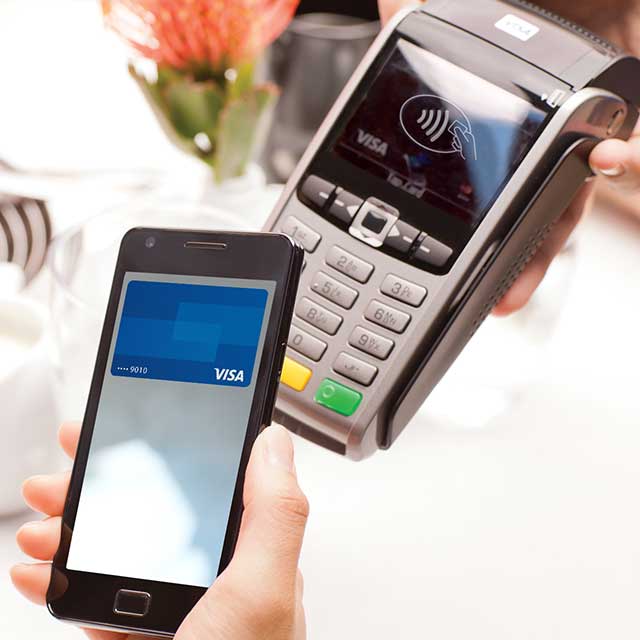
A subset of mobile and card-based payments, contactless payments utilize Near Field Communication (NFC) technology, allowing users to pay by tapping their card or device near a compatible reader. This method offers speed and simplicity, especially for low-value transactions, significantly reducing checkout times and enhancing customer experience. The pandemic further accelerated the adoption of contactless payments due to hygiene concerns, cementing their status as a preferred method for many consumers and merchants.
Peer-to-Peer (P2P) Apps: Socializing Transactions
Peer-to-peer (P2P) payment apps like Venmo, PayPal, Zelle, and Cash App have revolutionized how individuals send money to each other. Splitting dinner bills, paying rent to a roommate, or sending money to family members has become instantaneous and frictionless. These apps typically link directly to bank accounts or debit cards, offering a convenient alternative to cash or checks for informal transactions. While incredibly convenient, users must be aware of potential fees for instant transfers or transfers from credit cards, as well as the importance of verifying recipient details to avoid errors.
The Cryptocurrency Conundrum: A New Paradigm?
Cryptocurrencies like Bitcoin and Ethereum represent a radical departure from traditional payment systems. Operating on decentralized blockchain networks, they offer pseudonymity, immutability, and potentially lower transaction fees compared to some legacy systems, particularly for international transfers. While their volatility and regulatory uncertainty have limited their widespread adoption as a primary payment method, some businesses accept them, and their underlying technology continues to inspire innovation in the financial sector, particularly in areas like stablecoins and tokenized assets. The financial implications for users include understanding wallet security, transaction finality, and the tax implications of using digital assets.
The Economic Impact: Why Payment Choices Matter
The choice of payment method carries significant economic implications for both individuals and businesses, affecting costs, efficiency, and financial security.
For Individuals: Fees, Rewards, and Financial Control
Individuals face a spectrum of financial considerations when choosing how to pay. Transaction fees can apply to certain methods, such as ATM withdrawals outside one’s network, international wire transfers, or credit card cash advances. Conversely, rewards programs (cashback, points, miles) associated with credit cards can offer tangible benefits, effectively reducing the net cost of purchases for financially disciplined users. However, the allure of rewards must be balanced against the risks of accumulating high-interest debt if credit card balances are not paid in full.
Budgeting and financial control are also influenced by payment methods. While cash transactions can help enforce spending limits, digital payment records offer invaluable data for tracking expenses and managing budgets. The ability to monitor spending in real-time through banking apps provides a level of financial visibility unprecedented in previous eras, empowering individuals to make more informed financial decisions.
For Businesses: Transaction Costs, Customer Experience, and Operational Efficiency
For businesses, payment methods directly impact profitability and operational efficiency. Each transaction typically incurs a processing fee, which varies depending on the payment type (credit card, debit card, ACH), the processor, and the merchant’s industry. These fees, often a percentage of the transaction value plus a fixed amount, can significantly erode profit margins, especially for small businesses or those with high volumes of low-value transactions.
The range of accepted payment methods also directly affects customer experience and sales conversion. Businesses that offer a variety of convenient payment options are more likely to attract and retain customers. A cumbersome checkout process or a limited selection of payment types can lead to abandoned carts and lost revenue.
Furthermore, digital payment systems enhance operational efficiency. They automate reconciliation, reduce the risks associated with handling cash, and provide robust data for sales analysis and forecasting. Integrating payment systems with accounting software streamlines back-office operations, allowing businesses to focus more on core activities.
Security and Fraud: Protecting Your Financial Footprint
Regardless of the method, security is paramount. The shift to digital payments introduces new avenues for fraud and cybercrime. Phishing scams, data breaches, identity theft, and malware attacks are constant threats. Both individuals and businesses bear the responsibility of adopting strong security practices, such as using multi-factor authentication, strong passwords, and monitoring transaction alerts. Financial institutions and payment processors invest heavily in encryption, tokenization, and fraud detection systems to protect sensitive data, but vigilance from users remains critical. Understanding the chargeback process for credit cards versus the finality of cryptocurrency transactions, for instance, highlights different levels of consumer protection embedded in various payment systems.
The Future of Payment: Innovations on the Horizon
The payment landscape is far from static, with continuous innovation promising even more seamless, secure, and integrated financial experiences.
Open Banking and API-Driven Payments
Open Banking initiatives are reshaping how financial data is shared and leveraged. By allowing third-party financial service providers secure access to customer bank data (with explicit consent) via Application Programming Interfaces (APIs), Open Banking facilitates new payment services. This can include direct “pay-by-bank” transfers that bypass traditional card networks, potentially reducing transaction costs for merchants and enabling faster settlements. It also fosters greater competition and innovation in financial services, giving consumers more control over their financial data and how they pay.
Biometric Authentication: The Ultimate Security Layer?
As passwords become increasingly vulnerable, biometric authentication is emerging as a powerful security enhancement for payments. Fingerprint scans, facial recognition, and even iris scans are already used to authorize payments on smartphones and at some ATMs. The future may see widespread adoption of these methods at point-of-sale terminals and for online transactions, offering a highly secure and convenient way to verify identity and authorize payments, significantly reducing the risk of fraud associated with stolen credentials.
Central Bank Digital Currencies (CBDCs): A Sovereign Digital Shift
Governments worldwide are exploring or piloting Central Bank Digital Currencies (CBDCs). Unlike decentralized cryptocurrencies, CBDCs are digital forms of a country’s fiat currency, issued and backed by its central bank. They aim to combine the efficiency of digital payments with the stability and trust of sovereign money. Potential benefits include faster and cheaper payment processing, increased financial inclusion for the unbanked, and enhanced monetary policy tools. However, issues of privacy, cybersecurity, and financial stability remain key considerations for their implementation.

Beyond the Traditional: IoT Payments and Embedded Finance
The proliferation of internet-connected devices (Internet of Things – IoT) is paving the way for IoT payments. Imagine your smart refrigerator automatically reordering groceries and paying for them, or your connected car paying for fuel or parking. This vision of embedded finance integrates financial services directly into non-financial platforms and products, making payments an invisible, seamless part of daily life. This hyper-convenient future will require robust security frameworks and a re-evaluation of how transactions are authorized and managed, further blurring the lines between technology and financial services.
In conclusion, the question “how do we pay?” unlocks a vast and dynamic field within the realm of money and finance. From the enduring legacy of physical currency to the cutting-edge innovations of digital tokens and embedded transactions, the methods of value exchange continue to evolve at an astonishing pace. Understanding these shifts is crucial for individuals managing their personal finances, businesses optimizing their operations, and policymakers shaping the future of economic interaction. The journey of payment is a continuous narrative of seeking greater efficiency, security, and convenience, always with the fundamental objective of facilitating the flow of capital that powers our world.
aViewFromTheCave is a participant in the Amazon Services LLC Associates Program, an affiliate advertising program designed to provide a means for sites to earn advertising fees by advertising and linking to Amazon.com. Amazon, the Amazon logo, AmazonSupply, and the AmazonSupply logo are trademarks of Amazon.com, Inc. or its affiliates. As an Amazon Associate we earn affiliate commissions from qualifying purchases.