
In today’s digital economy, the ability to accept online payments isn’t just a convenience; it’s a fundamental necessity for any business or individual looking to generate income, expand their reach, and ensure financial viability. From bustling e-commerce stores to freelancers offering digital services, mastering online payment mechanisms is synonymous with unlocking new revenue streams and streamlining financial operations. This comprehensive guide will navigate the landscape of digital transactions, focusing squarely on the financial implications, strategic choices, and operational insights necessary to effectively integrate and manage online payments for sustained business growth.

Understanding the Fundamentals of Online Payment Processing
At its core, taking online payments involves a sophisticated interplay of financial institutions and technological solutions designed to securely transfer funds from a customer’s account to a merchant’s. Grasping this ecosystem is the first step toward optimizing your financial intake processes.
The Ecosystem of Digital Transactions: Following the Money Trail
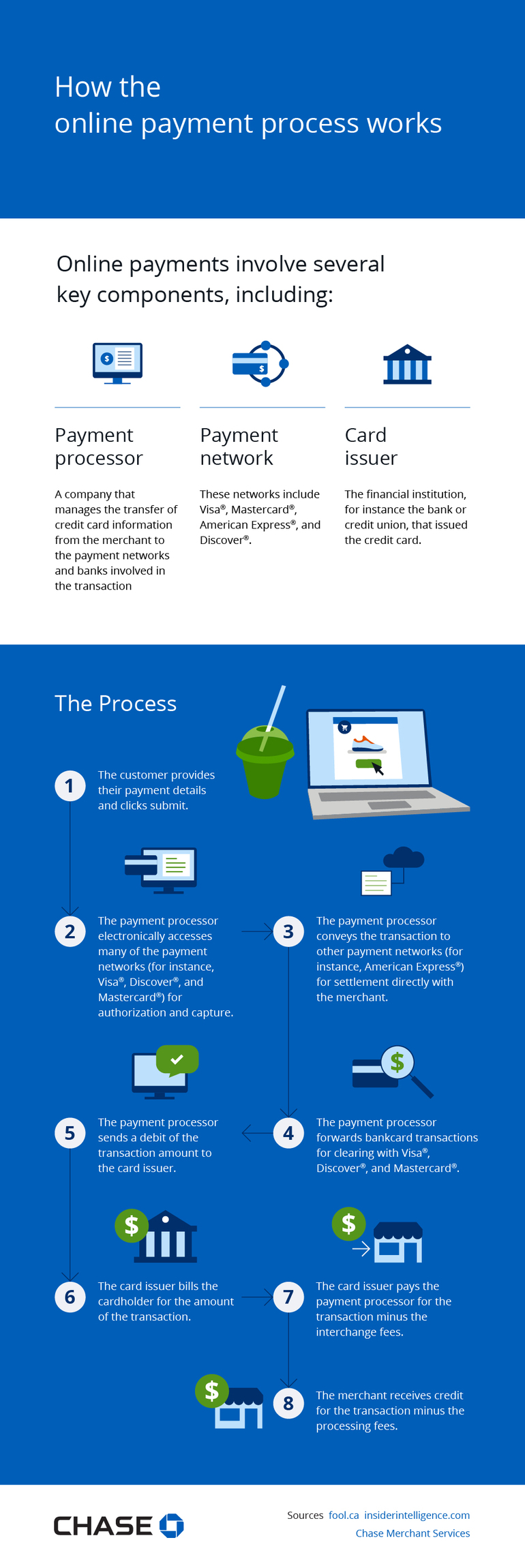
When a customer clicks “pay” online, a series of rapid financial exchanges occur. It begins with the customer’s credit card information being securely sent to a payment gateway. This gateway, a financial tool, encrypts the data and transmits it to a payment processor. The processor then sends the transaction details to the acquiring bank (the merchant’s bank), which forwards it to the relevant card network (e.g., Visa, Mastercard). The card network then requests authorization from the issuing bank (the customer’s bank). Once authorized, the approval travels back through the same chain, and the transaction is completed. The funds are then settled into the merchant’s merchant account or direct bank account, typically after a few business days, minus any associated fees. Understanding this flow is critical for anticipating cash flow, identifying potential financial bottlenecks, and reconciling payments.
Security and Compliance: Protecting Your Financial Assets
The digital realm introduces unique financial risks, making robust security and compliance paramount. Any business accepting online payments becomes responsible for protecting sensitive customer financial data, a duty that carries significant financial and reputational implications if breached.
The primary standard governing online payment security is the Payment Card Industry Data Security Standard (PCI DSS). Adherence to PCI DSS isn’t just good practice; it’s often a contractual obligation with payment processors and banks. Non-compliance can lead to hefty fines, legal liabilities, and a loss of public trust, all of which directly impact your bottom line. Beyond PCI DSS, businesses must employ data encryption (like SSL/TLS protocols) for all transactions to prevent financial data interception. Furthermore, effective fraud prevention tools and strategies are essential to mitigate financial losses from fraudulent chargebacks and stolen card use. Implementing address verification systems (AVS), CVV checks, and sophisticated fraud detection algorithms helps protect your revenue. Understanding and managing chargebacks – where a customer disputes a transaction – is also crucial, as each chargeback can incur a fee for the merchant and represent lost revenue and operational costs.
Choosing the Right Online Payment Solutions for Your Business Model
Selecting the appropriate tools for processing online payments is a strategic financial decision that impacts transaction costs, ease of integration, and the customer experience, ultimately influencing your income generation potential.
Payment Gateways: Bridging the Gap to Revenue
Payment gateways are critical financial intermediaries that authorize credit card payments for online businesses. They are the digital equivalent of a point-of-sale terminal. Popular options like Stripe, PayPal (for business), and Square offer varying fee structures, integration capabilities, and features tailored to different business needs.
-
Stripe is highly favored by developers and larger businesses for its robust API, allowing for extensive customization and seamless integration into complex financial systems. Its per-transaction fees are competitive, making it cost-effective for high-volume merchants, though its learning curve can be steeper for novices.
-
PayPal offers broad accessibility and brand recognition, instilling trust in customers. Its business solutions cater to various scales, from small freelancers to established e-commerce sites, with a straightforward setup. However, its transaction fees can sometimes be higher, particularly for international transactions, impacting profit margins.
-
Square is renowned for its ease of use, initially popular with small businesses and mobile vendors but now offering comprehensive online solutions. Its transparent pricing and bundled services can be attractive, though larger enterprises might find its customization options more limited compared to Stripe.
When evaluating gateways, consider their transaction fees (fixed percentage + per-transaction fee), monthly costs, payout schedules (how quickly funds are deposited into your account, affecting cash flow), and their suitability for your anticipated transaction volume and average order value. A thorough cost-benefit analysis is essential to choose a solution that aligns with your financial goals.
Merchant Accounts: The Backbone of Transactional Finance
While many modern payment processors (like Stripe and Square) offer consolidated services that often obscure the need for a separate merchant account, understanding what it is remains vital for comprehensive financial literacy. A merchant account is a special type of bank account that temporarily holds funds from customer credit/debit card purchases before they are transferred to your regular business bank account. It’s essentially an agreement with an acquiring bank that allows your business to accept card payments. For some industries or larger corporations, establishing a direct merchant account can offer more favorable transaction rates and greater control over financial processing, potentially leading to significant long-term savings on fees. However, they often come with more stringent application processes, higher setup costs, and longer payout times. Evaluate if the potential financial savings outweigh the increased administrative burden for your specific business model.
E-commerce Platforms with Integrated Solutions: Simplifying Financial Setup
For businesses operating online stores, many e-commerce platforms offer built-in payment processing capabilities or seamless integrations with leading gateways, significantly simplifying the financial setup. Platforms like Shopify, WooCommerce (for WordPress), and BigCommerce provide comprehensive solutions that handle product listings, shopping carts, and secure payment processing.
-
Shopify integrates “Shopify Payments,” powered by Stripe, which streamlines the entire process, often reducing transaction fees if you use their solution. This makes financial reconciliation easier and supports predictable cash flow.
-
WooCommerce, a flexible open-source solution, allows you to integrate a multitude of payment gateways via plugins, offering flexibility but requiring more manual financial configuration.
-
BigCommerce provides extensive e-commerce features with pre-integrated payment options, catering to growing businesses that need scalable financial tools.
Choosing a platform with integrated solutions can minimize setup time, reduce the need for separate contracts, and ensure a more cohesive financial management experience, allowing you to focus more on sales and less on backend financial logistics.
Optimizing Your Online Payment Strategy for Financial Growth

Beyond merely accepting payments, strategizing how you process them can significantly impact your profitability and customer loyalty, directly contributing to your financial growth.
Managing Transaction Fees and Costs: Protecting Your Margins
Transaction fees are an unavoidable cost of doing business online. However, proactive management can significantly protect your profit margins. Different fee types include:
-
Interchange fees: Paid to the issuing bank.
-
Assessment fees: Paid to the card networks.
-
Payment processor fees: Paid to the gateway/processor for their service.
-
Monthly fees, PCI compliance fees, chargeback fees, etc.
Strategies to minimize these costs include:
-
Negotiating rates with your processor, especially as your transaction volume grows.
-
Understanding tiered pricing models vs. flat-rate pricing to determine which is more cost-effective for your average transaction size and volume.
-
Passing on convenience fees (where permissible and transparently communicated) for certain payment methods.
-
Encouraging alternative payment methods (like ACH transfers for larger B2B transactions) that typically have lower fees. Regularly auditing your payment processing statements for discrepancies and identifying areas for optimization is a sound financial practice.
Enhancing Conversion Rates Through Seamless Checkout: Maximizing Revenue
A clunky, slow, or insecure checkout process is a primary cause of abandoned carts, representing direct lost revenue. A streamlined, user-friendly payment experience is a significant financial asset.
-
One-page checkouts reduce friction and guide customers swiftly to payment.
-
Guest checkout options bypass mandatory account creation, lowering barriers to purchase.
-
Mobile optimization ensures a smooth experience on all devices, crucial given the prevalence of mobile shopping.
-
Displaying trusted payment logos and security badges builds confidence, reducing last-minute hesitations.
-
Offering multiple payment options (credit cards, digital wallets like Apple Pay/Google Pay, PayPal, buy-now-pay-later services like Affirm or Klarna) caters to diverse customer preferences, broadening your potential customer base and increasing completed sales. Each abandoned cart is a missed financial opportunity; optimizing the checkout flow is paramount to converting browsing into income.
International Payments: Expanding Your Financial Reach
For businesses looking to tap into global markets, accepting international payments is a gateway to substantial new income streams. However, it comes with unique financial considerations.
-
Currency conversion fees can eat into profits. Choosing processors with favorable exchange rates or offering dynamic currency conversion (DCC) where customers can pay in their local currency (though be aware of the associated fees for the merchant and customer) are important considerations.
-
Understanding local payment preferences is key. While credit cards are global, certain regions favor specific local payment methods (e.g., SEPA in Europe, Alipay/WeChat Pay in Asia). Supporting these can unlock significant market potential.
-
Compliance with international financial regulations and tax laws is complex but essential to avoid penalties and ensure legitimate operations. Expanding globally requires a strategic financial approach that accounts for varying costs, legal frameworks, and customer behaviors.
Financial Management and Reporting for Online Payments
Effective financial management extends beyond merely receiving money; it involves meticulous tracking, reconciliation, and analysis to ensure accuracy, optimize cash flow, and inform strategic financial decisions.
Reconciling Transactions: Ensuring Accuracy in Your Books
Financial reconciliation is the process of comparing your payment processor reports against your bank statements and internal sales records to ensure all transactions match. This is crucial for maintaining accurate accounting records, verifying that all expected funds have been received, and identifying any discrepancies or errors that could impact your financial health. Automated accounting software integrations with your payment processor can significantly streamline this process, reducing manual effort and minimizing human error in financial reporting. Regular reconciliation provides a clear picture of your income, expenses, and cash position.
Understanding Payout Schedules and Cash Flow Implications
Different payment processors have varying payout schedules, dictating how quickly funds are transferred from the merchant account to your business bank account. Some offer daily payouts, others weekly, and some might hold funds for several days or even weeks, especially for new businesses or those in higher-risk industries. Understanding these schedules is vital for managing your cash flow. A longer payout schedule means your business has less immediate access to earned revenue, which can impact your ability to pay suppliers, employees, or invest in new opportunities. Factor payout times into your financial planning, especially when forecasting short-term liquidity needs. Some processors offer instant payouts for an additional fee, which can be a valuable option for urgent cash flow requirements.
Leveraging Data for Financial Insights: Strategic Decision-Making
Payment processors collect a wealth of data that, when analyzed effectively, can provide invaluable financial insights. This data can include sales trends over time, average transaction values, popular products/services, peak purchasing times, customer demographics, and even fraud patterns.
-
Sales trends analysis helps in forecasting revenue, planning inventory, and budgeting.
-
Understanding customer purchasing habits can inform marketing strategies, product development, and pricing decisions to maximize income.
-
Identifying high-fraud areas or transaction types allows you to adjust security settings or target specific customer segments with more scrutiny, protecting against financial loss.
Leveraging these financial reports and analytics tools helps businesses make informed, data-driven decisions that can optimize operations, reduce costs, increase sales, and ultimately lead to more robust financial growth.
In conclusion, taking online payments is more than just setting up a form on a website; it’s a strategic financial undertaking. By understanding the underlying ecosystem, judiciously choosing the right solutions, optimizing your payment strategy, and diligently managing your financial data, businesses can not only accept payments but also transform their online payment system into a powerful engine for sustained income generation and financial prosperity. The digital marketplace awaits, and with a well-thought-out payment strategy, your business is poised to capture its share of the global economy.
aViewFromTheCave is a participant in the Amazon Services LLC Associates Program, an affiliate advertising program designed to provide a means for sites to earn advertising fees by advertising and linking to Amazon.com. Amazon, the Amazon logo, AmazonSupply, and the AmazonSupply logo are trademarks of Amazon.com, Inc. or its affiliates. As an Amazon Associate we earn affiliate commissions from qualifying purchases.