
In an increasingly complex financial world, the simple act of “how I pay” has evolved far beyond a mere transaction. It’s a nuanced interplay of personal finance strategy, technological adoption, security awareness, and an individual’s financial goals. For many, the choice of payment method is often a habit formed early, rarely questioned. Yet, scrutinizing and optimizing this fundamental aspect of our financial lives can unlock significant benefits, from enhanced security and maximized rewards to more effective budgeting and accelerated debt reduction. This article delves into the multifaceted dimensions of personal payment strategies, exploring how thoughtful choices can profoundly impact an individual’s financial wellness.
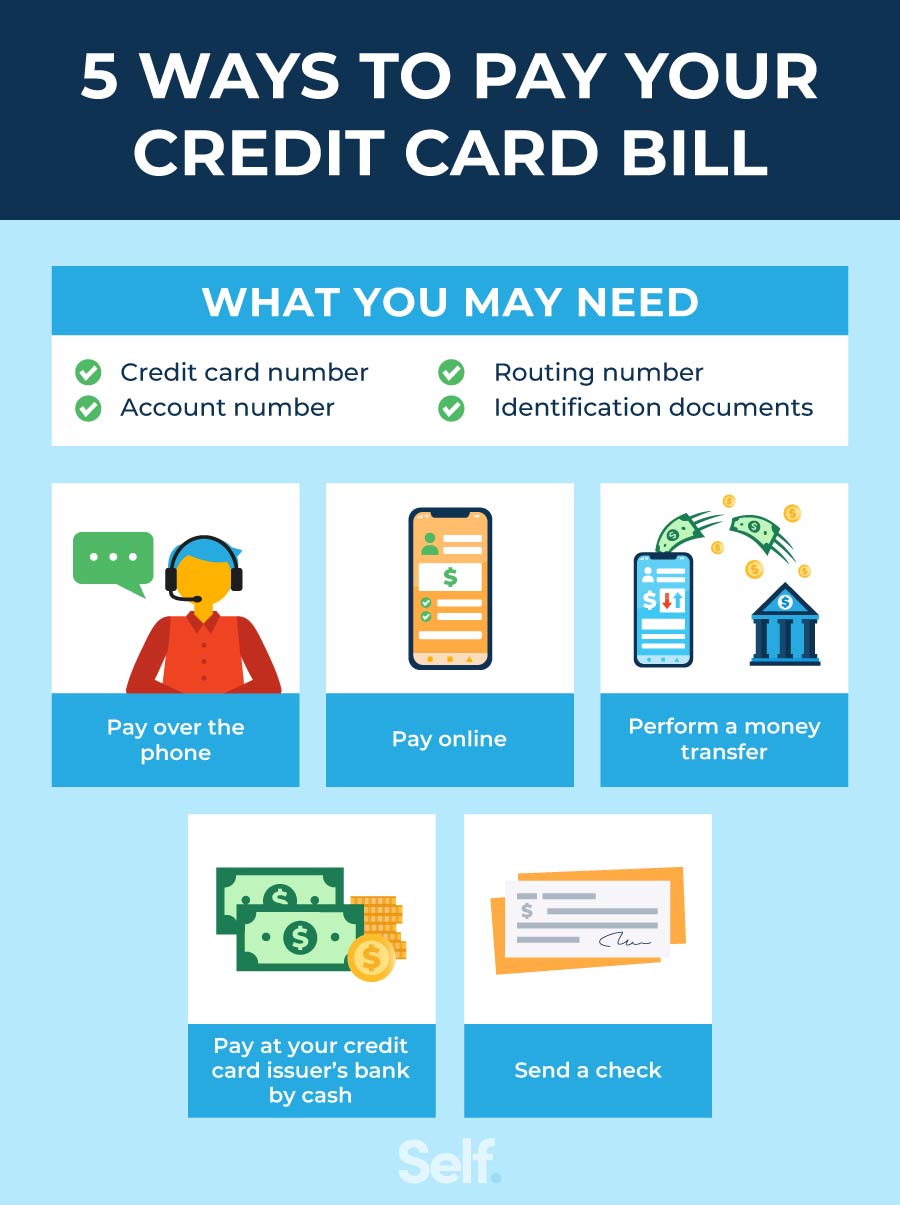
The Strategic Imperative: Why Your Payment Method Matters
At first glance, paying for goods or services seems like a straightforward, almost automatic process. Whether it’s swiping a card, tapping a phone, or handing over cash, the immediate goal is simply to complete the purchase. However, beneath this surface simplicity lies a critical juncture where financial habits are reinforced, opportunities are gained or lost, and security vulnerabilities can emerge. The “how” you pay is not just a logistical detail; it’s a strategic decision with far-reaching implications for your personal finances.
Beyond Transactional: Understanding the Financial Impact
Every payment method carries its own set of advantages and disadvantages, influencing everything from your immediate cash flow to your long-term credit health and even your ability to track spending. Using a credit card, for instance, offers convenience and often rewards, but can lead to accruing interest if not paid off in full. Debit cards provide immediate deduction from your bank account, offering a clear picture of available funds but typically fewer consumer protections than credit cards. Cash, while offering anonymity and a tangible sense of spending, makes digital tracking difficult and carries its own risks of loss or theft. Understanding these inherent trade-offs is the first step toward building a conscious payment strategy. It involves recognizing that each choice is a micro-decision that collectively shapes your financial narrative, impacting your budget adherence, savings potential, and overall financial security.
The Behavioral Economics of Spending
Our payment choices are not always purely rational. Behavioral economics offers fascinating insights into how different payment methods influence our spending habits. Studies have shown that paying with cash can feel more “painful” than using a credit card, leading to more mindful spending. The tangible act of handing over physical money creates a stronger psychological barrier to impulse purchases. Conversely, the “decoupling effect” of credit cards, where the act of payment is separated from the immediate depletion of funds, can encourage overspending. Digital payments, with their seamless, almost invisible nature, can further exacerbate this effect. A conscious payment strategy, therefore, also involves self-awareness. It means understanding how different payment modalities affect your psychological relationship with money and leveraging this insight to foster healthier spending behaviors. For some, a strict cash-only budget for discretionary spending might be a powerful tool, while others might find the discipline to use credit cards responsibly for rewards.
Unpacking Your Payment Portfolio: A Diverse Toolkit
The modern consumer has access to an unprecedented array of payment methods, each designed to cater to different needs and preferences. Building an effective personal payment strategy begins with understanding this diverse toolkit and knowing when and how to deploy each option.
The Ubiquity of Cards: Credit vs. Debit Dynamics
Credit and debit cards remain the backbone of digital transactions. Debit cards offer direct access to funds in your checking account. They are excellent for maintaining strict budget control, as you can’t spend money you don’t have. They also avoid interest charges and typically come with FDIC insurance for your linked bank account. However, consumer protection against fraud may be less robust than with credit cards, and they rarely offer rewards.
Credit cards, on the other hand, offer a line of credit that you repay later. Their primary advantages include enhanced fraud protection, often superior to debit cards, and the potential to earn rewards (cash back, points, miles). They are also crucial for building a strong credit history, which is vital for mortgages, car loans, and even some employment opportunities. The significant caveat, of course, is the risk of high-interest debt if balances are not paid in full each month. A strategic approach involves using credit cards for purchases you would make anyway, paying the balance in full by the due date to avoid interest, and leveraging rewards programs to your advantage.
The Digital Revolution: Mobile Wallets and Peer-to-Peer
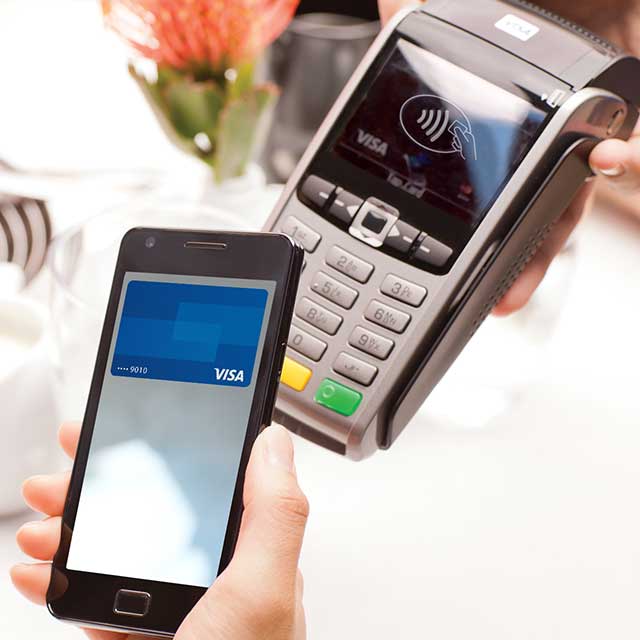
The advent of smartphones has ushered in the era of mobile wallets like Apple Pay, Google Pay, and Samsung Pay. These platforms store your card information securely, allowing for contactless payments at terminals and often enhanced security through tokenization and biometric authentication (fingerprint, facial recognition). Mobile wallets offer unparalleled convenience and speed, eliminating the need to carry physical cards. They also add an extra layer of security, as your actual card number is rarely transmitted during the transaction.
Peer-to-peer (P2P) payment apps such as Venmo, PayPal, and Zelle have revolutionized how individuals send money to each other. Splitting bills, repaying friends, or sending money to family members has become instantaneous and effortless. While incredibly convenient, users should be mindful of privacy settings and verify recipient details carefully, as transactions are often irreversible. These tools are fantastic for social payments but less suited for commercial transactions where traditional consumer protections are preferred.
Cash and Alternative Payment Solutions
Despite the digital surge, cash retains its place as a viable payment method, especially for small transactions, services where tips are common, or in situations where digital payments are not accepted. It offers a clear, tangible representation of spending, which can be a powerful psychological tool for budget adherence. However, cash is susceptible to loss or theft and doesn’t contribute to digital spending records.
Alternative payment solutions are also gaining traction. “Buy Now, Pay Later” (BNPL) services like Affirm and Klarna allow consumers to split purchases into interest-free installments, offering flexibility but also the risk of late fees if payments are missed. Cryptocurrencies, while still nascent for everyday payments, represent a futuristic frontier, offering decentralization and potentially lower transaction fees, though volatility and regulatory uncertainty remain significant hurdles. Understanding these options allows for a tailored payment strategy that aligns with individual financial circumstances and preferences.
Crafting an Optimal Payment Strategy for Financial Wellness
An effective personal payment strategy transcends merely choosing a method; it involves integrating these choices into a holistic financial plan designed to achieve specific goals: maximizing savings, minimizing debt, and building overall financial resilience.
Maximizing Rewards and Minimizing Costs
A cornerstone of smart payment strategy is the diligent pursuit of rewards while simultaneously avoiding unnecessary costs. This means judiciously selecting credit cards that offer cash back, travel points, or specific category bonuses that align with your spending habits. For instance, if you spend heavily on groceries, a card offering 3-5% cash back on supermarket purchases could yield significant annual savings. However, the pursuit of rewards must never come at the expense of incurring interest charges. The value of any reward is quickly negated if you carry a balance.
Beyond rewards, actively avoiding fees is crucial. This includes annual credit card fees (unless the rewards demonstrably outweigh the cost), ATM fees from out-of-network banks, and overdraft fees. Many banks offer ways to waive monthly service fees, such as maintaining a minimum balance or setting up direct deposits. Regularly reviewing bank and credit card statements for unexpected charges is also a vital habit.

Integrating Payments with Budgeting and Financial Goals
The “how I pay” directly impacts the effectiveness of your budgeting efforts. Digital payment methods generate automatic transaction records, which are invaluable for tracking spending. Many budgeting apps seamlessly link to bank and credit card accounts, categorizing expenditures and providing real-time insights into where your money is going. This digital transparency is a powerful tool for staying within budget and identifying areas for adjustment.
For individuals striving to save for a down payment, retirement, or an emergency fund, choosing payment methods that facilitate mindful spending and avoid impulse purchases is paramount. This might involve using debit cards for discretionary spending, or even a pre-loaded gift card for specific categories like entertainment, to create a psychological barrier against overspending. Conversely, utilizing credit cards responsibly for large, planned purchases can extend payment terms without interest if managed correctly, freeing up cash flow for savings goals in the short term.
Navigating Debt: Strategic Payment Prioritization
For those managing consumer debt, especially credit card debt, “how I pay” transforms into “how I pay off.” A strategic approach to debt repayment involves more than just making minimum payments. It includes understanding the interest rates on various debts and prioritizing payments accordingly. The “debt avalanche” method, where you pay off the highest-interest debt first while making minimum payments on others, can save significant money over time. Alternatively, the “debt snowball” method, which focuses on paying off the smallest balances first to build momentum, can be highly motivating.
Furthermore, how you pay for new purchases when carrying debt is critical. If high-interest credit card debt is present, continuing to use credit cards for new purchases can be counterproductive, digging a deeper hole. In such scenarios, opting for debit cards or cash for everyday expenses can prevent further debt accumulation and accelerate the repayment process. Conscious payment choices become an integral part of an overall debt eradication strategy, ensuring every dollar spent contributes positively to your financial liberation.
Fortifying Your Finances: Essential Payment Security Protocols
As digital payments become ubiquitous, the importance of robust security protocols cannot be overstated. The convenience of modern payment methods comes with an inherent responsibility to protect your financial information from fraud, identity theft, and cyberattacks. A strong personal payment strategy includes not just how you transact, but also how diligently you safeguard those transactions.
Shielding Your Digital Transactions
The foundation of digital payment security lies in robust online hygiene. This includes using strong, unique passwords for all financial accounts, ideally managed with a reputable password manager. Enabling two-factor authentication (2FA) wherever possible adds an extra layer of defense, typically requiring a code from your phone or an authenticator app in addition to your password. When using mobile wallets, biometric security (fingerprint, facial recognition) ensures that only you can authorize payments from your device.
Furthermore, be cautious about public Wi-Fi networks, which can be insecure and vulnerable to eavesdropping. It’s always safer to use a secure, private network or a Virtual Private Network (VPN) when conducting financial transactions online. Regularly checking your credit reports for suspicious activity and keeping your operating system and apps updated ensures you benefit from the latest security patches.
Vigilance Against Fraud and Scams
Scammers are constantly evolving their tactics, making continuous vigilance essential. Be wary of unsolicited emails, texts, or phone calls requesting personal financial information. Legitimate financial institutions will rarely ask for your password, PIN, or full account number via email or text. Phishing attempts often mimic reputable organizations to trick you into revealing sensitive data. Always verify the sender and, if in doubt, contact the institution directly using official contact information, not links provided in suspicious messages.
Identity theft is another major concern. Regularly reviewing your bank and credit card statements for unauthorized transactions is crucial. Set up transaction alerts with your bank and credit card companies to receive immediate notifications for purchases, providing an early warning system against fraudulent activity. If you suspect your card information has been compromised, act immediately to cancel the card and report the fraud.
Proactive Steps for Payment Protection
Beyond reactive measures, proactive steps can significantly enhance your payment security. Consider using virtual card numbers for online purchases, if offered by your bank or credit card issuer. These temporary, single-use numbers mask your actual card details, adding a layer of protection against data breaches. For certain online services, a dedicated credit card with a lower limit can minimize potential damage in case of a breach.
Shred sensitive financial documents before disposal. When making physical payments, keep your cards in sight and be wary of suspicious card readers or ATMs. Opting for chip-and-PIN transactions over magnetic stripe whenever possible offers enhanced security. Educating yourself about common scam types and staying informed about new security threats empowers you to make smarter, safer payment decisions.
The Evolving Landscape of Payments: Adapting for Tomorrow
The world of payments is in a constant state of flux, driven by technological innovation and shifting consumer expectations. What constitutes “how I pay” today may look significantly different in a decade. Adapting to these changes and strategically incorporating new technologies into your financial ecosystem is key to maintaining optimal financial wellness.
Embracing Emerging Technologies
The horizon of payments includes exciting developments. Biometric payments, which use unique physical characteristics like fingerprints, facial scans, or even iris patterns for authentication, promise unparalleled security and convenience. While already prevalent in mobile wallets, dedicated biometric payment terminals are becoming more common. Central Bank Digital Currencies (CBDCs), digital forms of a country’s fiat currency, are being explored by governments worldwide and could fundamentally alter the monetary landscape, offering new ways to pay and potentially fostering greater financial inclusion.
Artificial intelligence (AI) is increasingly being leveraged to detect fraud more accurately and personalize financial advice based on spending patterns. Blockchain technology, beyond cryptocurrencies, offers the potential for highly secure, transparent, and efficient payment networks, though widespread adoption for everyday transactions is still some way off. Staying informed about these trends allows you to anticipate changes and selectively adopt technologies that enhance your financial life.
Building a Future-Proof Personal Payment Ecosystem
The goal isn’t to adopt every new technology indiscriminately, but to build a resilient and adaptable personal payment ecosystem that aligns with your individual needs and risk tolerance. This involves a continuous process of learning, evaluating, and integrating. As new payment methods emerge, assess their security features, convenience, cost, and how they fit into your overall financial strategy.
For instance, understanding the tax implications and volatility risks before diving into cryptocurrency payments is crucial. Similarly, embracing new budgeting apps or financial planning software that integrates seamlessly with your payment methods can provide a more comprehensive view of your financial health. A future-proof approach means being open to innovation while maintaining a healthy skepticism, always prioritizing security and financial prudence. The way you pay is a dynamic aspect of your financial identity, and by actively managing and optimizing it, you empower yourself to navigate the financial future with confidence and control.
aViewFromTheCave is a participant in the Amazon Services LLC Associates Program, an affiliate advertising program designed to provide a means for sites to earn advertising fees by advertising and linking to Amazon.com. Amazon, the Amazon logo, AmazonSupply, and the AmazonSupply logo are trademarks of Amazon.com, Inc. or its affiliates. As an Amazon Associate we earn affiliate commissions from qualifying purchases.