
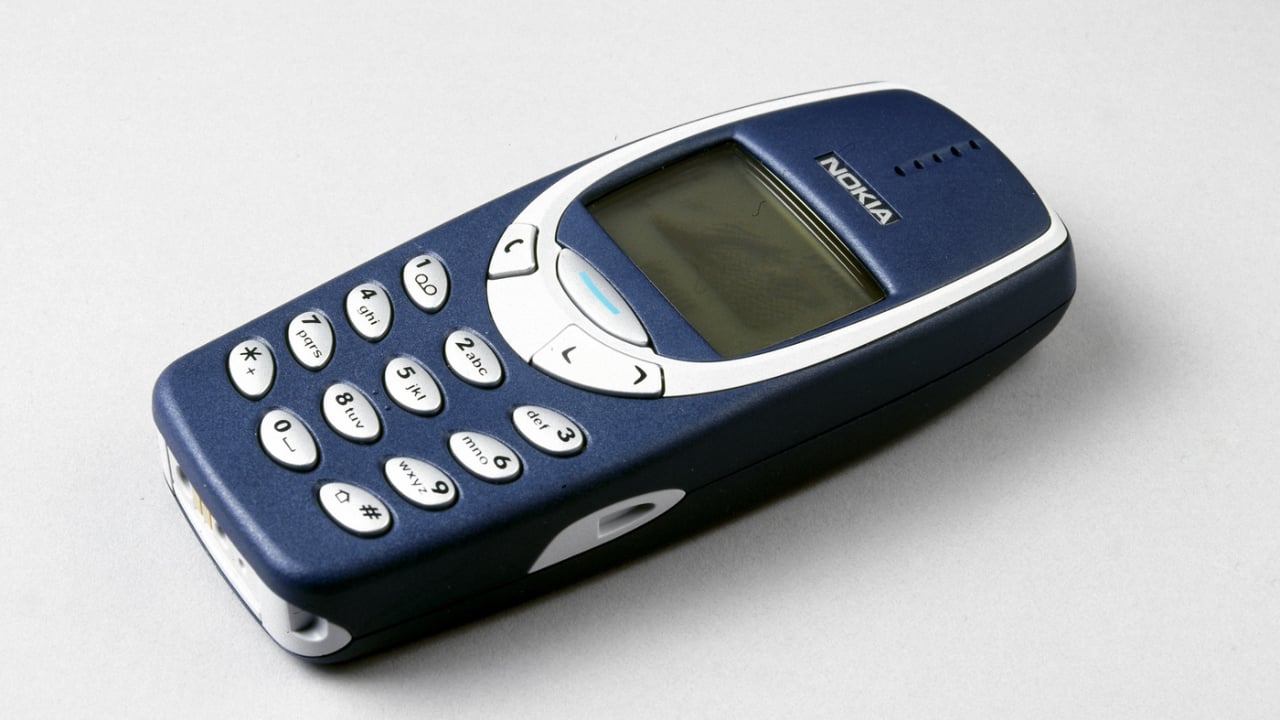
For a generation of consumers, the word “Nokia” is synonymous with the indestructible 3310, the iconic “Connecting People” ringtone, and the ubiquitous dominance of Finnish engineering in the early days of mobile telephony. At its peak, Nokia held a staggering 40% of the global mobile phone market. It was not just a company; it was a cultural touchstone. However, the common narrative suggests that Nokia simply vanished after the rise of the iPhone and the subsequent failure of its partnership with Microsoft.
But if we look closer at the current corporate landscape, a different story emerges. Nokia did not disappear; it underwent one of the most radical brand pivots in modern business history. Today, the question “What about Nokia?” is best answered by looking at how a legacy brand successfully shed its consumer identity to become a foundational pillar of the world’s digital infrastructure.
The Rise and Fall: A Masterclass in Brand Complacency
To understand Nokia’s current brand strategy, one must first analyze the strategic inertia that led to its decline in the consumer space. Nokia’s brand was built on hardware reliability and logistical excellence. In the late 1990s and early 2000s, this was exactly what the market demanded.
The Era of Dominance
Nokia’s brand identity was rooted in the concept of “Connecting People.” This was more than just a slogan; it reflected a hardware-first philosophy. The company excelled at creating devices for every possible niche, from high-end business communicators to ultra-durable phones for emerging markets. Their brand equity was so high that they were often viewed as the default choice for mobile communication. This dominance, however, created a “success trap.”
The Disruptive Force of Software
The downfall began not because Nokia’s hardware failed, but because the definition of a “mobile phone” shifted from a communication tool to a mobile computer. When Apple introduced the iPhone in 2007, they didn’t just launch a device; they launched an ecosystem. Nokia’s brand, heavily tied to the Symbian operating system and physical tactile buttons, was ill-equipped for a world governed by software and touch interfaces. The company’s refusal to abandon its legacy systems in a timely manner is now cited in business schools globally as the ultimate cautionary tale of brand complacency.
The Strategic Pivot: Redefining Corporate Identity
After the sale of its Devices and Services division to Microsoft in 2014, the Nokia brand faced an existential crisis. To the general public, the brand was “dead” because the phones were gone. To the board of directors, however, this was an opportunity to lean into a different part of the company’s heritage: network infrastructure.
Shedding the Mobile Identity
The post-Microsoft Nokia had to decide whether to attempt a comeback in the crowded smartphone market or to reinvent itself entirely. They chose the latter. By acquiring companies like Alcatel-Lucent, Nokia shifted its focus toward the “plumbing” of the internet. The brand moved from B2C (Business-to-Consumer) to B2B (Business-to-Business).
This pivot required a massive internal and external rebranding effort. Nokia had to convince telecom giants like T-Mobile, Verizon, and Orange that it was no longer a struggling phone maker, but a cutting-edge leader in 4G and 5G technology. The brand strategy shifted from “Connecting People” via handsets to “Connecting the World” via industrial-grade networks.
The Acquisition of Alcatel-Lucent
The 2016 acquisition of Alcatel-Lucent was the turning point for Nokia’s new corporate identity. It transformed Nokia into a powerhouse in fixed-line, optical, and IP networking. From a branding perspective, this was a move to secure “The Network” as the new core of the brand. Nokia stopped marketing to individuals and started marketing to governments and global enterprises, positioning itself as a reliable, Western alternative to competitors like Huawei and Ericsson.
Rebranding for the Future: The 2023 Visual Transformation
In early 2023, Nokia made headlines by changing its logo for the first time in nearly 60 years. This was not a mere aesthetic update; it was a strategic declaration that the “old Nokia” was officially retired.
Moving Away from “Connecting People” Nostalgia
The old logo—a heavy, blue typeface—was deeply associated with mobile phones. Even a decade after exiting the handset market, people still looked at that logo and thought of the 3310. For a company trying to sell 5G cloud solutions and industrial IoT (Internet of Things) platforms, this nostalgia was a hindrance.
The new logo is minimalist, angular, and modern. It features five different shapes that together form the word “NOKIA.” Crucially, the iconic blue color was replaced by a more varied palette. This visual shift was designed to signal that Nokia is now a B2B technology innovation leader, focusing on the “metaverse of the industrial world.”
The Logic of the New Minimalist Logo
By breaking the letters into abstract shapes, the brand suggests themes of collaboration, digital fluidity, and connectivity. It signals that Nokia is no longer a box-selling company but a solution-providing company. The rebrand was a clear message to investors and corporate clients: “We are not a phone company. We are the architects of the digital future.”
Brand Equity and the Licensing Strategy
One of the most complex aspects of the Nokia brand today is the existence of Nokia-branded smartphones. Many consumers are surprised to find “Nokia” phones on store shelves, assuming the company has returned to its roots. In reality, these phones are a result of a clever brand-licensing strategy.
HMD Global and the Nostalgia Play
In 2016, HMD Global, a company comprised largely of former Nokia executives, acquired the rights to use the Nokia brand on mobile phones and tablets. This allows the Nokia Corporation to monetize its brand equity without the risk or overhead of manufacturing, marketing, and distributing consumer hardware.
HMD Global’s strategy has leaned heavily into nostalgia. By releasing “reimagined” versions of classics like the 8110 (the “banana phone”) and focusing on clean software and durability, they have kept the Nokia name alive in the consumer’s mind. For the parent Nokia Corporation, this provides a secondary revenue stream and maintains brand visibility, even if it is not their primary business focus.
Maintaining Value in a Fragmented Ecosystem
The challenge for Nokia’s brand management is ensuring that the consumer products from HMD Global do not dilute the “high-tech infrastructure” image of the B2B parent company. This requires a delicate balance. The consumer-facing brand must appear friendly and reliable, while the corporate-facing brand must appear sophisticated and futuristic. This “split-brand” strategy is rare in the tech world, but for Nokia, it has been a vital tool for survival and growth.
Lessons for Modern Brand Managers
Nokia’s journey offers several profound insights for brand strategy and corporate identity. It serves as a blueprint for how a legacy brand can survive the obsolescence of its flagship product.
Adaptability as a Core Brand Value
The most successful brands are those that can separate their core purpose from their specific product. Nokia’s core purpose was always “connection.” When the method of connection changed from physical handsets to cloud-based 5G networks, Nokia eventually adapted its strategy to follow the value. A brand that is too tightly wedded to a specific piece of hardware is a brand that is destined for obsolescence.
Defining Purpose Beyond Product
Nokia’s pivot demonstrates that brand equity is a versatile asset. Even when the company was at its lowest point during the Windows Phone era, the “Nokia” name still held value in terms of perceived quality and engineering integrity. By transferring that reputation for “Finnish reliability” to the telecommunications infrastructure sector, the company saved itself.
The Power of the Rebrand
Finally, Nokia shows that a rebrand must be more than skin deep. The 2023 logo change worked because it followed years of internal restructuring and a shift in business focus. A rebrand that precedes a change in business model is often seen as desperate; a rebrand that follows a successful pivot, like Nokia’s, is seen as an evolution.

Conclusion: The New Nokia
So, what about Nokia? The Nokia of today is a multibillion-euro enterprise that powers the very networks we use to access the internet, stream video, and conduct global commerce. It has successfully navigated the “Valley of Death” that claims most companies when their primary market is disrupted.
By prioritizing brand strategy over product sentimentality, Nokia has reinvented itself. It has moved from our pockets to the clouds, from the palm of our hands to the fiber-optic cables under our streets. The brand is no longer just about “Connecting People”; it is about building the digital fabric of the 21st century. While the world may miss the physical click of a Nokia keypad, the brand’s survival as a global B2B powerhouse is a much more impressive feat of strategy and endurance.
aViewFromTheCave is a participant in the Amazon Services LLC Associates Program, an affiliate advertising program designed to provide a means for sites to earn advertising fees by advertising and linking to Amazon.com. Amazon, the Amazon logo, AmazonSupply, and the AmazonSupply logo are trademarks of Amazon.com, Inc. or its affiliates. As an Amazon Associate we earn affiliate commissions from qualifying purchases.