
NVIDIA has transformed from a niche graphics card manufacturer into one of the most pivotal companies in the global technology landscape, particularly at the vanguard of the artificial intelligence revolution. Its stock, NVDA, has experienced a trajectory that can only be described as meteoric, capturing the attention of seasoned institutional investors and retail traders alike. But beyond the headlines of record-breaking valuations and dramatic surges, what precisely is driving this phenomenon, and what does it mean for the future of the company and its investors? To understand the intricate dance of NVIDIA’s stock, we must delve into the confluence of technological innovation, market demand, financial performance, and the ever-present specter of market sentiment and future projections. This deep dive aims to unravel the layers behind NVIDIA’s extraordinary market journey, offering insights into the forces shaping its financial narrative.

The Unprecedented Surge: A Look at NVIDIA’s Recent Trajectory
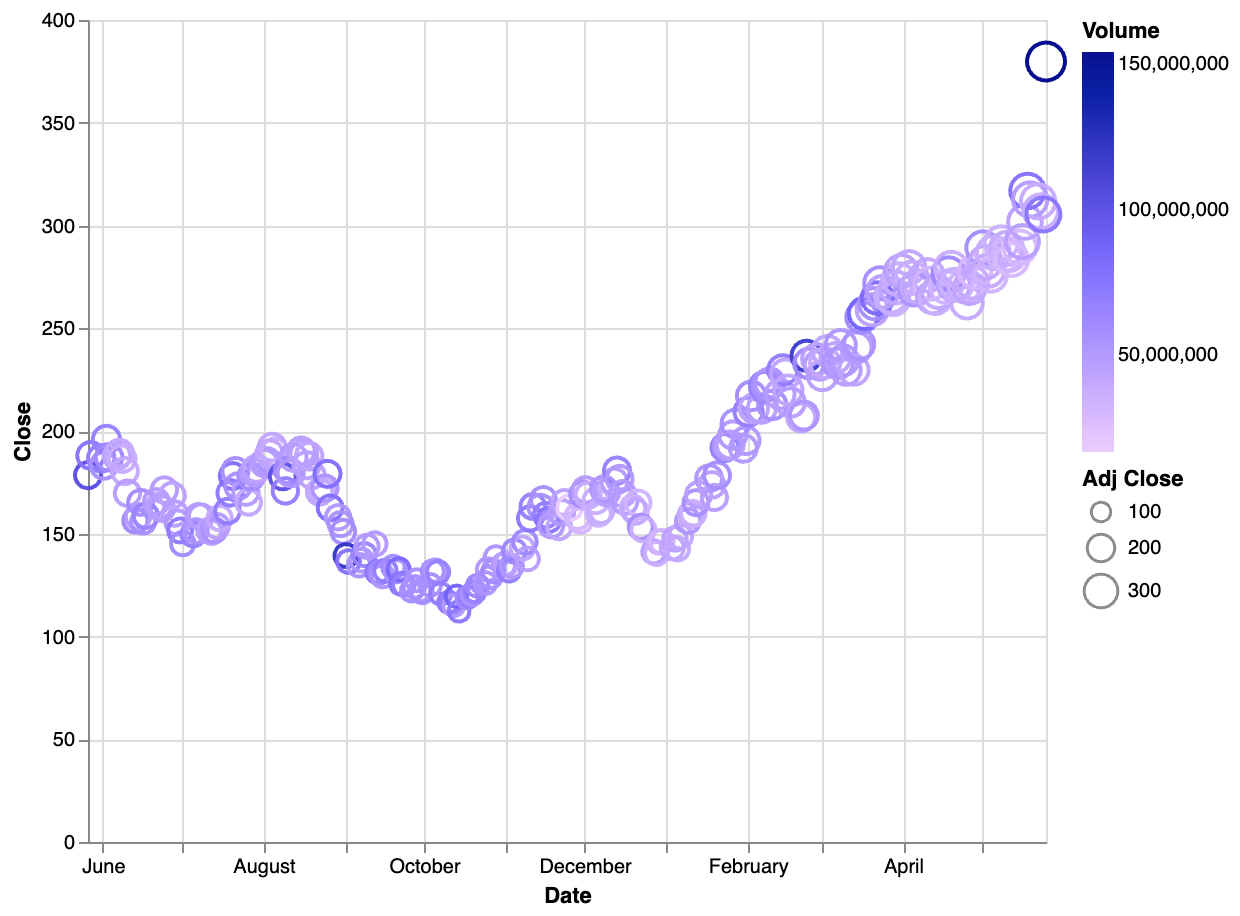
The story of NVIDIA’s stock in recent years is one of exponential growth, outpacing many market benchmarks and even its most formidable competitors. This unprecedented surge isn’t merely speculative; it’s anchored in the company’s strategic positioning and technological dominance within critical high-growth sectors. The market has rewarded NVIDIA for its foresight and execution, recognizing its indispensable role in the current technological paradigm shift.
Fueling the AI Revolution
At the heart of NVIDIA’s valuation surge is its undeniable leadership in artificial intelligence. Its Graphics Processing Units (GPUs), initially designed for rendering complex computer graphics, have proven to be exceptionally well-suited for the parallel processing demands of AI workloads, including machine learning, deep learning, and neural networks. As AI applications proliferate across industries – from autonomous vehicles and healthcare to data analytics and scientific research – the demand for NVIDIA’s specialized hardware has skyrocketed. The company effectively established an early and commanding lead in providing the foundational computational infrastructure for the AI revolution, making its products a critical bottleneck for any entity aspiring to develop or deploy advanced AI. This strategic bottleneck position has translated directly into significant revenue growth and market share expansion.
Market Dominance and Ecosystem Lock-in
NVIDIA’s dominance extends beyond just hardware. The company has meticulously built a comprehensive software ecosystem around its GPUs, most notably CUDA (Compute Unified Device Architecture). CUDA is a parallel computing platform and programming model that makes it easier for developers to use NVIDIA GPUs for general-purpose computing. This ecosystem creates a significant barrier to entry for competitors and a powerful lock-in effect for customers. Developers and researchers who invest years learning and optimizing their AI models on CUDA-enabled hardware are unlikely to switch to alternative platforms without a compelling reason. This robust ecosystem ensures recurring demand for NVIDIA’s latest hardware iterations, as the software developed for previous generations remains largely compatible and optimized within the NVIDIA framework. This powerful combination of superior hardware and an entrenched software ecosystem fortifies NVIDIA’s market leadership and pricing power.
The Data Center Powerhouse
While NVIDIA gained initial fame in the gaming sector, its true financial powerhouse today is its Data Center segment. This division provides the advanced GPUs, networking solutions, and software platforms that power cloud computing giants, enterprise data centers, and supercomputers around the globe. As companies increasingly move their operations to the cloud and invest heavily in AI infrastructure, the demand for NVIDIA’s high-performance computing solutions has exploded. Hyperscalers like Amazon Web Services, Google Cloud, and Microsoft Azure rely heavily on NVIDIA’s technology to offer AI services to their vast customer bases. The sheer scale of investment in data center infrastructure, coupled with the growing complexity of AI models, ensures a sustained and escalating demand for NVIDIA’s offerings, directly contributing to its robust financial performance and optimistic future projections.
Understanding the Drivers Behind the Valuation
NVIDIA’s market capitalization has soared to unprecedented levels, placing it among the world’s most valuable companies. Such a valuation is not merely a reflection of past performance but a strong indicator of investor confidence in its future earnings potential. Understanding the financial and strategic underpinnings of this valuation is crucial for any investor.
Earnings Growth and Future Projections
The most fundamental driver of any stock’s value is its earnings potential. NVIDIA has consistently delivered stellar earnings growth, often surpassing analyst expectations, particularly in its data center division. This growth is propelled by escalating demand for its AI chips, increased average selling prices for its advanced GPUs, and expanding software and services revenue. Analysts frequently revise their price targets upwards, reflecting a bullish outlook on the company’s ability to maintain its growth trajectory. The market is not just pricing in current success but also the anticipated revenue streams from future generations of AI hardware, expanded market penetration, and diversification into new verticals. Investors are betting on NVIDIA’s long-term ability to capture a significant share of the rapidly expanding AI market, which is projected to grow exponentially over the next decade.
Supply Chain Dynamics and Pricing Power
NVIDIA’s ability to navigate complex global supply chains and maintain a tight grip on pricing power has also been a significant factor. Despite global semiconductor shortages and geopolitical tensions, NVIDIA has largely managed to secure adequate manufacturing capacity from its foundry partners, most notably TSMC, to meet overwhelming demand for its high-end chips. This strategic supply chain management, combined with the irreplaceable nature of its products for specific high-performance computing tasks, has allowed NVIDIA to command premium prices. The lack of direct, scalable, and equally performant alternatives in the high-end AI chip market gives NVIDIA a considerable degree of pricing power, directly bolstering its gross margins and profitability, which in turn fuels investor confidence.
Institutional Investment and Analyst Sentiment
A substantial portion of NVIDIA’s market cap is held by large institutional investors – pension funds, mutual funds, hedge funds, and sovereign wealth funds. These entities often make long-term bets on companies with strong fundamentals and compelling growth narratives. The consensus among leading financial analysts has been overwhelmingly positive, with a high proportion rating NVIDIA as a “buy” or “strong buy.” This positive sentiment, widely disseminated through financial media and research reports, helps to reinforce investor confidence and attract further capital. The “fear of missing out” (FOMO) can also play a role, as investors are reluctant to be underweight a company that is consistently outperforming the market and is seen as a bellwether for the future of technology.
Navigating Volatility and Investor Considerations
While NVIDIA’s ascent has been remarkable, no stock, no matter how dominant, is immune to market volatility and inherent risks. Investors must consider these factors to form a balanced perspective and make informed decisions, especially when valuations reach unprecedented heights.
Valuation Concerns and Market Corrections
One of the most frequently raised concerns about NVIDIA stock is its valuation. With price-to-earnings (P/E) ratios often far exceeding market averages, some analysts and investors worry that the stock may be overvalued, pricing in too much future growth too quickly. While high-growth companies often command premium valuations, an excessively stretched valuation can make a stock more susceptible to sharp corrections during broader market downturns or if the company fails to meet elevated earnings expectations. Any signs of a slowdown in AI adoption, increased competition, or economic headwinds could trigger significant sell-offs, causing substantial losses for those invested at peak valuations. Prudent investors continuously assess the balance between growth potential and current valuation multiples.
Geopolitical Risks and Regulatory Headwinds
NVIDIA operates in a highly globalized industry, making it susceptible to geopolitical tensions and regulatory changes. The ongoing technological rivalry between major global powers, particularly concerning semiconductor technology, poses a significant risk. Export controls, trade restrictions, and national security concerns could impact NVIDIA’s ability to sell its advanced chips to key markets, particularly China, which represents a substantial portion of its revenue. Additionally, regulatory scrutiny regarding market dominance, anti-trust concerns, or even intellectual property disputes could introduce uncertainty and potential fines or restrictions. Navigating this complex global landscape requires careful strategic planning and carries inherent financial risks that investors must acknowledge.
Competition and Innovation Challenges
Despite its current dominance, NVIDIA operates in a highly competitive and rapidly evolving industry. Competitors such as AMD, Intel, and even custom chip developers (like Google’s TPUs or Amazon’s Inferentia chips) are investing heavily to develop alternative AI hardware solutions. While NVIDIA currently holds a technological lead, sustaining this edge requires relentless innovation and massive R&D investment. A breakthrough from a competitor, a shift in AI architecture favoring different hardware, or even a misstep in NVIDIA’s product roadmap could erode its market share and profitability. Investors need to monitor the competitive landscape closely, as innovation cycles in semiconductors are fast and unforgiving.
Long-Term Outlook and Strategic Positioning
Looking beyond the immediate market dynamics, NVIDIA’s long-term prospects are intricately tied to its strategic vision, ability to diversify, and sustained investment in future technologies. The company is actively working to expand its influence beyond its core GPU business, aiming to solidify its position as a foundational technology provider for the digital future.
Expanding Beyond GPUs: Software and Services
NVIDIA recognizes that hardware alone, however powerful, is not enough to maintain long-term dominance. The company is strategically expanding its software and services offerings, aiming to create a more sticky and diversified revenue stream. Platforms like NVIDIA AI Enterprise, DGX Cloud, and its omniverse platform are designed to provide comprehensive solutions for enterprises building AI applications and digital twins. These software layers not only enhance the value proposition of its hardware but also open up recurring revenue models, which are highly prized by investors. The shift towards a more platform-centric approach, where hardware, software, and services are tightly integrated, strengthens NVIDIA’s ecosystem and customer relationships, building a more resilient business model for the future.
New Market Opportunities: Automotive, Robotics, Metaverse
NVIDIA is aggressively pursuing expansion into new, high-growth market segments beyond traditional data centers and gaming. Its Drive platform is making significant inroads into the autonomous vehicle industry, providing the computational brains for self-driving cars. Similarly, its Jetson platform is powering a new generation of robotics, from industrial automation to drones. The company is also a leading proponent and enabler of the metaverse, with its Omniverse platform providing the tools for creating and simulating realistic virtual worlds and digital twins. These emerging markets represent vast, untapped revenue opportunities that could sustain NVIDIA’s growth for decades, diversifying its revenue base and reducing reliance on any single sector. Success in these ventures will be crucial for justifying its long-term valuation.
R&D Investment and Sustainable Advantage
A significant portion of NVIDIA’s operating expenses is dedicated to research and development. This relentless investment in R&D is critical for maintaining its technological leadership and sustainable competitive advantage. By continually pushing the boundaries of chip design, architecture, and software optimization, NVIDIA aims to stay ahead of competitors and anticipate future market needs. This long-term commitment to innovation is a key indicator for investors seeking companies with enduring growth potential. As long as NVIDIA continues to introduce groundbreaking products and solutions that redefine what’s possible in AI and high-performance computing, it stands a strong chance of maintaining its premium market position and attracting investor confidence.

Conclusion
NVIDIA’s journey from a graphics chip company to an AI behemoth has been a captivating financial narrative. Its stock performance is a testament to its technological leadership, strategic foresight, and indispensable role in the AI revolution. The unprecedented surge in its valuation is driven by robust earnings growth in its data center segment, fortified by a powerful software ecosystem and strong pricing power. However, like all high-growth stocks, NVIDIA is not without its risks. Valuation concerns, geopolitical uncertainties, and an ever-competitive landscape demand careful consideration from investors.
Looking ahead, NVIDIA’s strategic expansion into software and services, coupled with its aggressive pursuit of new markets like autonomous vehicles, robotics, and the metaverse, paints a picture of a company actively charting a course for long-term relevance and growth. For investors, understanding “what is going on with NVIDIA stock” means recognizing the delicate balance between its unparalleled innovation and the inherent risks of a high-stakes, high-valuation investment. While the ride may be volatile, NVIDIA’s foundational role in the future of computing suggests it will remain a crucial stock to watch and analyze for years to come.
aViewFromTheCave is a participant in the Amazon Services LLC Associates Program, an affiliate advertising program designed to provide a means for sites to earn advertising fees by advertising and linking to Amazon.com. Amazon, the Amazon logo, AmazonSupply, and the AmazonSupply logo are trademarks of Amazon.com, Inc. or its affiliates. As an Amazon Associate we earn affiliate commissions from qualifying purchases.