
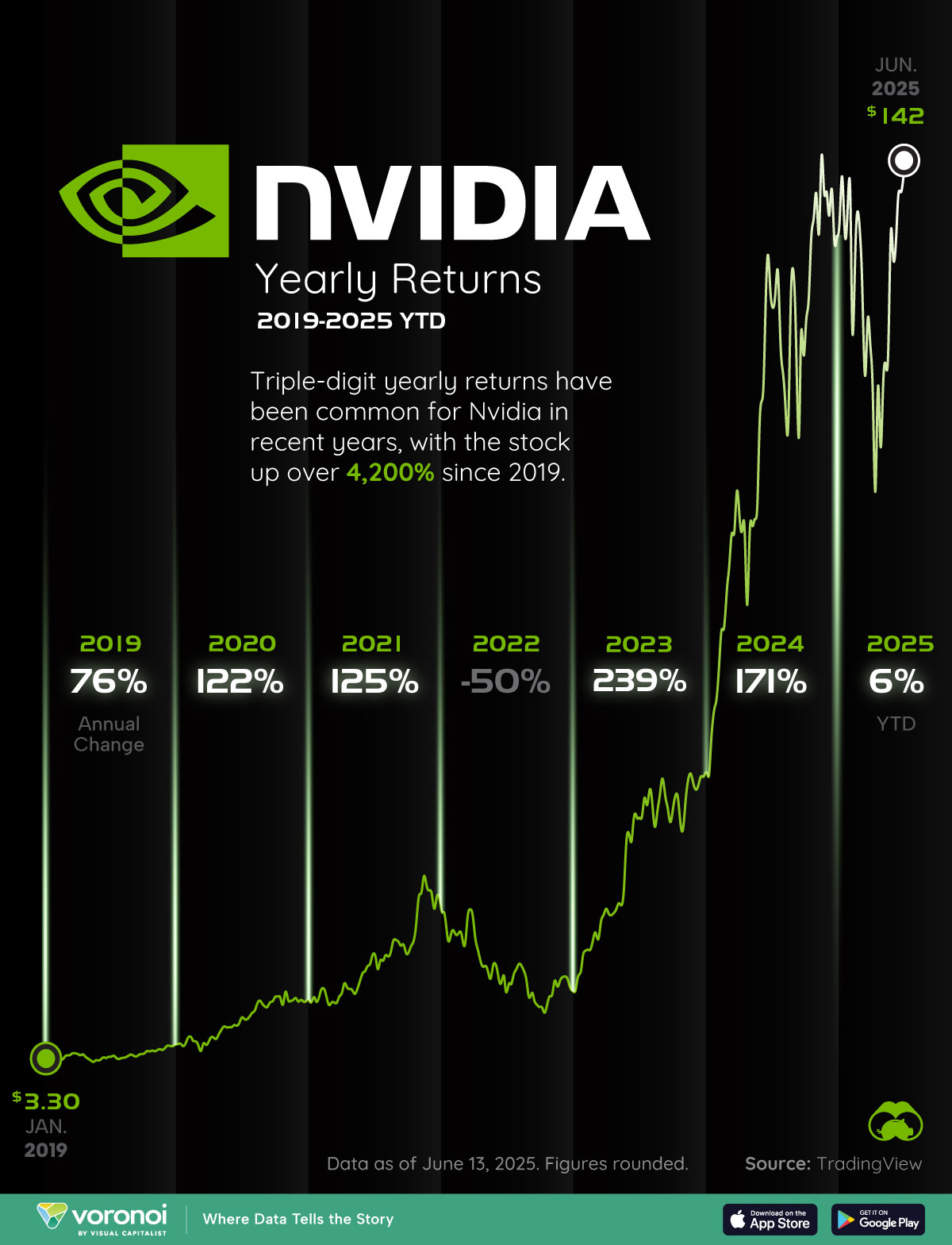
When an investor asks, “What is the price of NVIDIA?”, they’re rarely seeking a simple numerical answer. While the daily stock quote provides a snapshot, the true “price” of NVIDIA encompasses a complex interplay of market valuation, financial performance, technological leadership, and future growth potential. For seasoned investors and those new to the market alike, understanding this multifaceted price requires delving beyond the ticker symbol and into the economic engine that drives one of the world’s most influential technology companies. This article explores NVIDIA’s valuation from an investment perspective, dissecting the factors that determine its market “price” and what it signifies for portfolios and the broader economy.
NVIDIA’s Market Value: Deconstructing “The Price”
At its most fundamental level, the “price” of NVIDIA refers to its share price on stock exchanges like the NASDAQ. This figure, constantly fluctuating throughout the trading day, represents the market’s collective assessment of the company’s value at any given moment. However, the true economic significance lies in understanding what this price reflects and how it contributes to the company’s overall market capitalization.
More Than Just a Stock Price: Market Cap and Intrinsic Value
The stock price is merely one component of NVIDIA’s market value. More importantly, investors consider its market capitalization – the total value of all its outstanding shares (share price multiplied by the number of shares outstanding). Market cap provides a more comprehensive view of the company’s size and perceived worth. Beyond these immediate figures, sophisticated investors also seek to estimate NVIDIA’s intrinsic value, which is an analytical estimation of what a company is “truly” worth, independent of temporary market fluctuations. This often involves discounted cash flow (DCF) models, asset valuation, and other financial modeling techniques, aiming to determine if the stock is currently overvalued, undervalued, or fairly priced. The gap between market price and intrinsic value often drives investment decisions.
Key Financial Metrics Influencing Valuation
Several core financial metrics are critical in determining NVIDIA’s price and perceived value. Revenue growth indicates the company’s ability to expand its sales; consistent, robust growth often fuels higher valuations. Earnings Per Share (EPS), which measures the company’s profit allocated to each outstanding share, is another vital indicator of profitability and financial health. Investors frequently look at Price-to-Earnings (P/E) ratios to gauge how much they are paying for each dollar of earnings, comparing it against industry averages and historical trends. Other metrics like gross margins, operating margins, return on equity (ROE), and free cash flow (FCF) provide deeper insights into NVIDIA’s operational efficiency, profitability, and ability to generate cash, all of which directly influence its perceived investment “price.”
The Dynamics of Stock Fluctuations
NVIDIA’s stock price, like any other, is a dynamic reflection of supply and demand in the market. Investor sentiment, often influenced by news, analyst reports, macroeconomic conditions, and company announcements (such as earnings reports or new product launches), plays a significant role. Positive news or strong earnings can increase demand, pushing the price up, while negative developments or broad market downturns can lead to selling pressure, driving the price down. This constant interplay makes NVIDIA’s “price” a living, breathing number, reflecting the market’s ever-evolving assessment of its prospects.
The Pillars of NVIDIA’s Economic Power: Key Drivers of Value
NVIDIA’s impressive valuation stems from its strategic positioning and unparalleled technological leadership across several high-growth sectors. Its economic power is built on a foundation of innovation and market dominance in areas critical to the future of technology and finance.
Dominance in AI and Data Centers
Perhaps the most significant driver of NVIDIA’s recent valuation surge is its undeniable dominance in Artificial Intelligence (AI) and data center acceleration. NVIDIA’s Graphics Processing Units (GPUs) have become the de facto standard for training and deploying AI models, from large language models to complex scientific simulations. As AI continues to permeate every industry, the demand for NVIDIA’s high-performance computing platforms, including its CUDA software ecosystem, has skyrocketed. This segment provides robust revenue streams and positions NVIDIA at the very heart of the AI revolution, making it an indispensable partner for cloud providers, research institutions, and enterprises globally. The “price” of NVIDIA, in this context, reflects its vital role as a picks-and-shovels provider in a digital gold rush.
Gaming Market Leadership
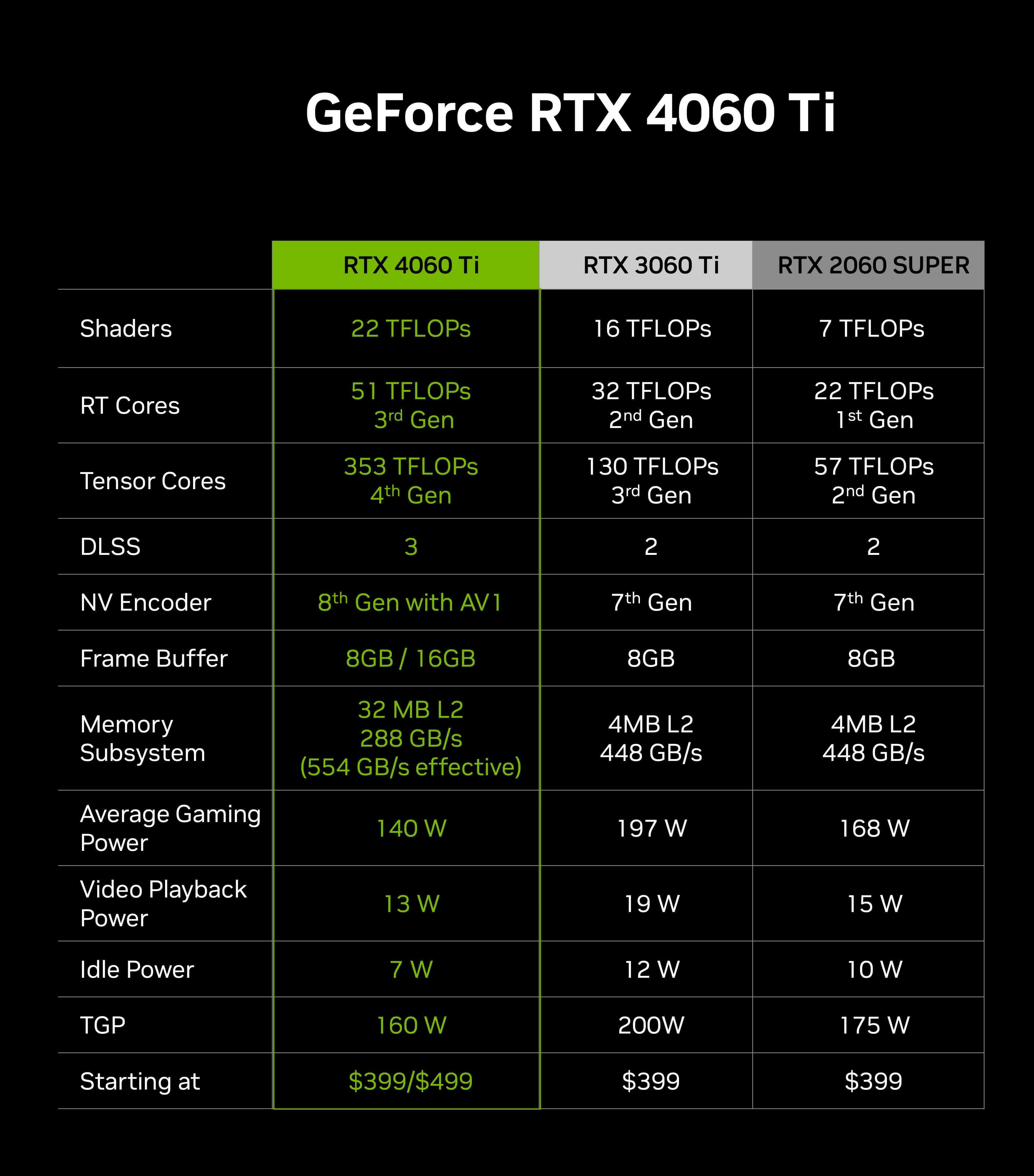
NVIDIA’s legacy and continued strength in the gaming market remain a crucial component of its economic value. Its GeForce GPUs are synonymous with high-end PC gaming, driving innovation in graphics, ray tracing, and AI-powered upscaling technologies like DLSS. This consistent leadership provides a stable revenue base and strong brand loyalty, demonstrating the company’s ability to innovate within a consumer-facing market while also leveraging its core technology for broader applications. The gaming division’s profitability and market share contribute significantly to NVIDIA’s overall financial health and, by extension, its market price.
Emerging Markets: Automotive and Professional Visualization
Beyond its core strengths, NVIDIA is strategically expanding into new, high-growth markets that promise future revenue streams and diversification. Its NVIDIA DRIVE platform is a leading solution for autonomous vehicles, offering scalable AI computing for self-driving cars, robotaxis, and trucking. Similarly, its professional visualization solutions, including Quadro GPUs and Omniverse platform, are transforming industries like architecture, engineering, media and entertainment, and manufacturing by enabling real-time 3D simulation and collaboration. These emerging markets represent significant long-term growth catalysts, adding a layer of speculative “future value” to NVIDIA’s current “price” as investors factor in their potential contributions to future earnings.
Financial Health and Performance: A Look Under the Hood
A company’s “price” is fundamentally underpinned by its financial health and operational performance. For NVIDIA, a deep dive into its balance sheet, income statement, and cash flow reveals the strength that supports its premium valuation.
Revenue Streams and Diversification
NVIDIA’s revenue is primarily segmented into Data Center, Gaming, Professional Visualization, and Automotive. The significant growth in the Data Center segment, fueled by AI and cloud computing, has become the dominant revenue driver. However, the other segments provide crucial diversification, reducing dependence on any single market. This balanced revenue portfolio enhances financial stability and growth potential, making the company more resilient to downturns in any one sector. The ability to pivot and expand into multiple high-growth areas speaks volumes about NVIDIA’s strategic foresight and technological adaptability.

Profitability and Margins
NVIDIA consistently demonstrates impressive profitability and strong margins, which are key indicators of its competitive advantage and pricing power. High gross margins indicate the company’s ability to manufacture its products efficiently and command premium prices. Similarly, healthy operating margins reflect effective cost management and operational efficiency. These robust margins translate into substantial net income and free cash flow, providing the capital for aggressive R&D, strategic acquisitions, and shareholder returns. Strong profitability metrics reassure investors about the company’s ability to generate sustainable earnings, directly supporting a higher “price” multiple for its shares.
Research & Development Investment
For a technology company like NVIDIA, sustained investment in Research & Development (R&D) is not merely an expense; it’s an investment in future growth and continued market leadership. NVIDIA consistently allocates a significant portion of its revenue to R&D, driving breakthroughs in GPU architecture, AI software, networking, and new computing platforms. This commitment to innovation ensures that NVIDIA remains at the forefront of technological advancement, developing the next generation of products and solutions that will underpin its future revenue streams and maintain its competitive moat. Investors often reward companies with high R&D spending, understanding that it’s crucial for long-term value creation and justifies a higher market “price.”
Investing in NVIDIA: Opportunities, Risks, and Future Outlook
Understanding NVIDIA’s “price” also requires an examination of the investment landscape, weighing its undeniable opportunities against inherent risks and considering its future trajectory in the rapidly evolving tech sector.
Valuation Metrics and Investment Strategies
NVIDIA’s stock often trades at a premium valuation, reflecting its strong growth prospects and market leadership. Investors scrutinize various valuation metrics, such as forward P/E, PEG (Price/Earnings to Growth) ratio, and enterprise value to EBITDA, to determine if the current “price” is justified. Growth investors might be willing to pay a higher multiple for NVIDIA due to its potential for exponential earnings growth, especially in AI. Value investors, on the other hand, would analyze its intrinsic value and look for potential discrepancies between market price and underlying worth. Different investment strategies will interpret NVIDIA’s “price” differently, making it crucial for individual investors to align their approach with their financial goals and risk tolerance.
Competitive Landscape and Innovation Pace
While NVIDIA holds a dominant position, particularly in high-end GPUs and AI accelerators, it operates in a fiercely competitive environment. Major tech giants like Intel, AMD, and even customers developing their in-house chips (e.g., Google’s TPUs, Amazon’s Trainium) pose ongoing competitive threats. The pace of innovation in semiconductors and AI is relentless, meaning NVIDIA must constantly innovate to maintain its edge. Any perceived slowdown in innovation or significant competitive inroads could impact its market share, profitability, and ultimately, its stock “price.” Investors closely watch product roadmaps and competitive announcements.
Supply Chain Risks and Geopolitical Factors
As a global semiconductor company, NVIDIA is exposed to significant supply chain risks. Dependencies on foundries like TSMC, potential disruptions from geopolitical tensions (e.g., US-China relations), and global economic downturns can all impact production, costs, and sales. Shortages of key components or restrictions on technology exports can severely affect NVIDIA’s ability to meet demand and grow, leading to volatility in its stock price. A comprehensive understanding of NVIDIA’s “price” must therefore include an assessment of these macro-level external risks.
Strategic Implications: NVIDIA’s Influence on the Broader Economy
Beyond its direct financial metrics, NVIDIA’s “price” and market performance carry significant strategic implications for the broader economy, acting as a bellwether for technological advancement and a catalyst for innovation across various industries.
NVIDIA as an Economic Bellwether
NVIDIA’s performance is often seen as a leading indicator for the health of the technology sector and, by extension, the broader economy. Its sales figures for data center GPUs can signal the pace of AI adoption and cloud computing investments. Strong demand for its gaming GPUs can reflect consumer spending habits in discretionary tech. As a critical infrastructure provider for AI, its growth trajectory offers insights into the speed and scale of the fourth industrial revolution. Thus, NVIDIA’s “price” is not just about the company itself, but also reflects the pulse of the digital economy.
Job Creation and Innovation Ecosystem
NVIDIA’s economic impact extends to significant job creation, both directly within the company and indirectly through its vast ecosystem of partners, developers, and customers. Its innovative platforms empower countless startups and established companies to build new products and services, fostering a vibrant innovation ecosystem. From AI researchers and software engineers to hardware designers and manufacturing specialists, NVIDIA’s presence drives demand for highly skilled labor, contributing to economic growth and technological progress globally. The capital appreciation represented by its market “price” effectively validates this ongoing, profound contribution to human capital and innovation.
Impact on Related Industries
NVIDIA’s success ripples through numerous related industries. Its demand for advanced semiconductor manufacturing benefits foundries and equipment suppliers. Its GPU architecture and software tools fuel the growth of AI software developers, cloud service providers, and data analytics firms. The gaming industry, automotive sector, and professional visualization market all rely heavily on NVIDIA’s technological advancements. Therefore, shifts in NVIDIA’s “price” can signal broader trends and opportunities or challenges for this interconnected web of businesses, making it a critical stock to watch for financial analysts and economists.
Conclusion
The question “what is the price of NVIDIA?” yields far more than a single number. It opens a window into the intricacies of market valuation, the power of technological leadership, and the profound economic impact of a company at the forefront of the AI revolution. For investors, understanding NVIDIA’s “price” involves dissecting its financial health, analyzing its growth drivers, assessing its competitive landscape, and weighing its opportunities against its risks. It’s a journey into recognizing the dynamic interplay of innovation, market forces, and strategic execution that collectively determine the value of a company poised to shape the future. Ultimately, NVIDIA’s price represents not just a current valuation, but a collective bet on its continued ability to innovate, dominate, and drive the next wave of technological and economic transformation.
aViewFromTheCave is a participant in the Amazon Services LLC Associates Program, an affiliate advertising program designed to provide a means for sites to earn advertising fees by advertising and linking to Amazon.com. Amazon, the Amazon logo, AmazonSupply, and the AmazonSupply logo are trademarks of Amazon.com, Inc. or its affiliates. As an Amazon Associate we earn affiliate commissions from qualifying purchases.