
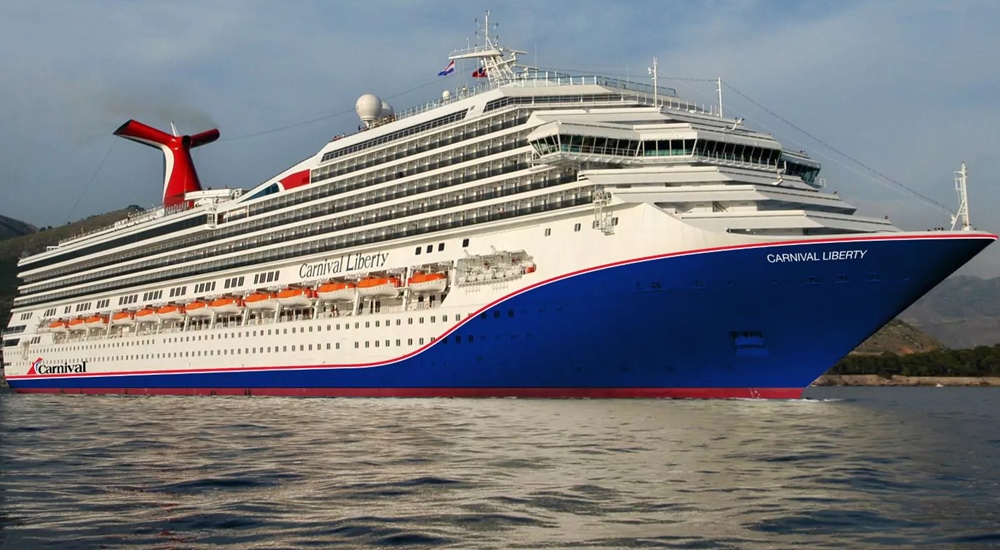
In an era defined by instant information and global connectivity, the seemingly simple question, “Where is Carnival Liberty now?” opens a fascinating window into the advanced technological infrastructure that underpins the modern maritime industry. It’s no longer just a matter of consulting a static timetable; tracking a massive vessel like the Carnival Liberty, a 952-foot cruise ship carrying thousands of passengers and crew across vast oceans, is a sophisticated ballet of satellite communications, automated identification systems, and intricate data analytics. Far from a mere curiosity, the ability to pinpoint a ship’s real-time location and understand its operational context is critical for safety, efficiency, customer experience, and the very economics of global shipping and tourism. This deep dive explores the technological sinews that connect us to the high seas, revealing how innovations keep us informed about not just the Carnival Liberty, but the entire global fleet.
The Digital Compass: How We Locate “Liberty” in Real-Time
The instantaneous knowledge of a vessel’s position, whether it’s a colossal cruise liner or a solitary cargo ship, is a testament to an interconnected web of digital systems. For the Carnival Liberty, and indeed most commercial vessels today, its location isn’t a secret but a continuously broadcast dataset, accessible through a combination of mandatory and proprietary technologies. This omnipresent digital footprint ensures accountability, safety, and unparalleled logistical clarity.
AIS: The Backbone of Maritime Visibility
At the core of tracking modern vessels is the Automatic Identification System (AIS). Mandated by the International Maritime Organization (IMO) for all international voyaging ships over 300 gross tonnage, AIS transponders continuously transmit a wealth of information. This includes the vessel’s unique identity (MMSI number, name, call sign), type, dimensions, its current position (latitude and longitude), speed over ground, course over ground, navigational status (e.g., “at anchor,” “under way using engine”), and destination. These signals are picked up by other AIS-equipped vessels, shore-based stations, and increasingly, by satellite receivers. The data, updated every few seconds or minutes depending on speed, creates a dynamic, real-time map of maritime traffic, allowing everyone from port authorities to marine enthusiasts to see where the Carnival Liberty is, where it’s headed, and how fast it’s moving. This system significantly enhances collision avoidance and maritime domain awareness, transforming the safety landscape of busy shipping lanes and open waters alike.
Satellite Networks and GPS: Pinpointing Global Positions
While AIS provides the “what” and “where” to local receivers, global positioning relies heavily on satellite technology. Every vessel, including the Carnival Liberty, is equipped with Global Positioning System (GPS) receivers, which constantly triangulate their position using signals from orbiting satellites. This provides highly accurate latitude and longitude data, fundamental not only for navigation but also for feeding into the AIS system. Beyond GPS, the communication of this data, and all other operational information from a ship, often relies on sophisticated satellite communication networks. Systems like Inmarsat, Iridium, and VSAT (Very Small Aperture Terminal) provide broadband connectivity across the oceans, enabling the continuous transmission of AIS data to shore-based systems, fleet management centers, and public tracking websites. These satellite links are the digital arteries that allow the cruise line’s headquarters to monitor the Carnival Liberty’s progress, weather conditions, and operational status, even when it’s thousands of miles from the nearest land.
Proprietary Fleet Management Systems
For a major operator like Carnival Cruise Line, public AIS and GPS data are just the tip of the iceberg. Behind the scenes, sophisticated proprietary fleet management systems integrate and augment this public data with internal operational intelligence. These systems combine real-time positional data with detailed vessel schematics, engine performance metrics, fuel consumption rates, weather routing software, passenger manifests, crew schedules, and supply chain logistics. They offer a holistic view of not just “where” the Carnival Liberty is, but “how” it’s operating. These platforms provide advanced analytics, predictive capabilities, and decision-support tools for shore-based teams, enabling proactive management of the entire fleet. This ensures that every ship, including the Liberty, adheres to its itinerary, operates efficiently, and responds swiftly to any unforeseen circumstances, from weather deviations to maintenance needs.
Beyond Location: Leveraging Data for Operational Excellence
The ability to accurately track a vessel like the Carnival Liberty isn’t merely about knowing its dots on a map; it’s about harnessing a deluge of real-time data to drive unparalleled operational excellence. Modern cruise lines leverage advanced analytics and integrated technologies to optimize every facet of a ship’s journey, transforming raw positional data into actionable insights that impact efficiency, safety, and profitability.
Optimizing Routes and Fuel Efficiency
Fuel is one of the most significant operating expenses for any cruise ship. Knowing where Carnival Liberty is and, crucially, where it’s going allows for dynamic route optimization. Advanced weather routing software integrates real-time meteorological data with the ship’s performance characteristics to calculate the most fuel-efficient and comfortable path. This isn’t always the shortest route; it might involve adjusting course to avoid strong head-winds, navigating around turbulent seas for passenger comfort, or finding currents that aid propulsion. By continuously monitoring the ship’s speed, engine output, and fuel burn against its planned itinerary and environmental conditions, shore-based teams can provide real-time recommendations to the captain. This continuous feedback loop, powered by sophisticated algorithms and data from the ship’s navigation and propulsion systems, can result in significant savings, reduce carbon emissions, and improve schedule reliability.
Enhancing Safety and Security Protocols
The real-time location data and communication capabilities are paramount for safety and security. In an emergency, knowing the precise whereabouts of the Carnival Liberty allows for immediate coordination with search and rescue operations, coastal authorities, and other vessels. Geo-fencing technology can be implemented to alert captains and shore teams if a ship deviates from its planned course or enters restricted waters. Furthermore, onboard sensor networks continuously monitor critical systems – from engine health to fire detection – transmitting data back to a central hub. This allows for proactive identification of potential issues before they escalate, facilitating timely intervention. For example, sudden changes in a ship’s speed or course, as detected by AIS and confirmed by internal systems, can trigger alerts, enabling rapid assessment and response to anything from a medical emergency requiring a change in port to a security incident. The integration of AIS with other maritime surveillance technologies, such as radar and satellite imagery, provides a comprehensive security picture for safeguarding both the vessel and its passengers.
Predictive Maintenance and Vessel Health Monitoring
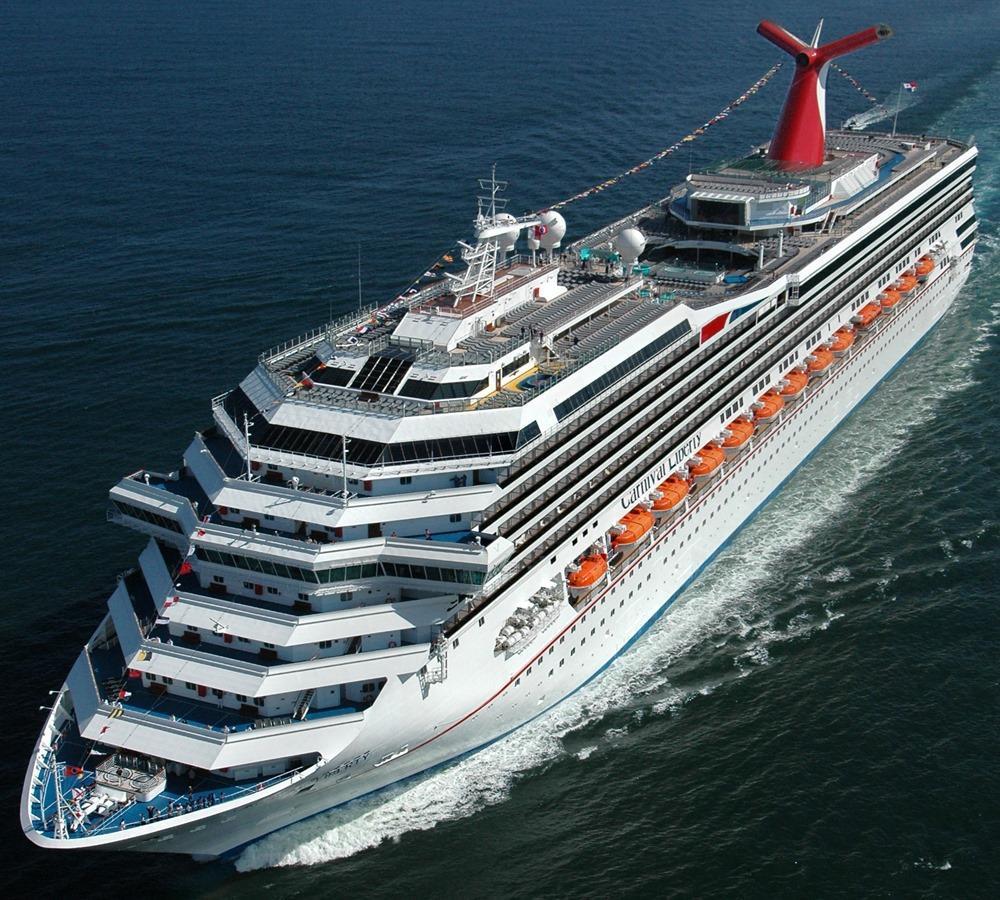
Modern cruise ships are floating cities, packed with complex machinery that requires constant upkeep. The same technological infrastructure that tracks the Carnival Liberty’s location also monitors its internal health. Thousands of sensors collect data on engine performance, HVAC systems, propulsion, electrical grids, and critical navigational equipment. This data is transmitted ashore for analysis using predictive analytics and machine learning algorithms. Instead of relying solely on fixed maintenance schedules, operators can anticipate potential failures based on operational data, usage patterns, and anomaly detection. For instance, an unexpected vibration in an engine component, slight increase in temperature in a bearing, or a drop in a system’s efficiency can trigger an alert, allowing engineers to schedule maintenance during port calls or even pre-order parts. This shift from reactive to predictive maintenance minimizes downtime, extends the lifespan of equipment, reduces operational costs, and ensures the continuous safety and reliability of the vessel for its passengers.
The Passenger Experience: Technology’s Role Onboard and Ashore
While the technical details of tracking and operational efficiency largely remain behind the scenes, the technologies that inform “where is Carnival Liberty now” also directly enrich the passenger experience, both before boarding and throughout the voyage. Connectivity, information access, and personalized services are all intrinsically linked to the digital infrastructure that defines modern cruising.
Real-Time Information for Guests
Long gone are the days when passengers had little idea of their ship’s progress beyond a notice board in the lobby. Today, apps and interactive displays—both on board and accessible via personal devices—provide guests with real-time updates on the Carnival Liberty’s location, speed, current weather, and estimated arrival times at upcoming ports. These tools not only satisfy curiosity but also help passengers plan their day, decide on shore excursions, or simply locate themselves within the ship’s massive structure. The transparency offered by such technologies fosters a sense of engagement and empowerment, allowing guests to feel more connected to their journey and the world around them, even in the middle of the ocean.
Personalized Services and Onboard Navigation
The same satellite and network technologies that facilitate global tracking also power the extensive internal networks of a modern cruise ship. These networks support everything from personalized digital itineraries accessible via wearable tech or smartphone apps, to interactive maps that help passengers navigate the ship’s numerous decks and venues. The ability to connect personal devices to the ship’s network allows for seamless communication with fellow travelers, reservations for dining and entertainment, and even touchless payment systems. From a customer service perspective, crew members can access guest preferences and profiles, leading to more personalized interactions and anticipating needs, all enabled by robust, ship-wide connectivity that relies on the same core technological infrastructure providing the ship’s position.
Connectivity at Sea: Staying Linked to the World
Perhaps one of the most significant advancements related to the “where is Carnival Liberty now” question from a passenger perspective is the revolution in onboard connectivity. While cruise ships once represented a complete digital detox, modern vessels, thanks to advanced VSAT and satellite internet technologies, offer increasingly robust Wi-Fi access. This allows passengers to stay connected with friends and family, share their travel experiences in real-time, work remotely if necessary, and access streaming services, even when thousands of miles from shore. This high-bandwidth connectivity, integral to the operational data flow, transforms the onboard experience, making cruising more accessible and appealing to a wider demographic who demand constant digital linkage, regardless of their location on the globe.
Future Horizons: Emerging Technologies in Cruise Ship Management
The current technological landscape enabling us to answer “where is Carnival Liberty now” is impressive, but the maritime industry is on the cusp of even greater transformation. Emerging technologies promise to further refine operational efficiency, enhance safety, and fundamentally redefine the experience of sea travel. The quest for more precise, intelligent, and autonomous operations is driving innovation across the board.
AI and Machine Learning for Smarter Operations
Artificial Intelligence (AI) and Machine Learning (ML) are poised to revolutionize how cruise ships like the Carnival Liberty are managed. Beyond predictive maintenance and optimal routing, AI algorithms can analyze vast datasets from hundreds of sensors across the ship to identify complex patterns, anticipate subtle failures, and recommend proactive solutions with unprecedented accuracy. AI could optimize energy consumption in real-time by dynamically adjusting HVAC, lighting, and propulsion systems based on passenger load, external temperatures, and current speed. In security, ML could analyze surveillance footage for anomalous behavior, enhancing safety protocols. For passenger experience, AI-powered chatbots and recommendation engines can offer hyper-personalized services, anticipating guest needs and offering tailored suggestions for activities, dining, and shore excursions. The cognitive capabilities of AI will make the vessel operate not just efficiently, but intelligently, adapting to dynamic conditions autonomously.
Autonomous Navigation and Remote Operations
While fully autonomous cruise ships carrying thousands of passengers are still a distant future, the building blocks for autonomous navigation are rapidly developing. Technologies such as advanced sensor fusion (combining data from radar, lidar, cameras, and sonar), sophisticated obstacle detection, and AI-driven decision-making are already being tested in smaller vessels. The progression involves increased automation in specific tasks—such as automated docking, collision avoidance, and even remote control capabilities from shore-based operational centers. Imagine a future where the bridge of the Carnival Liberty is overseen by a minimal crew, with complex navigational challenges handled by AI, and critical decisions augmented by real-time data from a global network of sensors. This shift could lead to even greater precision in navigation, reduced human error, and optimized fuel consumption across entire fleets.
Cybersecurity Challenges in a Connected Fleet
As cruise ships become increasingly connected and reliant on digital systems, the importance of robust cybersecurity measures becomes paramount. Every data point transmitted, every system integrated, represents a potential vulnerability. Protecting the Carnival Liberty from cyber threats—whether they target navigational systems, passenger data, or operational control—is a growing concern. Future advancements will focus on developing resilient, self-healing networks, employing advanced encryption, and implementing AI-driven threat detection systems to constantly monitor for and neutralize cyber attacks. The industry is moving towards a ‘security by design’ approach, where cybersecurity is not an afterthought but an integral component of every new technology implemented, ensuring the safety and integrity of these complex, connected vessels as they navigate both physical and digital seas.
In conclusion, the simple inquiry “Where is Carnival Liberty now?” belies an intricate tapestry of cutting-edge technology. From the foundational AIS and GPS systems to advanced AI-driven analytics, predictive maintenance, and robust passenger connectivity, the ability to track and manage modern cruise ships is a testament to relentless innovation in the maritime tech sector. As these technologies continue to evolve, the Carnival Liberty and its peers will only become smarter, safer, and more seamlessly integrated into our increasingly digital world, promising an even more sophisticated and engaging future for sea travel.
aViewFromTheCave is a participant in the Amazon Services LLC Associates Program, an affiliate advertising program designed to provide a means for sites to earn advertising fees by advertising and linking to Amazon.com. Amazon, the Amazon logo, AmazonSupply, and the AmazonSupply logo are trademarks of Amazon.com, Inc. or its affiliates. As an Amazon Associate we earn affiliate commissions from qualifying purchases.