
At the heart of any major cruise line’s financial structure lies its fleet—a collection of multi-billion dollar assets that serve as the primary engine for revenue generation, market presence, and long-term growth. For investors, analysts, and anyone interested in the economics of the leisure travel industry, understanding the scope and composition of a company’s fleet is paramount. So, how many ships does Norwegian Cruise Line, a prominent player in the global cruise market, actually have?
As of early 2024, Norwegian Cruise Line (NCL), as a brand, operates 19 ships. These vessels form the backbone of its operations, serving diverse itineraries across the globe, from the Caribbean to Europe, Alaska, and beyond. This number is specific to the Norwegian Cruise Line brand itself, which is one of three core brands under the umbrella of Norwegian Cruise Line Holdings Ltd. (NCLH), alongside Oceania Cruises and Regent Seven Seas Cruises. For the purpose of this financial exploration, we will primarily focus on the NCL brand’s fleet, recognizing its critical role in the parent company’s overall financial performance and strategic positioning. The fleet is not merely a count of vessels; it represents a vast, dynamic portfolio of capital assets, each with significant implications for NCL’s balance sheet, income statement, and future financial outlook.
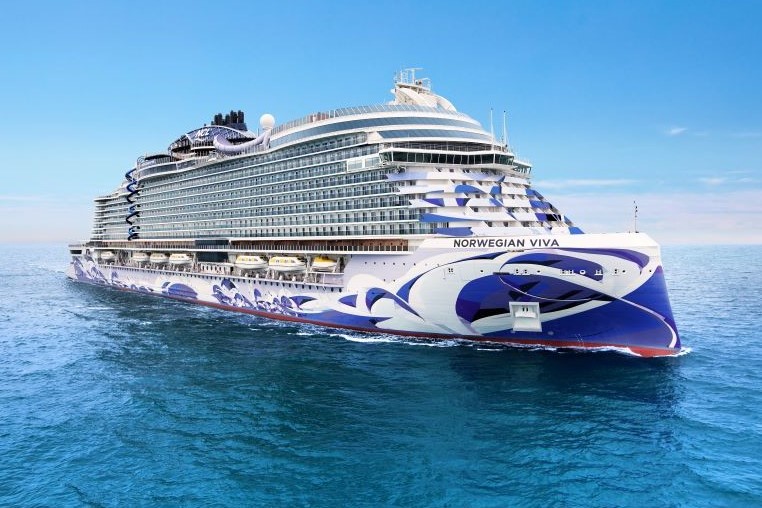
The Fleet as a Core Business Asset and Investment
In the capital-intensive cruise industry, ships are not just modes of transport; they are colossal, floating resorts representing immense capital expenditure and a long-term commitment of financial resources. Each vessel is a complex asset, designed to generate revenue through ticket sales, onboard spending, and ancillary services for decades.
Understanding Capital Expenditure in the Cruise Industry
The construction of a single modern cruise ship can cost anywhere from hundreds of millions to well over a billion U.S. dollars. These new builds are massive capital expenditures (CapEx) for cruise lines like NCL. The decision to commission a new ship involves meticulous financial planning, including forecasting demand, assessing potential returns on investment (ROI), and evaluating financing options. These investments are driven by strategic imperatives: expanding market share, replacing older tonnage, entering new markets, or enhancing the brand’s premium offerings. Each new ship adds significantly to the company’s asset base, but also requires substantial ongoing investment in maintenance, upgrades, and regulatory compliance.
Depreciation and Asset Management
Like any tangible asset, cruise ships are subject to depreciation over their useful lives. Accounting for this depreciation is crucial for accurately representing the company’s financial health. NCL, like other cruise lines, manages a complex asset portfolio. Strategic asset management involves decisions about when to retire older ships, when to refit or refurbish existing vessels to maintain competitiveness and guest satisfaction, and when to invest in new, more efficient, and technologically advanced ships. These decisions have direct impacts on the company’s balance sheet, affecting asset values, net income, and cash flow. Effective asset management aims to maximize the economic life and revenue-generating potential of each ship while optimizing costs.
The Cost of Building and Maintaining a Modern Fleet
Beyond the initial construction cost, the operational lifecycle of a cruise ship involves substantial financial outlays. Fuel, crew salaries, provisions, port fees, marketing, insurance, and routine maintenance are significant ongoing expenses. Furthermore, regulatory changes related to environmental standards (e.g., emissions, waste management) often necessitate costly upgrades. For NCL, maintaining its fleet of 19 ships in peak condition, ensuring safety, and meeting guest expectations requires continuous investment. The financial discipline in managing these operational and capital maintenance costs directly impacts the company’s profitability and ability to generate free cash flow.
Fleet Size, Market Share, and Revenue Potential
The number of ships a cruise line operates is a direct indicator of its capacity to serve passengers and, consequently, its potential revenue generation and market footprint. For Norwegian Cruise Line, its 19-ship fleet translates into a significant, but also specific, share of the global cruise market.
Revenue Generation Capacity per Ship
Each ship in NCL’s fleet represents a dedicated revenue stream. Revenue is primarily generated through ticket sales (net cruise fare) and onboard spending (onboard revenue), which includes everything from specialty dining and beverages to shore excursions, spa services, and casino activities. The total passenger capacity across NCL’s 19 ships determines its maximum revenue potential. Larger, newer ships often have higher per-diem revenue potential due to more premium offerings, greater operational efficiencies, and the ability to command higher prices. Investors keenly watch metrics like Net Yield (revenue per passenger per day) and Occupancy Rate, which are direct measures of how effectively NCL is monetizing its fleet.
Competitive Positioning and Industry Consolidation
The global cruise industry is dominated by a few major players, including Carnival Corporation, Royal Caribbean Group, and Norwegian Cruise Line Holdings Ltd. NCL’s 19-ship fleet positions it as a major competitor, allowing it to offer diverse itineraries and target various demographics. Its fleet size contributes to its economies of scale, enabling more efficient purchasing, marketing, and operational management compared to smaller operators. In an industry characterized by high barriers to entry due to the immense capital required, NCL’s established fleet is a significant competitive advantage and a testament to its sustained market presence. Consolidation within the industry often sees larger players acquiring smaller ones, further emphasizing the importance of fleet scale for long-term viability and growth.
Impact on Investor Perception and Stock Valuation
For investors, the size and quality of NCL’s fleet are critical factors in stock valuation. A growing, modern, and well-maintained fleet signals financial strength, operational confidence, and future revenue growth potential. Conversely, an aging fleet requiring significant capital for refurbishment or replacement can be a red flag. NCLH’s stock performance is intricately linked to its fleet strategy, new build announcements, and the ability of its ships to consistently generate strong financial returns. The market capitalization of NCLH reflects, in part, the perceived value and future earnings potential of its entire fleet of assets.
Financing the Giants: Capital Strategies for Fleet Expansion
Acquiring and expanding a fleet of 19 ships requires immense capital, far beyond what could typically be funded through retained earnings alone. Cruise lines, including NCL, employ sophisticated financial strategies, primarily leveraging debt and equity financing, to fund their multi-billion dollar investments.
Debt Financing and Leverage Ratios

The most common method for financing new cruise ship builds is through long-term debt, often in the form of secured bank loans or bond issuances. These loans are typically collateralized by the vessels themselves and have extended repayment periods, reflecting the long asset life of a ship. NCL, like its peers, utilizes significant financial leverage—borrowing money to finance assets—to fund its growth. Investors closely scrutinize NCL’s debt levels, interest coverage ratios, and debt-to-equity ratios. While leverage can amplify returns in good times, it also exposes the company to interest rate fluctuations and increased financial risk during economic downturns, as seen during the recent global pandemic. Responsible debt management is crucial for maintaining financial stability and investor confidence.
Equity Financing and Shareholder Value
While debt provides a significant portion of the capital, equity financing also plays a role, especially during periods of substantial expansion or when the company seeks to de-leverage its balance sheet. Issuing new shares can raise capital but dilutes existing shareholder ownership. NCL’s management must balance the benefits of growth funded by debt versus the potential dilution from equity financing, always with an eye on maximizing shareholder value. The ability to generate sufficient cash flow from existing operations to service debt and fund some expansion organically is a key financial strength.
Strategic Fleet Expansion and New Build Orders
NCL’s fleet of 19 ships is not static; it is part of an ongoing strategic expansion plan. The company regularly places orders for new ships, often years in advance, with shipyards in Europe. These new build orders reflect NCL’s long-term growth ambitions and its commitment to offering state-of-the-art experiences. The financing for these future ships is meticulously planned, considering current interest rates, market conditions, and projected cash flows. Each new ship delivery represents a significant financial milestone, adding to both the company’s asset base and its debt load, but also promising increased revenue potential.
Operational Economics: Optimizing Returns from Each Vessel
Possessing a fleet of 19 ships is one thing; optimizing their operation to generate maximum profitability is another. NCL’s financial success hinges on its ability to manage the complex operational economics of its vessels, ensuring high capacity utilization and efficient cost control.
Capacity Utilization and Occupancy Rates
A cruise ship generates revenue only when it’s sailing with passengers. Therefore, maximizing capacity utilization, or occupancy rates, is paramount. NCL employs sophisticated revenue management strategies, dynamic pricing, and targeted marketing to fill its ships across various itineraries and seasons. High occupancy rates directly translate into higher net cruise revenues. Conversely, empty cabins represent lost revenue that cannot be recovered. Financial analysts pay close attention to NCL’s reported occupancy rates as a key indicator of operational efficiency and revenue generation success.
Onboard Revenue Streams and Profitability
Beyond ticket sales, a significant portion of a cruise line’s profitability comes from onboard spending. NCL strategically designs its ships and offers a wide array of premium amenities, specialty dining, entertainment, and retail options, all aimed at enhancing the guest experience while driving additional revenue. Maximizing these ancillary revenue streams is a critical component of increasing per-passenger profitability. Financial teams analyze spending patterns to optimize pricing, personalize offers, and introduce new services that resonate with guests and contribute to the bottom line.
Fuel Efficiency and Operating Costs
Fuel is one of the largest variable costs for any cruise line. With 19 ships, even small improvements in fuel efficiency can result in substantial savings across the fleet. NCL invests in fuel-efficient engine technologies, hull designs, and operational protocols (e.g., optimized routing and speed) to minimize this expense. Furthermore, managing other significant operating costs such as crew wages, maintenance, port fees, and provisions efficiently is crucial for maintaining healthy profit margins. The scale of NCL’s fleet allows for bulk purchasing and other economies of scale, helping to mitigate some operational cost pressures.
Navigating Future Waters: Growth, Sustainability, and Financial Outlook
Norwegian Cruise Line’s fleet strategy is not just about its current 19 ships but also its vision for the future, driven by growth ambitions, sustainability commitments, and an evolving financial landscape.
Order Book and Future Deliveries
NCL’s future financial health and growth trajectory are directly tied to its order book. The company has several new ships on order, notably the ‘Prima Class’ series, which represent the next generation of NCL vessels. These future deliveries will gradually expand the fleet, bringing in newer, more efficient, and feature-rich ships designed to attract new guests and drive higher revenue yields. Each new ship introduction is carefully integrated into the company’s financial forecasts, impacting projected revenue, costs, and debt servicing. The timing and success of these new builds are critical for sustaining NCL’s long-term financial performance.
Sustainability Investments and ESG Considerations
Increasingly, financial markets and investors are scrutinizing companies for their Environmental, Social, and Governance (ESG) performance. For cruise lines, environmental sustainability, particularly related to emissions, waste, and marine conservation, is a significant focus. NCL is investing in greener technologies, such as LNG-powered ships and advanced wastewater treatment systems, across its fleet. While these investments represent additional capital expenditure, they are viewed as essential for long-term viability, regulatory compliance, and enhancing brand reputation, which can positively impact investor confidence and access to capital. These investments also mitigate future regulatory risks and potential fines, contributing to long-term financial stability.

Long-Term Financial Projections
The fleet’s current size and future expansion plans are central to NCL’s long-term financial projections. These projections include expected revenue growth, profitability margins, cash flow generation, and debt repayment capabilities. Analysts and investors use these projections to assess the company’s intrinsic value and make investment decisions. The ability of NCL to effectively manage its capital assets, optimize operations, and strategically expand its fleet will dictate its financial standing and its capacity to deliver returns to shareholders over the coming decades.
In conclusion, Norwegian Cruise Line’s 19-ship fleet is far more than a simple count; it is a complex, multi-billion dollar asset base that underpins the company’s entire financial framework. From initial capital expenditure and ongoing operational costs to revenue generation, market share, financing strategies, and future growth prospects, every aspect of these vessels has profound financial implications for NCL and its stakeholders. Understanding this fleet from a “Money” perspective provides critical insights into the economic engine driving one of the world’s leading cruise operators.
aViewFromTheCave is a participant in the Amazon Services LLC Associates Program, an affiliate advertising program designed to provide a means for sites to earn advertising fees by advertising and linking to Amazon.com. Amazon, the Amazon logo, AmazonSupply, and the AmazonSupply logo are trademarks of Amazon.com, Inc. or its affiliates. As an Amazon Associate we earn affiliate commissions from qualifying purchases.