
In the dynamic world of global finance and technology, few companies command as much attention and market significance as Microsoft. The question, “what is Microsoft selling for?” can be interpreted in multiple crucial ways, each leading to a deeper understanding of the company’s financial standing, market valuation, and strategic direction. Primarily, it refers to Microsoft’s market capitalization—the aggregate value of its outstanding shares, which fluctuates daily based on investor sentiment, financial performance, and future growth prospects. Beyond this single figure, it also encapsulates the value proposition of its diverse array of products and services, which collectively generate trillions in economic activity and form the bedrock of its formidable revenue streams.
Microsoft has evolved from a software powerhouse into a diversified tech conglomerate, a cloud computing leader, and a significant player in AI, gaming, and enterprise solutions. Understanding “what it’s selling for” requires an exploration not just of its stock price, but also the underlying financial health, the value of its distinct business segments, and its strategic positioning in an increasingly digital world. This article delves into Microsoft’s financial architecture, examining its market valuation, revenue generators, investment appeal, and future financial outlook, all from a dedicated financial perspective.
Decoding Microsoft’s Market Valuation: More Than Just a Number
Microsoft’s market capitalization is a reflection of how investors collectively perceive its current worth and future potential. It’s a dynamic figure, subject to the ebb and flow of market sentiment, macroeconomic conditions, and company-specific news. However, beneath the daily fluctuations, lies a robust framework of financial performance, strategic innovation, and competitive advantage that underpins its colossal valuation.
The Dynamics of Market Capitalization
Market capitalization is calculated by multiplying the number of outstanding shares by the current stock price. For a company like Microsoft, which consistently ranks among the world’s most valuable corporations, this figure often hovers in the multi-trillion-dollar range. This valuation isn’t arbitrary; it’s a direct outcome of investor confidence in Microsoft’s ability to generate consistent profits, innovate effectively, and expand its market reach. Factors influencing this dynamic include quarterly earnings reports, revenue growth, profit margins, analyst ratings, and broader market trends. A strong earnings beat, for instance, can send the stock price soaring, increasing market cap, while a miss or a pessimistic outlook can have the opposite effect. Furthermore, macroeconomic indicators such as interest rates, inflation, and GDP growth also play a significant role, as they influence investor appetite for growth stocks versus value stocks.
Key Drivers of Microsoft’s Stock Price
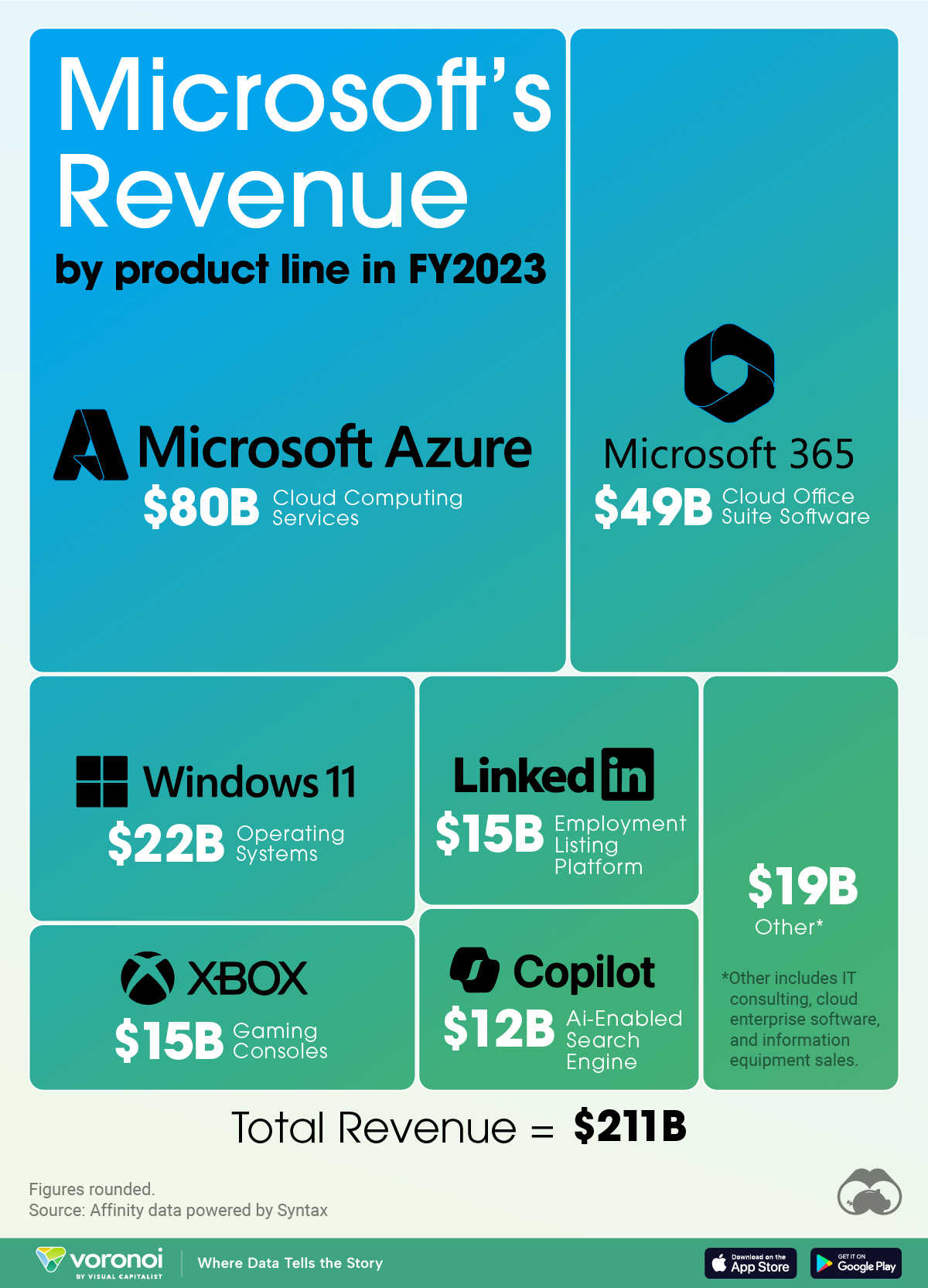
Several fundamental drivers propel Microsoft’s stock price and, by extension, its market valuation. At the core is its exceptional financial performance, characterized by sustained revenue growth across diverse segments and healthy profit margins. Its leadership in cloud computing, particularly with Azure, is a primary catalyst, as this high-growth sector continues to expand globally. The widespread adoption of its productivity suite (Office 365) and the strategic expansion of LinkedIn further solidify its revenue base. Innovation in artificial intelligence (AI) and its strategic investments in AI companies like OpenAI are also major drivers, positioning Microsoft at the forefront of the next technological frontier. Shareholder-friendly policies, such as consistent dividend payouts and aggressive share buyback programs, also enhance investor appeal, signaling financial stability and a commitment to returning capital to shareholders. The company’s robust balance sheet, substantial cash reserves, and ability to fund strategic acquisitions without significant debt accumulation further instill investor confidence.
A Diversified Empire: Microsoft’s Revenue Streams
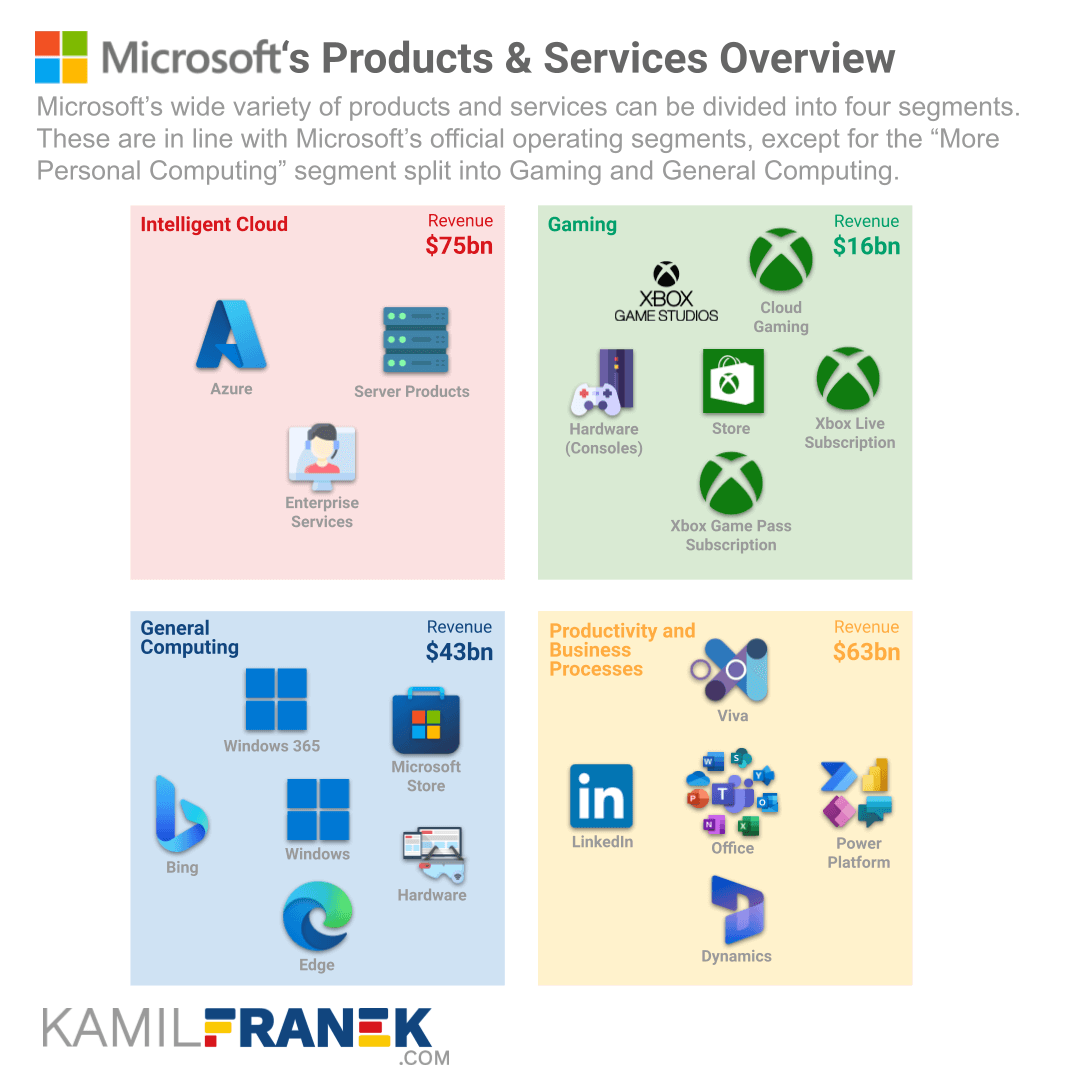
Microsoft’s financial strength stems from its highly diversified business model, strategically organized into three main segments: Productivity and Business Processes, Intelligent Cloud, and More Personal Computing. Each segment contributes significantly to the company’s top-line revenue and bottom-line profitability, creating a resilient financial structure less susceptible to downturns in any single market.
Cloud Dominance: Azure and Enterprise Services
The “Intelligent Cloud” segment, dominated by Azure, is arguably Microsoft’s most critical growth engine and a major contributor to its valuation. Azure offers a comprehensive suite of cloud services, including computing, analytics, storage, and networking, catering to a vast array of enterprise clients globally. Its competitive edge lies in its hybrid cloud capabilities, seamless integration with existing Microsoft products, and extensive global infrastructure. Beyond Azure, this segment includes server products and enterprise services, providing mission-critical solutions that power businesses worldwide. The recurring revenue model of cloud services provides predictable and scalable income, a highly attractive feature for investors looking for long-term growth and stability. The ongoing digital transformation across industries ensures a continuous demand for cloud infrastructure, positioning Microsoft to capture significant market share.
Productivity and Business Processes: Office and LinkedIn
The “Productivity and Business Processes” segment encompasses Microsoft’s ubiquitous Office suite (Office 365, Exchange, SharePoint), which remains a cornerstone of workplace efficiency for millions of businesses and individuals. The transition from perpetual licenses to subscription-based models for Office 365 has transformed this segment into a robust source of recurring revenue, offering predictable cash flows and opportunities for continuous service upgrades. LinkedIn, acquired in 2016, also falls into this category, providing a powerful professional networking platform, recruitment solutions, and advertising revenue. Dynamics 365, Microsoft’s suite of enterprise resource planning (ERP) and customer relationship management (CRM) applications, further strengthens this segment, offering cloud-based solutions that enhance business operations and customer engagement.
Personal Computing: Windows, Xbox, and Devices
The “More Personal Computing” segment, while facing more mature markets, remains a substantial revenue generator. Windows operating system, despite a saturated PC market, continues to be the dominant platform globally, with revenue generated through licensing agreements with device manufacturers and a growing base of cloud-integrated services. The Xbox gaming ecosystem, including consoles, games, and the Game Pass subscription service, captures a significant share of the lucrative gaming market. Surface devices (laptops, tablets) and PC accessories also contribute to this segment, showcasing Microsoft’s hardware capabilities and desire to offer a holistic user experience. While this segment experiences greater cyclicality, its sheer scale and brand loyalty provide a stable revenue floor.
The Future: AI, Gaming, and Emerging Technologies
Looking forward, Microsoft is heavily investing in artificial intelligence across all its segments. Its partnership with OpenAI and integration of generative AI capabilities into products like Microsoft 365 Copilot and Azure AI services are poised to unlock new revenue streams and enhance existing product value. Strategic acquisitions in the gaming sector, such as the recent Activision Blizzard deal, aim to solidify its position in the rapidly expanding interactive entertainment market. Furthermore, Microsoft is exploring emerging technologies like quantum computing and mixed reality (with HoloLens), which, while nascent, represent potential long-term growth vectors that could significantly contribute to its future valuation and revenue diversification.
Investing in Microsoft: A Financial Perspective
For investors, Microsoft represents a blend of stability, growth, and innovation. Its long track record of financial performance, strategic foresight, and shareholder-friendly policies make it a perennial favorite for both institutional and retail investors seeking exposure to the technology sector.
Historical Performance and Shareholder Returns
Microsoft has delivered exceptional shareholder returns over the decades, outperforming many market indices. This performance is a testament to its consistent execution, adaptability, and ability to capitalize on major technological shifts. Its stock has shown remarkable resilience through various economic cycles, reflecting the essential nature of its products and services in the modern economy. Beyond capital appreciation, Microsoft has a history of rewarding shareholders through regular dividend payments, which have steadily grown over time. This dual benefit of growth and income makes it an attractive proposition for long-term investors. The company’s consistent revenue and earnings growth, combined with prudent financial management, underpin its robust stock performance.
Dividend Policy and Share Buybacks
Microsoft maintains a progressive dividend policy, consistently increasing its quarterly dividend per share, reflecting its strong free cash flow generation and commitment to returning value to shareholders. This makes it particularly appealing to income-focused investors. Complementing its dividend strategy, Microsoft also engages in significant share buyback programs. Share buybacks reduce the number of outstanding shares, which can boost earnings per share (EPS) and often signal management’s confidence in the company’s undervaluation. These combined strategies demonstrate a balanced approach to capital allocation, ensuring that excess cash is used effectively to enhance shareholder wealth.
Risks and Opportunities for Investors
Despite its strong position, investing in Microsoft carries inherent risks. Competition in the cloud market (from AWS and Google Cloud), enterprise software, and gaming remains fierce. Regulatory scrutiny, particularly concerning anti-trust and data privacy, poses an ongoing challenge. Economic downturns could impact IT spending, slowing growth in its enterprise segments. Cybersecurity threats are also a persistent concern, as breaches could erode customer trust and incur significant costs.
However, the opportunities often outweigh the risks. Microsoft’s leadership in AI presents a massive growth opportunity, as AI integration could redefine computing and enterprise productivity. Continued expansion into emerging markets, deeper penetration in specific industry verticals with tailored cloud solutions, and strategic acquisitions can further fuel growth. Its vast ecosystem creates powerful network effects, making it difficult for customers to switch to competitors, thus ensuring sticky revenue streams. The ongoing global digital transformation continues to expand the total addressable market for many of its offerings.
Analyzing Microsoft’s Financial Health and Future Outlook
A deep dive into Microsoft’s financial statements reveals a company in excellent health, characterized by strong revenue growth, robust profitability, and significant free cash flow. This financial prowess allows for sustained investment in R&D, strategic acquisitions, and shareholder returns, positioning it well for future expansion.
Revenue Growth and Profitability Metrics
Microsoft consistently reports impressive revenue growth, driven largely by its Intelligent Cloud segment, but also supported by steady performance in Productivity and Business Processes. Its gross margins are typically high, especially for software and cloud services, reflecting the inherent scalability of its business model. Operating income and net income figures are substantial, demonstrating efficient cost management and strong pricing power. Metrics like Return on Equity (ROE) and Return on Assets (ROA) are generally robust, indicating effective utilization of shareholder capital and company assets to generate profits. Free Cash Flow (FCF) is particularly strong, providing the liquidity needed for dividends, buybacks, and investments, without heavy reliance on external financing.
Strategic Acquisitions and Competitive Edge
Microsoft has a history of strategic acquisitions that have significantly bolstered its market position and diversified its offerings. LinkedIn, GitHub, Nuance Communications, and most recently, Activision Blizzard, are prime examples. These acquisitions are not merely opportunistic; they are integral to Microsoft’s long-term strategy of expanding its ecosystem, acquiring critical talent and technology, and entering new high-growth markets. Its competitive edge is further reinforced by its comprehensive ecosystem, which fosters deep integration between its various products and services (e.g., Azure, Office 365, Windows, Teams). This ‘stickiness’ creates high switching costs for customers, ensuring long-term relationships and recurring revenue. Its extensive partner network and global reach also provide a significant advantage in delivering solutions to a diverse customer base.
Navigating Economic Headwinds and Innovation Cycles
Microsoft has demonstrated a remarkable ability to navigate economic headwinds, partly due to the mission-critical nature of its offerings. Even during economic downturns, businesses often continue to invest in cloud infrastructure and productivity tools to maintain efficiency and competitiveness. The company’s diversified revenue base also provides a buffer against segment-specific slowdowns. Furthermore, Microsoft’s continuous investment in Research and Development (R&D) ensures it remains at the forefront of technological innovation. By anticipating and adapting to new innovation cycles, such as the current AI revolution, Microsoft ensures its relevance and growth potential for decades to come, actively shaping the future of technology rather than merely reacting to it.
The Broader Economic Impact of a Tech Giant
Beyond its direct financial metrics, Microsoft’s sheer scale and influence have profound economic ripple effects, touching industries, employment, and global investment trends. “What is Microsoft selling for?” extends to the value it adds to the global economy.
Contribution to Global GDP and Employment
As one of the world’s largest companies by market capitalization and revenue, Microsoft directly contributes billions to global GDP through its operations, R&D, and sales. Its vast employee base, spanning numerous countries, represents a significant source of high-skill employment. Indirectly, Microsoft’s technologies underpin countless businesses globally, enabling them to operate, innovate, and grow, thereby fostering economic activity across a multitude of sectors. The cloud infrastructure provided by Azure, for instance, is the backbone for thousands of startups and established enterprises, acting as a crucial enabler of their economic output and job creation.

Influence on Investment Trends and Capital Markets
Microsoft’s financial performance and strategic moves have a substantial influence on broader investment trends. As a bellwether for the technology sector, its quarterly earnings reports are closely watched, often setting the tone for investor sentiment towards the entire industry. Its stock performance can impact major market indices, affecting the portfolios of millions of investors. Furthermore, Microsoft’s capital allocation decisions, such as its dividend policy or major acquisitions, can signal broader market trends regarding corporate cash management and M&A activity. Its consistent presence among the most valuable public companies serves as a benchmark for financial analysts and economists assessing the health and direction of global capital markets.
In conclusion, “what is Microsoft selling for?” is a multifaceted question with profound financial implications. It speaks to its formidable market capitalization, a testament to its diversified revenue streams, unwavering financial health, and strategic leadership in critical technological domains. For investors, it represents a compelling opportunity underpinned by consistent growth, attractive shareholder returns, and a robust future outlook. Beyond the balance sheet, Microsoft’s economic footprint is vast, influencing global GDP, employment, and investment trends, solidifying its position not just as a tech giant, but as a pivotal force in the global financial landscape.
aViewFromTheCave is a participant in the Amazon Services LLC Associates Program, an affiliate advertising program designed to provide a means for sites to earn advertising fees by advertising and linking to Amazon.com. Amazon, the Amazon logo, AmazonSupply, and the AmazonSupply logo are trademarks of Amazon.com, Inc. or its affiliates. As an Amazon Associate we earn affiliate commissions from qualifying purchases.