
Understanding the full scope of your financial obligations is the cornerstone of effective personal finance management. For many, student loans represent a significant portion of their debt portfolio, often stretching over decades. Yet, a surprising number of borrowers are not precisely sure of their total outstanding balance, the intricacies of their interest rates, or even who their loan servicer is. This lack of clarity can lead to missed payments, escalating interest, and missed opportunities for smarter repayment strategies. Finding out your student loan balance isn’t just a administrative task; it’s a vital step towards taking control of your financial future, paving the way for informed decisions about repayment, refinancing, and long-term financial planning.
In this comprehensive guide, we will walk you through the precise steps to locate your federal and private student loan balances, decipher the crucial details that accompany them, and outline what to do once you have this essential information at your fingertips.
The Indispensable Value of Knowing Your Student Loan Balance
Before diving into the mechanics of finding your balance, it’s crucial to understand why this information is so critical. Knowing your student loan balance is not merely about fulfilling a requirement; it’s about empowering yourself with knowledge that directly impacts your financial health and future.
Foundation for Financial Planning
Your student loan balance, along with other debts, forms the bedrock of your personal financial landscape. Without an accurate figure, it’s impossible to create a realistic budget, set achievable savings goals, or plan for significant life events like buying a home or retirement. A clear understanding of your total debt allows you to factor in monthly payments, project interest accrual, and accurately assess your debt-to-income ratio, a key metric for lenders and for your own financial assessment. It provides the data necessary to build a sustainable financial plan that addresses both your current obligations and future aspirations.
Avoiding Default and Penalties
Ignorance about your loan balance, due dates, or servicer can quickly lead to missed payments and, eventually, default. Defaulting on student loans carries severe consequences, including damaged credit scores, wage garnishment, tax refund offsets, and even the loss of professional licenses. By actively tracking your balance and payment schedule, you can proactively manage your loans, ensuring payments are made on time and preventing the cascading negative effects of default. Knowing your balance also allows you to identify discrepancies or errors that could inadvertently push you towards default, giving you the chance to rectify them promptly.
Empowering Refinancing Decisions
For many, refinancing student loans can offer substantial savings by securing lower interest rates or more favorable repayment terms. However, you cannot even begin to explore refinancing options without a precise understanding of your current loan balances, interest rates, and loan types. Lenders require this information to provide accurate quotes and determine your eligibility. Having all your loan details organized and accessible empowers you to confidently compare offers, negotiate terms, and make an informed decision that could save you thousands over the life of your loans.
Peace of Mind and Reduced Stress
Financial uncertainty is a significant source of stress. The looming question of “how much do I owe?” can be a heavy burden. By actively seeking out and organizing your student loan information, you gain a sense of control and clarity. This proactive approach transforms abstract anxiety into concrete data, allowing you to develop a plan of action. The peace of mind that comes from understanding your obligations and having a strategy to tackle them is an invaluable asset to your overall well-being.
Navigating Federal Student Loan Information
Federal student loans often have different rules and servicing structures than private loans. Fortunately, the U.S. Department of Education has centralized resources to help borrowers manage and understand their federal debt.
The Central Hub: StudentAid.gov
The official website of Federal Student Aid, StudentAid.gov, is the primary portal for all federal student loan information. This platform serves as a comprehensive dashboard where you can:
-
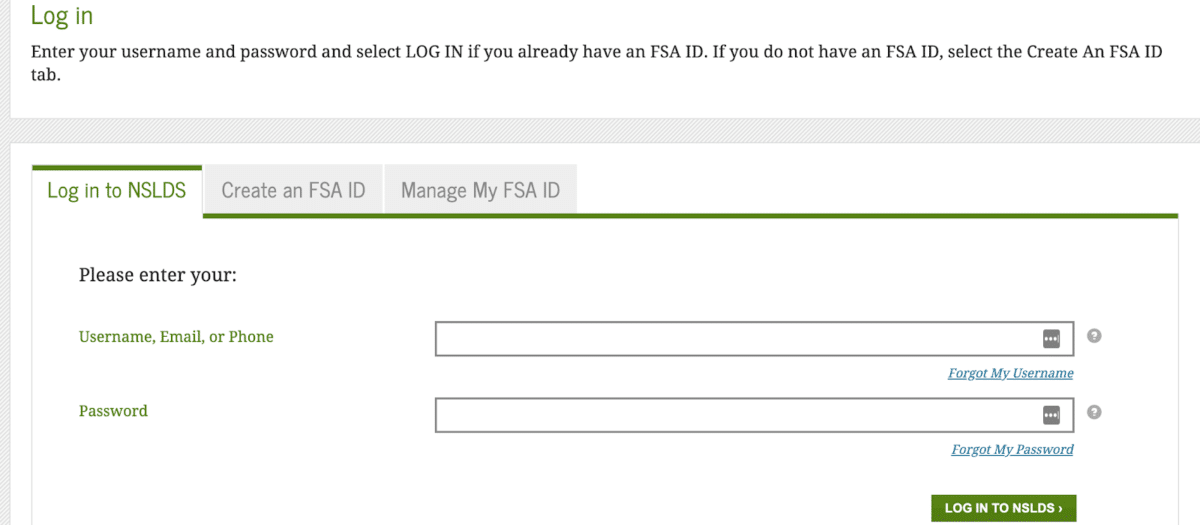
Create or Access Your Account: If you’ve applied for federal student aid, you likely already have an account. If not, you can create one using your Federal Student Aid (FSA) ID. This ID is your legal signature for federal student aid documents and provides access to your financial aid history.
-
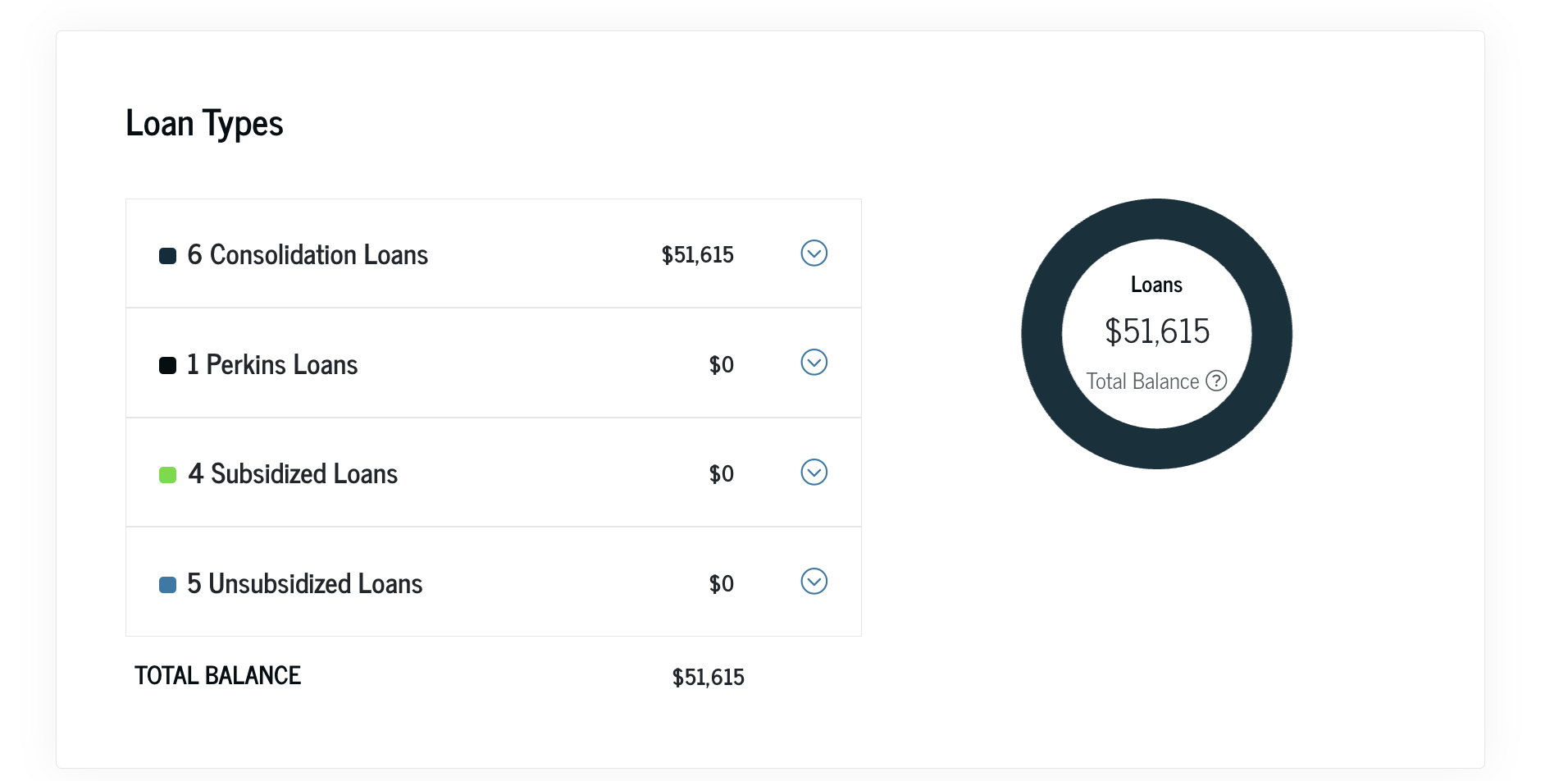
View Your Loan Dashboard: Once logged in, navigate to your “My Aid” or “Dashboard” section. Here, you’ll find a consolidated view of all your federal student loans, including Direct Subsidized Loans, Direct Unsubsidized Loans, PLUS Loans, and Perkins Loans. The dashboard will typically display your total outstanding balance, individual loan balances, interest rates, and repayment status.
-
Identify Your Loan Servicer: StudentAid.gov also clearly lists which company (your loan servicer) is handling each of your federal loans. Servicers act as the contact point for borrowers, managing billing, payments, and various repayment plans.
Contacting Your Federal Loan Servicer Directly
While StudentAid.gov provides an overview, your loan servicer will have the most up-to-date and granular information. Once you identify your servicer (e.g., Nelnet, MOHELA, Edfinancial, Aidvantage, etc.) through StudentAid.gov:
-
Visit Their Website: Each servicer has its own dedicated online portal where you can create an account (if you haven’t already) or log in. Here, you’ll find detailed breakdowns of your loans, including current balances, payment history, interest accrued, and options for managing your account.
-
Call Their Customer Service: If you prefer speaking to someone or have specific questions, call your servicer’s customer service line. Be prepared to verify your identity with personal information. They can provide your current balance, payment history, and discuss repayment options.
Utilizing Your FAFSA Records
The Free Application for Federal Student Aid (FAFSA) isn’t just for applying for aid; it also stores a history of the federal aid you’ve received. While not the most direct route for current balances, your FAFSA records can remind you which federal loans you’ve taken out, which can be useful context if other methods yield incomplete results. Accessing past FAFSA submissions on StudentAid.gov can help you piece together your borrowing history.
Unearthing Your Private Student Loan Details
Private student loans are issued by banks, credit unions, and other financial institutions, and they operate independently of the federal system. Consequently, the methods for finding their balances differ.
Checking Your Credit Report: A Key Resource
Your credit report is an invaluable tool for identifying all types of loans, including private student loans. Lenders report loan activity to the three major credit bureaus (Equifax, Experian, and TransUnion).
-
Obtain Your Free Credit Reports: You are entitled to a free copy of your credit report from each of the three major credit bureaus once every 12 months via AnnualCreditReport.com.
-
Review the “Accounts” Section: Once you have your reports, carefully review the “Accounts” or “Tradelines” section. Private student loans will be listed here, showing the lender’s name, the original loan amount, the current balance, and payment status. This is often the most comprehensive way to discover all your private loans if you’ve forgotten some.
-
Identify the Lender: The credit report will clearly state the name of the private lender or institution that holds your loan.
Direct Contact with Private Lenders
Once you’ve identified potential private lenders from your credit report or personal records:
-
Visit Their Website: Most private lenders have online portals for borrowers. If you had an account with them previously, you can log in to view your loan details, including the current balance, interest rate, and payment schedule. If you don’t have an account, you may need to register using your loan account number or personal identifiers.
-
Call Their Customer Service: If you can’t access an online portal or prefer direct assistance, call the lender’s customer service line. Have your personal information and any known account numbers ready for verification. They can provide your current balance, payment history, and discuss your loan terms.
Reviewing Original Loan Documents
While perhaps less convenient, your original loan agreements or promissory notes for private loans are definitive sources of information. These documents detail the original loan amount, interest rate, terms, and the lender. If you have kept these records, they can serve as a starting point to identify the lender and contact them for current balance information.
Bank and Financial Institution Records
If your private student loan payments are automatically deducted from your bank account, reviewing past bank statements or your online banking portal can help identify the payment recipient (the lender) and the amount of your payments. This can be a useful clue if you’re struggling to remember who your private lenders are.
Decoding Your Loan Information: Beyond Just the Balance
Simply knowing your total outstanding balance is a good first step, but a deeper dive into your loan details is crucial for effective management. This information empowers you to make strategic decisions.
Understanding Your Loan Servicer and Account Number
Your loan servicer is your primary point of contact for all repayment-related inquiries. Knowing who they are and having your specific account number ready will streamline any communication you have with them. For federal loans, StudentAid.gov will identify your servicer. For private loans, your credit report or original loan documents will list the lender, who may also be the servicer or partner with one.
Interest Rates and Accrued Interest
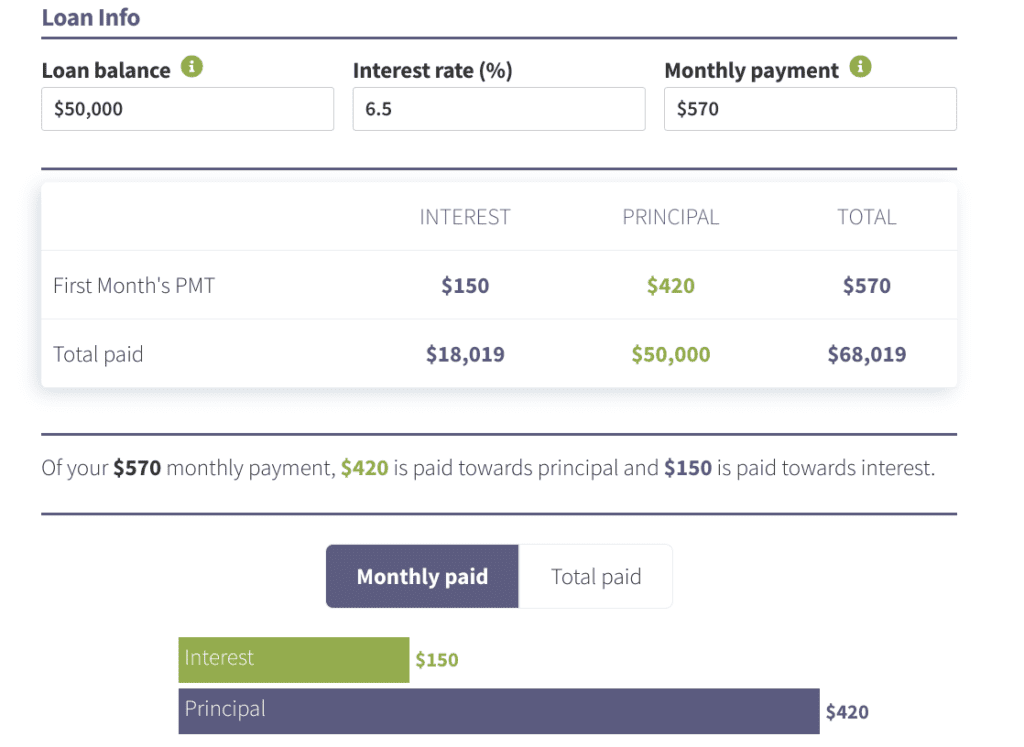
The interest rate dramatically impacts the total cost of your loan over time. Whether your rate is fixed or variable, and how much interest has already accrued, significantly influences your repayment strategy. A high-interest loan should generally be prioritized for faster repayment. Understanding if interest capitalizes (adds to your principal balance) is also critical.
Repayment Status and Due Dates
Are your loans currently in repayment, deferment, forbearance, or grace period? Knowing your repayment status helps you understand your obligations. Crucially, keeping track of your due dates for each loan prevents late payments and protects your credit score. If you have multiple loans with different servicers, consolidating these dates in a personal calendar or financial app can be highly beneficial.
Loan Types and Origination Dates
Understanding the type of loan (e.g., Direct Subsidized, Unsubsidized, PLUS, or a specific private loan product) can inform available repayment options and benefits. For instance, only federal loans qualify for income-driven repayment plans or public service loan forgiveness. Origination dates can also be important for certain benefits or for calculating the age of your debt.
Strategic Steps After Locating Your Balance
Once you’ve gathered all your student loan information, the real work of financial empowerment begins. This is where you transition from knowing your situation to actively managing and improving it.
Consolidate and Organize Your Information
Create a centralized document or spreadsheet that lists every single student loan you have, whether federal or private. Include:
-
Lender/Servicer Name and Contact Information
-
Loan Account Number
-
Original Loan Amount
-
Current Outstanding Balance
-
Interest Rate (and whether it’s fixed or variable)
-
Loan Type (e.g., Direct Subsidized, Sallie Mae Private Loan)
-
Origination Date
-
Monthly Payment Amount
-
Next Due Date
This consolidated view provides a powerful overview and eliminates the need to jump between multiple websites or documents.
Explore Repayment Options (Income-Driven Plans, Deferment, Forbearance)
For federal student loans, a variety of repayment plans exist beyond the standard 10-year option. Income-Driven Repayment (IDR) plans can adjust your monthly payments based on your income and family size, potentially making payments more affordable. Deferment and forbearance offer temporary pauses in payments under specific circumstances. If you’re struggling to make payments, contact your federal loan servicer immediately to discuss these options. Private lenders may also offer some flexibility, though typically less robust than federal programs.
Consider Refinancing or Consolidation
With your complete loan data, you can accurately assess whether refinancing or consolidation is a viable option.
-
Refinancing (Private Loans): If you have a good credit score and stable income, refinancing private student loans (and sometimes federal loans, though you’d give up federal benefits) can secure a lower interest rate, potentially saving you a significant amount over the life of the loan.
-
Consolidation (Federal Loans): Federal Direct Consolidation Loans combine multiple federal loans into one, potentially simplifying payments and offering access to certain repayment plans, though it may not lower your interest rate.
Research lenders, compare rates, and use online calculators to determine the potential savings.
Develop a Proactive Repayment Strategy
Armed with all your information, you can now craft a personalized repayment strategy. Common strategies include:
-
The Debt Snowball Method: Pay the minimum on all loans except the one with the smallest balance, which you aggressively pay down. Once it’s gone, apply that payment to the next smallest loan.
-
The Debt Avalanche Method: Similar to the snowball, but you prioritize the loan with the highest interest rate first, potentially saving more money on interest over time.
-
Making Extra Payments: Even small additional payments can significantly reduce your principal and the total interest paid.
-
Automating Payments: Set up automatic payments to ensure you never miss a due date, and some servicers even offer a slight interest rate reduction for doing so.
Choosing the right strategy depends on your financial situation, personality, and goals.
In conclusion, finding out your student loan balance is more than just an inquiry; it’s an act of financial empowerment. By systematically locating your federal and private loan information, meticulously organizing the details, and then strategically planning your next steps, you move from passive borrower to active manager of your financial destiny. This proactive approach will not only alleviate stress but also set you on a clear path towards debt freedom and a healthier financial future.
aViewFromTheCave is a participant in the Amazon Services LLC Associates Program, an affiliate advertising program designed to provide a means for sites to earn advertising fees by advertising and linking to Amazon.com. Amazon, the Amazon logo, AmazonSupply, and the AmazonSupply logo are trademarks of Amazon.com, Inc. or its affiliates. As an Amazon Associate we earn affiliate commissions from qualifying purchases.