
Navigating the world of personal finance can be a complex journey, but for those eligible, securing a credit card from a reputable institution like Navy Federal Credit Union (NFCU) can be a strategic move. A Navy Federal credit card is more than just a piece of plastic; it’s a financial tool backed by an institution renowned for its member-centric approach, competitive rates, and comprehensive financial services. For military members, veterans, and their families, NFCU represents a unique blend of community and financial empowerment. This guide will walk you through the essential steps, eligibility criteria, and best practices for obtaining and utilizing a Navy Federal credit card, all viewed through the lens of sound personal finance.
Understanding Navy Federal Credit Union and Its Value Proposition
Before embarking on the application journey, it’s crucial to understand what distinguishes Navy Federal Credit Union and why its credit cards are often highly sought after by its eligible members. Its foundation on service and community translates into distinct financial advantages.
Who is Navy Federal Credit Union?
Navy Federal Credit Union is the world’s largest credit union, serving over 13 million members globally. Unlike traditional banks, credit unions are not-for-profit organizations owned by their members. This fundamental difference means that profits are typically reinvested into the credit union through better rates, lower fees, and enhanced services for its members. Established in 1933, NFCU’s mission has always been to serve the financial needs of the armed forces, veterans, Department of Defense (DoD) civilians, and their families. This exclusive membership focus creates a financial ecosystem uniquely tailored to the specific challenges and opportunities faced by military personnel.
Why Choose a Navy Federal Credit Card?
The appeal of a Navy Federal credit card stems from several key financial benefits that align with prudent personal finance management:
-
Competitive Rates: NFCU is known for offering some of the most competitive Annual Percentage Rates (APRs) on its credit cards, often lower than those found at many commercial banks. This can significantly reduce the cost of carrying a balance, a crucial factor in managing debt responsibly.
-
Generous Rewards Programs: Many Navy Federal credit cards come with robust rewards programs, offering cash back, travel points, or points redeemable for merchandise. These programs provide tangible value, allowing members to earn back a portion of their spending or fund future experiences.
-
Member-Centric Service: As a credit union, NFCU prides itself on exceptional customer service. This translates to personalized support, financial education resources, and a genuine interest in members’ financial well-being, which can be invaluable when navigating financial decisions.
-
Financial Stability and Trust: With a long history of service and a strong financial standing, NFCU offers a sense of security and trust, which is paramount when choosing a financial partner for credit products.
-
Flexible Product Range: NFCU offers a diverse portfolio of credit cards, catering to various financial needs and credit profiles, from introductory cards for those building credit to premium cards with extensive benefits for seasoned spenders.
Eligibility Requirements: The First Step to Membership
The most critical hurdle to getting a Navy Federal credit card is meeting the stringent eligibility criteria for membership. Unlike other financial institutions, NFCU’s services are not open to the general public.
Core Membership Criteria
Membership at Navy Federal Credit Union is restricted to individuals with ties to the armed forces. Understanding these criteria is the absolute first step:
-
Active Duty, Reserve, or National Guard Members: All branches of the U.S. military are included.
-
Veterans and Retirees: Those who have served in any branch of the armed forces.
-
Department of Defense (DoD) Civilians: Employees of the DoD, including federal and contractor personnel.
-
Family Members: A broad category that includes spouses, parents, grandparents, siblings, children (including adopted and stepchildren), and grandchildren of eligible individuals. This is a common pathway for many to gain membership.
-
Household Members: Individuals living in the same residence and maintaining a single economic unit with an existing NFCU member.
Documentation Needed
Once you’ve determined your eligibility, gather the necessary documentation. This typically includes:
-
Proof of Identity: A government-issued ID like a driver’s license, state ID, or passport.
-
Social Security Number (SSN): Essential for financial transactions and credit checks.
-
Proof of Address: A utility bill or another official document showing your current residence.
-
Proof of Service (if applicable): For military members, veterans, or DoD civilians, this could be a military ID, DD-214, Leave and Earnings Statement (LES), or other relevant documentation. For family members, you’ll need information about the eligible family member (e.g., their name, relationship, and ideally their NFCU membership number if they are already a member).
Opening a Savings Account
A fundamental requirement for NFCU membership and, consequently, obtaining a credit card, is opening a savings account. This typically involves a minimum deposit, often as low as $5. This act formally establishes your membership and grants you access to all of NFCU’s financial products and services, including their credit card offerings. It’s a simple, yet mandatory, step that underpins the entire process.
Navigating the Credit Card Application Process
Once you are a Navy Federal member, the path to acquiring a credit card becomes more straightforward, though it still requires careful attention to detail and an understanding of credit principles.
Pre-Qualification vs. Application
From a personal finance perspective, understanding the difference between pre-qualification and a full application is crucial.
-
Pre-Qualification: Some financial institutions, including NFCU, offer a pre-qualification tool. This allows you to see which cards you might be approved for without a hard inquiry on your credit report. A hard inquiry can temporarily lower your credit score, so checking pre-qualification first can be a smart financial move, especially if you’re uncertain about your approval odds.
-
Full Application: A full application requires more detailed financial information and results in a hard inquiry on your credit report. This is the formal request for credit, and if approved, the account will be opened.

Key Information for the Application
When you apply, you’ll need to provide comprehensive financial details to help NFCU assess your creditworthiness. This includes:
-
Employment Information: Your current employer, job title, and length of employment.
-
Income: Your gross annual income from all sources (salary, bonuses, investments, government benefits, etc.). Be accurate and thorough, as this is a major factor in determining your credit limit.
-
Monthly Housing Payment: Whether you rent or own, and the corresponding monthly cost.
-
Other Financial Obligations: Details about existing debts, loans, or other credit accounts.
-
Desired Credit Limit (sometimes): While you can indicate a desired limit, NFCU will ultimately determine it based on their assessment.
Understanding Credit Score’s Role
Your credit score is a vital component of the application process. It provides a snapshot of your past credit behavior and helps lenders assess the risk of extending credit to you. NFCU, like other lenders, will review your credit history, including:
-
Payment History: Your track record of making payments on time.
-
Credit Utilization: The amount of credit you’re using compared to your available credit limits.
-
Length of Credit History: How long your credit accounts have been open.
-
Types of Credit: The mix of credit you have (e.g., credit cards, installment loans).
-
New Credit: Recent credit applications or newly opened accounts.
A higher credit score generally leads to better approval odds and potentially more favorable terms (lower APR, higher credit limit). If your credit score is not ideal, NFCU also offers options like secured credit cards, which can be excellent tools for credit building.
What Happens After You Apply?
Once you submit your application:
-
Instant Decision: Sometimes, you’ll receive an instant approval or denial.
-
Pending Review: More often, the application will go into a pending status for further review, which can take a few business days. NFCU might request additional documentation during this period.
-
Approval: If approved, you’ll receive your credit card in the mail within a specified timeframe, along with your credit limit and APR.
-
Denial: If denied, NFCU will provide a reason. This is not the end of the road. Understanding the reasons for denial can help you improve your financial profile for future applications. You may also have the option to call for reconsideration, especially if you believe there was an error or you have additional information to provide.
Maximizing the Benefits of Your Navy Federal Credit Card
Getting approved for a Navy Federal credit card is just the beginning. The real value lies in how you integrate it into your personal finance strategy to build credit, earn rewards, and manage your money effectively.
Choosing the Right Card for Your Financial Goals
NFCU offers a range of credit cards, each designed with different financial goals in mind:
-
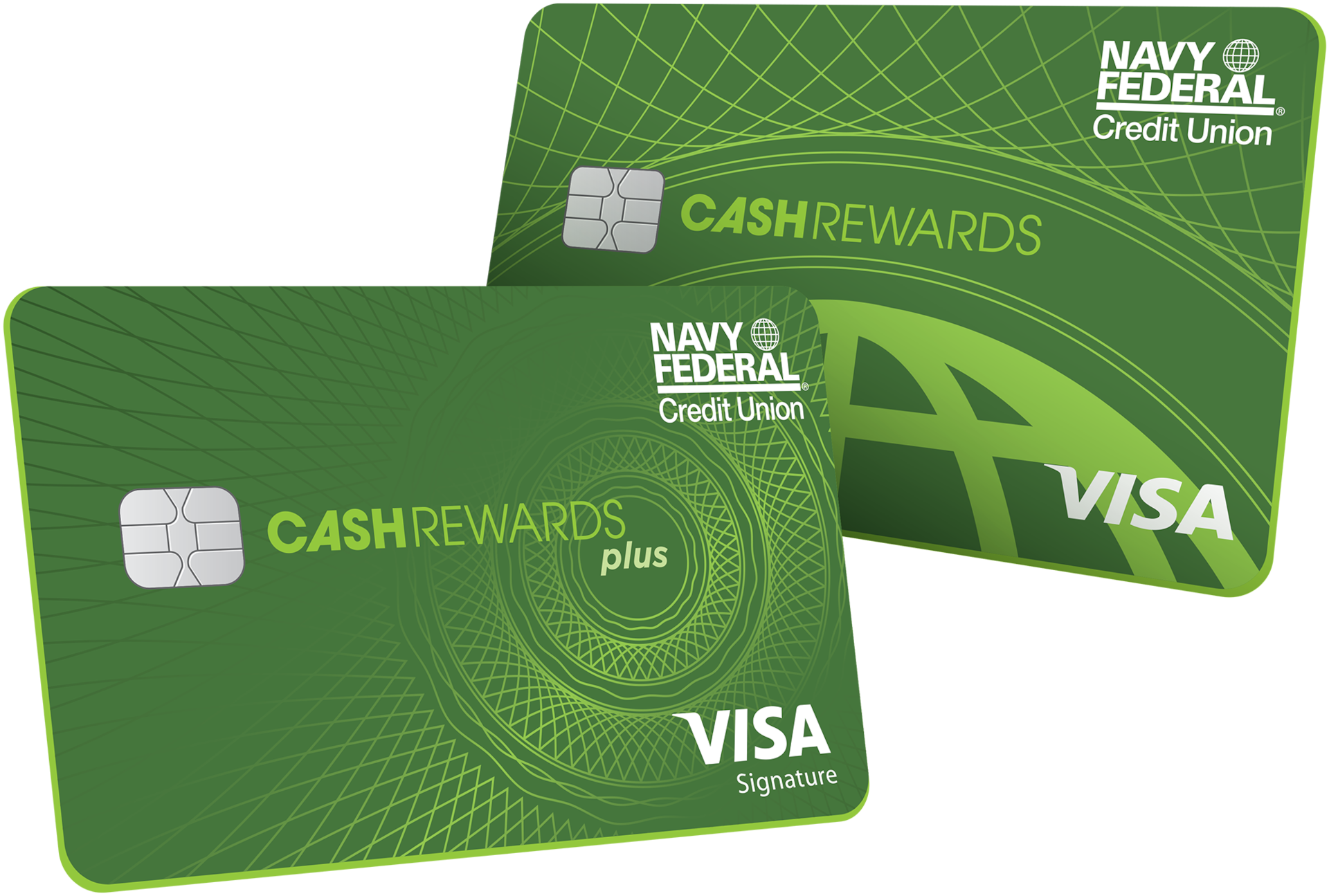
Cash Rewards Cards: Ideal for those who want to earn cash back on everyday spending. Evaluate the categories that offer bonus rewards and align them with your typical expenditures.
-
Travel Rewards Cards: Best for frequent travelers, offering points redeemable for flights, hotels, or travel-related expenses. Look for cards with sign-up bonuses, travel perks, and no foreign transaction fees.
-
Low APR Cards: Suited for individuals who occasionally carry a balance or prefer the security of a lower interest rate. Prioritize minimizing interest payments as a core financial goal.
-
Secured Cards: Excellent for those with limited or poor credit history, as they help build credit responsibly by requiring a security deposit, which typically serves as your credit limit. This is a powerful tool for credit rehabilitation.
Carefully assess your spending habits, financial needs, and long-term objectives to select the card that provides the most value to your unique financial situation.
Responsible Credit Card Management
A credit card is a powerful financial tool, but its utility is maximized through responsible use. Adhering to these personal finance principles is critical:
-
Pay Your Bill on Time, Every Time: This is the golden rule of credit. Late payments can incur fees, increase your APR (if a penalty APR is applied), and severely damage your credit score. Set up automatic payments to avoid missing due dates.
-
Pay Your Statement Balance in Full: The most financially savvy approach is to pay off your entire statement balance each month. This avoids interest charges altogether, effectively making your credit card a free way to earn rewards and build credit.
-
Keep Credit Utilization Low: Aim to keep your credit utilization ratio (the amount of credit you’re using compared to your total available credit) below 30%, ideally even lower (e.g., 10%). High utilization can negatively impact your credit score.
-
Monitor Your Spending and Budget: Use your credit card as part of a comprehensive budget. Track your purchases to ensure you’re not overspending and can comfortably pay off your balance. NFCU’s online banking and mobile app offer excellent tools for tracking.
-
Review Your Statements Regularly: Check for unauthorized charges or errors. This vigilance is a cornerstone of financial security.
Leveraging Member Perks
Beyond the standard credit card features, NFCU membership often comes with additional perks that can further enhance your financial standing:
-
Financial Education Resources: Access to articles, webinars, and counseling services designed to improve financial literacy.
-
Exclusive Discounts: Special offers on various products and services available only to NFCU members.
-
ATM Access and Branch Network: Broad access to fee-free ATMs and a dedicated branch network.
By actively engaging with these resources, you can not only manage your credit card more effectively but also improve your overall financial health.

Beyond the Card: A Partnership in Financial Wellness
Obtaining a Navy Federal credit card is more than just getting a payment instrument; it’s an entry point into a comprehensive financial relationship. For military members and their families, NFCU serves as a dedicated partner in navigating various financial milestones, from building an emergency fund and saving for a home to planning for retirement. By leveraging their credit card responsibly and exploring other NFCU financial tools—such as savings accounts, checking accounts, loans, and investment services—members can strategically work towards greater financial independence and security. The credit card, when managed wisely, becomes a powerful component of a broader strategy for achieving long-term financial wellness within a trusted community.
aViewFromTheCave is a participant in the Amazon Services LLC Associates Program, an affiliate advertising program designed to provide a means for sites to earn advertising fees by advertising and linking to Amazon.com. Amazon, the Amazon logo, AmazonSupply, and the AmazonSupply logo are trademarks of Amazon.com, Inc. or its affiliates. As an Amazon Associate we earn affiliate commissions from qualifying purchases.