
The question “where is the stock market?” might seem simple, even childlike, yet its answer delves into the complex, interconnected, and increasingly digital fabric of global finance. It’s not a single physical building, nor is it confined to a specific geographic location in the way a traditional marketplace once was. Instead, “the stock market” is a pervasive ecosystem, a vast network of participants, technologies, regulations, and financial instruments that collectively determine the value of publicly traded companies and, by extension, reflect the health and future prospects of economies worldwide. Understanding its true “location” means comprehending its multifaceted infrastructure, its global reach, and the various forces that give it shape and movement. For anyone looking to engage with personal finance, investing, or even grasp broader economic trends, deciphering this fundamental question is the first step toward informed participation.
Defining the “Where”: Beyond a Physical Location
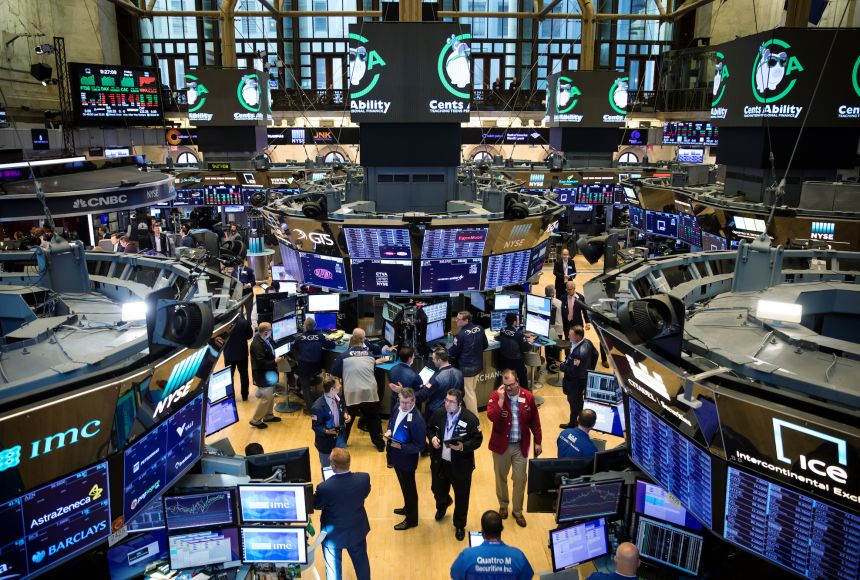
To truly understand where the stock market is, we must first liberate ourselves from the antiquated notion of a single, physical trading floor. While iconic images of bustling pits and yelling traders persist in popular culture, the reality of modern stock markets is far more distributed and technologically driven. Its “location” is best understood as a confluence of digital networks, regulatory frameworks, and human capital, spanning continents and time zones.
The Digital Transformation of Trading
The most significant shift in the stock market’s “where” has been its migration to the digital realm. High-speed fiber optic cables, satellite communications, and sophisticated algorithms now underpin the vast majority of trading activities. Trades are executed electronically, often in milliseconds, through powerful computer servers located in secure data centers worldwide. These centers are strategically positioned near major financial hubs to minimize latency, ensuring that millions of transactions can be processed with unparalleled speed and efficiency. This digital infrastructure means that a stock market transaction initiated by an investor in New York might be executed on servers in Chicago, clearing through systems in London, all within the blink of an eye. The traditional trading floor, while not entirely obsolete for certain types of transactions, has largely given way to screens and algorithms.
Global Interconnectivity and Market Access
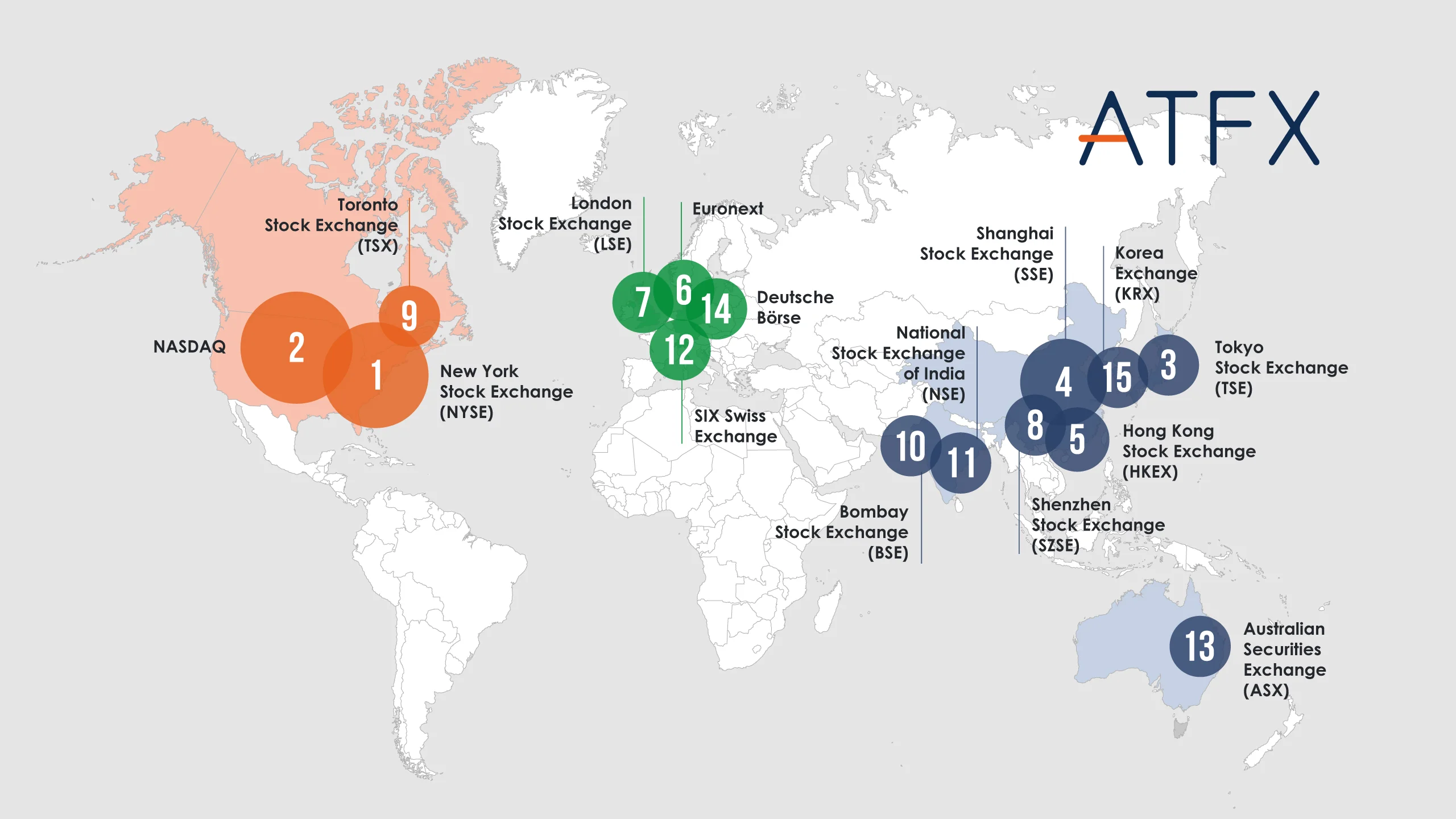
The “where” of the stock market is inherently global. Financial markets in New York, London, Tokyo, Shanghai, and countless other cities are not isolated islands but are intricately linked. Economic news from one region can ripple through markets across the globe almost instantaneously. This interconnectivity allows investors from virtually anywhere to access and trade securities listed on exchanges worldwide, provided they have the right brokerage accounts and comply with local regulations. This global access has democratized investing to an unprecedented degree, moving the market from exclusive clubhouses to the fingertips of individuals equipped with a smartphone and an internet connection. The sun never truly sets on the global stock market, as trading cycles continuously overlap across different time zones.
The Ecosystem of Participants
Beyond the technology and geography, the “where” of the stock market is also defined by its diverse ecosystem of participants. This includes individual retail investors, large institutional investors (like pension funds, mutual funds, and hedge funds), corporations issuing shares, government bodies, market makers, and specialist traders. Each plays a distinct role, contributing to the market’s liquidity, efficiency, and price discovery mechanisms. The collective actions, expectations, and risk appetites of these participants create the dynamic environment we recognize as the stock market. Their constant interaction, driven by information flow and economic data, shapes the market’s collective consciousness and determines where capital flows.
The Pillars of Modern Market Infrastructure
Understanding the stock market’s “where” also necessitates examining its foundational pillars – the institutions and mechanisms that enable its existence and operation. These are the physical and conceptual places where rules are made, trades are processed, and integrity is maintained.
Exchanges: The Central Hubs
At the core of the market’s structure are the stock exchanges. While physical trading floors have diminished, exchanges like the New York Stock Exchange (NYSE), NASDAQ, London Stock Exchange (LSE), and Japan Exchange Group (JPX) remain critical central hubs. These are the regulated marketplaces where securities are listed, bought, and sold. They provide the platform, the rules, and the technology for companies to raise capital by issuing shares, and for investors to trade those shares. Each exchange has its own listing requirements, trading hours, and regulatory oversight, acting as the primary point of convergence for supply and demand. They are not merely buildings but sophisticated digital infrastructures that facilitate billions of dollars in transactions daily.
Brokerage Firms: Gateways for Investors
For the vast majority of individuals and even many institutions, the stock market is accessed through brokerage firms. These firms act as intermediaries, providing the “gateway” for investors to place buy and sell orders on exchanges. From traditional full-service brokers offering personalized advice to online discount brokers providing self-directed platforms, they execute trades, hold securities, and manage client accounts. The rise of fintech has further expanded this “gateway,” with mobile apps and user-friendly interfaces making investing more accessible than ever before. These firms are critical because without them, direct access to the complex machinery of exchanges would be virtually impossible for the average person. They are, in essence, where an individual investor’s financial journey into the market begins.
Regulatory Bodies: Ensuring Fairness and Stability
A crucial, albeit often invisible, “where” of the stock market lies within its regulatory framework. Bodies such as the Securities and Exchange Commission (SEC) in the U.S., the Financial Conduct Authority (FCA) in the UK, and similar organizations globally, define the rules of engagement. They ensure market integrity, protect investors from fraud, and promote transparency. Their regulations cover everything from how companies disclose financial information to how brokers handle client accounts and how trades are settled. Without robust regulation, the stock market would devolve into chaos, losing the trust essential for its very functioning. These bodies are not just located in government offices; their influence is pervasive, shaping every transaction and every participant’s behavior, thereby ensuring a fair and orderly “place” for capital to operate.
Understanding Market Movements and Influence
If the stock market isn’t a single physical place, then its “where” can also be interpreted as “where its influence is felt” and “where its dynamics originate.” The market is a barometer of economic sentiment and a forward-looking mechanism that reacts to a multitude of factors, dictating where wealth is created or lost.
Economic Indicators: The Market’s Barometer

The market’s “location” in terms of its responsive nature is heavily influenced by a constant stream of economic data. GDP reports, inflation rates, employment figures, consumer confidence indices, and interest rate decisions from central banks are all critical inputs that dictate market sentiment and direction. Positive economic news often leads to market rallies, as investors anticipate higher corporate profits and economic growth. Conversely, negative indicators can trigger sell-offs. The market doesn’t just react to these numbers; it often anticipates them, incorporating future expectations into current stock prices. Thus, the market’s “where” is inextricably linked to the underlying health and prospects of the real economy it seeks to represent and fund.
Geopolitical Events and Their Ripple Effects
The “where” of the stock market is also shaped by global geopolitical events. Major conflicts, trade disputes, elections, and international policy shifts can send shockwaves through financial markets, regardless of their physical origin. A political crisis in one part of the world can impact global supply chains, energy prices, and investor confidence, leading to volatility across indices. This demonstrates the market’s sensitivity to external factors that transcend traditional economic metrics. Investors and analysts constantly monitor geopolitical landscapes, integrating these potential impacts into their investment strategies, reinforcing the idea that the market’s location is truly global and interconnected, reflecting every major world event.
Technological Advancements as Market Drivers
The relentless march of technological innovation also determines where the market is heading and where value is being created. Disruptive technologies – from artificial intelligence and biotechnology to renewable energy and blockchain – constantly reshape industries and create new investment opportunities. Companies at the forefront of these advancements often see their stock prices soar, while those failing to adapt may struggle. The market’s “where” is therefore also found at the cutting edge of innovation, reflecting where capital is being allocated to fund the technologies of tomorrow. This dynamic makes the market a powerful engine for progress, continuously shifting focus as new breakthroughs emerge and transform economic landscapes.
Accessibility and Participation in Today’s Market
The question of “where is the stock market?” is also answered by considering its accessibility – how and by whom it is engaged. The modern stock market is no longer an exclusive domain but a widely accessible platform, though participation varies greatly.
Retail Investing: Empowering the Individual
One of the most profound shifts in the stock market’s accessibility has been the rise of retail investing. With the advent of user-friendly online brokerage platforms, commission-free trading, and fractional share investing, individuals can now participate in the market with relatively small amounts of capital. This has democratized access, allowing millions to invest directly in publicly traded companies, mutual funds, and exchange-traded funds (ETFs). Social media platforms and online communities have also emerged as informal “places” where retail investors share insights, strategies, and sometimes even coordinate actions, creating new dynamics within the market. This empowerment of the individual investor represents a significant expansion of the market’s “where”—from Wall Street boardrooms to Main Street homes.
Institutional Investors: The Market’s Heavyweights
While retail investors form a growing segment, institutional investors remain the market’s heavyweights. Pension funds, mutual funds, hedge funds, sovereign wealth funds, and endowments manage trillions of dollars, representing a massive portion of daily trading volume. Their sophisticated research capabilities, vast capital pools, and long-term investment horizons give them significant influence over market movements and corporate governance. The “where” of institutional investing often involves complex algorithms, proprietary trading systems, and direct relationships with company managements, operating at a scale that profoundly shapes market trends and capital allocation. Their strategies and decisions are critical determinants of the market’s overall direction and stability.
The Role of Financial Advisors and Robo-Advisors
For many, navigating the complexities of the stock market means relying on expert guidance. Financial advisors, wealth managers, and increasingly, robo-advisors, serve as crucial intermediaries, helping individuals and institutions define investment goals, manage portfolios, and navigate market volatility. Financial advisors provide personalized advice and human insight, while robo-advisors leverage algorithms to offer automated, low-cost portfolio management. These services define another “where” for investors – the point of professional counsel and technological assistance. They simplify the market for many, translating its complexities into actionable strategies tailored to individual financial situations, making investment planning more accessible and effective.
Navigating the Future Landscape of the Stock Market
The “where” of the stock market is not static; it is a continually evolving entity. As technology advances and global economic structures shift, the market is poised for further transformation, promising new ways of interaction and investment.
Decentralization and Blockchain’s Potential
A significant future “where” for the stock market could involve increased decentralization, largely driven by blockchain technology. Concepts like security tokens, tokenized assets, and decentralized exchanges (DEXs) offer the potential for more transparent, immutable, and peer-to-peer trading without traditional intermediaries. While still in nascent stages for mainstream equity markets, this technology could fundamentally alter how assets are owned, transferred, and traded, reducing costs and increasing accessibility even further. The vision of a truly global, 24/7, peer-to-peer market operating on distributed ledgers points to a future where the stock market’s “where” becomes even less dependent on centralized institutions and more reliant on a network of trust and cryptography.
AI and Algorithmic Trading: Reshaping Strategies
Artificial intelligence (AI) and machine learning are already deeply embedded in financial markets, driving high-frequency trading and sophisticated data analysis. In the future, AI’s role is expected to expand dramatically, influencing everything from personalized investment advice (advanced robo-advisors) to predictive analytics, risk management, and automated portfolio optimization. This means that a significant “where” of future market decision-making will reside within intelligent algorithms capable of processing vast datasets and identifying patterns far beyond human capacity. These technologies will continue to redefine trading strategies, market efficiency, and potentially even the speed at which market events unfold, demanding new forms of oversight and understanding.
The Evolution of Global Financial Centers
While digital transformation suggests a reduced reliance on physical locations, major financial centers like New York, London, and increasingly, emerging hubs in Asia, will continue to play pivotal roles. Their “where” will evolve from being solely trading floors to becoming centers of innovation, regulation, and talent aggregation. They will be the places where new financial products are conceived, where regulatory frameworks adapt to technological shifts, and where global capital orchestrates its movements. The competition among these centers will drive further innovation and efficiency, ensuring that the stock market, in its constantly evolving forms, remains a powerful engine for global economic growth and capital allocation. The question “where is the stock market?” will continue to be answered by the confluence of cutting-edge technology, sophisticated financial infrastructure, and the collective human drive for prosperity and innovation.
aViewFromTheCave is a participant in the Amazon Services LLC Associates Program, an affiliate advertising program designed to provide a means for sites to earn advertising fees by advertising and linking to Amazon.com. Amazon, the Amazon logo, AmazonSupply, and the AmazonSupply logo are trademarks of Amazon.com, Inc. or its affiliates. As an Amazon Associate we earn affiliate commissions from qualifying purchases.