
The stock market is a dynamic, complex ecosystem, perpetually reacting to a confluence of economic data, corporate earnings, geopolitical events, and investor sentiment. Asking “what is the stock market doing now” is akin to inquiring about the weather – it’s constantly changing, influenced by a myriad of factors, and its current state rarely tells the whole story without context. At any given moment, the market reflects a global interplay of capital flows, risk appetites, and future expectations. For investors, understanding these movements is not just about tracking daily gains or losses, but deciphering the underlying economic currents that shape long-term wealth creation.
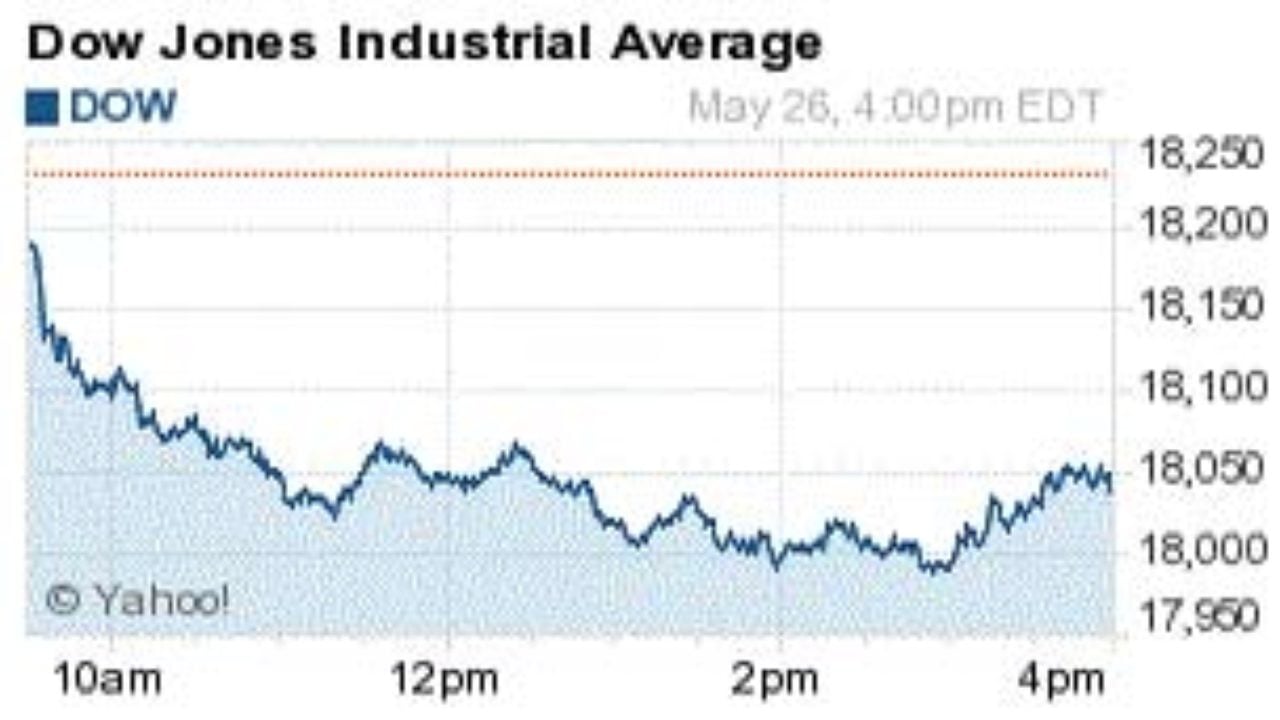
In recent times, the stock market has been on a rollercoaster, oscillating between periods of robust growth, sharp corrections, and cautious consolidation. Macroeconomic forces, particularly inflation, interest rate hikes by central banks, and persistent geopolitical tensions, have been dominant themes, steering market narratives and prompting significant sector rotations. This environment demands a more nuanced approach than simply ‘buying the dip’ or chasing momentum; it requires an insightful understanding of where value resides and how different asset classes are likely to perform under varying conditions. This article will delve into the current pulse of the stock market, exploring the key drivers, sector performance, and strategic considerations for investors navigating these turbulent yet opportunity-rich waters.
Navigating the Current Market Landscape
The global economic stage is set with a complex interplay of forces that dictate the stock market’s daily gyrations and longer-term trends. Understanding these overarching dynamics is crucial for any investor looking to make informed decisions.
The Tug-of-War: Inflation vs. Growth Concerns
For the past few years, inflation has been a central character in the economic narrative. Propelled by a combination of strong post-pandemic demand, supply chain disruptions, and geopolitical events (such as the energy market shocks), consumer prices have soared across many major economies. Central banks, notably the U.S. Federal Reserve, the European Central Bank, and others, have responded aggressively by hiking interest rates to rein in persistent price pressures. While these measures aim to cool the economy and bring inflation back to target levels, they concurrently introduce significant growth concerns. Higher borrowing costs for businesses can stifle investment and expansion, while reduced consumer purchasing power dueoded by inflation can dampen demand. The market is constantly weighing the prospect of successful disinflation against the risk of a significant economic slowdown or even a recession, creating a volatile environment where sentiment can swing rapidly. Companies with strong pricing power and robust balance sheets tend to fare better in this inflationary, high-interest-rate environment, while highly leveraged firms or those reliant on discretionary consumer spending face stiffer headwinds.
Interest Rate Hikes and Their Ripple Effects
The swift pace and magnitude of interest rate hikes have been a defining feature of the current market cycle. Higher rates impact the stock market through several channels. Firstly, they increase the cost of capital for businesses, making it more expensive to borrow for expansion, mergers, or even day-to-day operations. This can eat into corporate profits and reduce future earnings expectations, a key driver of stock valuations. Secondly, higher rates make fixed-income investments, such as government bonds and corporate debt, more attractive relative to equities. As bond yields rise, the risk premium demanded for investing in stocks tends to increase, potentially leading to a re-evaluation of stock prices. Thirdly, the discounted cash flow (DCF) models, widely used to value growth stocks based on their future earnings, are particularly sensitive to interest rate changes. Higher discount rates reduce the present value of future cash flows, leading to downward pressure on the valuations of companies whose profitability is projected far into the future, especially those in the technology and innovation sectors. This has been a major factor in the rebalancing of market leadership from growth to value stocks.
Geopolitical Tensions and Global Economic Interconnectivity
Beyond the direct economic data, geopolitical events cast a long shadow over global markets. Conflicts, trade disputes, shifts in international alliances, and political instability in key regions can introduce significant uncertainty. For instance, the ongoing conflict in Eastern Europe has had profound implications for global energy and commodity markets, driving up costs for businesses and consumers worldwide. Tensions in critical supply chain hubs, particularly in Asia, can disrupt the flow of goods and components, leading to shortages and further inflationary pressures. Furthermore, protectionist policies and rhetoric can impede international trade, impact the profitability of multinational corporations, and fragment global supply chains, ultimately affecting economic growth projections. The interconnectedness of the modern global economy means that a crisis in one region can quickly ripple across borders, influencing investor confidence and prompting capital reallocation from riskier assets to perceived safe havens. Investors are therefore increasingly incorporating geopolitical risk analysis into their portfolio strategies.
Sectoral Performance and Investment Trends
The broad market indices often mask significant divergences in performance among different sectors. The current economic environment has reshaped leadership, rewarding some sectors while challenging others.
Tech Sector Rebalancing and Valuation Adjustments
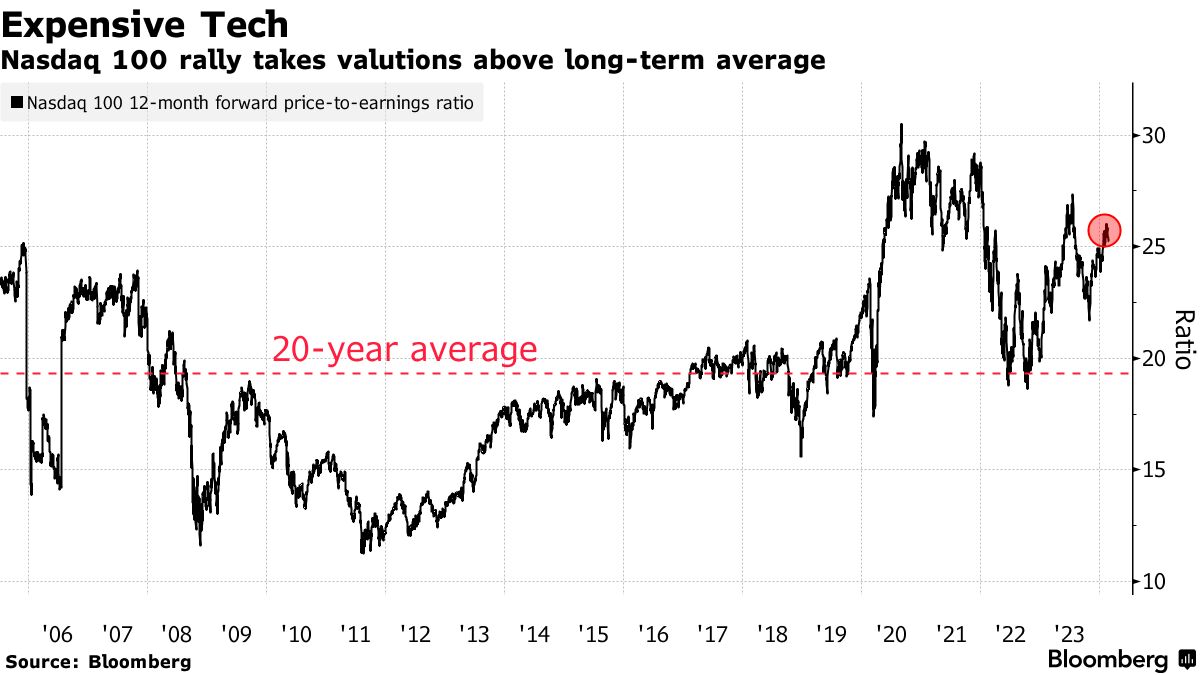
The technology sector, which enjoyed a multi-year bull run fueled by low interest rates and rapid innovation, has experienced a significant rebalancing. Higher interest rates have disproportionately impacted growth-oriented tech companies, as their valuations are heavily reliant on future earnings growth. When the cost of capital rises, the present value of those future earnings decreases, leading to a downward revision of stock prices. This has led to a noticeable divergence within the tech sector itself. While highly speculative, unprofitable tech companies have seen their valuations compress sharply, established mega-cap tech giants with robust cash flows and strong market positions have shown more resilience, albeit still facing headwinds. The market is now scrutinizing profitability and sustainable growth more rigorously, favoring companies with proven business models and healthy free cash flow generation over those solely focused on top-line growth at any cost.
Resilience in Value and Defensive Sectors
In contrast to the tech sector’s rebalancing, value and defensive sectors have shown relative resilience, and in some cases, outperformance. Value stocks, generally characterized by lower price-to-earnings ratios and higher dividend yields, tend to perform better in environments of rising rates and moderate economic growth. Sectors like financials, which benefit from higher net interest margins as rates rise, and energy, which has capitalized on elevated commodity prices, have seen renewed interest. Defensive sectors, such as consumer staples, healthcare, and utilities, are typically less sensitive to economic cycles because demand for their products and services remains relatively stable even during downturns. These sectors offer a degree of stability and consistent dividends, making them attractive to investors seeking refuge from volatility and a potential hedge against economic uncertainty. This shift reflects a broader market rotation from “growth at any price” to “quality and stability.”
Emerging Trends: Green Energy and AI’s Long-Term Potential
Despite the immediate macroeconomic headwinds, certain long-term secular trends continue to attract investment. The global imperative for climate action and energy independence is driving substantial investment into renewable energy technologies, electric vehicles, and sustainable infrastructure. Government incentives, technological advancements, and increasing corporate commitments to ESG (Environmental, Social, Governance) goals are fueling growth in this sector, making it an attractive long-term play. Similarly, the rapid advancements in Artificial Intelligence (AI), machine learning, and automation are poised to revolutionize industries across the board. While the immediate market sentiment might impact current valuations, the underlying technological breakthroughs and their potential to enhance productivity, drive innovation, and create new markets remain significant. Investors with a long-term horizon are recognizing that even in challenging economic periods, disruptive innovation continues, creating opportunities for those willing to look beyond the immediate market noise.
Understanding Market Volatility and Investor Psychology
The stock market’s movements are not solely driven by fundamentals; human psychology and systemic factors play an enormous role in shaping its day-to-day volatility.
Decoding Market Indexes: S&P 500, Dow, Nasdaq
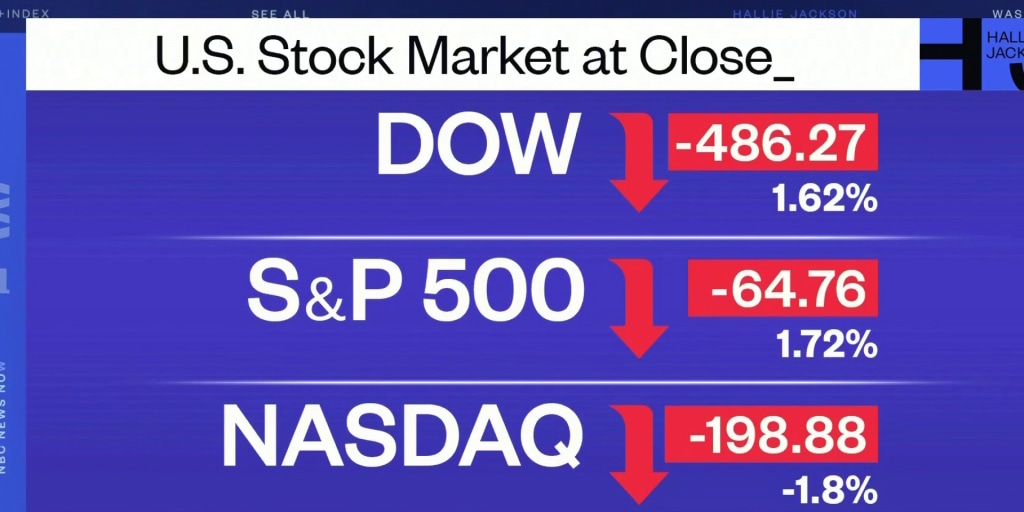
Major market indexes serve as barometers for different segments of the economy. The S&P 500 is often considered the best gauge of large-cap U.S. equities, representing a broad cross-section of industries. Its movements reflect the health and sentiment of a significant portion of the American corporate landscape. The Dow Jones Industrial Average (DJIA), while composed of only 30 large, established companies, provides insights into the performance of industrial giants and blue-chip stocks. The Nasdaq Composite, heavily weighted towards technology and growth companies, often acts as an indicator for innovation-driven sectors. When these indexes are moving in different directions, or when their gains/losses are widely divergent, it signals underlying shifts in market leadership and investor preference, such as the recent outperformance of the Dow and S&P 500 relative to the Nasdaq during periods of tech sector rebalancing. Analyzing these indexes in conjunction provides a more holistic view of market health.
The Role of Investor Sentiment and Behavioral Finance
Beneath the surface of economic data and corporate earnings lies the powerful current of investor sentiment. Fear and greed are primal emotions that often drive short-term market movements, leading to irrational exuberance during bull runs and panic selling during downturns. Behavioral finance studies these psychological biases, demonstrating how herd mentality, overconfidence, anchoring, and loss aversion can cause market inefficiencies and exaggerated reactions to news. For example, during periods of high uncertainty, negative news can be overemphasized, leading to sharper sell-offs than warranted by fundamentals. Conversely, during bull markets, positive news can be extrapolated excessively, leading to asset bubbles. Understanding these psychological dynamics is crucial for investors to avoid emotional decisions and maintain a disciplined, long-term perspective. The current volatility is a testament to the powerful influence of collective investor psychology reacting to an uncertain economic outlook.
Technical Indicators and Market Psychology
Beyond fundamentals and sentiment, technical analysis provides another lens through which to view market behavior. Technical indicators, such as moving averages, relative strength index (RSI), and trading volumes, are used to identify patterns and predict future price movements based on historical data. For instance, a stock trading above its 200-day moving average might suggest bullish momentum, while a break below a key support level could signal further declines. High trading volumes accompanying a significant price move suggest conviction behind that move. While technical analysis is often debated, it reflects the collective psychology of traders and investors. Understanding basic technical concepts can help investors gauge market strength, identify potential turning points, and manage risk, though they should always be used in conjunction with fundamental analysis and not in isolation.
Strategies for the Modern Investor
Given the current market environment, a well-thought-out investment strategy is more critical than ever. Discipline, diversification, and a long-term perspective are paramount.
Diversification as a Cornerstone
Diversification is perhaps the most fundamental principle of prudent investing. It involves spreading investments across various asset classes (stocks, bonds, real estate, commodities), geographies, industries, and company sizes. The goal is not to eliminate risk entirely but to mitigate the impact of poor performance in any single investment. In a volatile market, where leadership can shift rapidly between sectors and styles (e.g., growth vs. value), a diversified portfolio ensures that an investor isn’t overly exposed to a single area that might underperform. For example, while tech stocks might have faced headwinds, energy and financial stocks might have thrived, balancing out overall portfolio returns. Regular rebalancing helps maintain the desired asset allocation, selling off winners to reinvest in underperformers, which can be a valuable risk management tool.
The Power of Dollar-Cost Averaging
Dollar-cost averaging (DCA) is a disciplined investment strategy where an investor commits to investing a fixed amount of money at regular intervals, regardless of the asset’s price. This approach automatically leads to buying more shares when prices are low and fewer shares when prices are high. Over time, it can help reduce the average cost per share and mitigate the risk of investing a lump sum at an inopportune market peak. In a volatile or down-trending market, DCA can be particularly effective, allowing investors to gradually accumulate assets at potentially lower valuations without needing to time the market perfectly. This strategy fosters a disciplined approach and removes emotional decision-making, which can be highly beneficial during periods of uncertainty.
Focus on Fundamental Analysis and Long-Term Value
While short-term market movements are often driven by sentiment and technical factors, long-term wealth creation is fundamentally linked to the underlying performance of businesses. Focusing on fundamental analysis involves researching companies thoroughly: understanding their business models, competitive advantages, financial health (revenue growth, profitability, cash flow), management quality, and industry outlook. Investing in companies with strong fundamentals, sustainable competitive advantages (moats), and attractive valuations, irrespective of immediate market noise, is a hallmark of successful long-term investing. During market downturns, high-quality companies may become available at more attractive prices, presenting opportunities for patient investors to build positions in what could be future market leaders.
Rebalancing Your Portfolio
Periodically reviewing and rebalancing your portfolio is crucial for maintaining your desired risk profile and strategic asset allocation. Over time, market movements can cause certain asset classes or sectors to grow disproportionately, leading your portfolio away from its original target allocation. For instance, if tech stocks had a stellar year, their weight in your portfolio might increase beyond your comfort level. Rebalancing involves selling off some of the overperforming assets and reinvesting in underperforming ones to bring the portfolio back into alignment with your strategic plan. This acts as a disciplined risk management tool, prevents overconcentration, and often involves “buying low and selling high” by trimming positions that have performed well and adding to those that are temporarily out of favor, without trying to time the market.
The Road Ahead: Outlook and Potential Scenarios
The future of the stock market is, by its very nature, uncertain. However, understanding potential scenarios can help investors prepare and adapt.
Soft Landing, Hard Landing, or Stagflation?
Economists and analysts are currently debating three primary scenarios for the global economy:
-
Soft Landing: Central banks successfully tame inflation without triggering a significant recession. Growth slows but remains positive, and unemployment doesn’t spike dramatically. This is the most optimistic scenario for the stock market, implying a return to more stable growth and potentially renewed corporate earnings expansion.
-
Hard Landing (Recession): The aggressive interest rate hikes push the economy into a deep and prolonged recession. Corporate earnings decline sharply, unemployment rises significantly, and consumer spending contracts. This scenario would likely lead to further significant downside for the stock market, though a deep recession often sets the stage for future recoveries as valuations become highly attractive.
-
Stagflation: A challenging combination of persistent high inflation and slow or negative economic growth, coupled with high unemployment. This is arguably the most difficult scenario for policymakers and investors, as traditional monetary tools used to combat inflation (rate hikes) can worsen growth, and tools used to stimulate growth (rate cuts) can exacerbate inflation. In such an environment, real assets like commodities, inflation-protected securities, and companies with strong pricing power might perform relatively better.
The market is constantly pricing in these probabilities, leading to volatility as new data shifts the perceived likelihood of each scenario.
The Persistent Influence of Central Bank Policies
The decisions made by major central banks, particularly the U.S. Federal Reserve, will continue to be a dominant factor shaping market movements. Future interest rate decisions, the pace of quantitative tightening (reducing their balance sheets), and any forward guidance on monetary policy will directly impact borrowing costs, bond yields, and investor risk appetite. A pivot towards more accommodative policies (rate cuts) would likely be a significant bullish catalyst for equities, particularly growth stocks, by reducing the discount rate on future earnings. Conversely, continued hawkishness would maintain pressure on valuations and potentially prolong market uncertainty. Investors will remain glued to central bank announcements and economic data for clues about the direction of monetary policy.
Innovation and Adaptation as Long-Term Drivers
Despite the current economic and geopolitical challenges, the engine of human innovation and corporate adaptation continues to drive long-term economic progress. Breakthroughs in artificial intelligence, biotechnology, renewable energy, materials science, and digital transformation promise to create new industries, improve productivity, and solve global challenges. Companies that can innovate, adapt to changing consumer preferences, and operate efficiently in dynamic environments are best positioned for long-term success. While market cycles will always bring periods of contraction and expansion, the fundamental upward trajectory of the global economy, fueled by technological advancement and human ingenuity, tends to persist over decades. Investors who maintain a long-term perspective and invest in well-managed, innovative companies are likely to be rewarded.
In conclusion, the stock market is currently navigating a period of significant transition and uncertainty, characterized by a complex interplay of inflation, rising interest rates, and geopolitical shifts. While volatility remains high, this environment also presents opportunities for discerning investors. By understanding the underlying economic forces, focusing on diversification, adopting disciplined strategies like dollar-cost averaging, and maintaining a long-term perspective rooted in fundamental analysis, investors can position themselves to not only weather the current storm but also to capitalize on the opportunities that inevitably arise from market dislocations. The market’s dynamic nature means “what it’s doing now” is just a snapshot, but informed decision-making based on a holistic view can pave the way for sustainable wealth creation.
aViewFromTheCave is a participant in the Amazon Services LLC Associates Program, an affiliate advertising program designed to provide a means for sites to earn advertising fees by advertising and linking to Amazon.com. Amazon, the Amazon logo, AmazonSupply, and the AmazonSupply logo are trademarks of Amazon.com, Inc. or its affiliates. As an Amazon Associate we earn affiliate commissions from qualifying purchases.