
The opening bell on any given trading day is more than just a ceremonial clang; it’s a dynamic confluence of overnight developments, economic indicators, corporate news, and investor sentiment, all converging to set the initial tone for the financial markets. For investors, traders, and financial professionals alike, understanding how the stock market opens provides crucial insights into the day’s potential trajectory and helps in calibrating strategies. A strong opening can signal bullish sentiment, while a weaker one might prompt caution or a defensive posture. This initial half-hour, often characterized by heightened volatility and significant order flow, is a window into the collective mood of market participants.
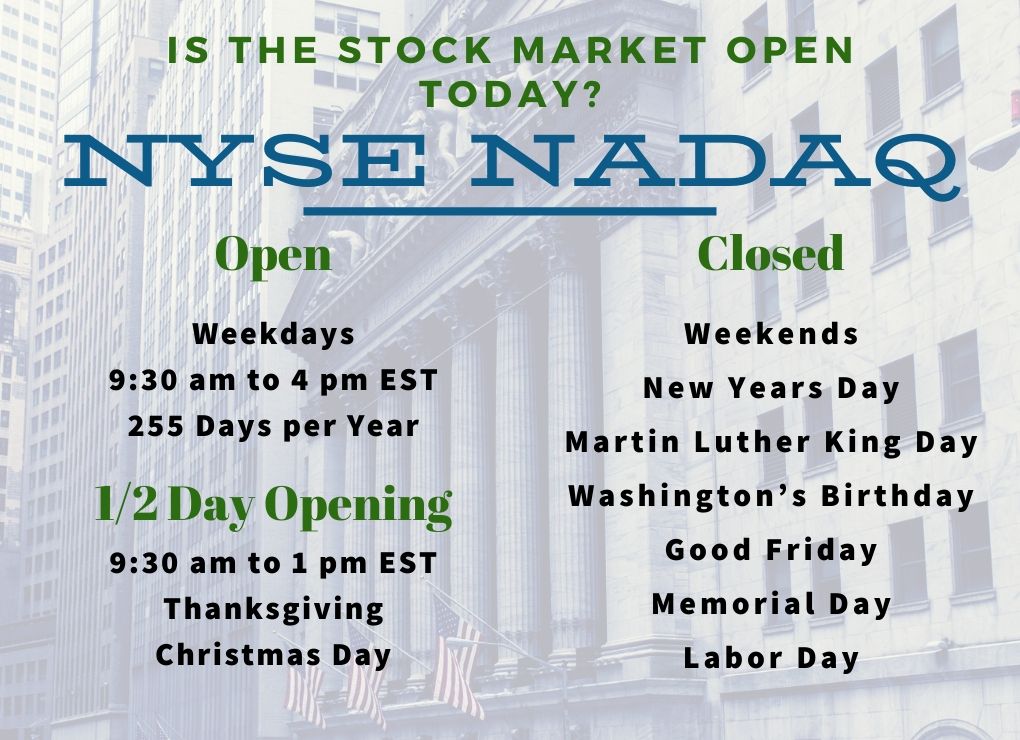
Today’s opening reflected a complex interplay of various global and domestic factors, painting a nuanced picture for the trading session ahead. From the ripple effects of international economic data to the specific earnings reports of key companies, every piece contributes to the intricate mosaic that defines the market’s initial movements. This article delves into the specifics of today’s market opening, examining the key indices, underlying drivers, sector performance, and what these early signals might mean for the broader trading day.
A Snapshot of Early Trading: Initial Market Sentiment
The initial moments after the market opens are often the most telling, characterized by rapid price discovery and the execution of pre-market orders. Today’s opening presented a mixed bag, with some indices showing resilience while others grappled with early pressures.
Key Index Performance and Early Trends
The Dow Jones Industrial Average (DJIA), often seen as a barometer for the broader U.S. economy, opened relatively flat, hovering close to its previous day’s closing levels. This indicated a cautious equilibrium among its 30 constituent stocks, suggesting no immediate strong directional conviction. Industrial giants and financial sector components within the Dow showed slight upward momentum, potentially benefiting from a positive overnight development in global trade discussions, which helped to offset some downward pressure from consumer discretionary stocks.
In contrast, the S&P 500, a broader representation of large-cap U.S. equities, experienced a marginal dip shortly after the open. This slight decline was largely attributable to weakness in the technology and communication services sectors, which carry significant weight within the index. The initial selling pressure suggested a minor risk-off sentiment developing in high-growth areas, possibly in anticipation of upcoming economic data. However, the dip was not severe, indicating underlying support.
The Nasdaq Composite, heavily weighted towards technology and growth stocks, saw the most significant early volatility, opening lower by a noticeable margin. This was primarily driven by corrections in several high-valuation tech stocks that had seen substantial gains in recent weeks. Investors appeared to be taking profits in these areas, perhaps reallocating capital towards more value-oriented or defensive plays. Despite the initial pullback, trading volume on the Nasdaq was robust, suggesting active participation even in the face of selling pressure. The early movements underscored a potential rotation within the market rather than a wholesale flight from equities.
Sectoral Movements and Early Leaders/Laggards
At the sectoral level, the market opening revealed distinct trends. The Energy sector emerged as an early leader, buoyed by a modest uptick in crude oil prices driven by supply concerns and an improving global demand outlook. Major oil and gas producers saw their shares climb, contributing positively to indices where they have significant representation. Similarly, the Utilities sector, often considered defensive, also showed early strength, suggesting some investors were seeking stability amidst the broader market’s uncertainty.
Conversely, the Technology sector, particularly software and semiconductor companies, experienced early headwinds. This could be attributed to a combination of factors: recent strong performance leading to profit-taking, renewed concerns over rising interest rates potentially impacting growth stock valuations, and specific company news for a few sector titans. The Communication Services sector, home to many large internet and media companies, also faced pressure, mirroring the tech sector’s struggles. Consumer Discretionary stocks showed a mixed performance, with some retail segments struggling while others, tied to evolving consumer trends, held their ground. This divergence highlights the selective nature of early market sentiment, rather than a broad-based panic or euphoria.
Driving Forces Behind the Morning Bell: Macroeconomic Influences
The stock market’s opening is never an isolated event; it’s a direct reaction to a multitude of pre-existing and immediate factors, most notably macroeconomic influences that shape investor expectations and risk appetites.
Overnight Global Market Performance
Before the U.S. markets even consider opening, traders and investors are meticulously tracking performance across Asia and Europe. Today, Asian markets, particularly in China and Japan, closed with modest gains. This positive spillover was largely due to an easing of specific regulatory concerns in China and positive manufacturing data from Japan, signaling resilient economic activity in the region. European markets, which were still trading during the U.S. pre-market hours, displayed a cautious optimism, with major indices like the FTSE 100, DAX, and CAC 40 trending slightly upwards. This generally favorable international backdrop provided a floor for U.S. futures and prevented a steeper opening decline, despite some domestic pressures. The global interconnectedness of financial markets means that sentiment from one continent can quickly propagate across others, setting the initial tone.
Economic Data Releases and Expectations
The release of key economic data, whether domestic or international, often serves as a primary catalyst for market movements. While there were no major “surprise” data releases precisely at the market open today, investor expectations and reactions to previously released data played a significant role. Yesterday’s inflation data, which came in slightly higher than anticipated, continued to weigh on sentiment, particularly concerning its implications for future monetary policy. This contributed to the early profit-taking in growth stocks and a preference for value and defensive plays. Additionally, this morning’s consumer confidence index, released shortly before the open, showed a slight dip, suggesting some ongoing concerns among consumers about future economic conditions and purchasing power. These data points collectively fostered a cautious outlook, influencing institutional trading algorithms and individual investment decisions from the very first minute of trading.
Geopolitical Developments and Their Market Impact
Geopolitical events, even those occurring far from major financial centers, can send ripples through global markets. Today, lingering concerns over potential supply chain disruptions in a critical manufacturing region, following a localized political dispute, contributed to a general sense of unease. While not directly impacting U.S. corporate earnings, the potential for higher input costs or delayed deliveries created a backdrop of uncertainty. Furthermore, ongoing diplomatic efforts in an unstable region of the world, though seemingly distant, were being closely monitored. Any hints of escalation or de-escalation can significantly sway commodity prices, particularly oil, and impact sectors sensitive to international trade and political stability. The market’s early reaction reflected an underlying awareness of these ongoing risks, prompting a degree of de-risking behavior among some participants.
Corporate Earnings and Company-Specific News
Beyond the broad macroeconomic brushstrokes, individual company performance and news can significantly impact sector and index movements, especially during the opening hours when new information is digested rapidly.

Major Earnings Reports Post-Market/Pre-Market
Several companies released their quarterly earnings reports either after the close yesterday or before the market open today. A prominent software company, a key player in the tech sector, reported robust earnings that beat analyst expectations but provided a cautious outlook for the next quarter, citing rising operational costs and potential market saturation. This mixed signal contributed to the early pressure on the broader tech index. Conversely, a leading industrial conglomerate reported stronger-than-expected revenue and reaffirmed its guidance, benefiting from a rebound in global manufacturing. This positive report provided a partial offset to negative sentiment in other areas, supporting the stability observed in the Dow Jones Industrial Average. How companies perform against expectations, and more importantly, how their forward guidance is perceived, can ignite buying interest or trigger selling waves immediately.
M&A Announcements and Business Developments
Today’s pre-market saw an announcement of a strategic acquisition in the healthcare sector, where a mid-sized pharmaceutical company agreed to be acquired by a larger competitor at a significant premium. This news immediately sent the acquiring company’s stock slightly lower (as investors factored in the cost of the acquisition) but caused the target company’s stock to surge, albeit briefly, reflecting the agreed-upon premium. Such M&A news often creates localized volatility and shifts capital within specific industries, sometimes attracting broader investor interest in related companies as potential future targets. Other business developments, such as product launches, patent approvals, or significant contract wins, also provide catalysts for individual stock movements, which can then aggregate to influence sector performance.
Analyst Ratings and Price Target Adjustments
The financial media often highlights pre-market analyst upgrades or downgrades, which can significantly influence a stock’s opening price. Today, a well-known investment bank upgraded its rating on a major retail chain, citing improving consumer spending trends and effective cost management. This upgrade contributed to a positive opening for the stock and offered some support to the consumer discretionary sector, counteracting some of the broader sector weakness. Conversely, a downgrade for a semiconductor manufacturer, based on concerns about inventory levels and future demand, exacerbated its early decline, putting further pressure on the tech sector. Analyst reports, especially from influential institutions, can sway investor perception and catalyze immediate trading action as funds adjust positions based on new recommendations.
The Role of Investor Psychology and Technicals
While fundamentals and news provide the “why,” investor psychology and technical trading patterns often dictate the “how” and “where” of market movements, especially during the volatile opening minutes.
Sentiment Indicators and Market Breadth
Beyond specific news items, the general mood of the market — whether fearful or greedy — plays a critical role. Today’s opening showed a slight tilt towards caution. Early market breadth, which measures the number of advancing stocks versus declining stocks, indicated that while the major indices were mixed, a greater proportion of individual stocks were either flat or down. This suggested that underlying selling pressure was somewhat broader than the index movements alone indicated. Sentiment indicators, such as the CBOE Volatility Index (VIX), often called the “fear gauge,” also showed a slight uptick immediately after the open, reinforcing the idea of heightened investor uncertainty and a readiness to respond defensively to perceived risks. This psychological undercurrent often amplifies initial price movements, pushing stocks further in their opening direction.
Key Support and Resistance Levels
Technical analysts closely monitor historical price levels that have acted as support (where buying interest emerged previously) or resistance (where selling pressure mounted). As the market opened today, key index futures were trading just above significant support levels identified from yesterday’s close. The ability of the market to hold these levels in the initial minutes provided a sense of stability, preventing a steeper decline. For individual stocks and sectors, a break above early resistance levels would signal bullish momentum, while a fall below support could trigger further selling. Today, several prominent tech stocks, after their initial dip, found support around their 50-day moving averages, which served as a technical floor for early trading. These technical boundaries act as psychological anchors for traders, influencing their entry and exit points.
Algorithm Trading and Early Order Flow
The modern stock market opening is heavily influenced by high-frequency trading (HFT) and algorithmic strategies. These automated systems process vast amounts of data and execute trades within milliseconds, often accounting for a significant portion of early trading volume. At the open, these algorithms rapidly digest overnight news, pre-market order imbalances, and global market cues, executing large block orders that can swiftly push prices. Today, the initial volatility on the Nasdaq, for instance, could partly be attributed to algorithms quickly unwinding long positions or initiating short positions in response to specific technical signals or a shift in the perceived risk environment. Understanding that a substantial portion of the opening move is algorithmically driven helps temper emotional reactions and focus on the underlying fundamentals once the initial rush subsides.
Looking Ahead: What to Watch for the Rest of the Day
The opening is merely the first chapter of the trading day. Savvy investors and traders know that the initial moves often set the stage, but the narrative can, and often does, evolve significantly.
Upcoming Economic Announcements
Later in the day, the market will be keenly watching for the release of the latest durable goods orders report, a key indicator of manufacturing activity and business investment. A stronger-than-expected reading could inject fresh optimism into the market, potentially reversing some of the earlier tech sector weakness, as it would signal economic resilience. Conversely, a weaker report could exacerbate concerns about a slowdown, prompting further defensive positioning. Additionally, the weekly unemployment claims data, though typically less impactful than monthly reports, will be scrutinized for any signs of shifts in the labor market. These data releases can provide the next major catalysts for market direction.
Fed Speaker Engagements and Monetary Policy Cues
Several Federal Reserve officials are scheduled to deliver speeches today at various conferences. Their comments will be closely parsed for any hints regarding the future trajectory of interest rates, the Fed’s stance on inflation, and its overall monetary policy outlook. Given the recent inflation data, any hawkish rhetoric (suggesting a tighter monetary policy) could reignite concerns about growth stock valuations and weigh on the broader market. Conversely, any dovish remarks (suggesting a more accommodative stance) could provide a boost. Even subtle shifts in language can have a profound impact, especially on rate-sensitive sectors like technology and real estate. Investors will be listening for consistency or divergence in sentiment among Fed members.

End-of-Day Trading Patterns and Potential Reversals
The afternoon session often presents a different trading dynamic. As the day progresses, institutions may rebalance portfolios, larger block trades might occur, and investors might react to mid-day news or revised analyst calls. Today, after a mixed opening, there’s potential for either a sustained trend or a reversal. If early selling pressure wanes and the market finds support, we might see a “buy the dip” mentality emerge, particularly in oversold tech names. Conversely, if economic data or Fed comments disappoint, the initial cautious sentiment could deepen, leading to further declines into the close. The final hour of trading, often called the “power hour,” can be particularly volatile as traders close positions or make last-minute adjustments, making it a critical period to observe for clues about tomorrow’s opening.
In conclusion, today’s stock market opening was a complex interplay of moderate global positivity, lingering domestic economic concerns, targeted corporate news, and dynamic technical and psychological factors. While the initial hours showed a degree of caution and sectoral rotation, the market remains receptive to upcoming data and pronouncements, underscoring the dynamic nature of daily financial markets.
aViewFromTheCave is a participant in the Amazon Services LLC Associates Program, an affiliate advertising program designed to provide a means for sites to earn advertising fees by advertising and linking to Amazon.com. Amazon, the Amazon logo, AmazonSupply, and the AmazonSupply logo are trademarks of Amazon.com, Inc. or its affiliates. As an Amazon Associate we earn affiliate commissions from qualifying purchases.