
In the intricate, ever-evolving world of global finance, asking “how are markets doing today?” is more than a casual inquiry; it’s a fundamental question that drives investment decisions, shapes economic policy, and impacts the financial well-being of millions. From the bustling trading floors of New York and London to the digital screens of Tokyo and Shanghai, financial markets are a complex tapestry woven from economic data, geopolitical events, corporate performance, and human psychology. Understanding their daily movements requires a blend of real-time analysis, historical context, and an eye towards future trends.
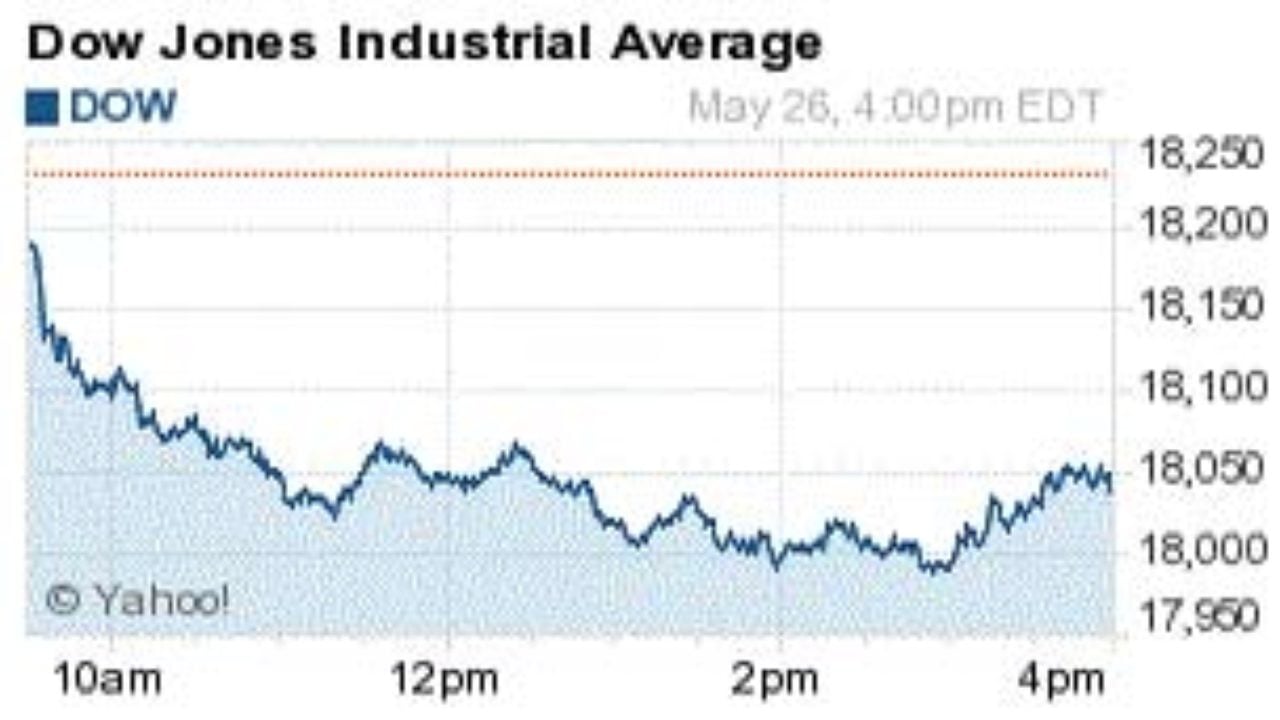
Today’s markets are operating within a dynamic landscape marked by both persistent challenges and emerging opportunities. High inflation, aggressive central bank tightening, geopolitical tensions, and shifting consumer patterns continue to dictate the narrative. Yet, pockets of resilience, technological innovation, and robust corporate earnings in certain sectors offer a counterbalance. This article will provide a comprehensive overview, dissecting the current state of financial markets, exploring the forces at play, and offering insights for navigating these turbulent waters.
Navigating the Current Economic Landscape
The backdrop against which markets perform is crucial. Today’s economic environment is characterized by a unique set of circumstances that profoundly influence investor sentiment and asset valuations. Understanding these broader themes is the first step in comprehending market movements.
Inflationary Pressures and Central Bank Responses
For the better part of the past two years, inflation has been the dominant economic storyline globally. After decades of relative price stability, a confluence of factors – including pandemic-induced supply chain disruptions, surging demand fueled by fiscal stimulus, and the energy crisis exacerbated by geopolitical conflicts – pushed inflation to multi-decade highs. This has forced central banks worldwide, most notably the U.S. Federal Reserve, the European Central Bank, and the Bank of England, to embark on an aggressive campaign of interest rate hikes.
The effectiveness and pace of these rate hikes are under constant scrutiny. While inflation has shown signs of moderating in some regions, it remains elevated above central bank targets. The ongoing dilemma for policymakers is to quell inflation without triggering a severe economic recession, often referred to as achieving a “soft landing.” Market participants constantly analyze economic data releases, such as the Consumer Price Index (CPI) and Producer Price Index (PPI), and central bank communications for clues on future policy direction, which directly impacts everything from bond yields to corporate borrowing costs.
Geopolitical Dynamics and Market Sensitivity
Geopolitical events have always been a factor in financial markets, but their impact has intensified in recent years. The war in Ukraine continues to exert significant pressure on commodity markets, particularly energy and food, leading to supply shocks and price volatility. Tensions between major global powers, trade disputes, and regional conflicts also introduce uncertainty, prompting investors to seek safe-haven assets like gold or certain government bonds, or to re-evaluate their exposure to specific regions or industries.
The interconnectedness of the global economy means that a crisis in one part of the world can ripple outward, affecting supply chains, corporate profitability, and investor confidence thousands of miles away. Markets react swiftly to headlines, pricing in potential risks and opportunities as they emerge. This heightened sensitivity underscores the need for investors to maintain a diversified portfolio and stay informed about international developments.
Consumer Confidence and Spending Habits
Consumer spending is the lifeblood of many economies, particularly developed ones. The current economic climate has created a complex picture for consumers. While employment remains relatively strong in many major economies, persistent inflation erodes purchasing power, and rising interest rates make borrowing more expensive. These factors contribute to fluctuating levels of consumer confidence, which in turn influences retail sales, durable goods purchases, and overall economic growth.
Markets closely watch indicators like consumer sentiment surveys, retail sales data, and personal consumption expenditures (PCE). A robust consumer sector can act as a buffer against economic downturns, signaling demand for goods and services, and ultimately, corporate earnings. Conversely, a sharp decline in confidence or spending can presage economic weakness and weigh heavily on growth-sensitive sectors.
A Deep Dive into Key Market Segments
To truly understand how markets are doing today, one must look beyond aggregate indices and examine the performance of individual market segments. Each segment responds to different catalysts and offers unique insights into the broader financial landscape.
The Stock Market: Sectoral Performance and Valuation Trends
Stock markets globally have experienced a period of significant volatility. After a challenging 2022, many indices saw a recovery in early 2023, driven by hopes of peaking inflation and a more dovish stance from central banks. However, this recovery has been uneven. Technology and growth stocks, which were heavily impacted by rising interest rates, have shown signs of resurgence as inflation fears have somewhat eased, benefiting from expectations of future earnings growth. On the other hand, traditional value sectors like energy and financials have also performed well, driven by commodity prices and rising interest margins respectively.
Valuation remains a key concern. While some sectors might appear attractive based on forward earnings, the specter of higher interest rates for longer can suppress equity multiples. Investors are increasingly scrutinizing corporate earnings reports, balance sheets, and guidance for clues about resilience in a potentially slowing economy. The divergence in performance between different sectors highlights the importance of active management and selective investment in the current environment.
Bond Markets: Yields, Inversion, and Investor Sentiment
Bond markets are often considered the bedrock of the financial system, and their movements provide critical insights into interest rate expectations, inflation forecasts, and economic growth prospects. Today, bond markets are particularly dynamic. Government bond yields, especially those of the U.S. Treasuries, have been highly sensitive to central bank policy and inflation data. Short-term yields have often risen above long-term yields, a phenomenon known as an “inverted yield curve,” which has historically been a reliable, though not infallible, indicator of an impending recession.
Corporate bond markets are also under scrutiny. As borrowing costs rise, companies with weaker balance sheets face higher refinancing risks. Spreads – the difference in yield between corporate bonds and government bonds – serve as a gauge of credit risk and overall market health. A widening of spreads indicates increased investor apprehension about corporate defaults, while narrowing spreads suggest greater confidence. The interplay between sovereign and corporate bonds paints a vivid picture of risk appetite and economic expectations.
Commodity Markets: Energy, Metals, and Agricultural Volatility
Commodity markets, encompassing energy, precious metals, industrial metals, and agricultural products, have experienced significant swings. The energy sector, particularly crude oil and natural gas, remains highly susceptible to geopolitical events and supply-demand imbalances. Volatility in energy prices has a cascading effect throughout the economy, influencing inflation, transportation costs, and corporate profitability.
Precious metals like gold, traditionally viewed as a safe-haven asset, have seen demand ebb and flow with investor anxiety and the real yield environment. Industrial metals like copper, often called “Doctor Copper” for its perceived ability to diagnose economic health, reflect global manufacturing activity and construction trends. Agricultural commodities, from wheat to corn, are influenced by weather patterns, geopolitical conflicts, and global food security concerns, making them prone to sharp price movements with significant social implications.
Cryptocurrency Landscape: Emerging Trends and Regulatory Headwinds
The cryptocurrency market, while still relatively nascent compared to traditional asset classes, has captured considerable attention. After a significant downturn in 2022, marked by high-profile bankruptcies and regulatory scrutiny, the market has shown signs of stabilization and cautious recovery in 2023. Bitcoin and Ethereum, the two largest cryptocurrencies, have seen price appreciation, driven by renewed institutional interest and anticipation of regulatory clarity.
However, the crypto landscape remains highly volatile and subject to evolving regulatory frameworks. Governments worldwide are grappling with how to regulate digital assets, stablecoins, and decentralized finance (DeFi), leading to uncertainty. Despite the challenges, the underlying blockchain technology continues to attract investment and innovation, with potential long-term implications for financial services and other industries. Investors in this space must contend with high risk, rapid technological shifts, and a still-maturing market infrastructure.
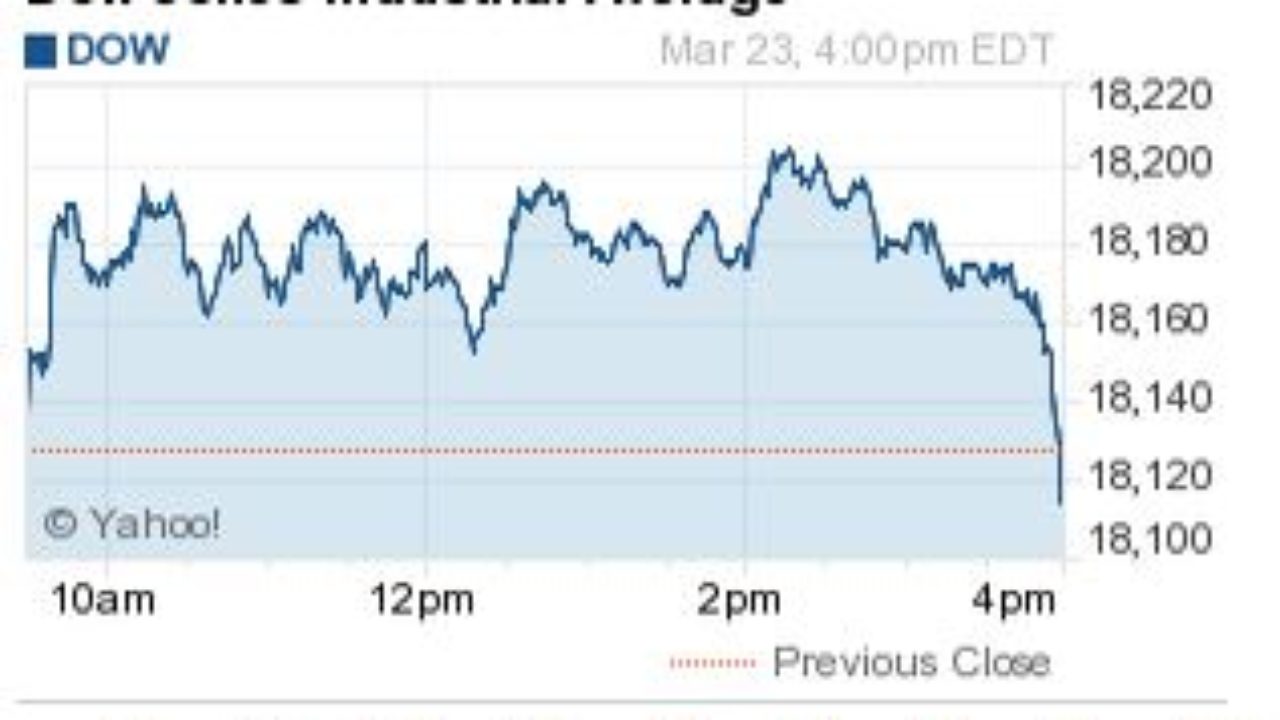
Factors Driving Market Sentiment and Performance
Beyond the broad economic landscape and individual market segments, specific catalysts frequently shape market sentiment and drive performance on a daily and weekly basis.
Corporate Earnings and Guidance
The bedrock of stock market performance is corporate profitability. Each quarter, companies release their earnings reports, detailing revenues, profits, and future outlook (guidance). Strong earnings growth and optimistic guidance can fuel rallies, while disappointing results or cautious forecasts can trigger sell-offs. Investors pore over these reports, dissecting them for insights into consumer demand, cost management, and competitive positioning across various industries. The aggregate health of corporate America, as reflected in earnings, is a powerful indicator of economic vitality.
Economic Indicators: GDP, Employment, and Manufacturing Data
Economic indicators provide a snapshot of the health and direction of an economy. Gross Domestic Product (GDP) reports measure overall economic output, while employment data (like jobless claims and non-farm payrolls) reflect labor market strength. Manufacturing Purchasing Managers’ Index (PMI) and services PMI offer real-time insights into business activity. Inflation reports (CPI, PPI) are crucial for central bank policy. Each piece of data can shift market expectations regarding interest rates, corporate profits, and future growth, often leading to immediate market reactions. Analysts and traders spend countless hours forecasting and interpreting these releases.
Technological Innovation and Disruptive Trends
While “Tech” is its own category, its influence on the “Money” markets is immense. Technological innovation is a persistent driver of market performance, creating new industries, disrupting old ones, and boosting productivity. Today, artificial intelligence (AI) is a prime example, with companies leveraging AI for efficiency, product development, and competitive advantage. The rise of cloud computing, biotechnology advancements, and sustainable energy technologies also create investment opportunities and challenges. Companies that successfully adapt to and harness these trends often see their stock prices outperform, while those that fail to innovate may struggle. Investors constantly assess which firms are positioned to capitalize on the next wave of technological change.
Regulatory Changes and Policy Shifts
Government policies and regulatory changes can have profound impacts on market sectors and the economy as a whole. New antitrust regulations might affect tech giants, environmental policies could influence energy and industrial sectors, and changes in tax law can alter corporate profitability and investment incentives. Central bank monetary policy, as discussed, is a primary driver, but fiscal policy – government spending and taxation – also plays a crucial role. Political stability and the clarity of regulatory frameworks are often priced into market valuations, with uncertainty typically leading to a “risk premium” or discount.
Strategies for Investors in Volatile Times
Given the complex and often unpredictable nature of today’s markets, investors need robust strategies to protect and grow their capital.
The Importance of Diversification
Diversification remains a cornerstone of prudent investing, especially in volatile periods. Spreading investments across different asset classes (stocks, bonds, real estate, commodities), geographies, and sectors can help mitigate risk. If one segment performs poorly, others might provide a cushion. Diversification should not be confused with simply owning many different assets; it requires owning assets that react differently to various economic conditions.
Long-Term Vision vs. Short-Term Noise
While daily market movements are fascinating, successful investing often hinges on a long-term perspective. Short-term market fluctuations, often driven by sentiment or temporary news, can be distracting. Focusing on long-term goals, such as retirement or a child’s education, allows investors to weather temporary downturns and benefit from the compounding power of returns over time. Resisting the urge to make emotional decisions based on daily headlines is critical.
Rebalancing and Risk Management
Regularly rebalancing a portfolio ensures that it remains aligned with an investor’s risk tolerance and financial goals. If one asset class has significantly outperformed, its weight in the portfolio might exceed the target allocation. Rebalancing involves selling some of the outperforming assets and buying more of the underperforming ones, effectively “buying low and selling high” and maintaining the desired risk profile. Risk management also involves understanding personal capacity for loss and adjusting asset allocation accordingly, perhaps by increasing exposure to less volatile assets during highly uncertain periods.
Leveraging Financial Tools and Expert Insights
Modern financial tools, from robo-advisors to sophisticated analytics platforms, can help investors monitor their portfolios, analyze market data, and execute trades efficiently. However, these tools are best utilized in conjunction with expert insights. Financial advisors can provide personalized guidance, help create a tailored investment plan, and offer a rational perspective amidst market turmoil. Their understanding of macro trends, risk assessment, and tax implications can be invaluable.
The Road Ahead: Outlook and Potential Headwinds/Tailwinds
Looking forward, the financial markets will continue to be shaped by a blend of persistent challenges and evolving opportunities.
Emerging Market Opportunities and Risks
Emerging markets (EMs) present a mixed picture. While some EMs are benefiting from lower inflation and more stable commodity prices, others face challenges from high debt levels, political instability, and currency fluctuations against a strong U.S. dollar. However, their long-term growth potential, driven by young populations, urbanization, and technological adoption, remains attractive for investors willing to take on higher risk. The differential in economic cycles and growth trajectories between developed and emerging economies offers potential diversification benefits.
The Future of Interest Rates and Monetary Policy
The trajectory of interest rates will remain a pivotal factor for markets. While many central banks are nearing the end of their hiking cycles, the question of how long rates will stay elevated – the “higher for longer” scenario – is critical. Any pivots towards rate cuts would likely signal economic weakness but could provide a tailwind for growth stocks and bond markets. Conversely, a resurgence in inflation could force central banks to resume tightening, posing significant headwinds for most asset classes. The ongoing battle between inflation and growth will be central to monetary policy decisions.
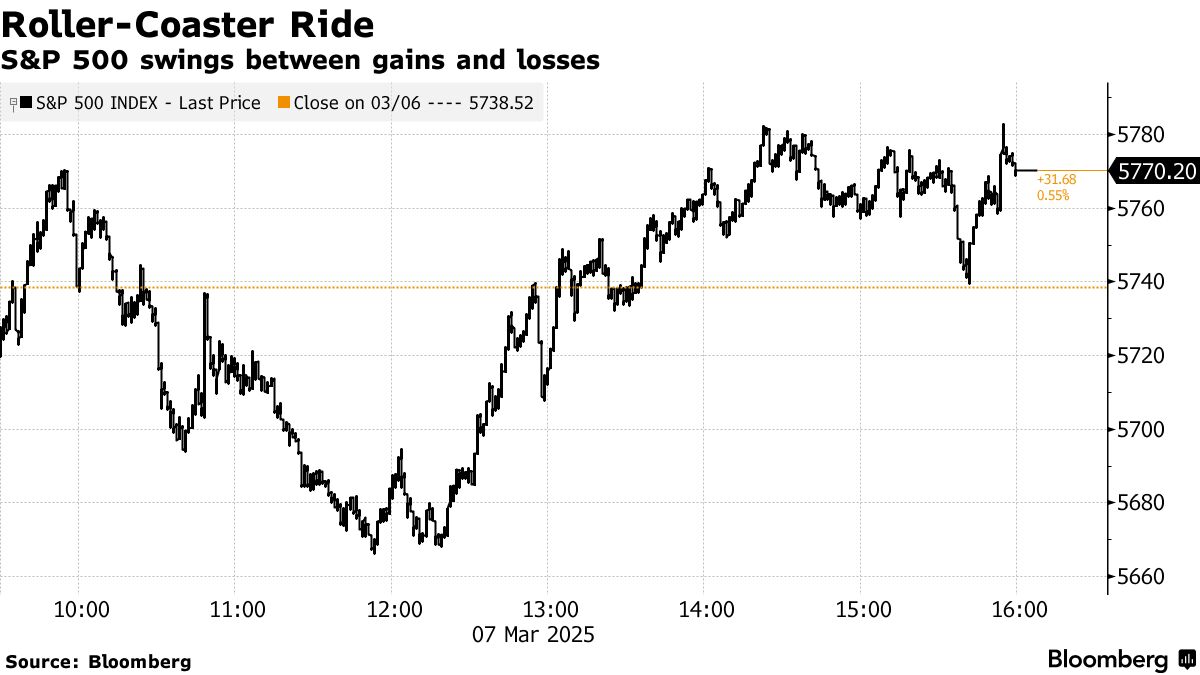
Sustainable Investing and ESG Factors
Environmental, Social, and Governance (ESG) factors are increasingly influencing investment decisions. Investors are not only considering financial returns but also the impact of their investments on society and the planet. Companies with strong ESG profiles are often seen as more resilient and less prone to regulatory or reputational risks. This trend is driving capital towards sustainable funds and green technologies, creating a new segment of growth opportunities within the financial markets. The integration of ESG criteria is no longer just a niche but a mainstream consideration for many institutional and retail investors, promising to reshape capital allocation for decades to come.
In conclusion, the question of “how are markets doing today?” yields a nuanced answer. It’s a landscape of cautious optimism tempered by persistent risks. While inflation and geopolitical tensions remain potent forces, signs of economic resilience, corporate adaptability, and technological innovation offer hope. For investors, success in this environment will hinge on informed analysis, strategic diversification, a long-term outlook, and the prudent management of risk. The global financial markets, with all their complexities and dynamism, continue to offer both challenges and unparalleled opportunities for those who navigate them wisely.
aViewFromTheCave is a participant in the Amazon Services LLC Associates Program, an affiliate advertising program designed to provide a means for sites to earn advertising fees by advertising and linking to Amazon.com. Amazon, the Amazon logo, AmazonSupply, and the AmazonSupply logo are trademarks of Amazon.com, Inc. or its affiliates. As an Amazon Associate we earn affiliate commissions from qualifying purchases.