
In the intricate world of personal and business finance, loans serve as a critical mechanism for achieving various financial objectives, from purchasing a home or car to funding a new venture or consolidating debt. At the heart of every loan agreement lies the interest rate – a figure that dictates the true cost of borrowing. Understanding what constitutes a “good” interest rate is not merely an academic exercise; it’s a fundamental skill for anyone seeking to borrow money wisely. A seemingly small difference in percentage points can translate into thousands, even tens of thousands, of dollars over the life of a loan. This article delves into the nuances of interest rates, exploring the factors that shape them, how to assess their fairness, and strategies for securing the most advantageous terms possible.
Understanding the Fundamentals of Loan Interest Rates
Before we can define what makes an interest rate “good,” it’s crucial to grasp the basic terminology and mechanics behind them. Interest rates are essentially the cost of borrowing money, expressed as a percentage of the principal amount. Lenders charge interest as compensation for the risk they take by lending money and for the opportunity cost of not using that capital elsewhere.
Defining Interest Rates: APR vs. Nominal Rate
When discussing loan interest, two key terms often arise: the nominal interest rate and the Annual Percentage Rate (APR).
-
Nominal Interest Rate: This is the stated interest rate on a loan, typically expressed monthly or annually. It only reflects the interest charged on the principal.
-
Annual Percentage Rate (APR): The APR is a more comprehensive measure of the cost of borrowing. It includes not only the nominal interest rate but also other associated fees and charges, such as origination fees, closing costs, and mortgage insurance premiums. The APR provides a truer picture of the total annual cost of the loan, allowing for more accurate comparisons between different loan offers. For instance, a loan with a lower nominal rate but high fees might end up having a higher APR than a loan with a slightly higher nominal rate but no fees. Always prioritize comparing APRs when evaluating loan options.
Why Interest Rates Matter: The Cost of Borrowing
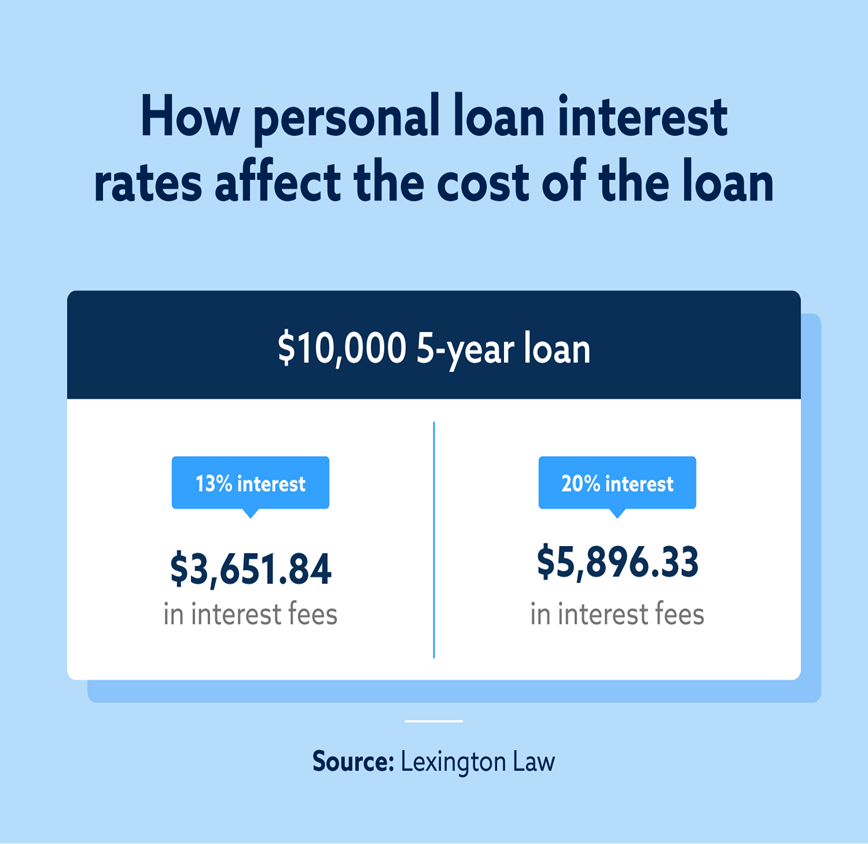
The interest rate directly impacts the total amount you will repay over the loan’s term. A higher interest rate means a greater portion of each payment goes towards interest, leading to a larger overall cost of borrowing and potentially higher monthly payments. Conversely, a lower interest rate reduces both your monthly payments and the total amount repaid, freeing up capital for other financial goals or investments. For a significant loan like a mortgage, even a quarter-point difference in the interest rate can equate to tens of thousands of dollars saved over 30 years.
Key Factors Influencing Interest Rates
While we’ll explore specific influences in more detail, it’s important to recognize that interest rates are not arbitrary. They are a product of a complex interplay of economic forces, lender policies, and individual borrower characteristics. Macroeconomic indicators, such as the Federal Reserve’s benchmark rates and inflation, set the general landscape. On a micro level, your personal financial health and the specific characteristics of the loan product also play a decisive role.
Deciphering What Makes an Interest Rate “Good”
Defining a “good” interest rate isn’t about finding a universal number; it’s about context. What’s excellent for one borrower might be mediocre for another, and what’s favorable for one loan type might be prohibitive for another. A good interest rate is ultimately one that aligns with current market conditions, your financial profile, and your repayment capacity.
The Borrower’s Perspective: Affordability and Financial Goals
From the borrower’s vantage point, a good interest rate is one that results in affordable monthly payments and minimizes the overall cost of borrowing, without jeopardizing other financial priorities. It should enable you to comfortably manage your debt while still saving for retirement, investing, or meeting other living expenses. For some, a good rate might mean being approved at all if their credit is challenged, while for others, it means securing the absolute lowest rate available in the market. Your personal financial goals – whether it’s maximizing long-term savings or minimizing immediate cash outflow – will shape your definition.
The Lender’s Perspective: Risk Assessment and Profitability
Lenders view interest rates through the lens of risk and profitability. Their goal is to lend money at a rate that adequately compensates them for the risk of default and covers their operational costs, while also generating a profit. Factors like your creditworthiness, income stability, and debt levels are rigorously assessed to determine the likelihood of repayment. The higher the perceived risk, the higher the interest rate a lender will typically charge to mitigate that risk. This also explains why different borrowers with similar credit scores might still receive slightly different offers – each lender has its own internal risk models and profit targets.
Benchmarking: Comparing Against Market Averages
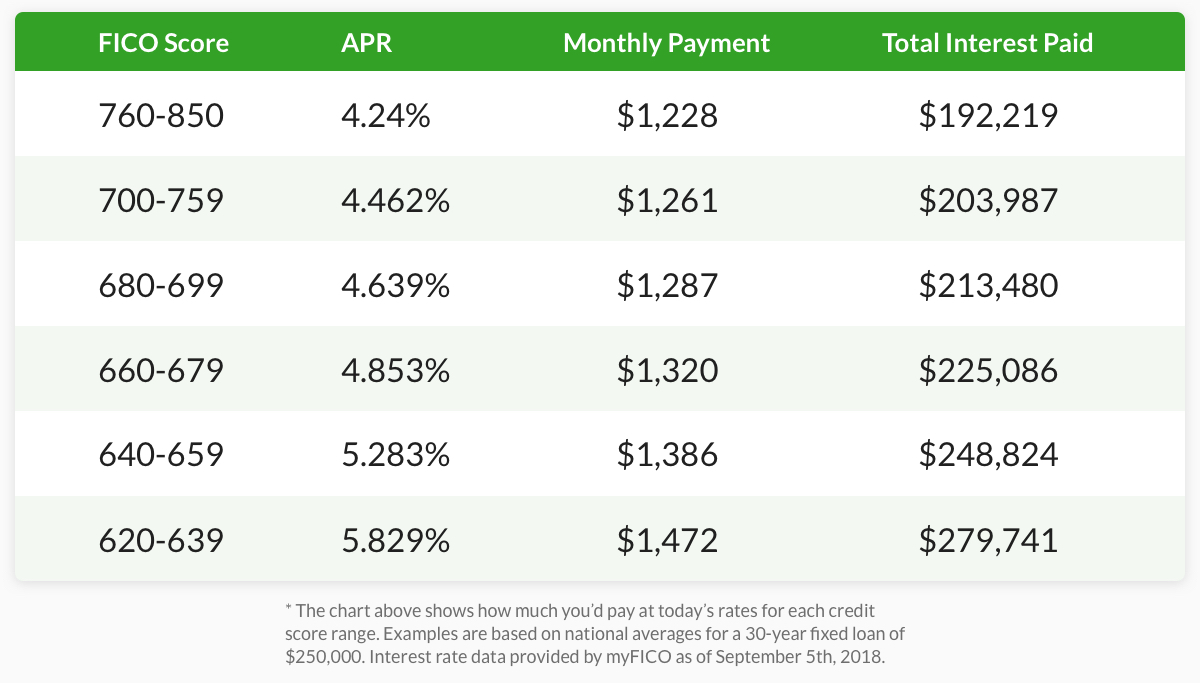
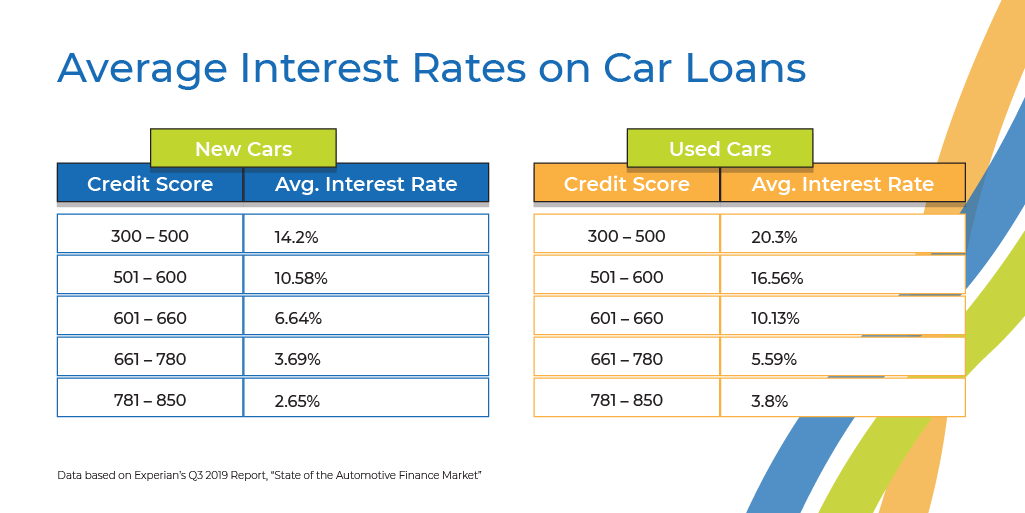
One of the most practical ways to gauge if an interest rate is “good” is to compare it against current market averages for similar loan products and borrower profiles. Financial websites, credit unions, and banks regularly publish average interest rates for mortgages, auto loans, and personal loans. If your offered rate is significantly above these averages, it’s a strong indicator that you might be able to find a better deal elsewhere. Conversely, a rate at or below the average is generally considered competitive. Remember to look at rates for people with similar credit scores to ensure a fair comparison.
The Impact of Loan Type
The definition of a “good” interest rate varies significantly depending on the type of loan:
-
Mortgages: Generally have the lowest interest rates due to being secured by a valuable asset (the property) and having long repayment terms. A good mortgage rate might be in the single digits, potentially even low single digits for well-qualified borrowers.
-
Auto Loans: Typically have higher rates than mortgages but lower than unsecured personal loans, as the vehicle serves as collateral. Good rates usually range from low to mid-single digits.
-
Personal Loans: These are often unsecured, meaning no collateral backs the loan, leading to higher interest rates to compensate for the increased risk. A good personal loan rate can vary widely but might be anywhere from mid-single digits to mid-double digits, depending on creditworthiness.
-
Credit Cards: These generally carry the highest interest rates due to their revolving nature and unsecured status. A “good” credit card APR might still be in the double digits, but lower than the average.
-
Business Loans: Rates vary greatly depending on the business’s age, revenue, collateral, and the specific loan product (e.g., SBA loan, line of credit, equipment loan).
Key Factors That Influence Your Loan Interest Rate
Several critical factors determine the specific interest rate you are offered. Understanding these elements empowers you to take steps to improve your standing as a borrower.
Credit Score and Credit History: Your Financial Report Card
Your credit score is arguably the single most important factor influencing the interest rate you receive. Lenders use it as a quick summary of your creditworthiness, reflecting your history of borrowing and repaying debt. A higher credit score (e.g., 740+) indicates a lower risk of default, making you eligible for the lowest possible interest rates. Conversely, a lower score suggests higher risk, leading to higher rates. Your credit history, which includes payment punctuality, types of credit accounts, credit utilization, and length of credit history, provides the detailed context behind your score.
Debt-to-Income Ratio: Assessing Your Repayment Capacity
Your Debt-to-Income (DTI) ratio is a percentage that compares your total monthly debt payments to your gross monthly income. Lenders use DTI to assess your ability to manage additional debt. A lower DTI (typically below 36% for most conventional loans, though it can be higher for FHA or VA loans) indicates you have more disposable income to cover new loan payments, making you a less risky borrower and potentially qualifying you for better rates. A high DTI suggests you might be overextended, increasing the perceived risk and therefore the interest rate.
Loan Term and Repayment Structure
The length of the loan term also impacts the interest rate. Shorter-term loans (e.g., 15-year mortgages) typically carry lower interest rates than longer-term loans (e.g., 30-year mortgages). This is because lenders face less risk over a shorter period, and they get their money back faster. However, shorter terms usually mean higher monthly payments. The repayment structure (e.g., fixed-rate vs. adjustable-rate) also plays a role. Fixed-rate loans offer stability but might start with a slightly higher rate than an adjustable-rate mortgage (ARM), which can fluctuate with market conditions after an initial fixed period.
Collateral and Secured vs. Unsecured Loans
Loans backed by collateral, such as a home (mortgage) or a car (auto loan), are known as secured loans. The collateral reduces the lender’s risk, as they can seize the asset if you default. This reduced risk translates to lower interest rates. Unsecured loans, like personal loans or credit cards, have no collateral. The lender relies solely on your promise to repay, making them riskier and therefore resulting in higher interest rates.
Economic Conditions: Federal Reserve Rates and Inflation
Broader economic conditions significantly influence interest rates. The Federal Reserve’s target federal funds rate serves as a benchmark for interest rates across the economy. When the Fed raises rates, borrowing becomes more expensive for banks, which then pass those higher costs on to consumers in the form of higher loan interest rates. Inflation also plays a role; lenders will demand higher interest rates to ensure the real value of their return isn’t eroded by rising prices over time.
Strategies to Secure a Better Interest Rate
Knowing the factors that influence interest rates is only half the battle; the other half is actively pursuing a better rate. With a strategic approach, you can significantly reduce your borrowing costs.
Improving Your Credit Profile
This is arguably the most impactful strategy. Focus on:
-
Paying bills on time: Payment history is the biggest factor in your credit score.
-
Reducing credit card balances: Lowering your credit utilization ratio (the amount of credit you use compared to your total available credit) can quickly boost your score.
-
Checking your credit report for errors: Dispute any inaccuracies that could be dragging down your score.
-
Avoiding new credit inquiries unnecessarily: Each hard inquiry can temporarily ding your score.
Shopping Around and Comparing Offers
Never settle for the first loan offer you receive. Contact multiple lenders – banks, credit unions, and online lenders – and get pre-approved or receive rate quotes. This allows you to compare APRs, fees, and terms side-by-side. Many lenders have online forms that allow for pre-qualification without a hard credit pull, giving you an idea of potential rates.
Negotiating with Lenders
Once you have multiple offers, don’t be afraid to use them as leverage. If one lender offers you a slightly better rate, present that offer to your preferred lender and ask if they can match or beat it. Lenders are often willing to negotiate, especially for desirable borrowers with strong credit.
Considering a Co-signer or Collateral
If your credit isn’t stellar, or you’re trying to secure a lower rate, a co-signer with excellent credit can significantly improve your chances. A co-signer essentially guarantees the loan, reducing the lender’s risk. Similarly, offering collateral for a loan that might otherwise be unsecured (if the lender allows) can also lead to a lower interest rate. However, be fully aware of the risks involved for both parties.
Refinancing Existing Loans
If you’ve improved your credit score since taking out an initial loan, or if market interest rates have dropped, consider refinancing. Refinancing replaces your old loan with a new one, often at a lower interest rate. This can significantly reduce your monthly payments and the total cost of the loan over its remaining term. Evaluate closing costs and fees to ensure refinancing is financially beneficial.
When a “Good” Rate Isn’t Good Enough: Avoiding Pitfalls
Even a seemingly “good” interest rate can be misleading if you don’t look at the complete picture. It’s crucial to understand the full implications of a loan beyond just the percentage.
Understanding Hidden Fees and Charges
A low nominal interest rate might mask high origination fees, application fees, or prepayment penalties. These extra costs are often rolled into the APR, but not always transparently upfront. Always ask for a full breakdown of all fees associated with the loan, and ensure you’re comparing the total cost of borrowing, not just the interest rate.
The Dangers of Predatory Lending
Beware of lenders offering extremely low introductory rates that jump significantly after a short period, or those that pressure you into taking out loans you can’t afford. Predatory lenders often target vulnerable individuals with unfavorable terms, excessive fees, and complex structures designed to keep borrowers in debt. Always borrow from reputable institutions and be wary of anything that seems too good to be true, or too easy to get with poor credit.
Long-Term vs. Short-Term Financial Impact
While a low monthly payment might seem attractive in the short term, a longer loan term (e.g., 30 years instead of 15 for a mortgage) means you’ll pay significantly more interest over the life of the loan. Evaluate whether the immediate relief of a lower payment is worth the increased long-term cost. Conversely, a shorter term with higher payments might be a stretch for your budget, leading to potential default, even with a great interest rate.
The Importance of Reading the Fine Print
Before signing any loan agreement, read every single clause and term carefully. Understand the repayment schedule, default provisions, late payment penalties, and any clauses related to interest rate changes (for ARMs). If you don’t understand something, ask for clarification. A “good” interest rate can quickly turn sour if the fine print contains unfavorable conditions that catch you off guard.
In conclusion, a “good” interest rate for a loan is a dynamic concept, influenced by myriad factors ranging from your personal creditworthiness to the prevailing economic climate and the specific characteristics of the loan product. It’s a rate that is competitive within current market conditions, affordable within your budget, and ultimately helps you achieve your financial goals without undue burden. By understanding the fundamentals, diligently improving your financial profile, and carefully shopping around, you can empower yourself to secure the most favorable borrowing terms possible, saving you money and contributing to your long-term financial well-being.
aViewFromTheCave is a participant in the Amazon Services LLC Associates Program, an affiliate advertising program designed to provide a means for sites to earn advertising fees by advertising and linking to Amazon.com. Amazon, the Amazon logo, AmazonSupply, and the AmazonSupply logo are trademarks of Amazon.com, Inc. or its affiliates. As an Amazon Associate we earn affiliate commissions from qualifying purchases.