
Purchasing a home is often the largest financial decision an individual or family will ever make, and for most, it necessitates securing a mortgage. A home loan, or mortgage, is a powerful financial tool that allows you to borrow a substantial sum to acquire property, which you then repay over a set period, typically 15 to 30 years, with interest. Navigating the world of home loans can seem daunting, with myriad options, terms, and requirements. However, with a clear understanding of the process and proper preparation, securing the right loan for your dream home is an achievable goal. This guide will demystify the journey, providing insights and practical steps to help you confidently obtain a loan to buy a house.
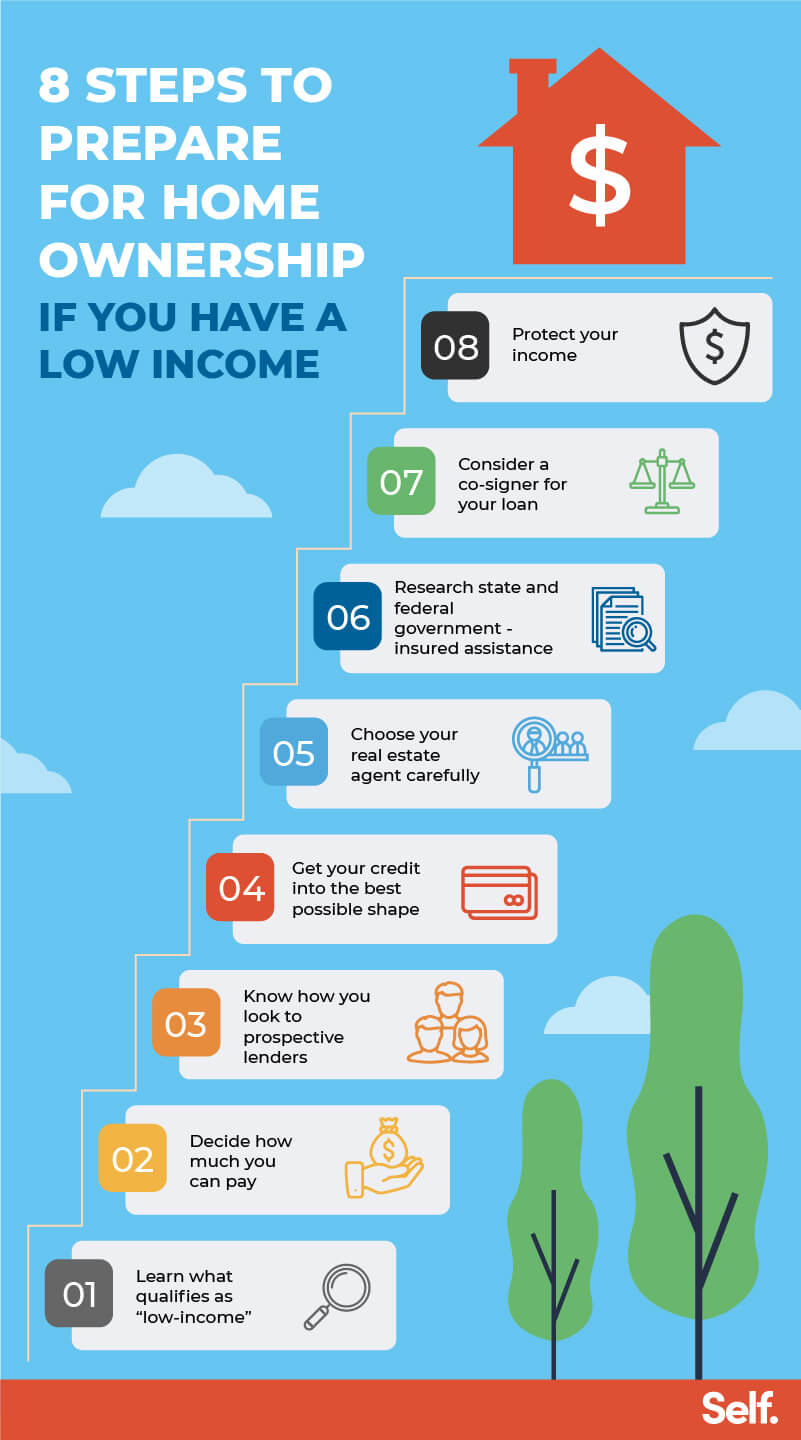
Understanding the Home Loan Landscape
Before you even begin to think about applying, it’s crucial to familiarize yourself with the basic types of mortgages available. Each type comes with its own set of advantages, disadvantages, and eligibility criteria, designed to cater to different financial situations and borrower needs. Knowing these distinctions will empower you to make an informed decision that aligns with your long-term financial goals.
Types of Mortgages: Fixed-Rate vs. Adjustable-Rate
The two most fundamental categories of mortgages are fixed-rate and adjustable-rate. A fixed-rate mortgage means your interest rate, and consequently your principal and interest payment, remains constant for the entire duration of the loan. This offers stability and predictability, making budgeting easier as you know exactly what your housing cost will be each month. It’s an excellent choice for those who prefer consistent payments and plan to stay in their home for many years, especially in a rising interest rate environment. The most common fixed-rate terms are 30-year and 15-year mortgages, with the latter typically offering lower interest rates but higher monthly payments due to the shorter repayment period.
Conversely, an adjustable-rate mortgage (ARM) features an interest rate that can change periodically after an initial fixed-rate period. For example, a 5/1 ARM means the rate is fixed for the first five years, and then adjusts annually thereafter based on a specific index plus a margin. ARMs often start with lower interest rates than fixed-rate mortgages, which can make initial monthly payments more affordable. However, the risk lies in the uncertainty of future interest rate changes; if rates increase, your monthly payments could rise significantly. ARMs can be suitable for borrowers who anticipate selling or refinancing before the adjustable period begins, or those who expect their income to increase substantially over time.
Government-Backed Loans: FHA, VA, USDA
Beyond conventional loans offered by private lenders, several government agencies back specific types of mortgages, designed to make homeownership more accessible to certain populations. These loans often come with more lenient qualification requirements, particularly regarding down payments and credit scores.
-
FHA Loans: Insured by the Federal Housing Administration, FHA loans are popular among first-time homebuyers or those with lower credit scores. They typically require a smaller down payment (as low as 3.5% for borrowers with a credit score of 580 or higher) and allow for higher debt-to-income ratios than conventional loans. However, FHA loans require borrowers to pay mortgage insurance premiums (MIP) for the life of the loan, which adds to the monthly cost.
-
VA Loans: Guaranteed by the U.S. Department of Veterans Affairs, VA loans are an incredible benefit for eligible service members, veterans, and surviving spouses. A key advantage is the ability to purchase a home with no down payment, no private mortgage insurance (PMI), and competitive interest rates. While there is a VA funding fee, it can often be financed into the loan. Eligibility is tied to military service, making these a highly attractive option for those who qualify.
-
USDA Loans: Backed by the U.S. Department of Agriculture, USDA loans are designed to promote homeownership in rural and eligible suburban areas. Like VA loans, they typically require no down payment and offer favorable interest rates. Eligibility is restricted by location (specific rural development areas) and income limits, ensuring the program benefits low-to-moderate income households.
Conventional Loans
Conventional loans are not insured or guaranteed by the government but conform to the guidelines set by Fannie Mae and Freddie Mac. These are the most common type of mortgage and generally require higher credit scores and lower debt-to-income ratios than government-backed options. While a 20% down payment is ideal to avoid private mortgage insurance (PMI), conventional loans allow for down payments as low as 3%. If you put down less than 20%, you will be required to pay PMI, which protects the lender in case you default. However, unlike FHA MIP, PMI on conventional loans can typically be cancelled once you reach 20% equity in your home.
Preparing Your Financial Profile for Lenders
Securing a home loan is fundamentally about demonstrating to lenders that you are a reliable borrower capable of repaying a significant debt. This assessment heavily relies on your financial history and current fiscal health. Preparing your financial profile effectively is paramount to not only getting approved but also securing the most favorable interest rates and terms.
Credit Score: Your Financial Report Card
Your credit score is arguably the most critical component of your loan application. Lenders use it as a snapshot of your creditworthiness, indicating your history of managing debt responsibly. Scores typically range from 300 to 850, with higher scores signifying lower risk. While FHA loans might approve scores as low as 580, conventional loans generally look for scores of 620 or higher, with the best rates reserved for those above 740.
Before applying, obtain free copies of your credit report from all three major bureaus (Experian, Equifax, and TransUnion) via AnnualCreditReport.com. Review them meticulously for any errors or discrepancies that could be negatively impacting your score. If you find errors, dispute them immediately. To improve your credit score, focus on paying all bills on time, keeping credit card balances low (ideally under 30% of your credit limit), and avoiding opening new lines of credit just before applying for a mortgage.
Debt-to-Income (DTI) Ratio: The Affordability Check
Your Debt-to-Income (DTI) ratio is another crucial metric lenders use to assess your ability to manage monthly payments. It’s calculated by dividing your total monthly debt payments (including the prospective mortgage payment) by your gross monthly income. Lenders typically prefer a DTI ratio of 43% or lower, though some programs allow for higher.
There are two components to DTI:
-
Front-end DTI: The percentage of your gross monthly income that goes towards housing costs (mortgage payment, property taxes, homeowner’s insurance, HOA fees).
-
Back-end DTI: The percentage of your gross monthly income that goes towards all monthly debt payments, including housing, car loans, student loans, and minimum credit card payments.
To improve your DTI, consider paying down existing debts or finding ways to increase your income. Even small adjustments can make a significant difference in your eligibility and the loan amount you can qualify for.
Down Payment and Closing Costs: Saving Up
While some government-backed loans offer low or no down payment options, most mortgages require a down payment. This upfront cash payment reduces the amount you need to borrow and signals your commitment to the property. A larger down payment can also lead to lower interest rates, reduced monthly payments, and the avoidance of private mortgage insurance (PMI) on conventional loans if you put down 20% or more.
Beyond the down payment, you’ll also need to budget for closing costs. These are fees associated with the mortgage transaction, typically ranging from 2% to 5% of the loan amount. They cover services such as origination fees, appraisal fees, title insurance, recording fees, and attorney fees. While some lenders offer “no-closing-cost” loans, these usually involve higher interest rates to compensate for the waived upfront fees. It’s wise to have these funds readily available in your savings.
Gathering Your Documentation
Before you even meet with a lender, begin compiling the necessary documentation. This proactive step will streamline the application process. Common documents include:
-
Proof of income: Pay stubs (past 30 days), W-2 forms (past two years), and tax returns (past two years, especially if self-employed).
-
Proof of assets: Bank statements (past two months) for checking and savings accounts, investment account statements.
-
Credit history: While lenders pull this, knowing your own reports is essential.
-
Identification: Driver’s license or other government-issued ID.
-
Employment history: Names and addresses of employers for the past two years.
Having these ready demonstrates your seriousness and organizational skills, making a positive impression on lenders.
Navigating the Mortgage Application Journey
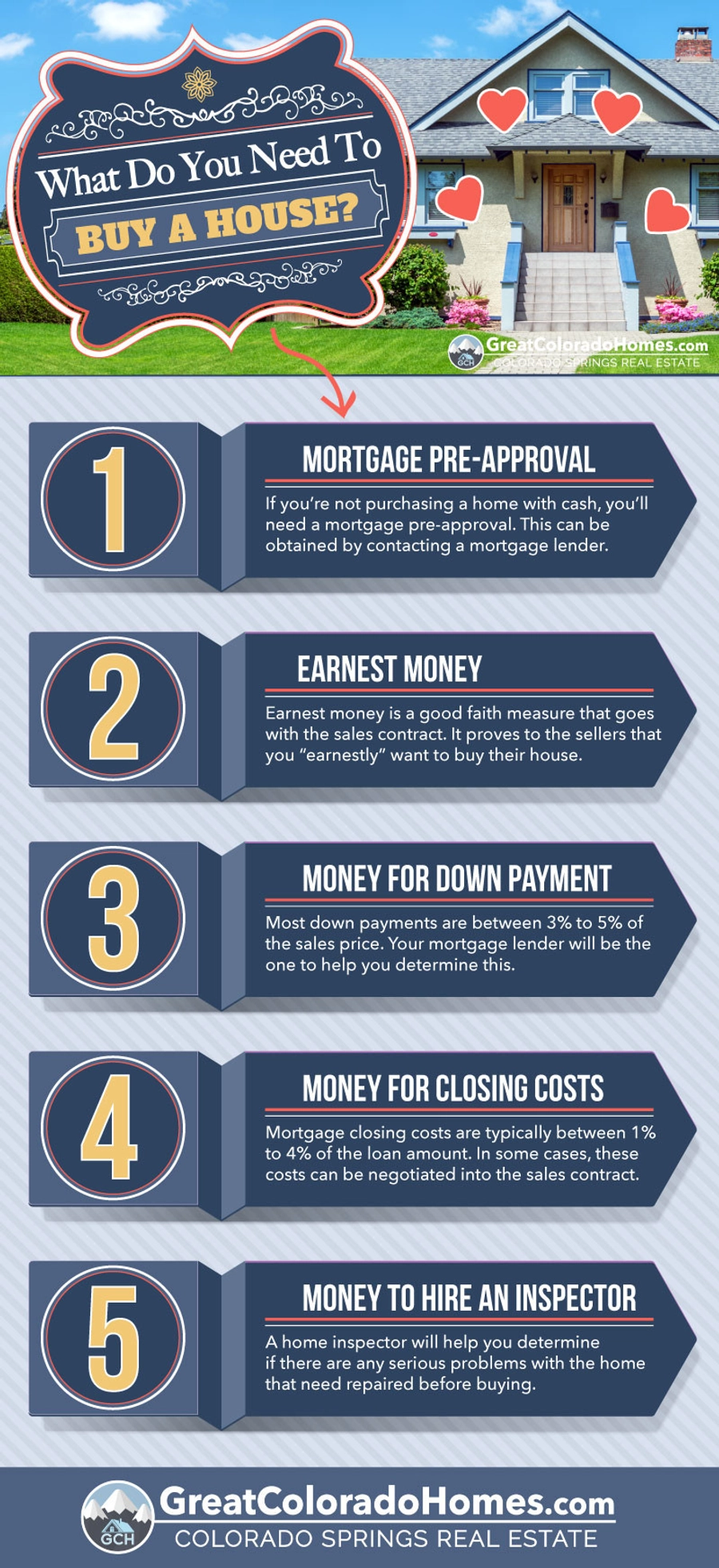
Once your finances are in order, you’re ready to embark on the actual mortgage application process. This journey involves several distinct stages, from initial qualification to the final closing, each requiring attention to detail and timely responses. Understanding these steps will help manage expectations and ensure a smoother path to homeownership.
Pre-Qualification vs. Pre-Approval
The first two steps you’ll likely encounter are pre-qualification and pre-approval, and it’s vital to understand the difference.
-
Pre-qualification is an informal estimate of how much you might be able to borrow. It’s based on a brief discussion of your financial situation (income, debts, assets) with a lender and does not involve a hard credit pull. It gives you a ballpark figure but is not a commitment from the lender.
-
Pre-approval, on the other hand, is a much more robust assessment. It involves a detailed review of your financial documents and a hard pull of your credit report. If approved, the lender will issue a pre-approval letter stating the maximum loan amount they are willing to lend you, subject to property appraisal. A pre-approval letter is a powerful tool in a competitive housing market, showing sellers you are a serious and qualified buyer. Always aim for pre-approval before actively house hunting.
Shopping for Lenders: Rates and Fees
Once pre-approved, do not simply stick with the first lender you spoke with. Rates and fees can vary significantly between different financial institutions, including banks, credit unions, and online mortgage lenders. It’s recommended to shop around and compare offers from at least three to five lenders. Pay close attention to:
-
Interest Rates: Even a quarter-point difference can save you thousands over the life of the loan.
-
Loan Origination Fees: Charges for processing your loan application.
-
Discount Points: Fees paid upfront to lower your interest rate.
-
Other Closing Costs: Appraisal fees, title insurance, underwriting fees, etc.
Request a Loan Estimate from each lender, which is a standardized form that clearly outlines all these costs. This allows for an “apples-to-apples” comparison. Don’t be afraid to use offers from one lender to negotiate a better deal with another.
Submitting Your Application
Once you’ve chosen a lender and found a home, you’ll formally submit your full mortgage application. This involves providing all the documentation you gathered earlier, along with the specific details of the property you intend to purchase. The lender will then process your application, verifying all the information you’ve provided. Be prepared to answer follow-up questions and provide additional documents as requested by the loan officer. Prompt responses at this stage are crucial to keep the process moving forward.
Underwriting and Appraisal
After application submission, your loan moves into the underwriting phase. The underwriter is a key figure who thoroughly reviews your entire financial profile, credit history, and the property details to assess the risk involved. They ensure all guidelines are met and that you are a suitable candidate for the loan. This can be the most nerve-wracking part of the process, as the underwriter might request additional information or clarifications.
Simultaneously, the lender will order an appraisal of the home. An independent appraiser will assess the property’s value to ensure it matches or exceeds the loan amount. This protects the lender from lending more than the home is worth. They will also typically order a home inspection, which is for your benefit, to identify any potential structural or mechanical issues with the home. While not directly part of the loan approval, an inspection can influence your decision to proceed or negotiate repairs.
Closing the Deal
The final step is the closing, also known as settlement. This is where you sign all the legal documents, including the promissory note (your promise to repay the loan) and the mortgage deed (giving the lender a lien on the property). You’ll also pay your down payment and closing costs. Before closing, you’ll receive a Closing Disclosure, which details all the final loan terms, fees, and costs. Review this document carefully, comparing it to your initial Loan Estimate, and ask any questions you have. Once all documents are signed and funds are disbursed, the home is officially yours, and you receive the keys!
Strategic Tips for a Smooth Home Loan Process
Securing a mortgage can be a complex and lengthy process, but armed with the right knowledge and strategies, you can navigate it with greater ease and confidence. Avoiding common pitfalls and making informed decisions can significantly improve your chances of approval and ensure a less stressful experience.
Overextending Your Budget
One of the most critical mistakes homebuyers make is borrowing the maximum amount they are pre-approved for without considering their lifestyle and other financial obligations. While a lender may approve you for a certain sum, it doesn’t necessarily mean that amount is comfortably affordable for your specific budget. Factor in not just the mortgage payment, but also property taxes, homeowner’s insurance, potential HOA fees, utilities, maintenance, and your other living expenses. Use a home affordability calculator and create a detailed personal budget to determine a comfortable monthly housing payment that allows for financial flexibility and savings. Buying less house than you qualify for can provide a crucial financial buffer against unforeseen expenses or market fluctuations.
Making Major Financial Changes During the Process
From the moment you start the pre-approval process until the day you close on your home, it is absolutely essential to maintain financial stability. Lenders will often perform a “soft pull” of your credit again just before closing to ensure your financial situation hasn’t drastically changed. Therefore, avoid:
-
Opening new lines of credit: This includes new credit cards, car loans, or even applying for store credit.
-
Closing existing credit accounts: While it might seem counterintuitive, closing old, paid-off accounts can actually hurt your credit score by reducing your available credit and altering your credit utilization ratio.
-
Making large purchases: Don’t buy new furniture, appliances, or a new car on credit.
-
Changing jobs or employment status: Any significant change in income or employment can cause a lender to re-evaluate your loan application.
-
Making large, unexplainable deposits: Any unusually large deposits into your bank account must be sourced and explained, which can delay the process.
Stay consistent with your financial habits and consult your loan officer before making any significant financial moves.
Not Understanding the Fine Print
Mortgage documents are replete with complex legal and financial jargon. It’s easy to feel overwhelmed, but it’s crucial not to simply sign documents without fully understanding them. Take the time to read through all disclosures, including your Loan Estimate and Closing Disclosure. Pay particular attention to:
-
Interest Rate and APR: Understand the difference. The APR (Annual Percentage Rate) includes the interest rate plus certain fees and charges, giving a more accurate picture of the total cost of borrowing.
-
Escrow Accounts: Most mortgages require an escrow account for property taxes and homeowner’s insurance. Understand how it works and what portion of your monthly payment goes into it.
-
Prepayment Penalties: While rare in standard mortgages today, always confirm there are no penalties for paying off your loan early.
-
Balloon Payments: Ensure your loan does not have a large lump sum payment due at the end of the loan term unless you specifically intended for it.
-
Adjustable-Rate Mortgage (ARM) Specifics: If you opt for an ARM, understand the adjustment period, the index and margin used, and the caps on how much the interest rate can increase.
If anything is unclear, ask your loan officer, a real estate agent, or even an attorney for clarification. Being proactive ensures you are fully aware of your obligations and the terms of your loan.

Seeking Professional Advice
Throughout the home loan process, don’t hesitate to leverage the expertise of professionals. A good loan officer or mortgage broker can be an invaluable guide, helping you understand your options, navigate complex paperwork, and troubleshoot issues. A reputable real estate agent can also offer advice on local market conditions and recommend trusted lenders. For broader financial planning, a financial advisor can help integrate your home purchase into your overall financial strategy. These experts are there to help you make informed decisions and achieve your goal of homeownership with confidence.
aViewFromTheCave is a participant in the Amazon Services LLC Associates Program, an affiliate advertising program designed to provide a means for sites to earn advertising fees by advertising and linking to Amazon.com. Amazon, the Amazon logo, AmazonSupply, and the AmazonSupply logo are trademarks of Amazon.com, Inc. or its affiliates. As an Amazon Associate we earn affiliate commissions from qualifying purchases.