
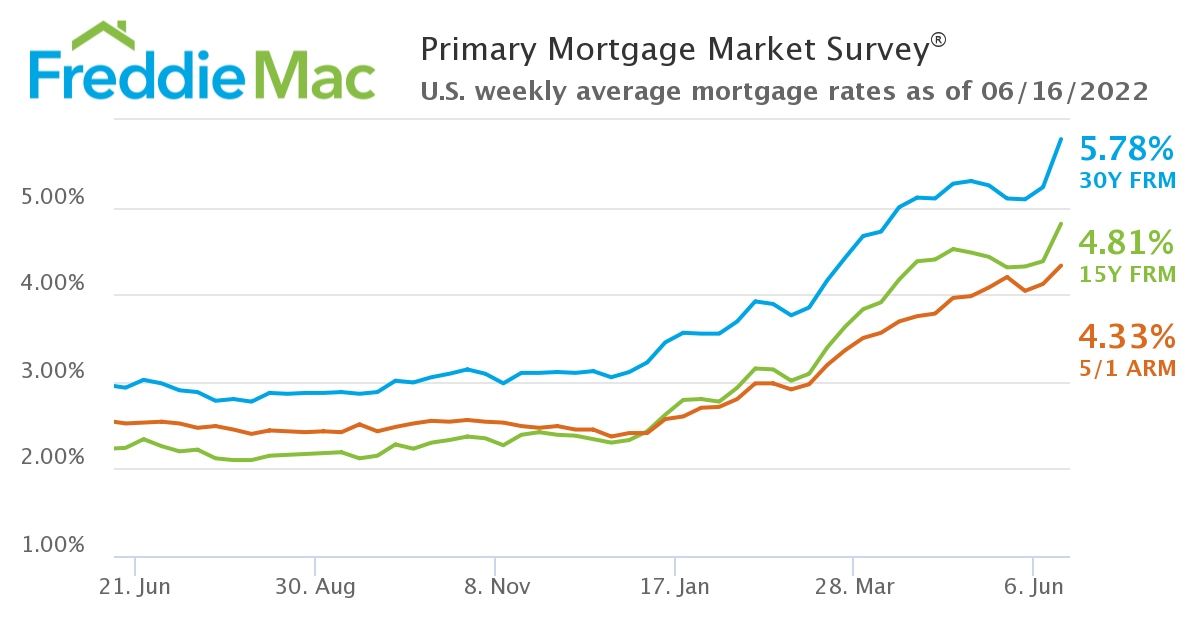
The question of when house interest rates will decline is a pervasive one, resonating deeply with prospective homebuyers, current homeowners, and the broader financial market. After a period of historically low rates, the rapid ascent of borrowing costs has injected a significant degree of uncertainty and challenge into the real estate landscape. Understanding the intricate web of economic factors that influence these rates is crucial for anyone navigating the housing market. This article delves into the primary drivers of interest rate movements, analyzes the current economic climate, explores the challenges of forecasting, and offers actionable strategies for consumers.
Understanding the Forces Behind Interest Rates
Mortgage interest rates are not determined in a vacuum. They are a complex interplay of various macroeconomic forces, policy decisions, and market dynamics. Deciphering these influences is the first step toward understanding their potential future trajectory.
The Role of the Federal Reserve (or Central Bank)
At the heart of interest rate movements in many countries lies the central bank, such as the Federal Reserve in the United States. While the Fed doesn’t directly set mortgage rates, its actions profoundly impact them. The Federal Funds Rate, the target rate for overnight borrowing between banks, serves as a benchmark for other lending rates. When the Fed raises this rate, commercial banks typically follow suit, increasing their prime rate, which in turn elevates rates for various loans, including mortgages. The Fed’s primary tools for influencing rates are open market operations, adjusting the federal funds rate, and quantitative easing/tightening. Their decisions are largely driven by their dual mandate: maximizing employment and maintaining stable prices (controlling inflation).
Inflationary Pressures and Economic Growth
Inflation is arguably the most significant factor influencing the central bank’s decisions and, consequently, mortgage rates. When inflation runs high, the purchasing power of money erodes. To combat this, central banks typically raise interest rates to cool down the economy, making borrowing more expensive and reducing demand. Conversely, if inflation is low or there are concerns about deflation, rates might be lowered to stimulate economic activity. Strong economic growth, often accompanied by robust job creation and consumer spending, can also put upward pressure on rates, as it may signal potential inflation. A sluggish economy, on the other hand, might prompt rate cuts to encourage investment and spending.
Global Economic Factors
While domestic conditions are paramount, the global economic environment also plays a role. International capital flows, geopolitical events, and the economic performance of major trading partners can indirectly affect a nation’s interest rates. For instance, if global investors view a particular country’s economy as stable and offering attractive returns, capital might flow in, potentially keeping bond yields (and thus mortgage rates) lower. Conversely, global instability or a flight of capital can drive rates higher. Currency strength, commodity prices, and trade balances also feed into this intricate global equation.
Supply and Demand in the Housing Market
Although not a direct determinant of the prime lending rate, the dynamics of the housing market itself can influence specific mortgage products and lenders’ appetite for risk. A hot housing market with high demand and low inventory can sometimes see lenders adjusting their offerings. More broadly, the bond market, particularly the yields on government bonds (like U.S. Treasury bonds), is a direct influencer of fixed-rate mortgages. Mortgage-backed securities (MBS) are often priced based on these bond yields. When bond yields rise, so do mortgage rates, and vice-versa. Investor demand for MBS is therefore a critical element.
The Current Economic Landscape and Its Impact
The past few years have presented an unprecedented economic rollercoaster, from pandemic-induced shutdowns and massive stimulus packages to soaring inflation and aggressive rate hikes. Understanding this recent history is key to comprehending the current state and future prospects of interest rates.
Recent Rate Hikes and Their Purpose
Following a period of near-zero interest rates to stimulate the economy during the pandemic, central banks globally began an aggressive tightening cycle in response to surging inflation. Supply chain disruptions, robust consumer demand fueled by stimulus, and geopolitical events (like the war in Ukraine affecting energy and food prices) pushed inflation to multi-decade highs. The purpose of these rapid rate hikes was unequivocal: to bring inflation back down to target levels (typically around 2%). By making borrowing more expensive, the goal is to cool demand, slow economic activity, and reduce price pressures. This strategy, while effective against inflation, inevitably leads to higher mortgage rates, impacting affordability and potentially slowing the housing market.
How Inflation Data Shapes Policy Decisions
Central banks are data-dependent, and inflation reports are paramount. Metrics like the Consumer Price Index (CPI), Personal Consumption Expenditures (PCE) price index, and Producer Price Index (PPI) are scrutinized closely. A consistent downward trend in these indicators, especially core inflation (which excludes volatile food and energy prices), provides central bankers with the confidence to pause or even consider cutting rates. Conversely, persistent or re-accelerating inflation data would likely necessitate maintaining higher rates for longer or even further hikes. Wage growth, a component of services inflation, is also a critical factor, as sustained high wage growth can fuel a wage-price spiral.
Employment Figures and Consumer Spending
Beyond inflation, employment data and consumer spending patterns are vital economic health indicators that influence interest rate decisions. A strong labor market with low unemployment rates and consistent job growth suggests a resilient economy, which might allow central banks to keep rates higher for longer without risking a severe recession. However, an overheated labor market can also contribute to inflationary pressures. Conversely, rising unemployment or a significant slowdown in job creation could signal an impending economic downturn, prompting central banks to consider rate cuts to avert or mitigate a recession. Consumer spending, which drives a large portion of economic activity, is similarly watched. A slowdown in spending can indicate economic weakness, while robust spending can fuel inflation.
Predicting Future Rate Movements: A Complex Endeavor
Forecasting interest rate movements is notoriously challenging, even for seasoned economists. Numerous variables, often interacting in unpredictable ways, make definitive predictions elusive.
Economic Indicators to Watch
For those trying to anticipate rate changes, several key economic indicators offer clues:
-
Inflation Data: CPI, PCE (headline and core) are primary.
-
Employment Reports: Unemployment rate, non-farm payrolls, wage growth.
-
GDP Growth: Quarterly reports indicating overall economic expansion or contraction.
-
Retail Sales: A measure of consumer spending.
-
Manufacturing and Services PMIs: Purchasing Managers’ Indexes offer a gauge of economic activity in various sectors.
-
Central Bank Commentary: Speeches, minutes of meetings, and press conferences from central bank officials provide insights into their thinking and future intentions.
-
Bond Market Yields: Particularly 10-year Treasury yields, which often act as a leading indicator for fixed mortgage rates.
Expert Forecasts vs. Market Realities
While economists and financial institutions regularly publish forecasts for interest rates, it’s crucial to treat them as informed estimates rather than certainties. These forecasts are based on current data and models, but unforeseen events (geopolitical shocks, new economic data, shifts in consumer behavior) can quickly render them obsolete. Moreover, the market itself often “prices in” anticipated rate changes, meaning that actual decisions by the central bank might not cause as much movement if they align with market expectations. Divergence between market expectations and central bank signals can lead to significant volatility. Ultimately, the market is a forward-looking mechanism, constantly adjusting to new information.
The Importance of a “Soft Landing”
A key aspiration for central banks during a tightening cycle is to achieve a “soft landing” – bringing inflation down to target without triggering a severe recession. If a soft landing appears plausible, with inflation moderating and the economy remaining resilient, rate cuts might be gradual and measured. However, if the economy heads towards a “hard landing” (a significant recession), central banks might be forced to cut rates more aggressively to stimulate growth, even if inflation hasn’t fully reached its target. The path to a soft landing is narrow and precarious, making it a central focus for policymakers and market watchers alike.
Strategies for Homebuyers and Owners Amidst Volatility
Given the uncertainty surrounding future interest rates, both prospective homebuyers and current homeowners need to adopt proactive and adaptable strategies.
For Prospective Buyers: Patience and Preparation
In a high-interest rate environment, patience can be a virtue. Rushing into a purchase with an uncomfortably high interest rate might lead to regret later. Instead:
-
Build a Strong Financial Foundation: Focus on increasing savings for a larger down payment, which reduces the loan amount and, consequently, the impact of high interest rates. Improve your credit score to secure the best possible rates when you do buy.
-
Run the Numbers: Understand what different interest rates mean for your monthly payments and overall affordability. Use mortgage calculators and work with a financial advisor. Don’t stretch your budget to the absolute maximum.
-
Stay Informed: Monitor economic news and central bank announcements. Be ready to act when conditions become more favorable, but don’t try to time the market perfectly, as that’s often impossible.
-
Consider Adjustable-Rate Mortgages (ARMs) with Caution: While ARMs might offer lower initial rates, understand the future payment risks when the rate adjusts. They could be an option for those planning to sell or refinance within the initial fixed period.
For Current Homeowners: Refinancing Considerations
Homeowners who secured low rates before the recent hikes are likely in a strong position. However, those with higher rates or variable-rate mortgages might be considering their options:
-
Evaluate Refinancing Potential: If rates do decline significantly, refinancing could lower your monthly payments or allow you to convert an ARM to a fixed-rate loan. Keep an eye on the spread between your current rate and prevailing market rates.
-
Assess Home Equity: Tapping into home equity through a cash-out refinance or a home equity line of credit (HELOC) might be an option for major expenses, but be mindful of the current interest rates for these products.
-
Debt Consolidation: For those with high-interest consumer debt, a refinance could potentially consolidate debt into a lower-rate mortgage, but carefully weigh the risks of extending the debt term and using your home as collateral.
-
Talk to a Lender: Stay in communication with mortgage professionals who can provide personalized advice based on your financial situation and market conditions.
Building Financial Resilience
Regardless of your homeownership status, building overall financial resilience is paramount. This includes maintaining an emergency fund, managing existing debt, and diversifying investments. A strong personal financial position provides flexibility and peace of mind during periods of economic uncertainty and interest rate volatility.
The Long-Term Outlook for Housing and Rates
While the immediate focus is on when rates will decline, it’s also important to consider the long-term trajectory and what a “normal” interest rate environment might look like going forward.
Normalization vs. Sustained High Rates
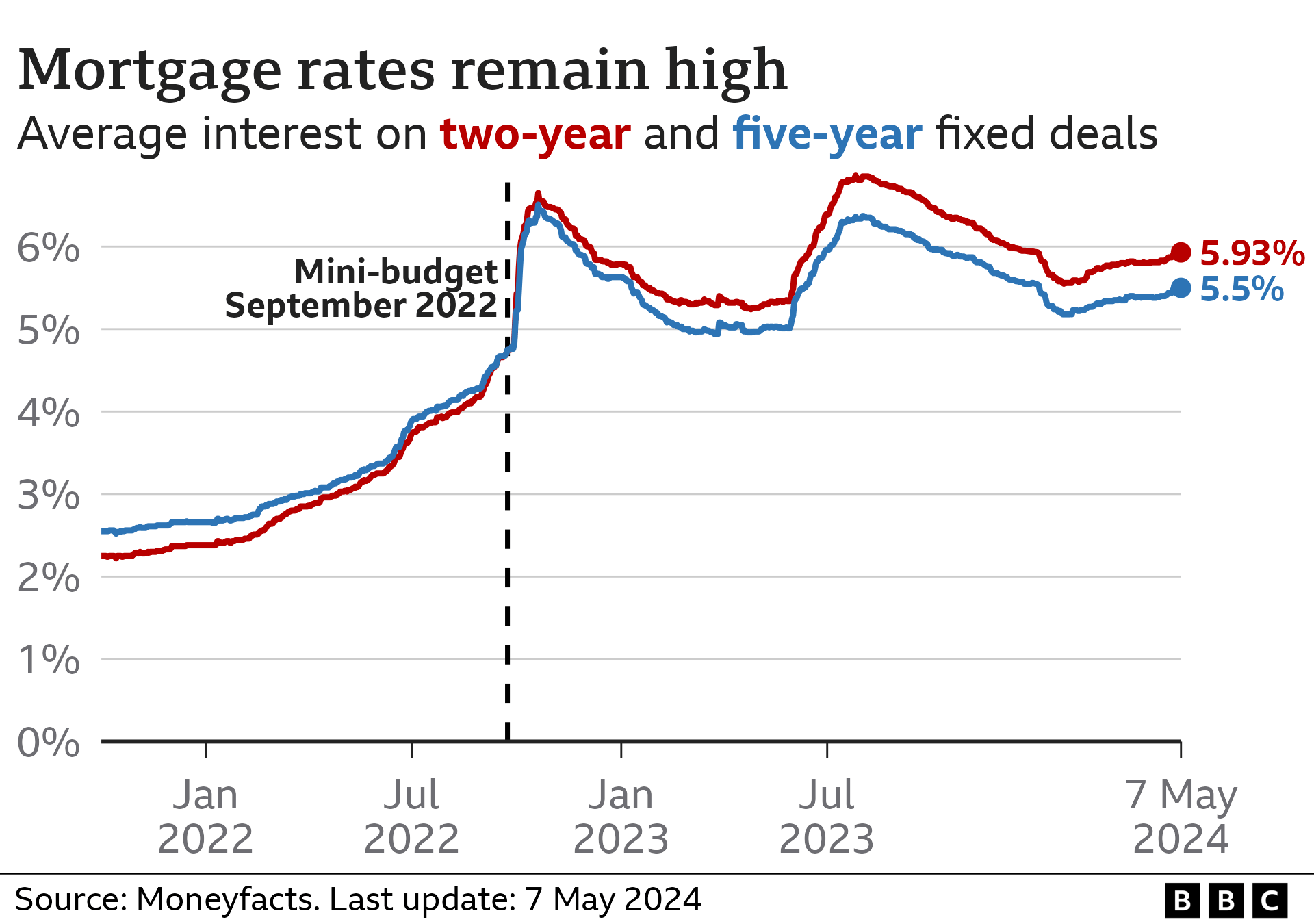
Many economists suggest that the ultra-low interest rates witnessed for over a decade post-2008 financial crisis were an anomaly, largely driven by global quantitative easing and disinflationary forces. The recent hikes might represent a “normalization” towards more historically typical rate levels rather than an endless march upwards. This normalization implies that while rates might decline from their peak, they may not return to the pandemic-era lows in the foreseeable future. A sustained period of inflation could, however, lead to rates remaining elevated for a longer duration, especially if central banks become more hawkish in their inflation targets.
The New Baseline for Affordability
Higher interest rates, even if they stabilize at a “normalized” level, redefine the baseline for housing affordability. Borrowing costs now represent a larger portion of the total housing expense, meaning that home prices might need to adjust downward, or incomes upward, to maintain historical affordability ratios. This shift could lead to a re-evaluation of housing values and buyer expectations. Over time, as incomes grow and potentially some modest rate reductions occur, affordability pressures might ease, but it’s unlikely to revert to the previous decade’s conditions overnight.
Adapting to Evolving Market Conditions
The housing market is dynamic, constantly evolving with economic shifts, demographic changes, and technological advancements. Adapting to a potentially new era of higher-than-recent interest rates means focusing on long-term financial planning, disciplined saving, and a pragmatic approach to homeownership. For lenders and developers, it means innovating product offerings and construction methods to meet the demand for affordable housing in this new rate environment.
In conclusion, predicting the precise moment when house interest rates will decline is speculative. However, by understanding the fundamental economic drivers, monitoring key indicators, and adopting a prudent financial strategy, individuals can better prepare themselves to navigate the evolving landscape of the housing market. Rates will go down when central banks are confident that inflation is under control and the economy is either heading for a slowdown or can withstand a modest easing of monetary policy. This transition will be gradual, guided by data, and require continuous adaptation from all participants in the housing and finance sectors.
aViewFromTheCave is a participant in the Amazon Services LLC Associates Program, an affiliate advertising program designed to provide a means for sites to earn advertising fees by advertising and linking to Amazon.com. Amazon, the Amazon logo, AmazonSupply, and the AmazonSupply logo are trademarks of Amazon.com, Inc. or its affiliates. As an Amazon Associate we earn affiliate commissions from qualifying purchases.