
In the intricate world of finance, few terms hold as much pervasive power as “the rates.” While seemingly simple, this unassuming phrase encapsulates a multitude of economic indicators that profoundly influence everything from your daily spending and savings to long-term investment strategies and national economic health. Understanding “the rates” isn’t just for economists or financial professionals; it’s a fundamental aspect of financial literacy that empowers individuals and businesses alike to make informed decisions, manage risk, and seize opportunities.
At its core, “rates” refer to the numeric values or percentages that quantify the cost of borrowing money, the return on an investment, the pace of price increases, or the relative value of one currency against another. These figures are not static; they are dynamic, responding to a complex interplay of supply and demand, central bank policies, geopolitical events, and market sentiment. Ignoring them is akin to navigating a turbulent sea without a compass – you might get somewhere, but it’s unlikely to be your intended destination and fraught with unnecessary peril. This article will delve into the various facets of “the rates,” breaking down their significance, examining their impact, and offering strategies to navigate their ever-shifting landscape.
The Ubiquitous Influence of “Rates” in Finance
The concept of “rates” is deeply embedded in almost every financial transaction and economic theory. It forms the bedrock upon which borrowing, lending, saving, and investing decisions are made, acting as both a cost and an opportunity depending on which side of the transaction you stand.
Defining “Rates”: More Than Just Numbers
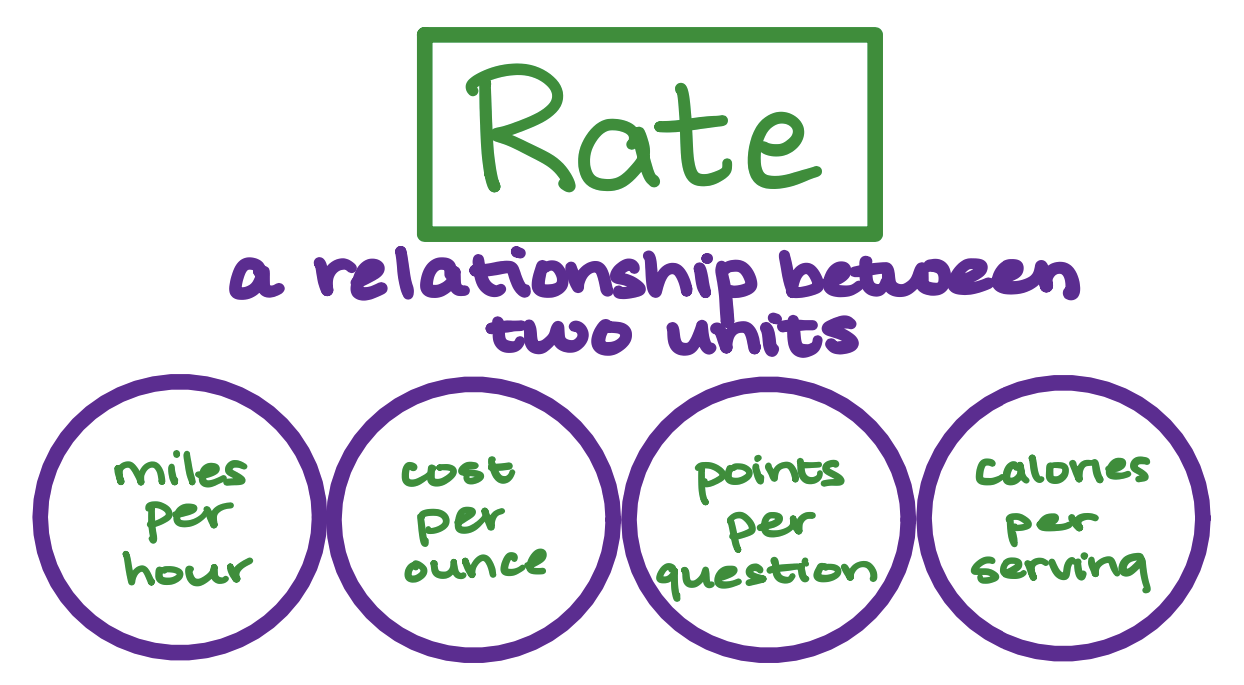
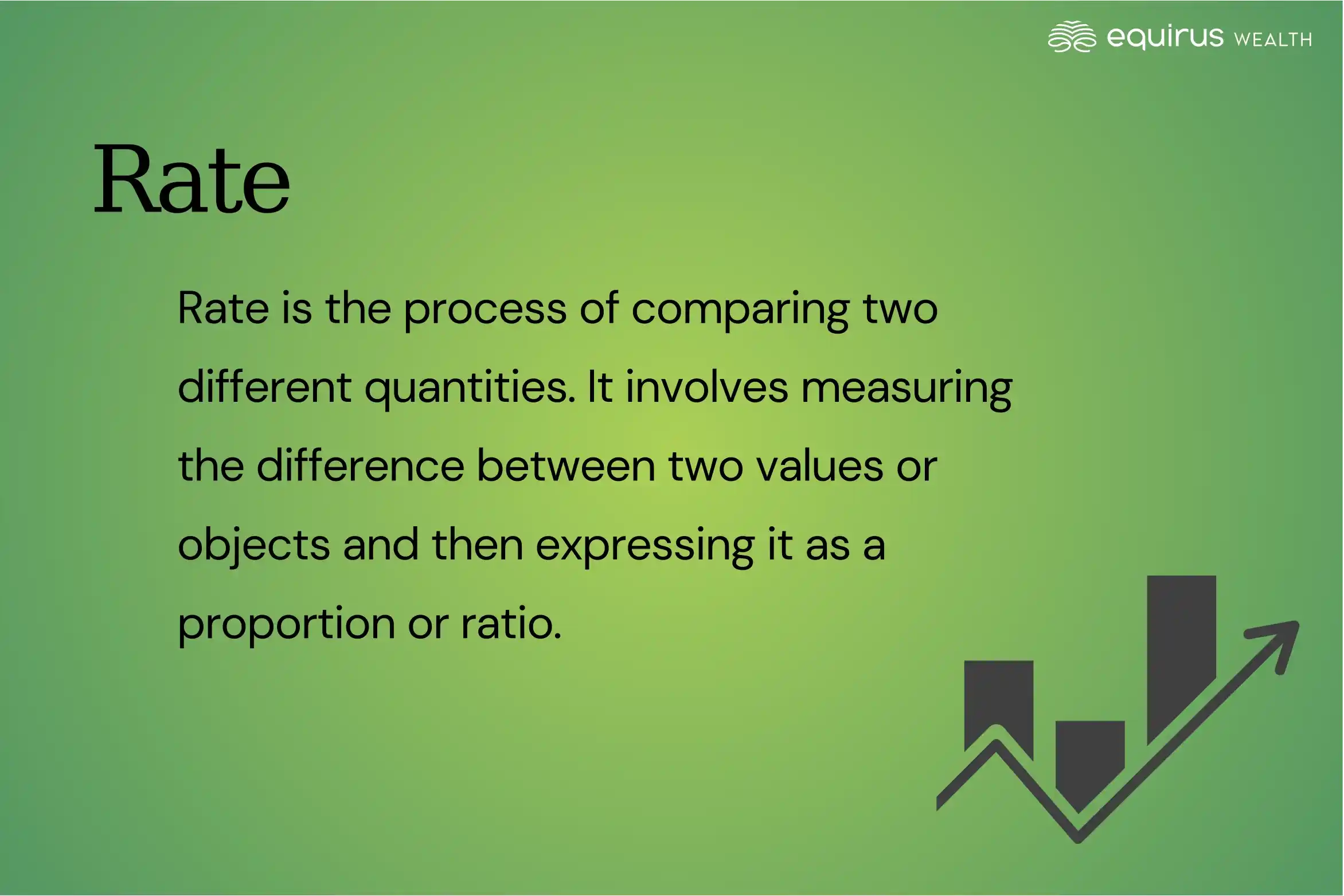
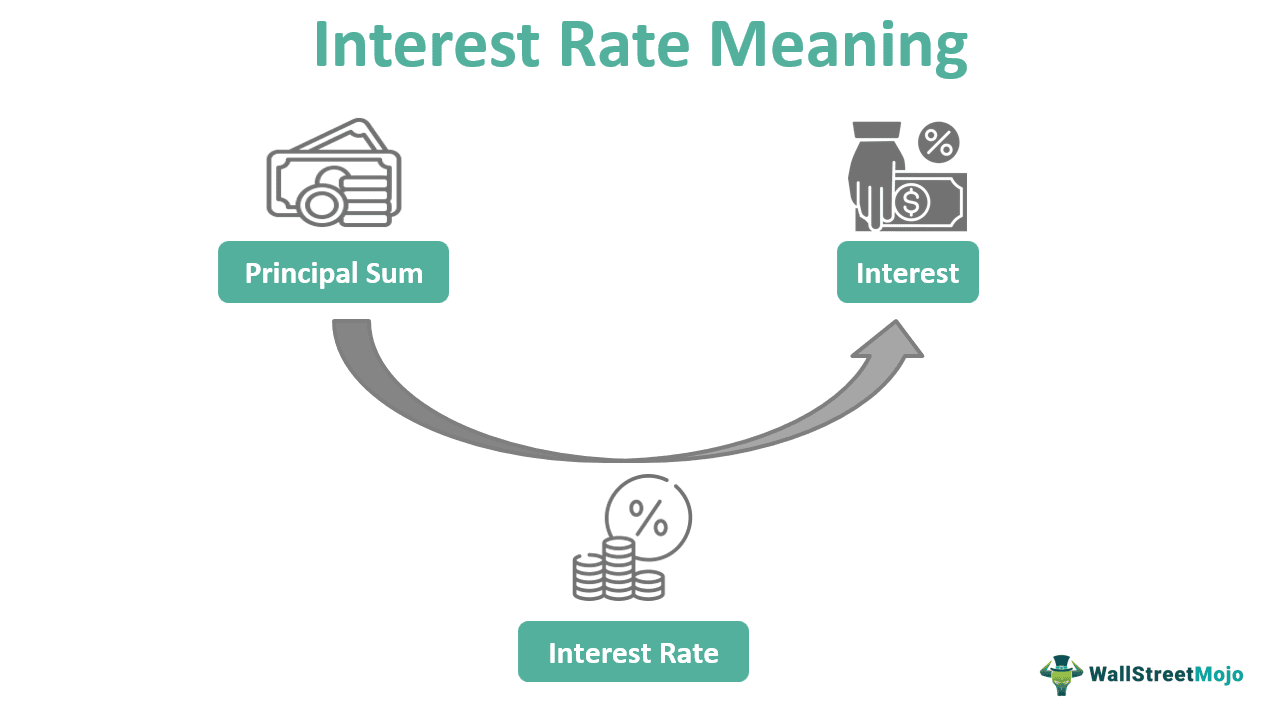
When we talk about “rates” in a financial context, we’re typically referring to percentages that express a proportional relationship. For instance, an interest rate is the percentage charged by a lender for the use of assets, or paid by a borrower for the privilege of using money. An inflation rate is the percentage increase in the general price level of goods and services over a period. An exchange rate is the rate at which one currency can be exchanged for another. These percentages are critical because they dictate the real value of money over time and across different markets. They translate abstract economic forces into tangible impacts on our wallets. Without rates, the entire system of modern finance—with its complex calculations of risk, return, and value—would collapse. They provide the necessary metrics for comparison, evaluation, and future planning.
The Dual Nature: Cost and Opportunity
For every rate, there is often a dual perspective: a cost for one party and an opportunity for another. Consider interest rates:
-
Cost: For a borrower taking out a loan, the interest rate represents the cost of borrowing money. A higher rate means higher monthly payments and a greater total cost over the loan’s lifetime. For businesses, it affects the cost of capital, influencing investment decisions and expansion plans.
-
Opportunity: For a saver or an investor, the interest rate represents the return on their capital. A higher interest rate on a savings account or a bond means greater earnings. Similarly, an investor seeking yield will look for higher return rates on their investments.
This duality is present across various types of rates. A high inflation rate is a cost to consumers whose purchasing power erodes, but it can be an opportunity for asset holders whose property or investments might appreciate in nominal terms. A favorable exchange rate is an opportunity for importers but a cost for exporters. Recognizing this dual nature is crucial for understanding the broader economic implications of rate changes and for strategically positioning oneself financially.
Essential Financial Rates That Shape Your Economic Life
To effectively navigate the financial landscape, it’s imperative to understand the primary types of rates that directly influence personal and business finance. These are the fundamental indicators that dictate how much you pay, how much you earn, and the overall economic climate.
Interest Rates: The Cost of Money
Interest rates are arguably the most frequently discussed and impactful rates. They represent the price of borrowing or lending money and are influenced heavily by central banks (like the Federal Reserve in the U.S. or the European Central Bank).
-
Prime Rate: This is the interest rate commercial banks charge their most creditworthy corporate customers. It serves as a benchmark for many other variable-rate loans, including some mortgages, credit cards, and lines of credit.
-
Mortgage Rates: The interest rate applied to home loans. These can be fixed (remaining constant for the loan’s duration) or adjustable (changing periodically based on a benchmark rate). Fluctuations in mortgage rates profoundly affect housing affordability and the real estate market.
-
Credit Card Interest Rates (APRs): The annual percentage rate charged on credit card balances. These are typically much higher than mortgage or personal loan rates, reflecting the unsecured nature of the debt.
-
Savings and CD Rates: The interest paid by banks on deposits held in savings accounts, money market accounts, or certificates of deposit (CDs). These rates determine how much your parked money grows.
-
Federal Funds Rate: This is the target rate set by the central bank for overnight lending between banks. While not directly paid by consumers, changes here ripple through the entire economy, influencing all other interest rates.
Inflation Rates: The Erosion of Purchasing Power
Inflation is the rate at which the general level of prices for goods and services is rising, and subsequently, the purchasing power of currency is falling.
- Consumer Price Index (CPI): A widely used measure of inflation, tracking the average change over time in the prices paid by urban consumers for a market basket of consumer goods and services. High inflation erodes the value of savings and necessitates wage increases to maintain living standards.
Exchange Rates: Navigating Global Commerce
An exchange rate is the rate at which one currency will be exchanged for another. It represents the value of one country’s currency in terms of another currency.
-
Impact on Travel and Trade: Favorable exchange rates can make international travel cheaper or make imported goods more affordable. Conversely, they can make exports more expensive, affecting businesses engaged in international trade.
-
Currency Fluctuation: Exchange rates are highly volatile, influenced by economic stability, interest rate differentials, political stability, and market speculation.
Investment Return Rates: Growth and Risk
When you invest, you’re looking for a return on your capital. This is often expressed as a percentage rate.
-
Annualized Returns: The average percentage return an investment has generated per year over a specific period.
-
Yields: For bonds, the yield is the return an investor receives on their bond. For stocks, dividend yield is a common metric.
-
Expected Returns vs. Actual Returns: Investors project expected rates of return, but actual returns can vary significantly due to market conditions, economic performance, and company-specific factors. Higher expected returns often come with higher risk.
Practical Impact: How Rates Dictate Your Financial Choices
Understanding these rates is not merely an academic exercise; it has tangible, real-world implications for every financial decision you make. From deciding whether to buy a home to planning for retirement, rates play a pivotal role.
Borrowing Wisely: Loans, Mortgages, and Debt Management
Interest rates are the primary determinant of the cost of borrowing.
-
Mortgage Decisions: A slight increase in mortgage rates can add tens of thousands of dollars to the total cost of a home over its lifespan. Understanding current rates helps you decide when to buy, whether to opt for a fixed or adjustable rate, and when to consider refinancing.
-
Personal Loans and Credit Cards: High interest rates on personal loans and credit cards can trap individuals in a cycle of debt. Monitoring these rates encourages responsible borrowing and timely repayment. When rates are low, it might be an opportune time to consolidate high-interest debt into a lower-rate loan.
-
Business Capital: For businesses, the cost of borrowing capital impacts expansion plans, equipment purchases, and overall profitability. Low rates can stimulate investment and growth, while high rates can constrain it.
Optimizing Your Savings and Investments
The rates paid on savings and the returns generated by investments determine how quickly your wealth grows.
-
Savings Accounts: In a high-interest rate environment, moving funds from low-yielding checking accounts to higher-yielding savings accounts or CDs can significantly boost your passive income. Conversely, in low-rate environments, the real return on savings (after accounting for inflation) might even be negative, pushing savers towards alternative investments.
-
Investment Portfolios: Understanding expected return rates helps investors set realistic goals and assess risk. For example, in a low-rate environment, traditional fixed-income investments like bonds may offer meager returns, prompting investors to seek higher returns (and potentially higher risk) in equities or alternative assets. Conversely, rising interest rates can make bonds more attractive and put pressure on stock valuations.
-
Retirement Planning: The rate of return on retirement investments directly impacts how much you need to save and how long your money will last. Adjusting your savings rate or investment strategy based on prevailing and projected rates is crucial for a secure retirement.
Business Finance: Managing Capital and Profitability
Businesses are acutely sensitive to changes in rates.
-
Cost of Capital: Interest rates directly influence a company’s cost of capital, impacting its ability to fund new projects, acquire assets, or expand operations. Lower rates mean cheaper financing, encouraging investment and economic growth.
-
Cash Flow Management: Companies with variable-rate loans will see their debt servicing costs fluctuate with market rates, affecting cash flow and profitability.
-
Investment Decisions: Businesses use discount rates (often tied to interest rates) to evaluate potential investments, determining the present value of future cash flows.
-
International Trade: Exchange rates impact the cost of imported raw materials and the revenue from exports, influencing a company’s competitive advantage and bottom line in global markets.
Strategies for Thriving in a Dynamic Rate Environment
The financial landscape is never static; rates are constantly in flux. Adopting a proactive and adaptive approach is key to protecting and growing your wealth.
Monitoring Economic Indicators
Stay informed about key economic releases and central bank announcements. Pay attention to:
-
Inflation Reports: Understand whether prices are rising or falling.
-
Employment Data: Strong employment often leads to wage inflation and potential central bank rate hikes.
-
Central Bank Statements: The Federal Reserve (and other central banks) explicitly signal their intentions regarding interest rate policy. Their commentary provides critical insights into the future direction of rates.
-
Geopolitical Events: Wars, trade disputes, and political instability can dramatically impact exchange rates and market sentiment, leading to unexpected rate movements.
Adapting Your Financial Strategy
Based on your monitoring, be prepared to adjust your financial plans.
-
When Rates are Low (Borrower’s Market): Consider refinancing existing loans to lower interest rates, taking out new loans for major purchases (like a home or car), or consolidating high-interest debt. For investors, this might mean seeking higher returns in growth-oriented assets since bond yields are less attractive.
-
When Rates are High (Saver’s Market): Prioritize paying down variable-rate debt. Focus on earning higher interest on savings accounts, money market funds, or CDs. For investors, higher bond yields might make fixed-income investments more appealing, offering a safer alternative to potentially volatile stocks.
-
Hedging Against Inflation: In periods of high inflation, consider investments that historically perform well, such as real estate, commodities, or inflation-protected securities (TIPS).
Seeking Professional Guidance
Financial advisors, mortgage brokers, and investment professionals can provide tailored advice based on your individual circumstances and the prevailing rate environment. They can help you:
-
Structure Debt: Determine the optimal mix of fixed-rate vs. variable-rate debt.
-
Optimize Investments: Create a diversified portfolio that aligns with your risk tolerance and responds to rate changes.
-
Plan for Major Life Events: Integrate rate considerations into buying a home, planning retirement, or funding education.
Leveraging Technology to Stay Ahead of the Curve
In today’s digital age, a wealth of tools and resources are available to help you track, analyze, and react to changes in financial rates. Embracing these technologies can give you a significant advantage.
Online Rate Trackers and Comparison Tools
Numerous websites and apps specialize in providing real-time data on various financial rates.
-
Mortgage Rate Comparators: Tools like Bankrate, Zillow, or LendingTree allow you to compare mortgage rates from multiple lenders, helping you secure the best deal.
-
Savings and CD Rate Trackers: Websites from financial publishers or aggregators list current interest rates on savings accounts and CDs across different institutions, making it easy to find high-yield options.
-
Exchange Rate Converters: Apps and websites provide live exchange rates for international travel or business transactions.
Financial Planning Software and Apps
Modern financial planning software and budgeting apps can integrate rate information into your overall financial picture.
-
Debt Management Features: Some apps can analyze your outstanding debts, highlight high-interest loans, and suggest strategies for accelerating repayment based on current interest rates.
-
Investment Portfolio Analysis: Advanced platforms offer tools to assess how changes in interest rates might impact your bond portfolio or the valuation of your stock holdings.
-
Retirement Calculators: These tools allow you to input expected rates of return and inflation to project your retirement savings needs more accurately.
The Role of Financial News and Analysis Platforms
Staying informed is paramount. Reputable financial news outlets (e.g., Wall Street Journal, Bloomberg, Reuters, Financial Times) and specialized economic analysis platforms provide:
-
Expert Commentary: Insights from economists and market strategists on the implications of rate changes.
-
Economic Forecasts: Predictions on future rate movements based on various models and indicators.
-
Educational Content: Articles and explainers that break down complex rate-related topics into understandable terms.
By actively engaging with these technological resources, individuals and businesses can maintain a proactive stance, ensuring their financial decisions are grounded in the most current and relevant rate information. In a world where financial success often hinges on adapting to change, understanding “the rates” and leveraging available tools is no longer optional—it is essential for securing your financial future.
aViewFromTheCave is a participant in the Amazon Services LLC Associates Program, an affiliate advertising program designed to provide a means for sites to earn advertising fees by advertising and linking to Amazon.com. Amazon, the Amazon logo, AmazonSupply, and the AmazonSupply logo are trademarks of Amazon.com, Inc. or its affiliates. As an Amazon Associate we earn affiliate commissions from qualifying purchases.