
Embarking on the journey to buy your first home is an exciting milestone, often marked by dreams of personal space, stability, and building equity. However, it’s also a complex financial endeavor, and perhaps no single factor plays as pivotal a role in your long-term financial commitment as the interest rate on your mortgage. For first-time home buyers, understanding what an interest rate is, how it’s determined, and how it impacts your mortgage payments is not just beneficial—it’s absolutely essential. It can be the difference between an affordable monthly payment and one that strains your budget, and ultimately, between a successful homeownership experience and one fraught with financial stress.
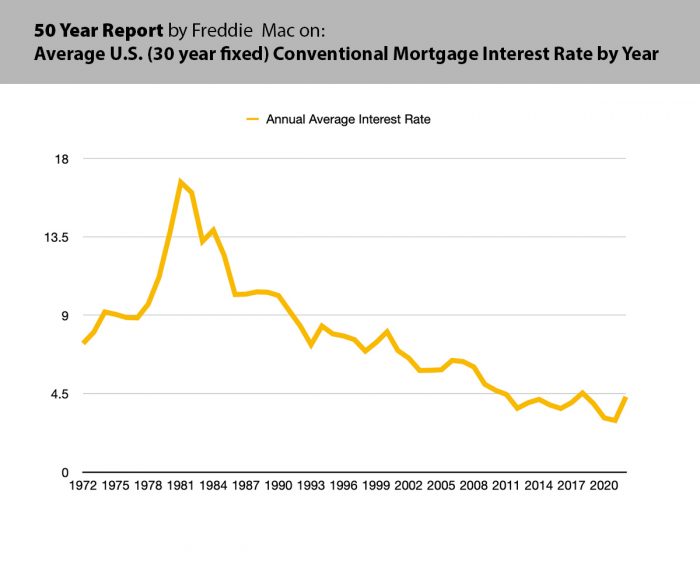
This comprehensive guide will demystify mortgage interest rates, equipping first-time home buyers with the knowledge needed to navigate the market confidently. We’ll delve into the fundamental concepts, explore different types of rates, examine how personal financial profiles influence lending decisions, and outline strategies to secure the most favorable terms for your dream home.
Understanding the Fundamentals of Interest Rates
Before diving into the specifics for home buyers, it’s crucial to grasp the basic definition and economic underpinnings of interest rates. This foundational knowledge will empower you to interpret market movements and make informed decisions.
What is an Interest Rate?
At its core, an interest rate is the cost of borrowing money, expressed as a percentage of the principal amount. When you take out a mortgage, the lender provides you with a large sum of money to purchase your home. In return, you agree to pay back that principal amount over a set period, plus an additional charge—the interest. This interest is the lender’s profit for providing the capital and taking on the risk that you might not repay the loan.
For a mortgage, the interest rate directly dictates how much extra you will pay over the life of the loan, significantly impacting your monthly mortgage payment. A seemingly small difference in percentage points can translate into tens of thousands of dollars in total cost over 15, 20, or 30 years.
Key Factors Influencing Mortgage Interest Rates
Mortgage interest rates are not arbitrary figures; they are dynamic and influenced by a complex interplay of macroeconomic forces and market conditions. Understanding these factors provides valuable context for why rates fluctuate.
-
Federal Reserve Policy and Benchmark Rates: The U.S. central bank, the Federal Reserve (the Fed), does not directly set mortgage rates. However, its monetary policy decisions, particularly adjustments to the federal funds rate, have a profound indirect impact. When the Fed raises its benchmark rates, it makes borrowing more expensive for banks, which then pass those increased costs onto consumers in the form of higher interest rates on loans, including mortgages. Conversely, when the Fed lowers rates, it typically stimulates economic activity by making borrowing cheaper.
-
Economic Indicators: Broader economic health plays a significant role.
-
Inflation: If inflation is high or expected to rise, lenders will demand higher interest rates to compensate for the reduced purchasing power of future repayments. They want to ensure the money they receive back is worth at least as much as the money they lent out.
-
Employment and Economic Growth: A strong economy with low unemployment typically leads to higher consumer confidence and spending, which can put upward pressure on interest rates as demand for credit increases.
-
-
Market Competition Among Lenders: While macro factors set the general trend, individual lenders compete for your business. This competition can lead to slightly varying rates and terms, making it essential to shop around.
-
Bond Market Performance (Specifically Mortgage-Backed Securities): Mortgage rates are closely tied to the bond market, particularly the yields on mortgage-backed securities (MBS). When investors demand higher yields on MBS, mortgage rates tend to rise, and vice-versa. Economic uncertainty often drives investors towards safer assets like bonds, which can push bond yields down, and thus mortgage rates.
Types of Mortgage Interest Rates for First-Time Buyers
As a first-time home buyer, you’ll encounter different structures for how your interest rate is applied throughout the loan term. The two primary categories are fixed-rate and adjustable-rate mortgages, each with distinct advantages and risks.
Fixed-Rate Mortgages
A fixed-rate mortgage is the most common and often preferred option for first-time home buyers due to its predictability.
-
Definition: With a fixed-rate mortgage, the interest rate remains constant for the entire duration of the loan, regardless of market fluctuations. This means your principal and interest payment will never change.
-
Pros:
-
Predictable Payments: You know exactly what your principal and interest payment will be every month, making budgeting much easier.
-
Protection Against Rising Rates: If market interest rates increase, your payment stays the same, shielding you from higher costs.
-
Simplicity: Easier to understand and manage than adjustable-rate options.
-
-
Cons:
-
Might Miss Out if Rates Fall: If market interest rates decrease significantly, you won’t benefit unless you refinance your loan, which incurs additional costs.
-
Potentially Higher Initial Rate: Fixed rates often start slightly higher than the initial rates of adjustable-rate mortgages.
-
-
Common Terms: The most popular fixed-rate terms are 30-year and 15-year mortgages. A 30-year fixed offers lower monthly payments but results in more interest paid over the life of the loan. A 15-year fixed has higher monthly payments but significantly less interest paid and quicker equity build-up.
Adjustable-Rate Mortgages (ARMs)
Adjustable-rate mortgages offer a different structure that can be appealing in certain situations, though they come with more inherent risk.
-
Definition: An ARM features an interest rate that changes periodically after an initial fixed-rate period. For example, a 5/1 ARM means the rate is fixed for the first five years, then adjusts annually (the “1”) for the remainder of the loan term.
-
Pros:
-
Lower Initial Payments: ARMs often start with a lower interest rate than fixed-rate mortgages, resulting in lower initial monthly payments. This can make a more expensive home more affordable in the short term.
-
Potential Savings if Rates Fall: If market rates decrease after the fixed period, your interest rate (and payment) could go down.
-
-
Cons:
-
Payment Uncertainty: The biggest drawback is the unpredictability of future payments. Your monthly cost could increase substantially if rates rise after the fixed period, potentially straining your budget.
-
Risk of Significant Increases: ARMs typically have caps on how much the rate can adjust per period and over the life of the loan, but even with caps, increases can be substantial.
-
-
Common Structures: Beyond the 5/1 ARM, other common structures include 7/1 and 10/1 ARMs, where the rate is fixed for 7 or 10 years, respectively, before annual adjustments begin. ARMs are often more suitable for buyers who plan to sell or refinance before the fixed-rate period ends.
Hybrid Options and Considerations
While fixed-rate and ARMs are the primary categories, it’s worth noting that specific first-time home buyer programs, such as FHA, VA, and USDA loans, predominantly offer fixed-rate mortgages. These government-backed loans are designed to make homeownership more accessible, often coming with competitive fixed rates and more lenient qualification criteria than conventional loans. Their fixed-rate nature provides the stability many first-time buyers seek.
How Your Personal Profile Affects Your Interest Rate
Beyond the broader economic landscape and the type of mortgage you choose, your individual financial health plays a critical role in the interest rate you’ll be offered. Lenders assess your level of risk, and the “safer” you appear, the better your rate will likely be.
Credit Score and History
Your credit score is arguably the single most important factor determining your mortgage interest rate.
-
Why it Matters: Your credit score (e.g., FICO score) is a three-digit number that summarizes your creditworthiness, indicating how reliably you’ve managed debt in the past. It tells lenders how likely you are to repay your new mortgage.
-
Impact: A higher credit score generally qualifies you for a lower interest rate. Lenders view borrowers with excellent credit (typically 740 and above) as less risky, and therefore are willing to offer more favorable terms. Conversely, a lower score will result in a higher interest rate, if you qualify at all.
-
Tips: Before applying for a mortgage, check your credit report from all three major bureaus (Experian, Equifax, TransUnion) for errors. Pay down existing debts, avoid opening new credit accounts, and make all payments on time to improve your score.
Down Payment Size
The amount of money you contribute upfront to purchase your home—your down payment—also significantly influences your interest rate.
-
Relationship: A larger down payment reduces the amount you need to borrow and lowers the lender’s risk. This often translates into a lower interest rate.
-
Loan-to-Value (LTV) Ratio: Lenders calculate your Loan-to-Value (LTV) ratio by dividing the loan amount by the home’s value. A lower LTV (e.g., 80% with a 20% down payment) is more attractive to lenders.
-
Private Mortgage Insurance (PMI) Implications: If your down payment is less than 20% on a conventional loan, lenders typically require you to pay for Private Mortgage Insurance (PMI). While not directly an interest rate factor, PMI is an added cost that increases your monthly housing expense. A larger down payment can help you avoid PMI and potentially secure a better rate.
Debt-to-Income (DTI) Ratio

Your Debt-to-Income (DTI) ratio is another key metric lenders use to assess your ability to manage monthly payments.
-
Definition: Your DTI is the percentage of your gross monthly income that goes toward paying your recurring monthly debts, including rent/mortgage, credit card payments, student loans, and car loans.
-
Lender’s Perspective: Lenders want to ensure you have enough disposable income to comfortably afford your mortgage payment alongside your other financial obligations.
-
Ideal Ratios: Most lenders prefer a front-end DTI (housing expenses only) below 28% and a back-end DTI (all monthly debts) below 36%, though some programs allow up to 43% or even higher in certain circumstances. A lower DTI indicates less financial strain and can lead to better interest rate offers.
Loan Term and Type
As briefly touched upon, the specific loan term and program you choose also bear weight on your rate.
-
Shorter Terms: Mortgages with shorter terms (e.g., 15-year fixed) typically come with lower interest rates than longer terms (e.g., 30-year fixed). Lenders face less risk over a shorter period. However, be mindful that shorter terms mean higher monthly payments.
-
Specific Loan Programs: FHA, VA, and USDA loans are government-backed, which reduces risk for lenders. This often results in more competitive interest rates compared to conventional loans, even for borrowers with less-than-perfect credit or smaller down payments.
Strategies for Securing the Best Interest Rate
Now that you understand what an interest rate is and what influences it, let’s explore actionable strategies to help first-time home buyers secure the most favorable terms.
Shop Around and Compare Lenders
This is perhaps the single most impactful action you can take. Interest rates and loan terms can vary significantly from one lender to another.
-
Importance: Don’t settle for the first quote you receive. Different lenders have different overhead costs, risk appetites, and pricing strategies.
-
Types of Lenders: Explore options from traditional banks, credit unions (often known for competitive rates and personalized service), online lenders (which can be very efficient), and mortgage brokers (who can shop multiple lenders on your behalf).
-
Multiple Quotes: Apply for pre-approval with 3-5 different lenders within a short window (typically 14-45 days, depending on the credit scoring model). Multiple inquiries for the same type of loan within this timeframe are usually treated as a single hard inquiry on your credit report, minimizing the impact on your score. This allows you to compare their loan offers, interest rates, and associated fees side-by-side.
Improve Your Financial Health
Taking proactive steps to bolster your financial standing can yield significant dividends in the form of a lower interest rate.
-
Boost Credit Score: Consistently pay all bills on time, reduce revolving credit card balances, and avoid taking on new debt. A higher credit score makes you a more attractive borrower.
-
Save for a Larger Down Payment: The more you can put down, the lower your LTV, which can translate into a better rate and potentially eliminate the need for PMI.
-
Lower DTI: Work on paying off outstanding loans, especially those with high monthly payments, before applying for a mortgage. This demonstrates your capacity to handle additional debt.
Understand Discount Points and Closing Costs
Beyond the quoted interest rate, other costs can impact the overall expense of your mortgage.
-
“Buying Down” the Rate (Discount Points): Discount points are an upfront fee paid to the lender in exchange for a lower interest rate over the life of the loan. One point typically costs 1% of the loan amount. You’ll need to calculate the “breakeven point”—how long it takes for the savings from the lower interest rate to offset the cost of the points—to determine if it’s a worthwhile investment for your situation.
-
Other Closing Costs: These are fees and expenses paid at the closing of a real estate transaction. They can include origination fees, appraisal fees, title insurance, and more. While not directly part of the interest rate, they contribute to the overall cost of getting the loan. Understand what each lender charges in closing costs, as a lower interest rate might sometimes come with higher fees elsewhere.
Leverage First-Time Home Buyer Programs
Many resources are available specifically for first-time home buyers that can make a significant difference.
-
Government-Backed Loans: FHA, VA, and USDA loans often have more flexible credit requirements, lower down payment options (or no down payment for VA and USDA), and competitive fixed interest rates.
-
State and Local Programs: Many states and local municipalities offer programs designed to assist first-time buyers, including down payment assistance, closing cost grants, and sometimes even reduced interest rates. Researching these options through your state’s housing finance agency or local housing authority can uncover valuable opportunities.
The Long-Term Impact of Interest Rates
The interest rate on your mortgage is not merely a number; it’s a financial lever that profoundly influences your financial well-being over the decades you own your home.
Total Cost of the Loan
Even a seemingly small difference in interest rates can lead to a substantial difference in the total amount of interest paid over 30 years. For example, on a $300,000, 30-year fixed-rate mortgage:
-
At 6.0% interest, the total interest paid would be approximately $347,500.
-
At 6.5% interest, the total interest paid would be approximately $383,000.
-
At 7.0% interest, the total interest paid would be approximately $419,000.
This illustrates that a 1% difference in your interest rate can translate to over $70,000 in additional interest over the loan’s lifetime. This is why securing the lowest possible rate is paramount.
Monthly Payment Affordability
Your interest rate directly dictates your monthly principal and interest payment, which is a significant portion of your overall housing expense. A higher rate means higher monthly payments, impacting your disposable income and overall budget. It’s crucial to ensure your monthly payment is comfortably affordable, even with a slightly higher interest rate than you initially hoped for, to avoid becoming “house poor.”

Refinancing Potential
While a fixed-rate mortgage locks in your rate, economic conditions can change. If interest rates drop significantly in the future, you might have the opportunity to refinance your mortgage into a new loan with a lower interest rate. This could reduce your monthly payments or the total interest paid, but it involves new closing costs, so a careful analysis is needed to determine if refinancing is worthwhile.
Buying your first home is a monumental step, and understanding the nuances of interest rates is a critical component of making a sound financial decision. By diligently preparing your finances, thoroughly shopping for a lender, and leveraging available programs, first-time home buyers can secure an interest rate that aligns with their financial goals, paving the way for a stable and rewarding homeownership experience. Remember, knowledge is power, and in the world of mortgages, it translates directly into savings.
aViewFromTheCave is a participant in the Amazon Services LLC Associates Program, an affiliate advertising program designed to provide a means for sites to earn advertising fees by advertising and linking to Amazon.com. Amazon, the Amazon logo, AmazonSupply, and the AmazonSupply logo are trademarks of Amazon.com, Inc. or its affiliates. As an Amazon Associate we earn affiliate commissions from qualifying purchases.